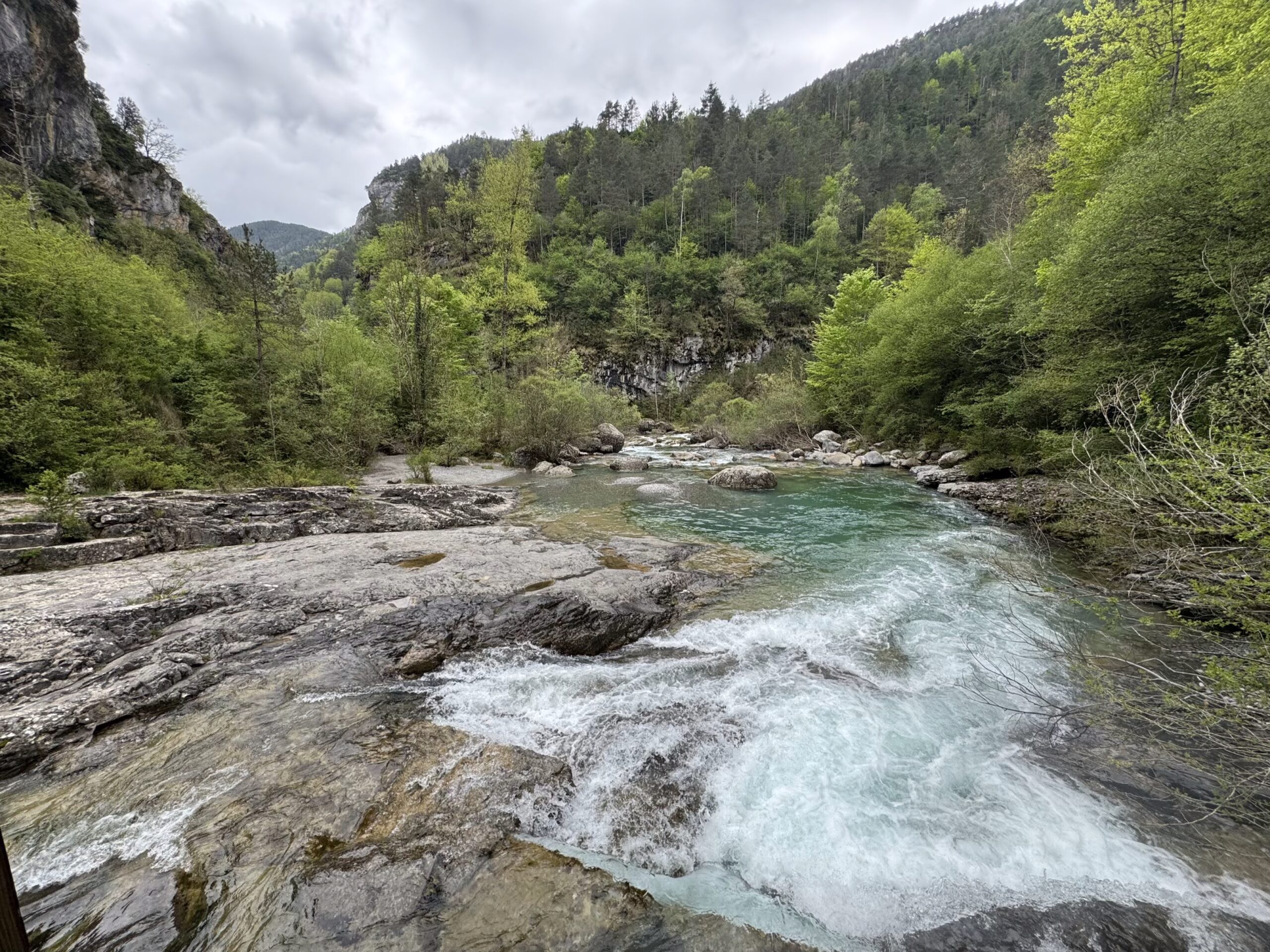
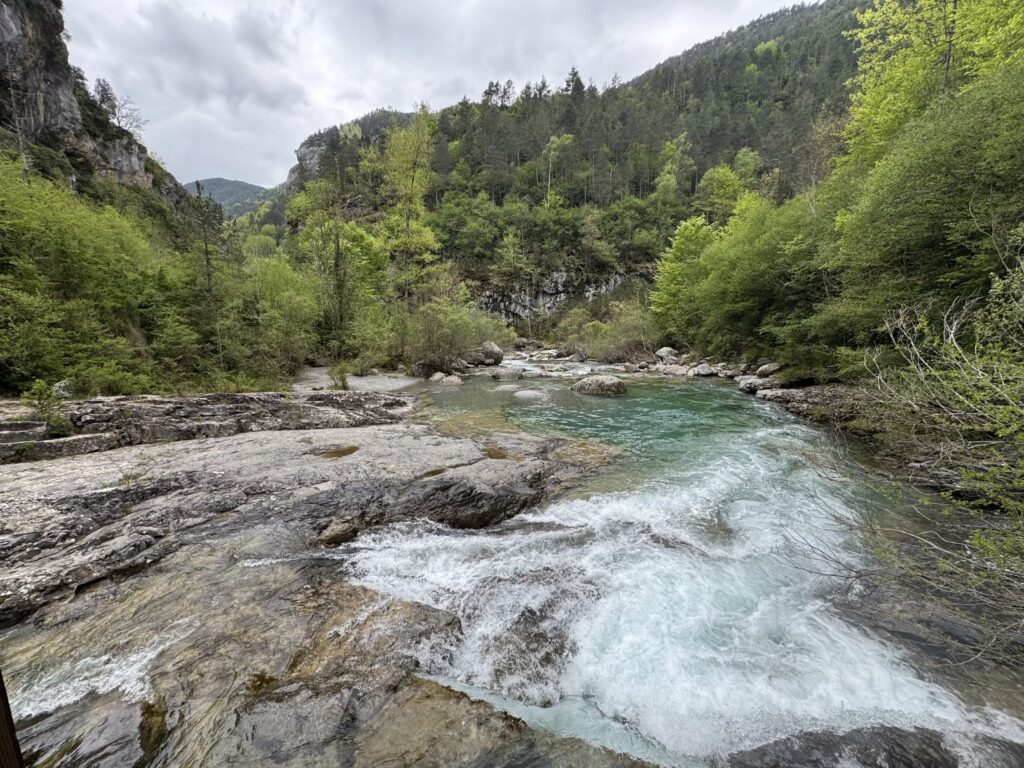
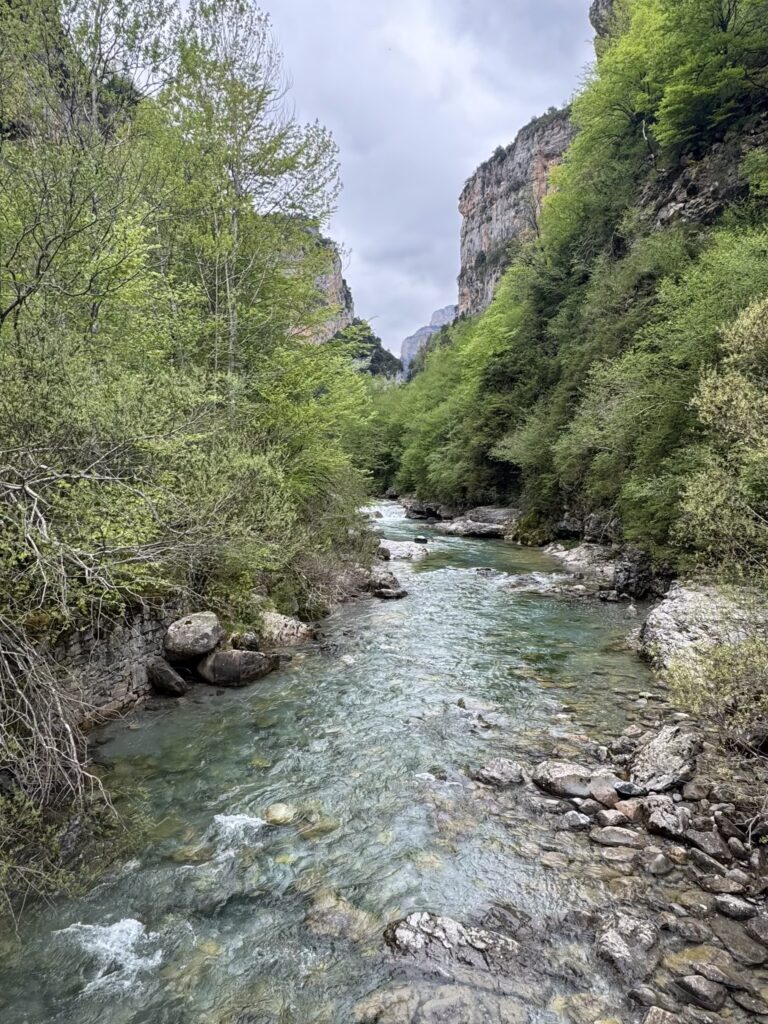
After yesterday’s big hike it was time to hop in our little Fiat 600 to explore. We headed to Valle Añisclo (Añisclo Valley) to do a loop through the canyon along the Rio Bellós (River Bellós).
You know that valley is steep and deep when cyclists and walkers are actively encouraged to avoid the area due to the high risk of landslides. It didn’t take long to spot evidence of recent falls that proved they weren’t joking!
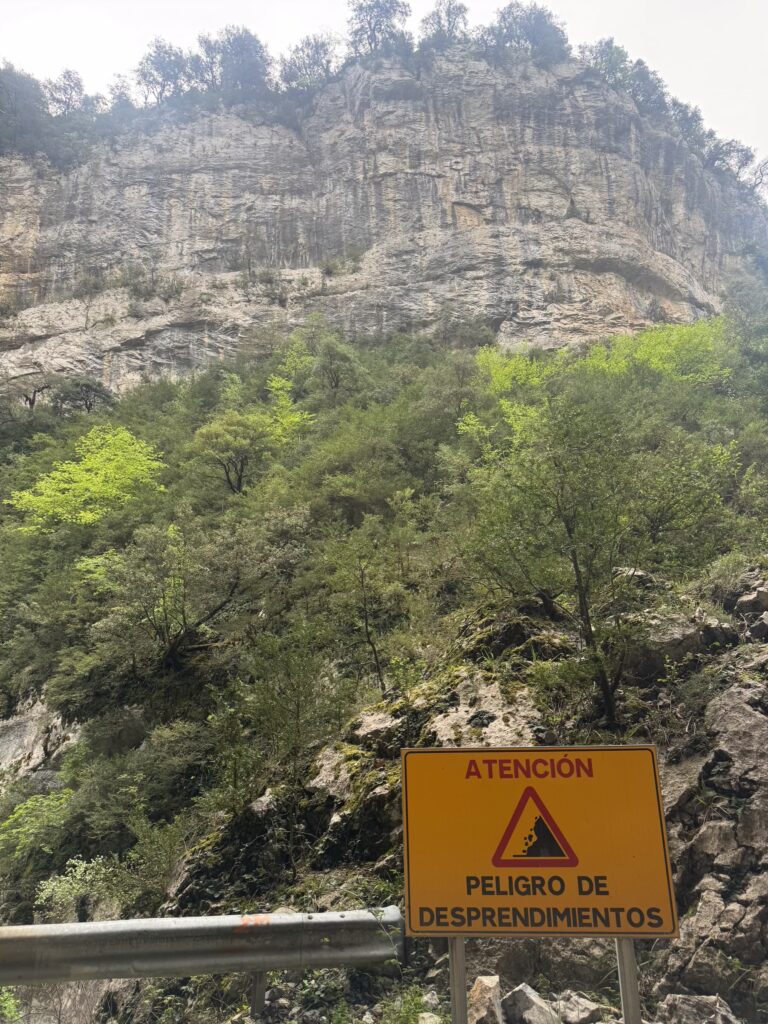
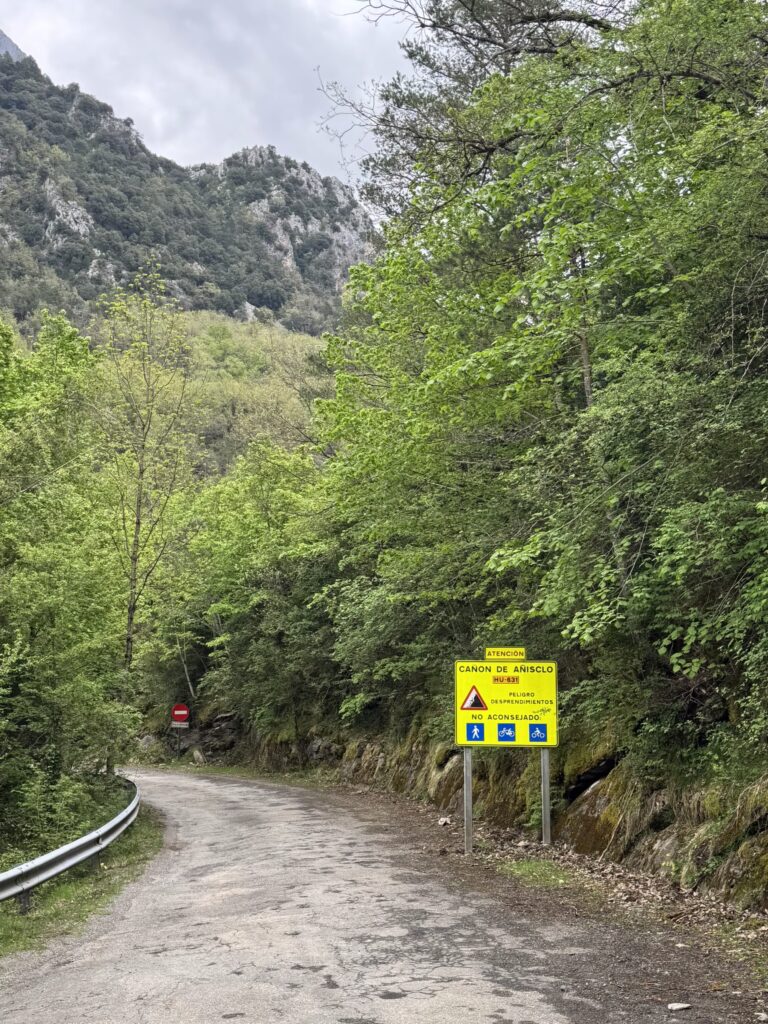
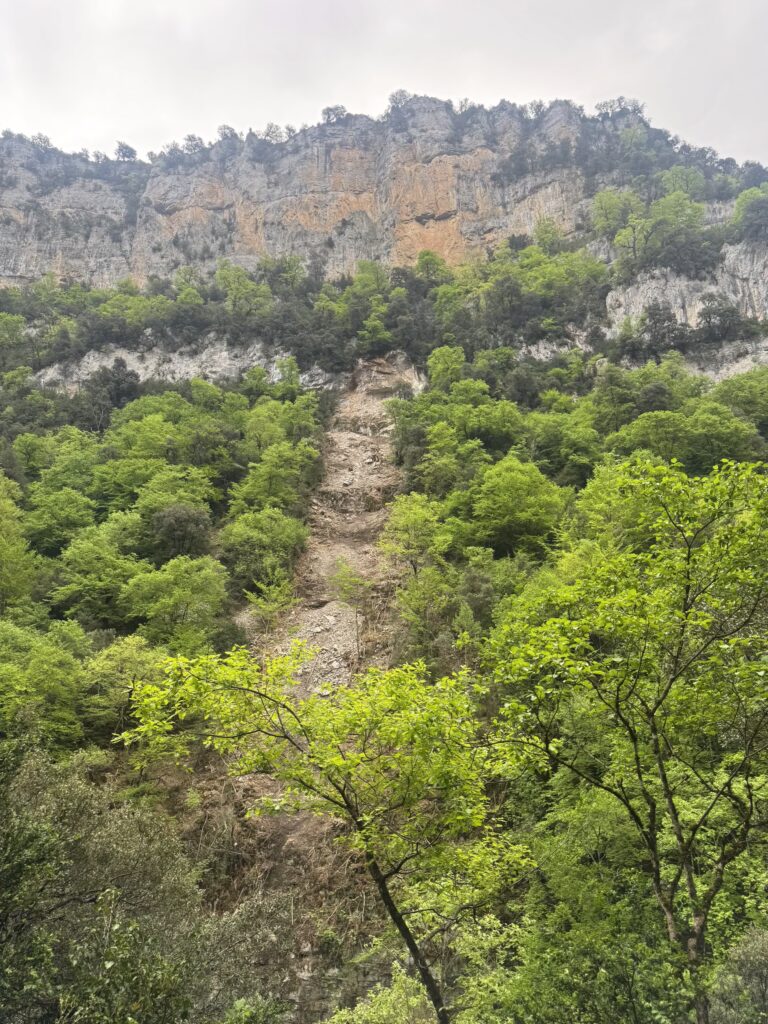
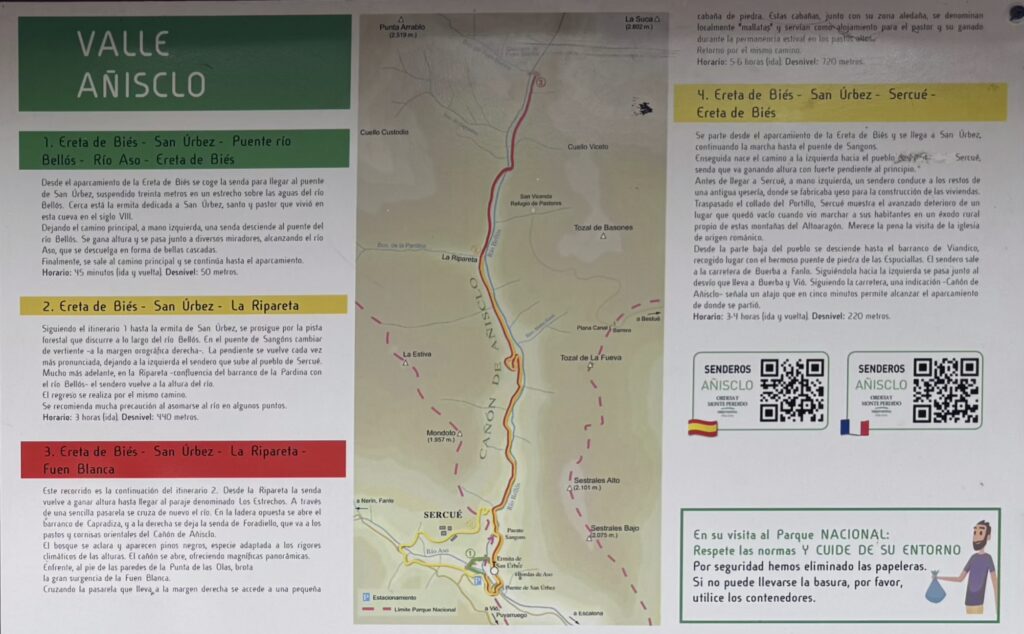
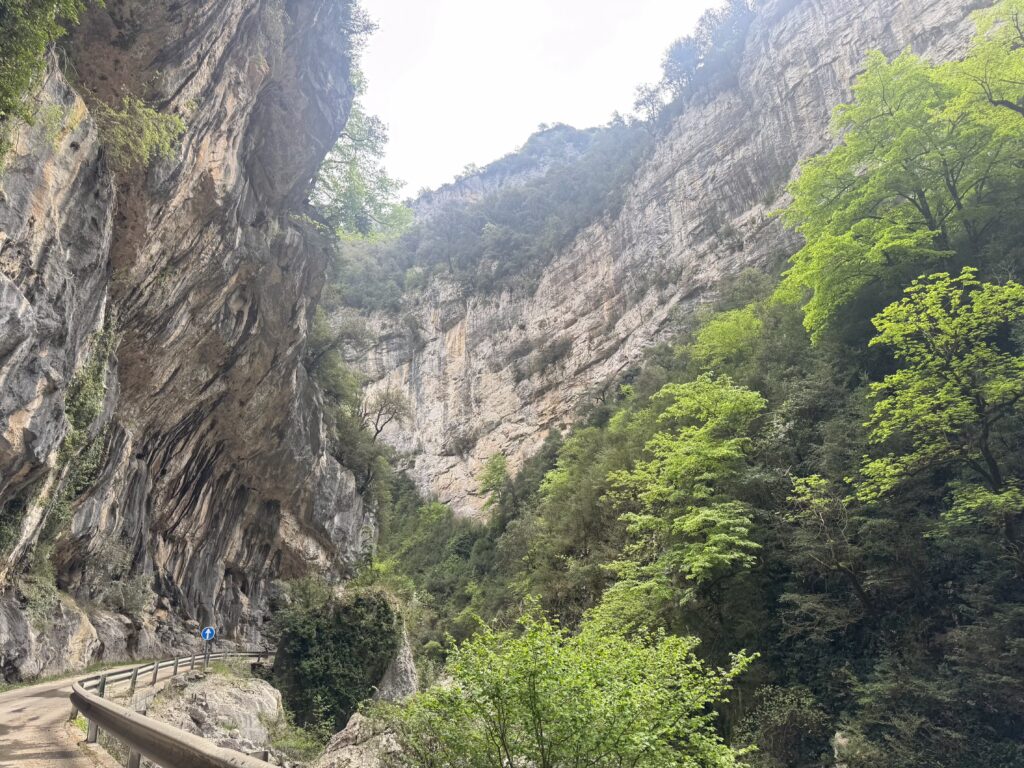
The road through the canyon is one way… thank goodness! There were plenty of spots where our little car felt like it was squeezing through, and you’re left wondering how on earth they actually managed to construct the road… and why?!?!
If you look closely in the 3rd image below you can see a tiny white car – the scale of these mountains is unbelievable.
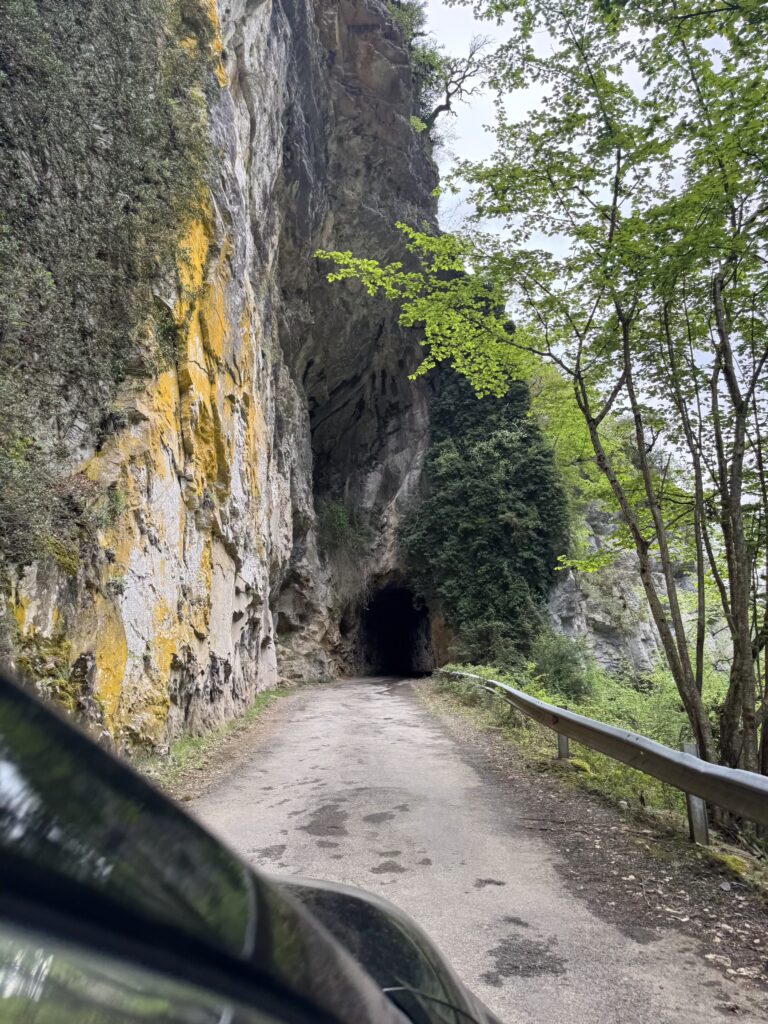
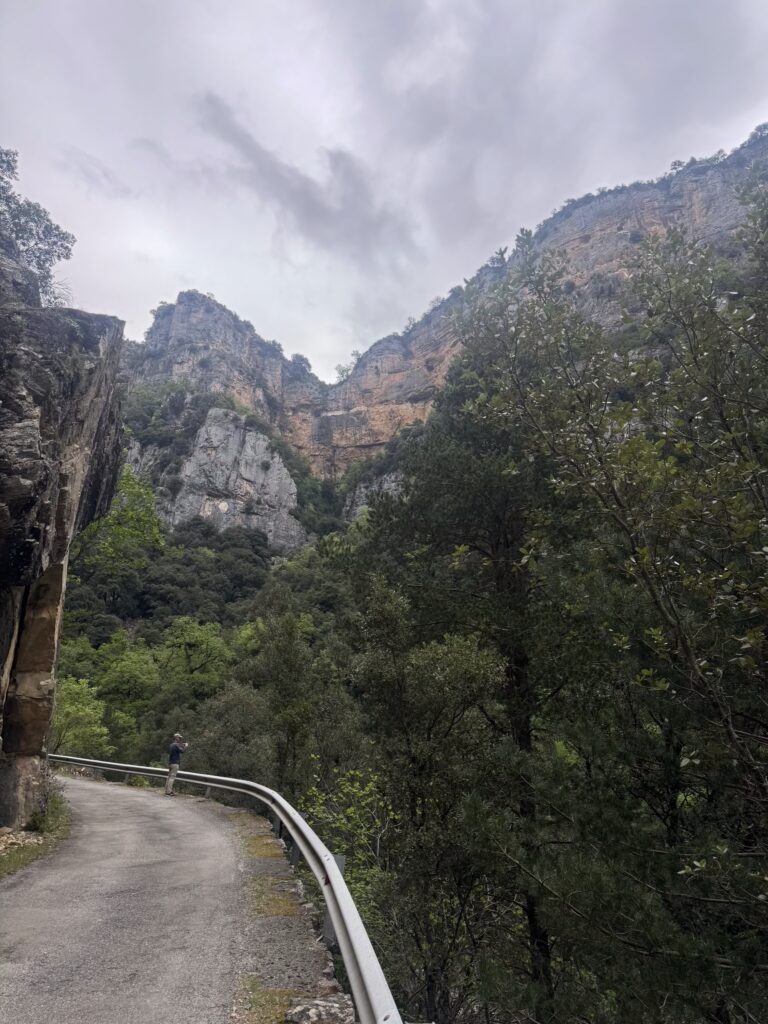
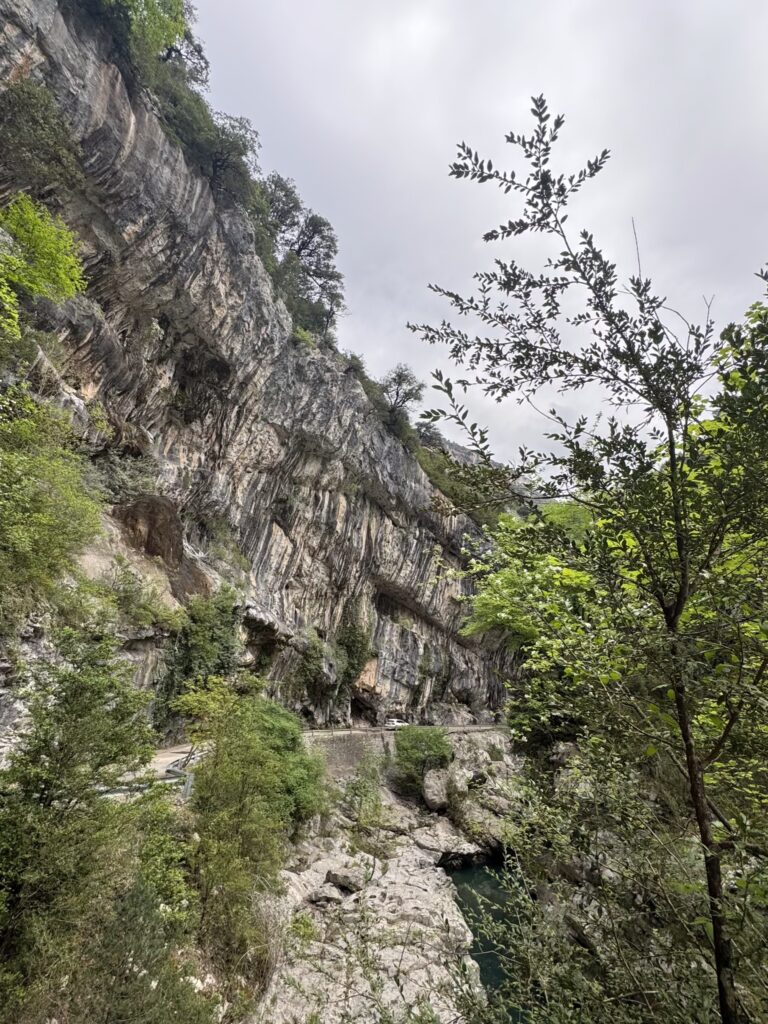
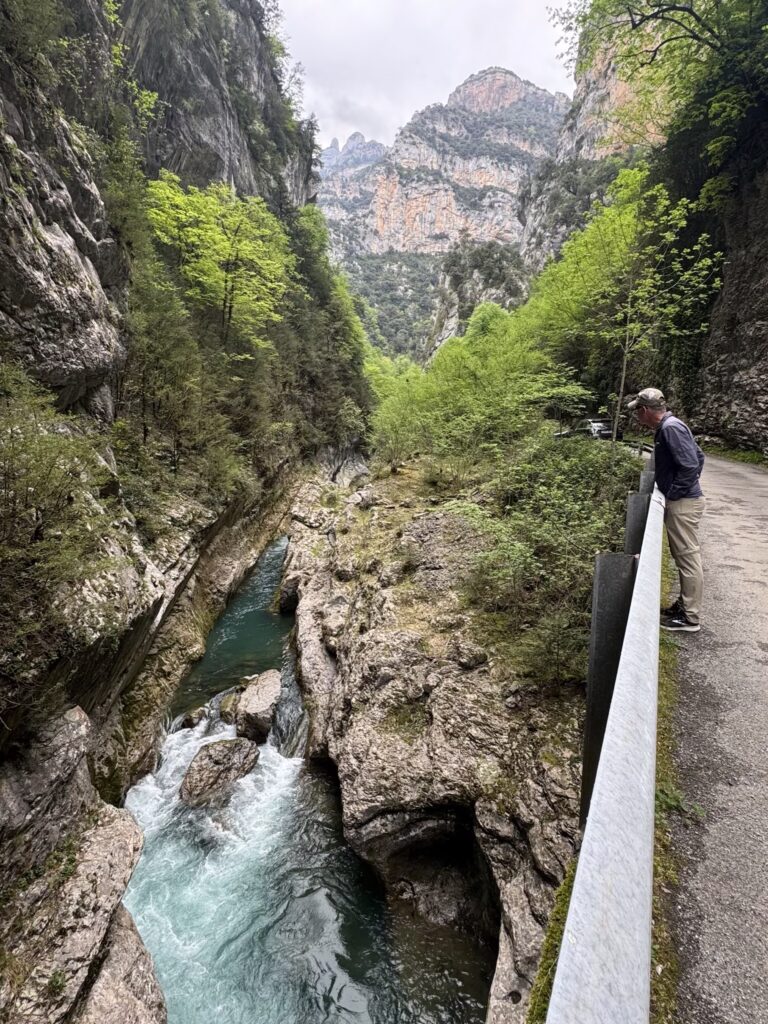
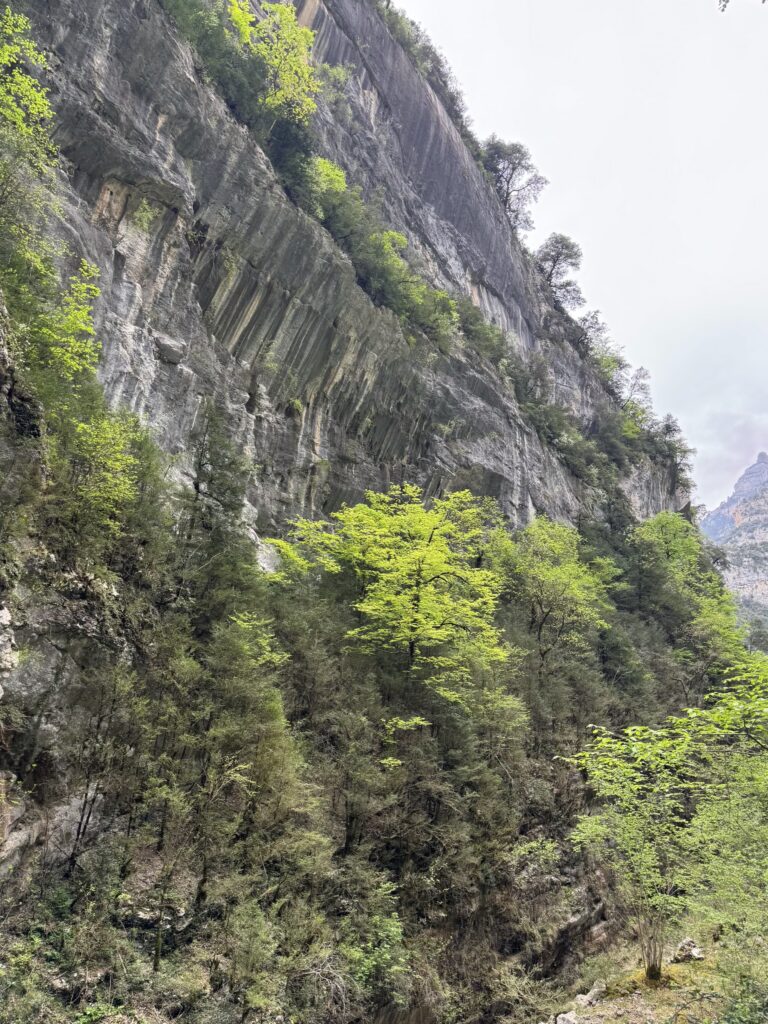
I can’t decide what fascinates and amazes me more… the strength of the rock that creates these formations, or the fact that water has managed to carve crevasses so deep into it! Somehow the beech trees have still found a way to survive and thrive, with their new growth providing a stunning contrast of new against old.
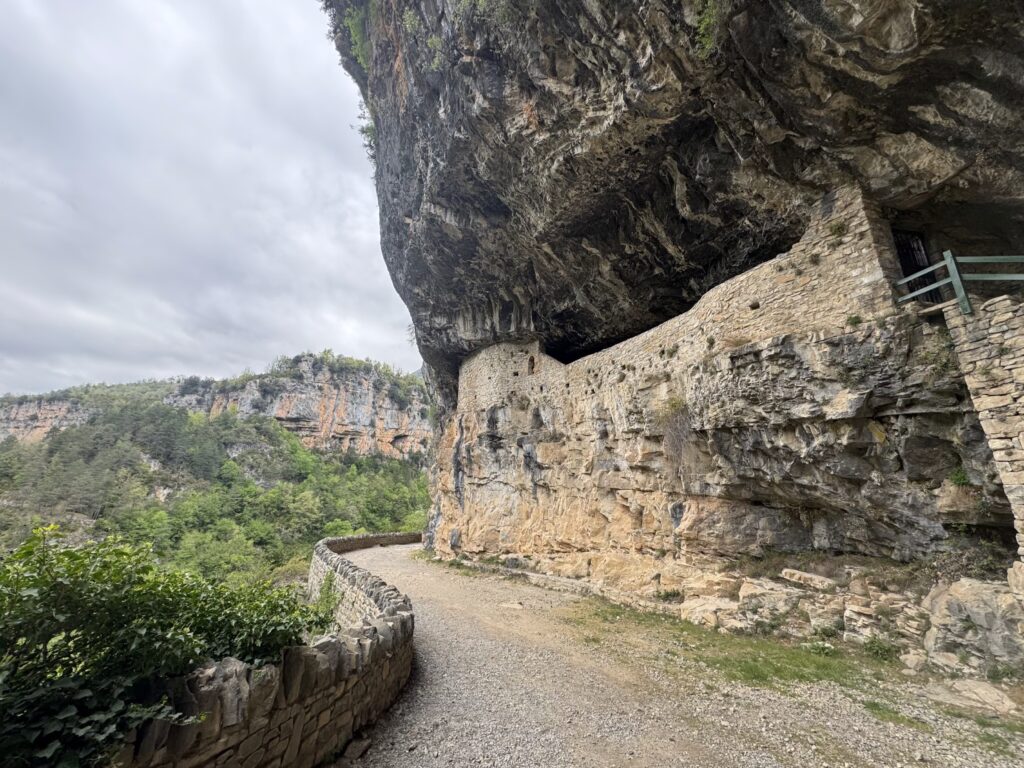
We stopped off to explore Ermita de San Úrbez, a tiny monastery built into the rock face that was established in the 12th Century. Legend has it that Saint Úrbez ‘the Saint who watches over water’ extended his staff between the two walls of the canyon to create the original passage over the water, enabling him to reach the cave where he found refuge and peace. It’s said that the damp is the result of the Saint weeping his sorrows.
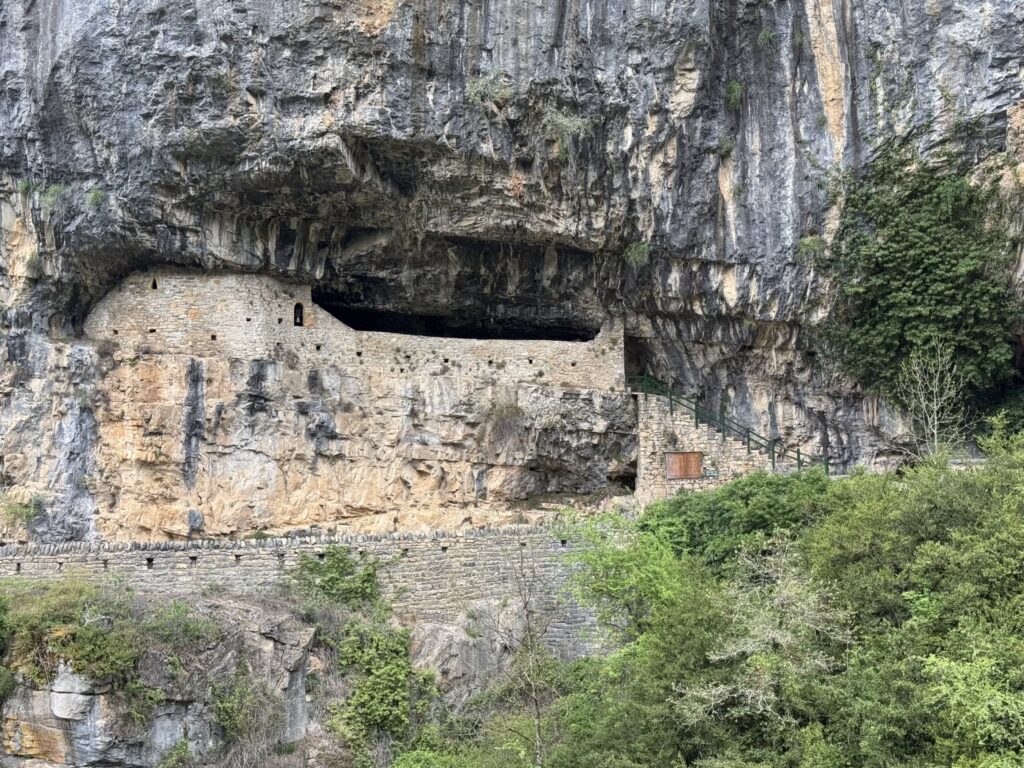
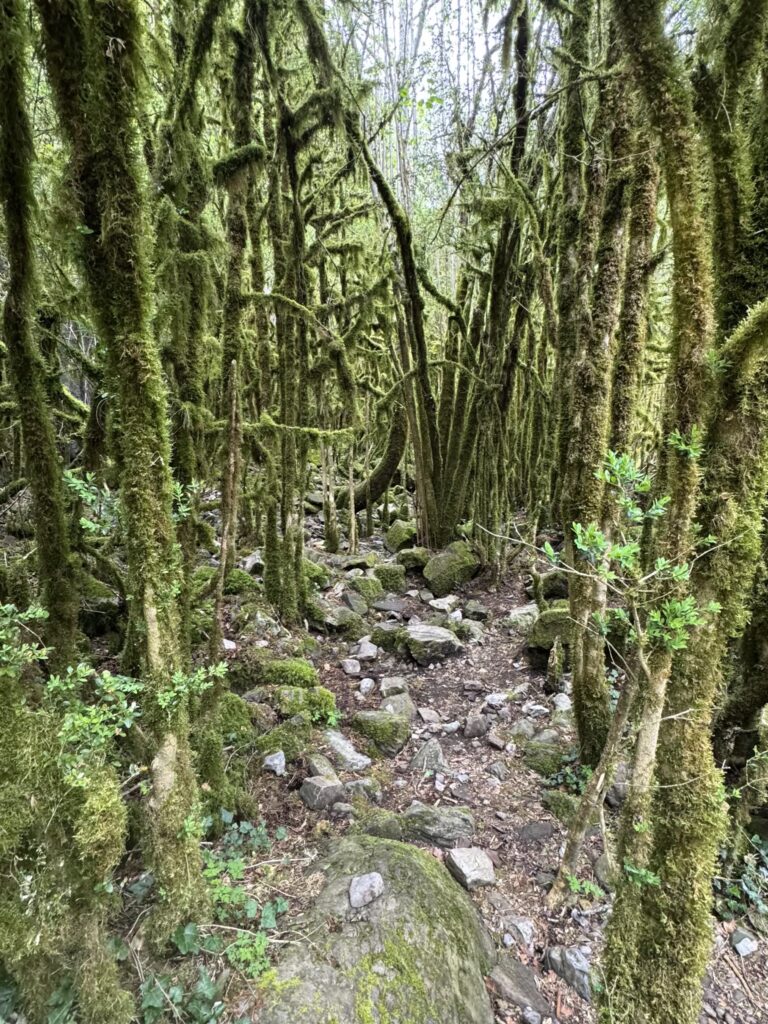
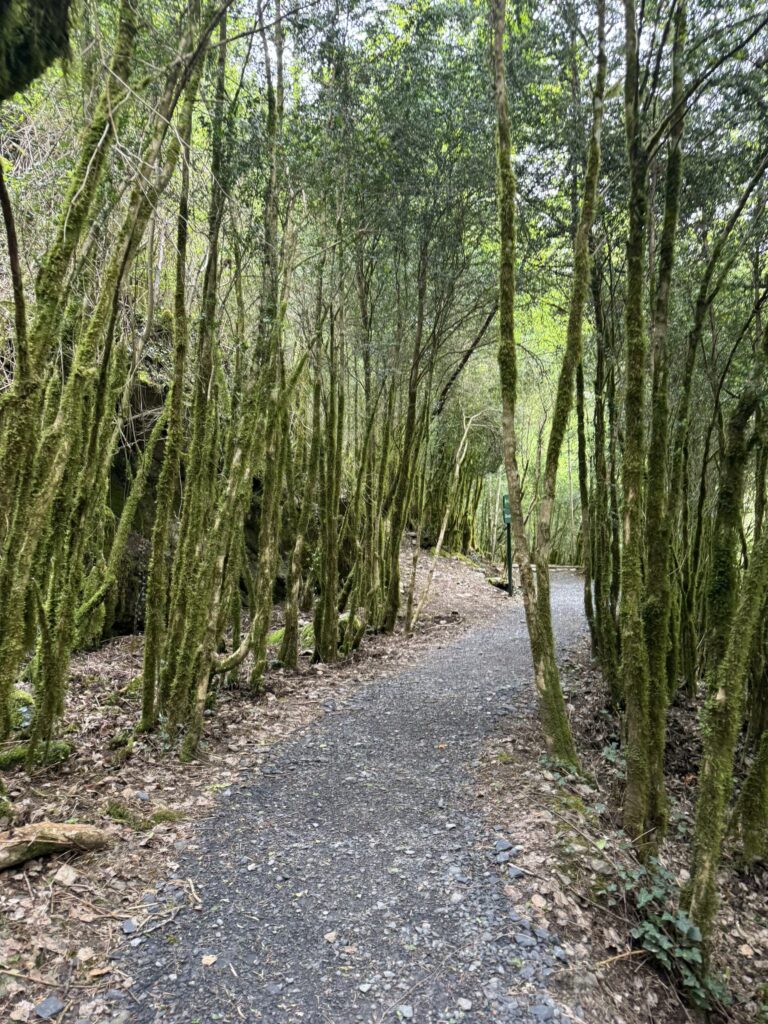
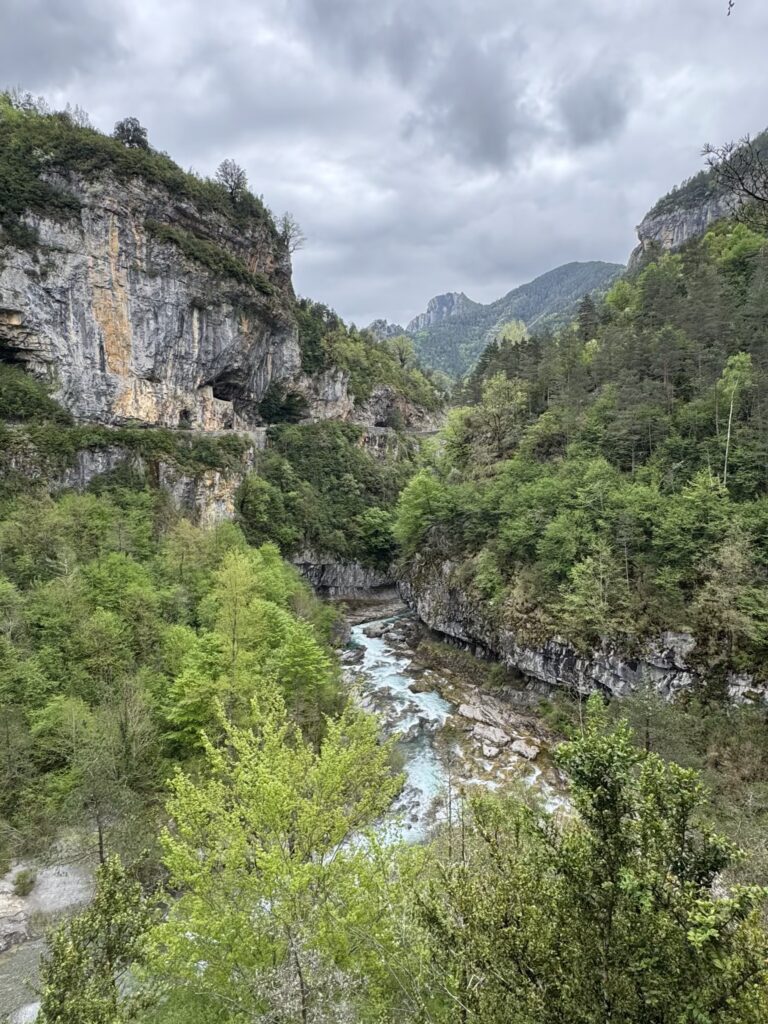
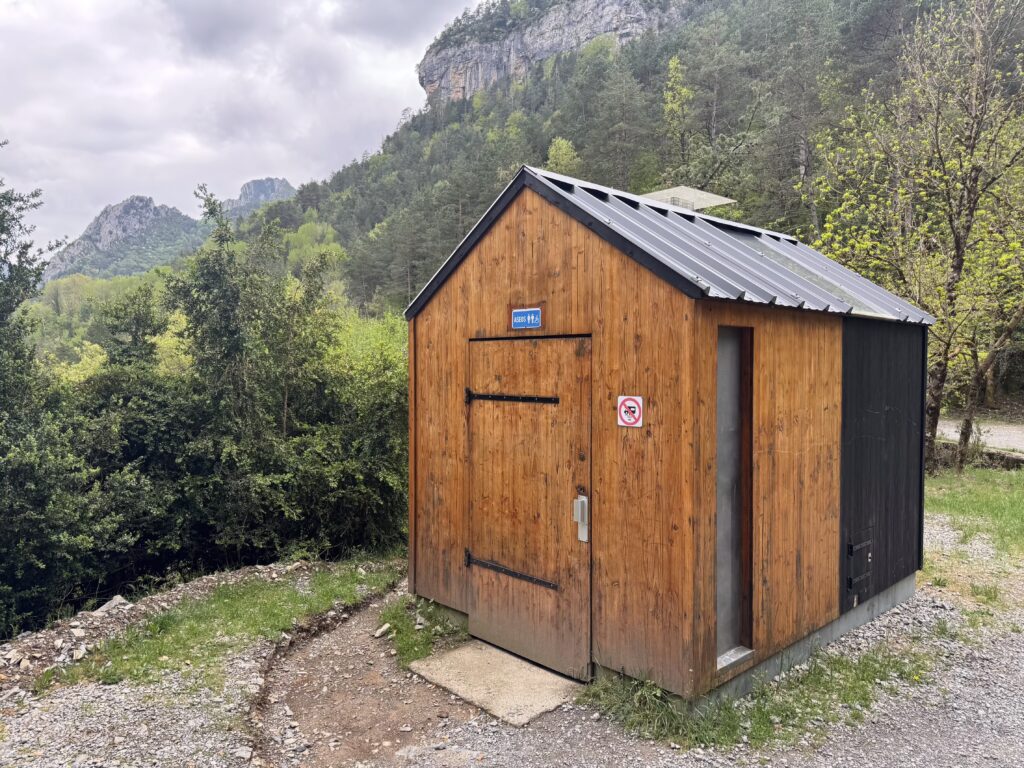
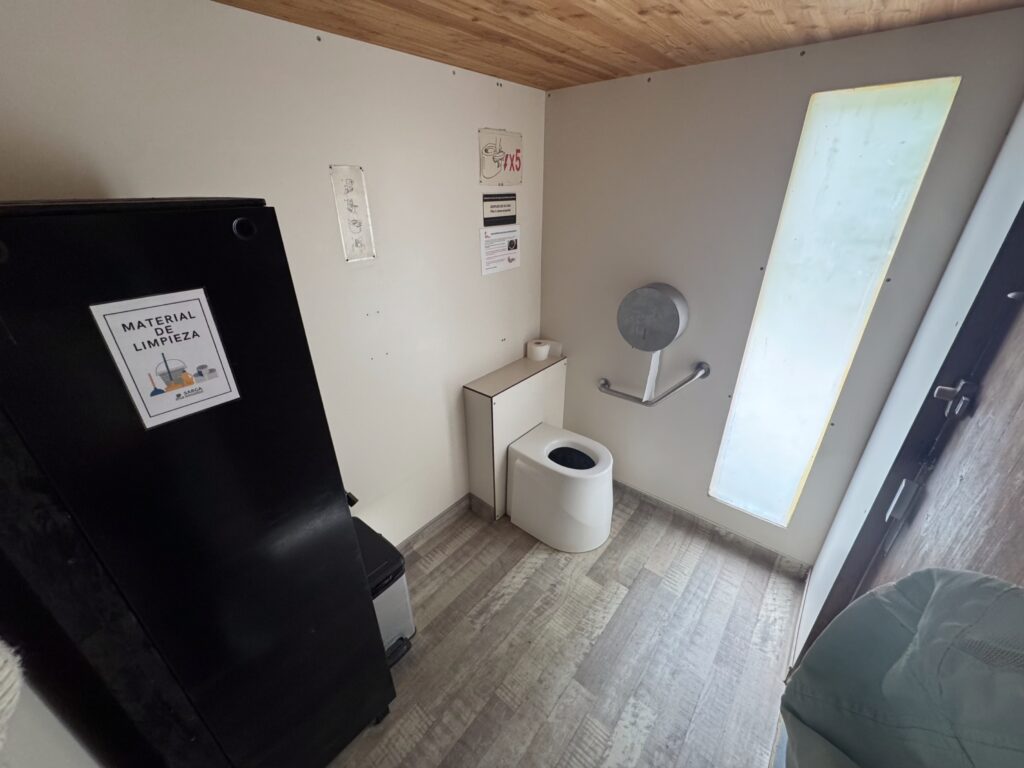
So I know this is a weird thing to capture… Along the Ermita de San Úrbez circuit was possibly the most well-maintained toilet block. Aside from being and unexpected find in the middle of a canyon it was complete luxury in comparison to our Aussie composting toilets. What had to happen for them to choose to put this here? It felt completely at odds with the level of respect for the natural environment that we’ve seen throughout the National Parks in the region.
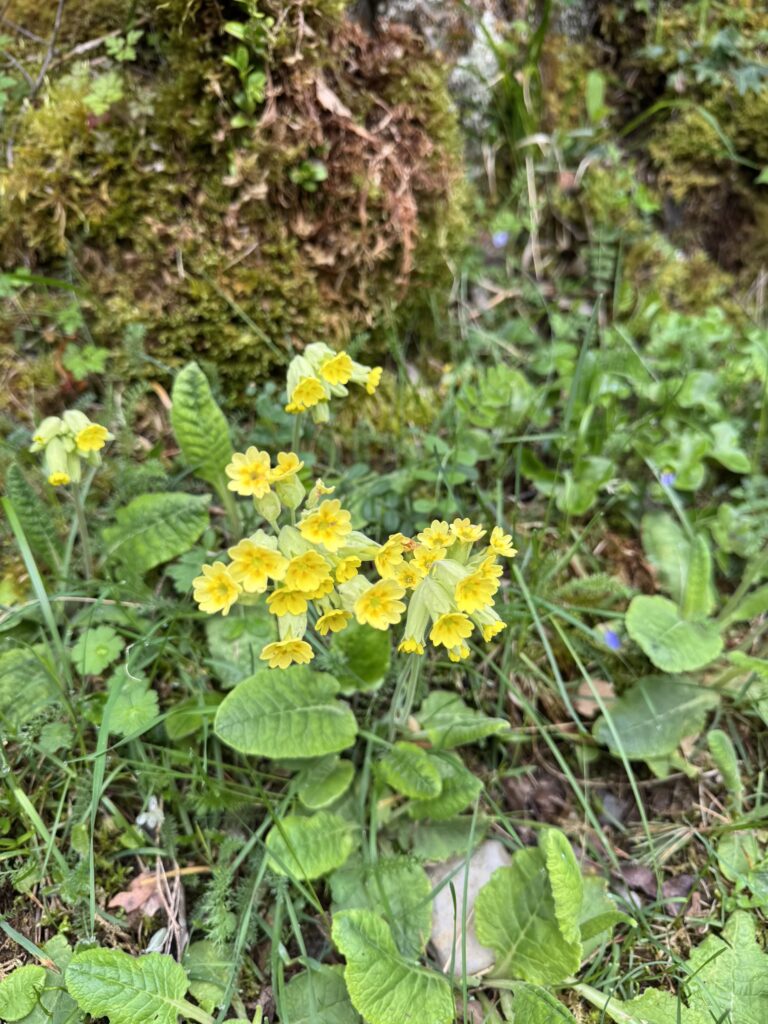
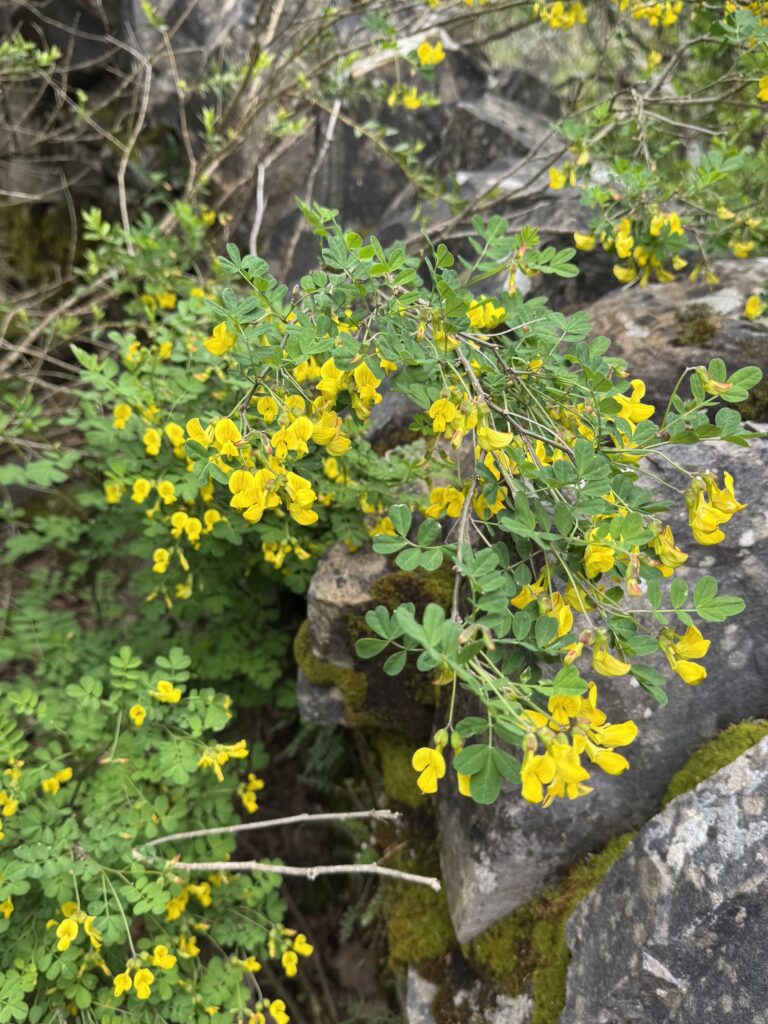
Like yesterday, the splashes of colour from Spring flowers dotted the landscape. Spring really brings out the best in any landscape.
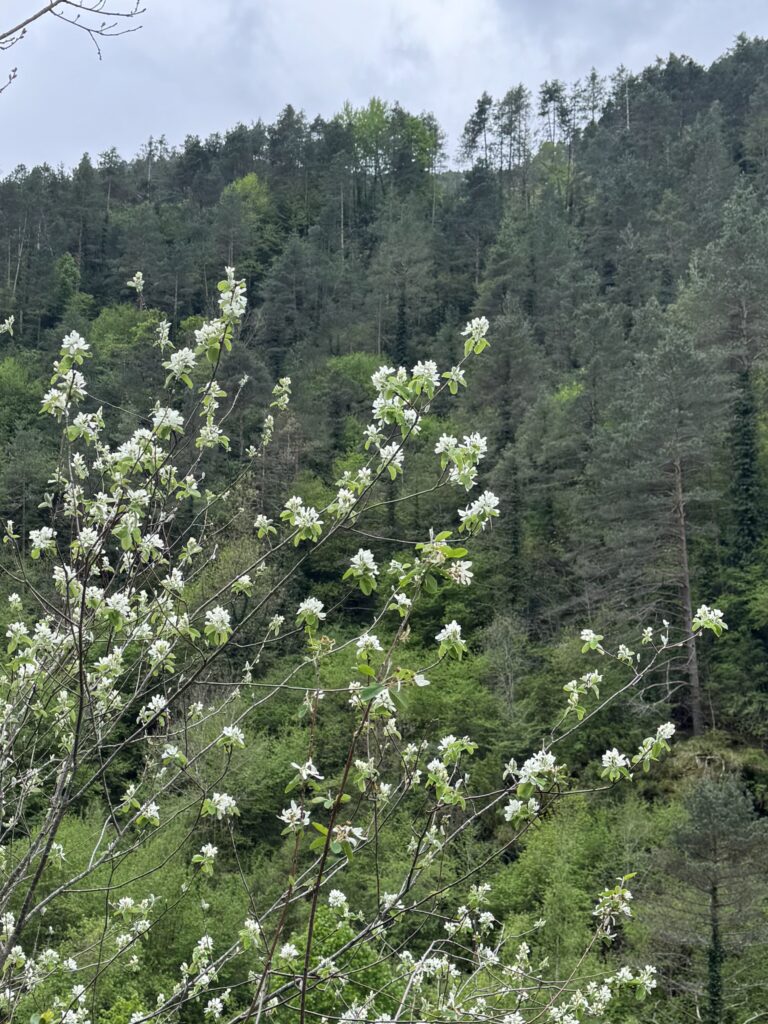
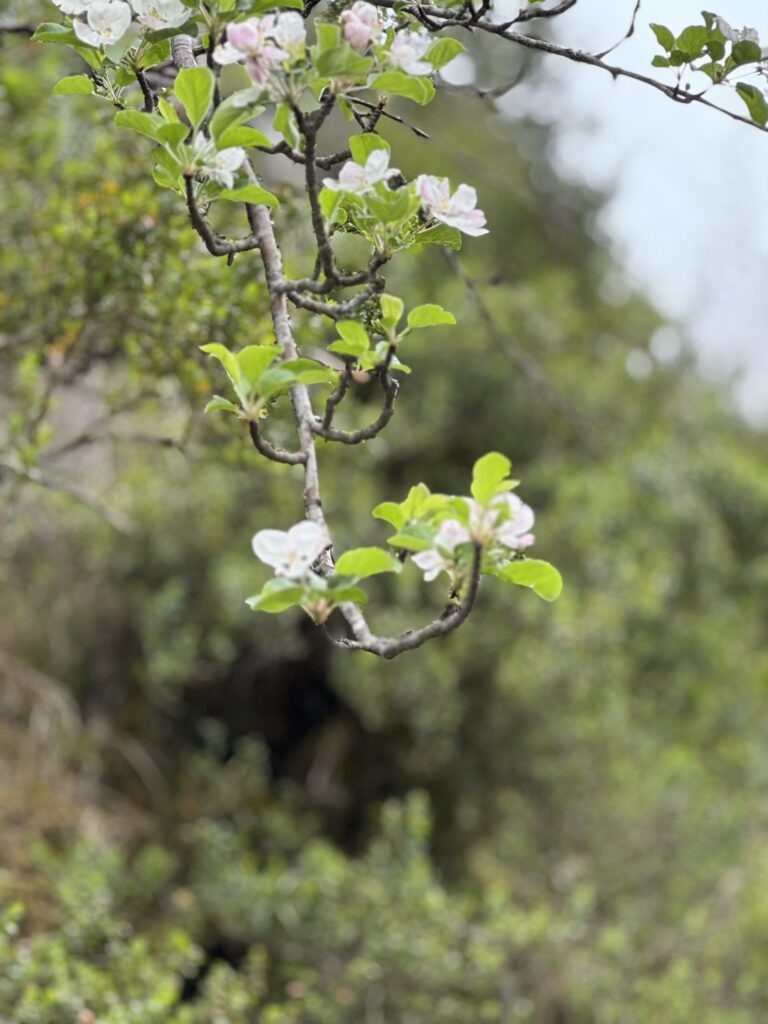
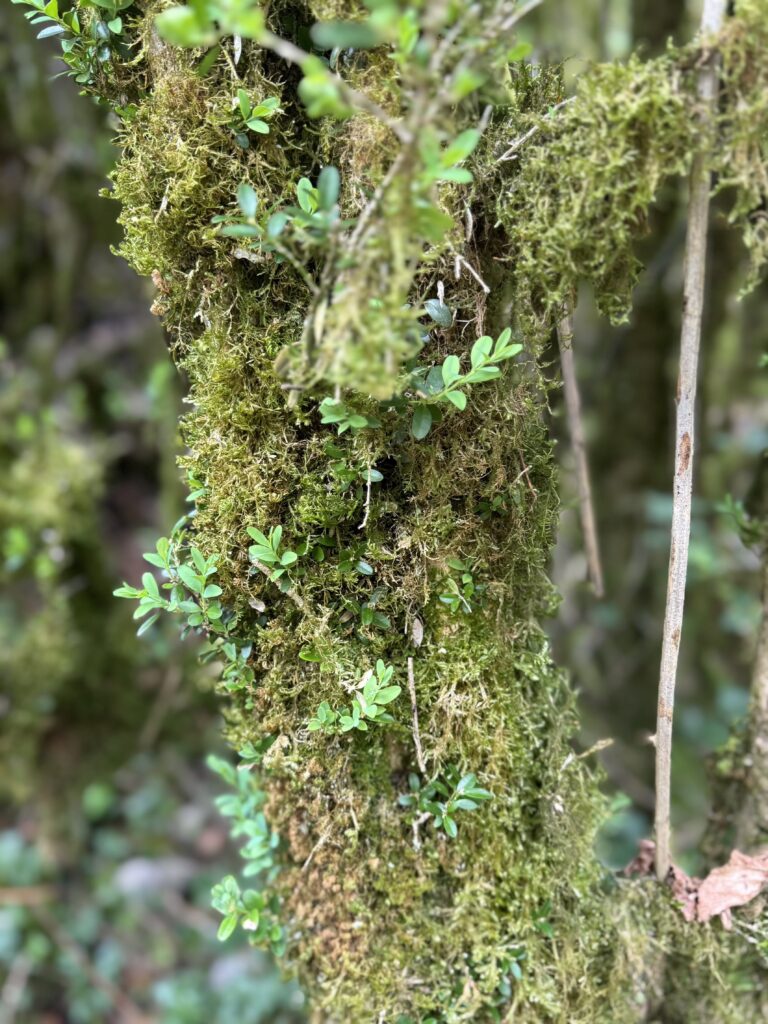
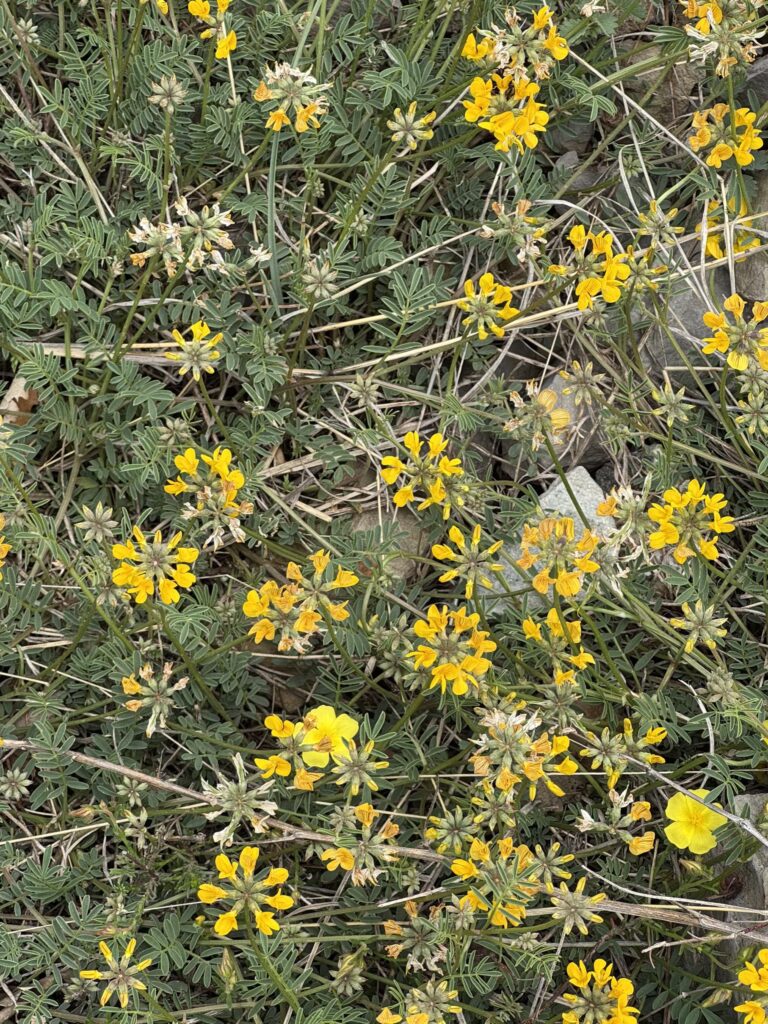
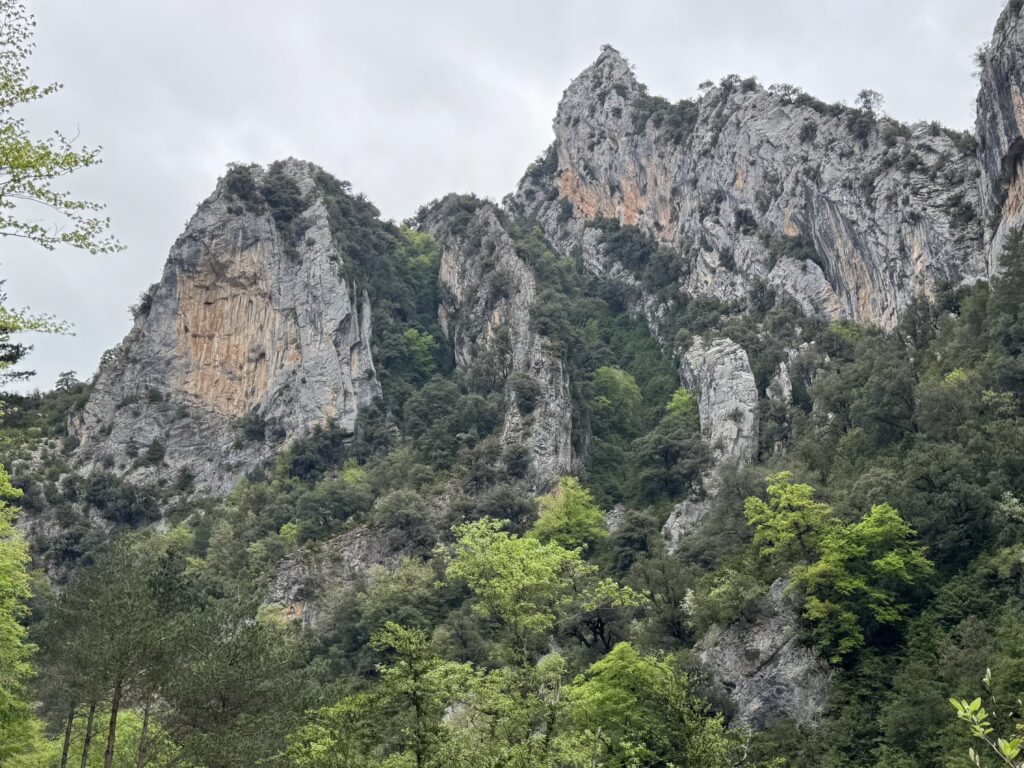
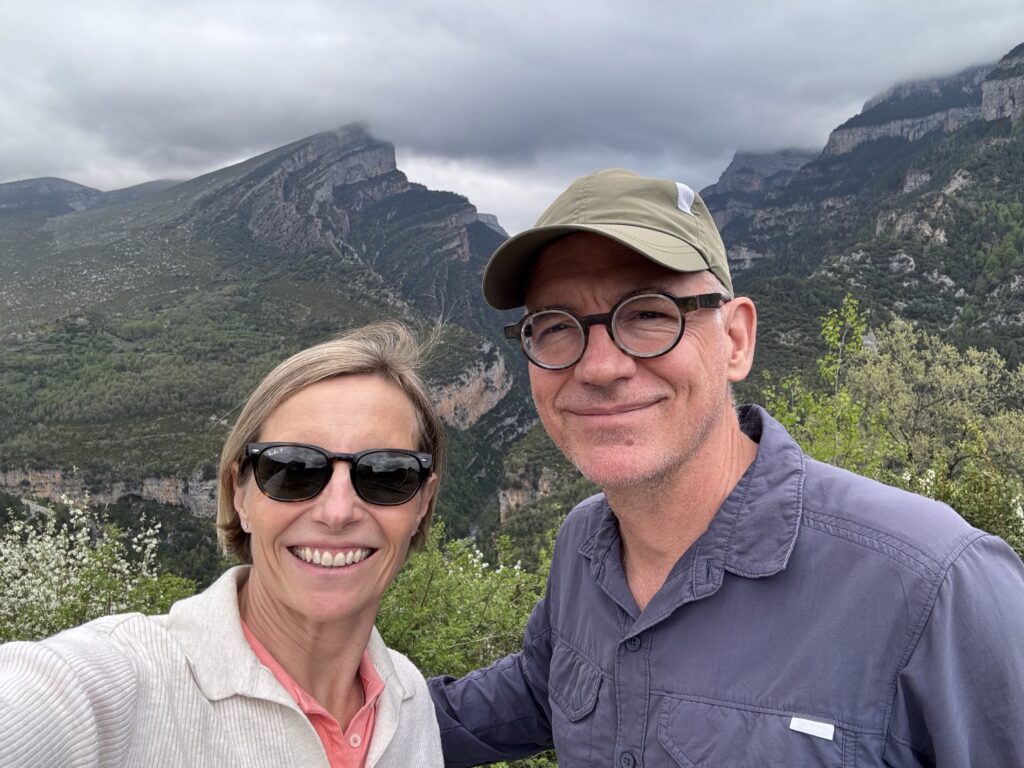
The loop eventually climbed out of the canyon to make ways for views from above. It gives another perspective on the sheer faces that are such a striking feature of the area. It’s no surprise that it’s known as the Spanish Grand Canyon.
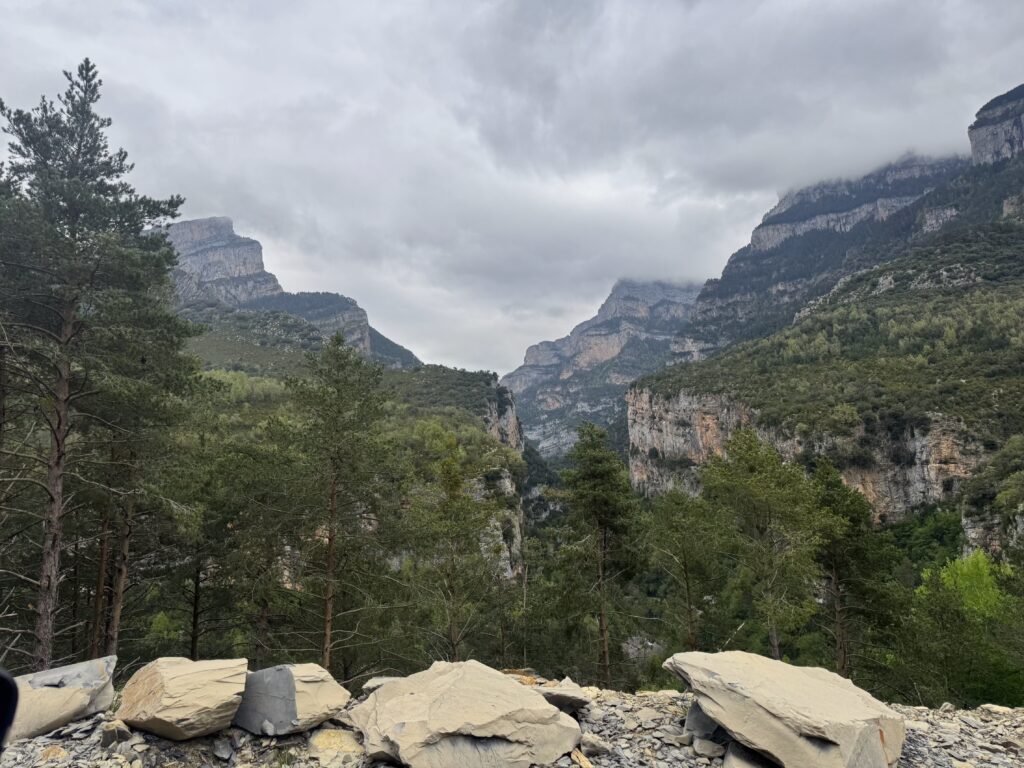
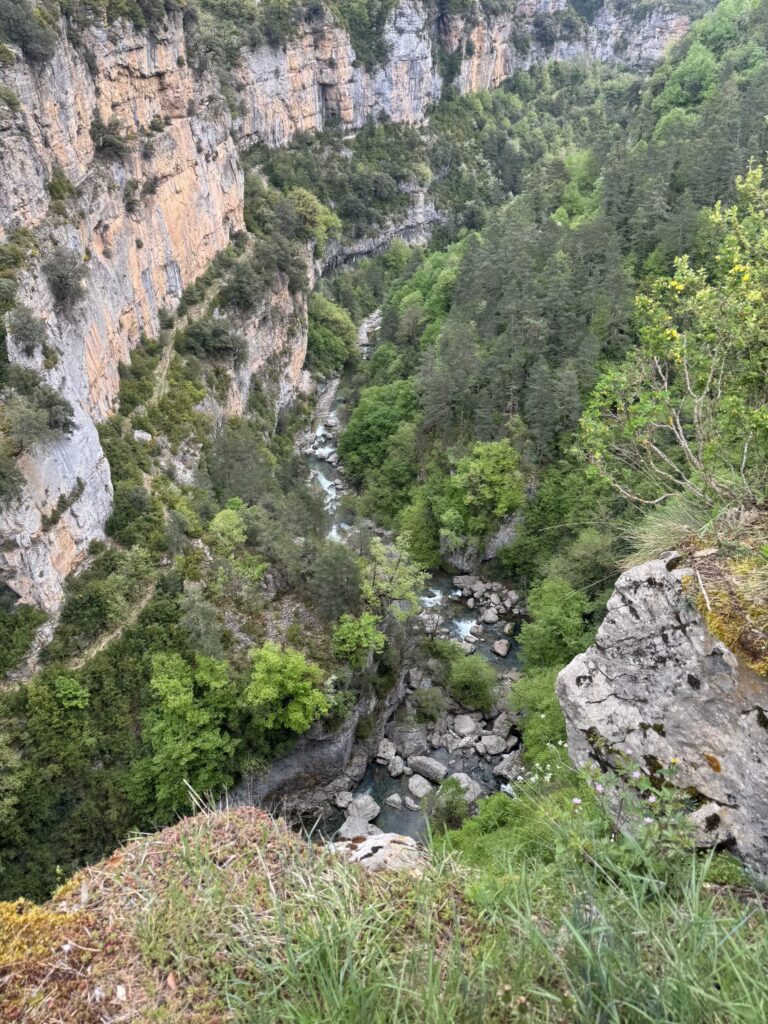
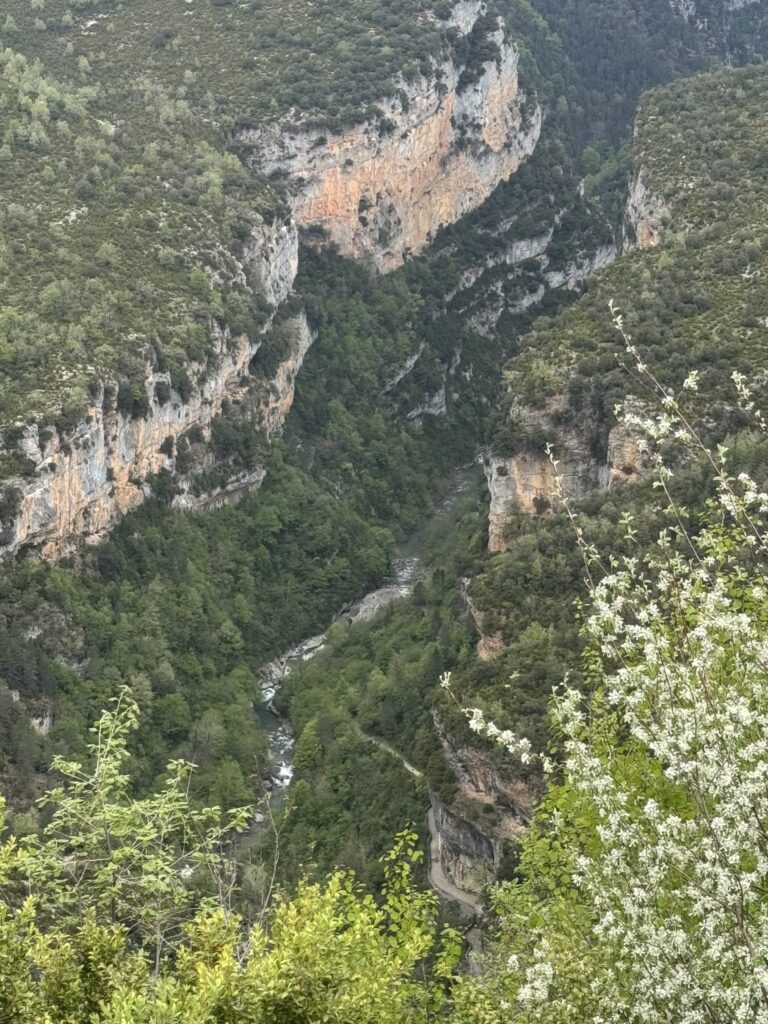
The other side of the mountains brings new formations and a new climate. More gentle slopes are covered with dark forests. This area has to be a geologists dream!
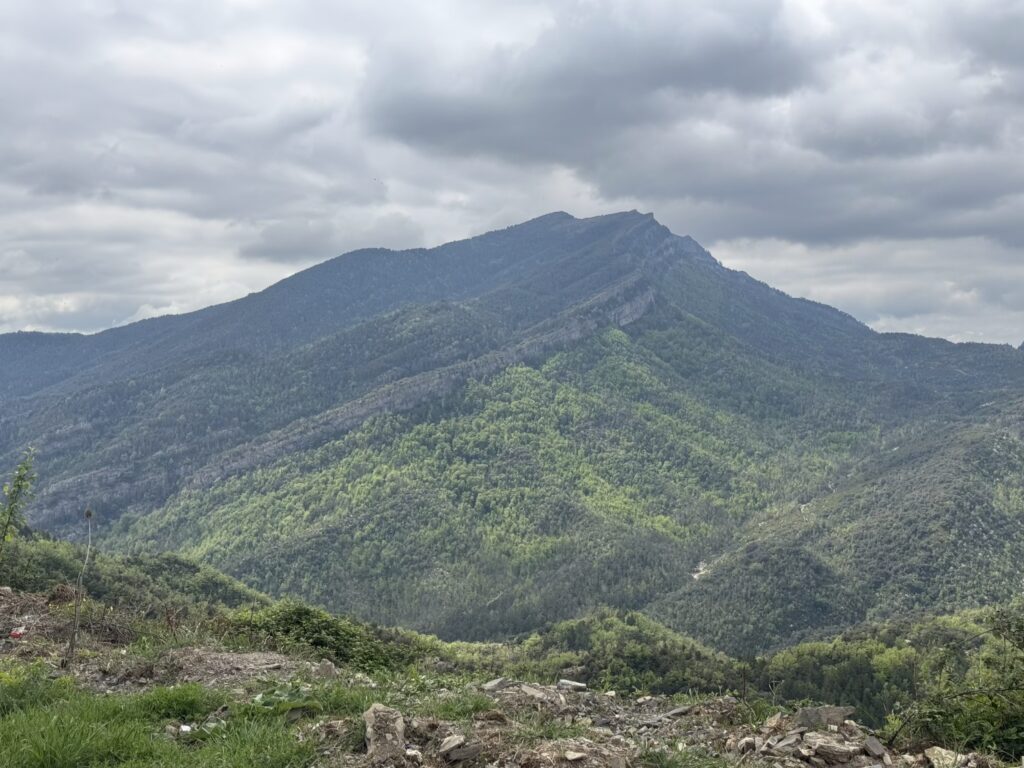
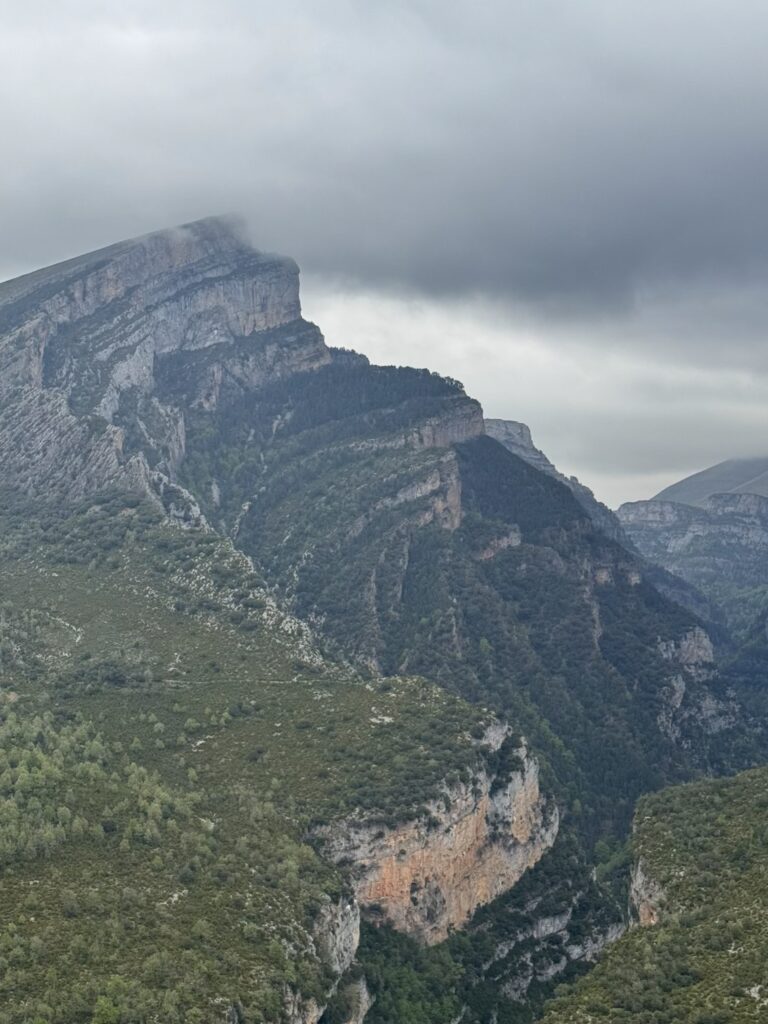
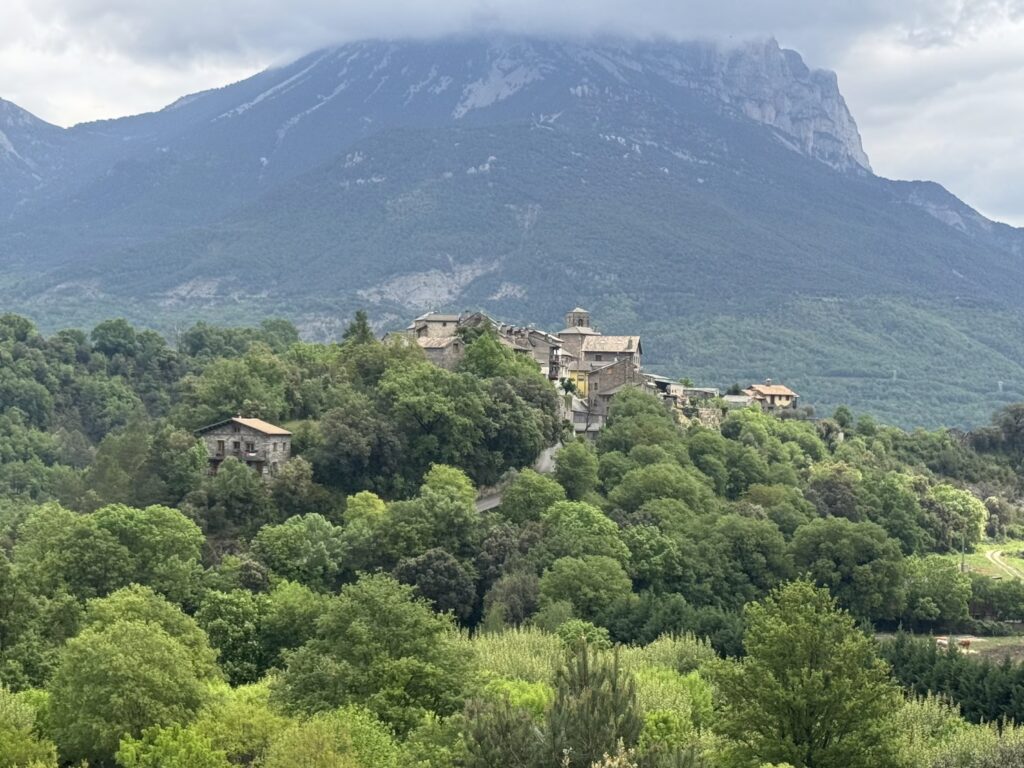
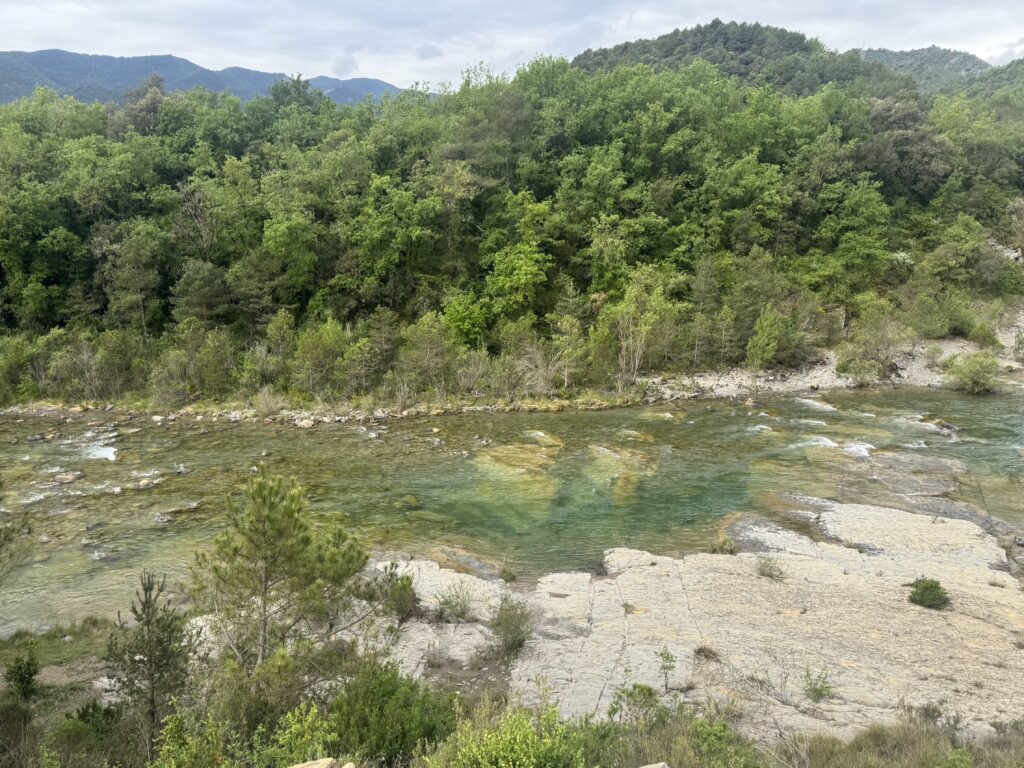
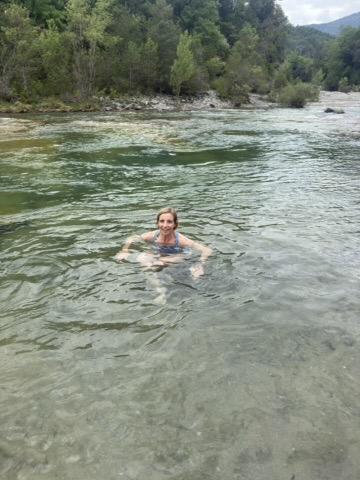
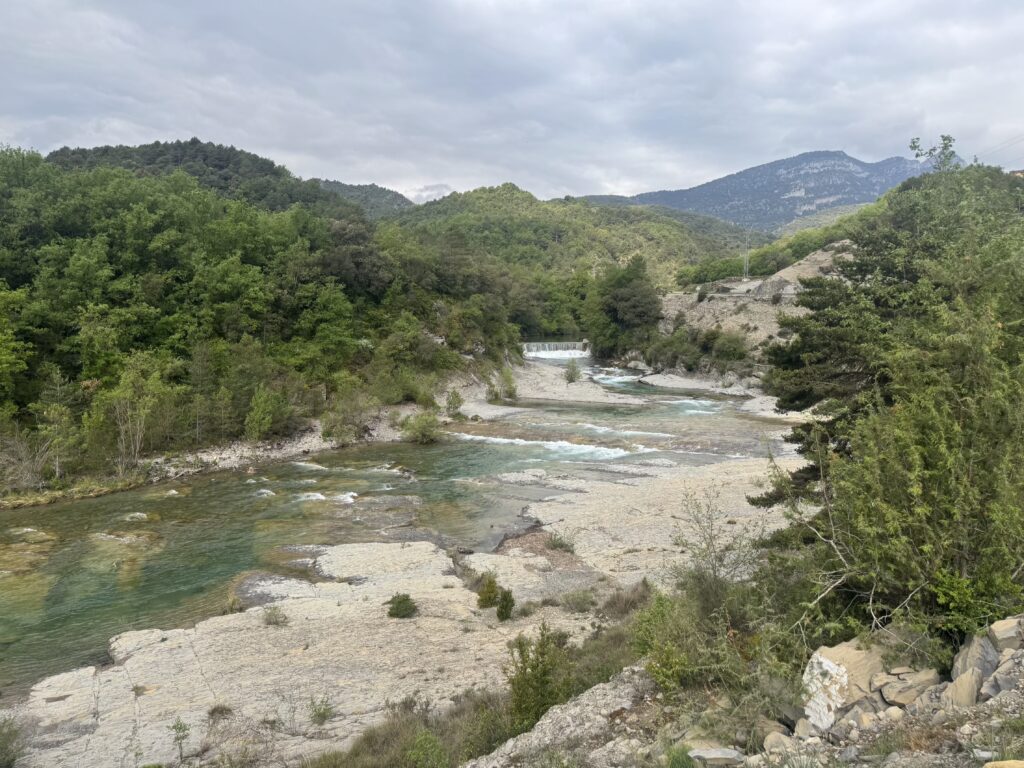
We finished the day in Puyarruego, a tiny village of 21 inhabitants, perched on top of a hill and surrounded by the rivers Yesa and Bellós that descend straight from Monte Perdido. The promise of ‘crystal clear pools carved out of the rock’ was technically correct… they just failed to mention how icy the water was! I reckon two, 60 second dips technically count as a swim 🙂
It’s been a great couple of days exploring the mountains, valley and canyons of the Pyrenees… an opportunity to unplug and connect with our amazing, diverse, rugged planet. We need to do this more often!!!
Love M & A x
Comments are closed