We love a good road trip, and after a few days in the city it’s great to get out into the countryside to enjoy the fresh air and more simple life. Our stop in Ainsa gives us a base to explore the Spanish Pyrenees for a couple of days.
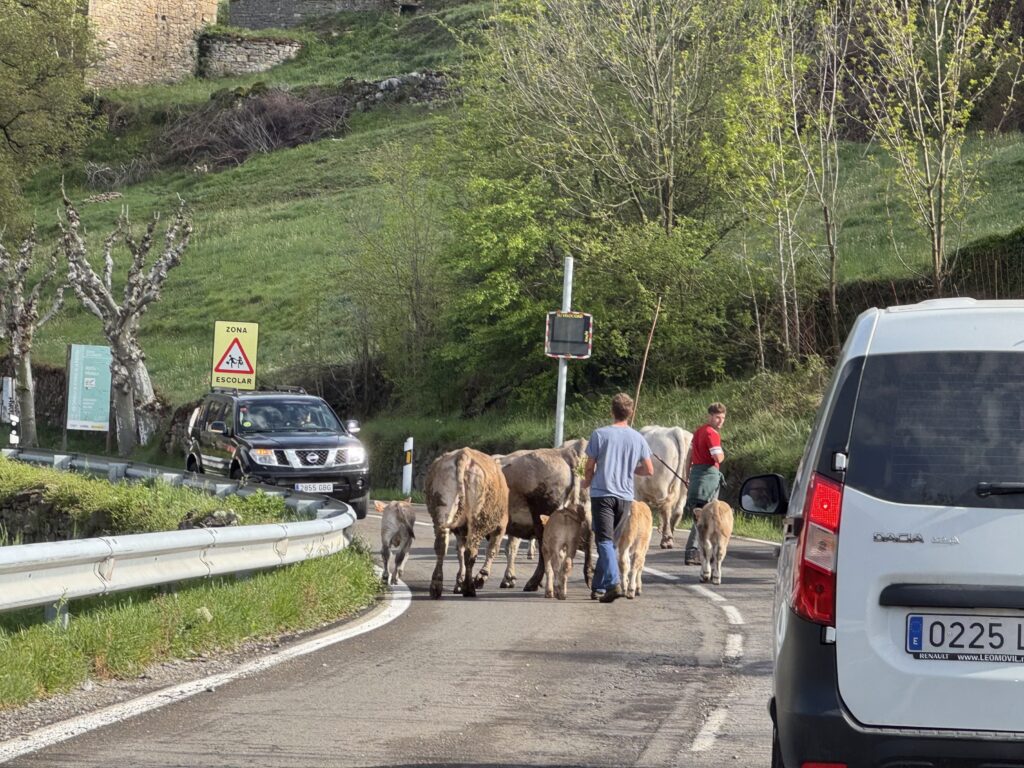
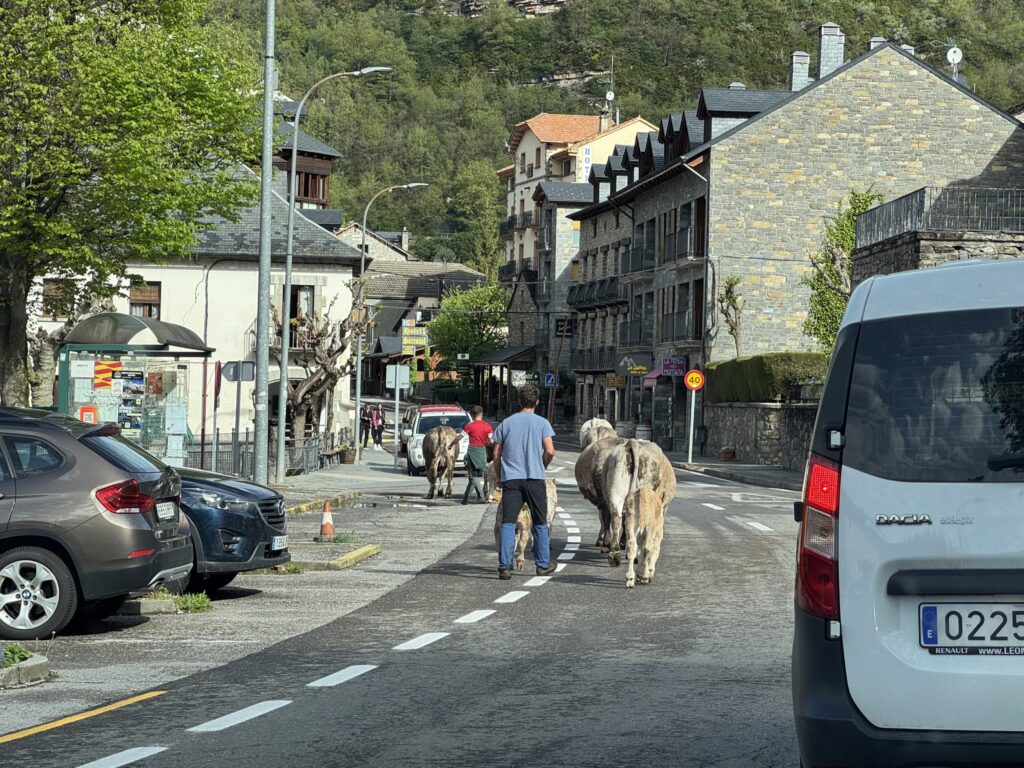
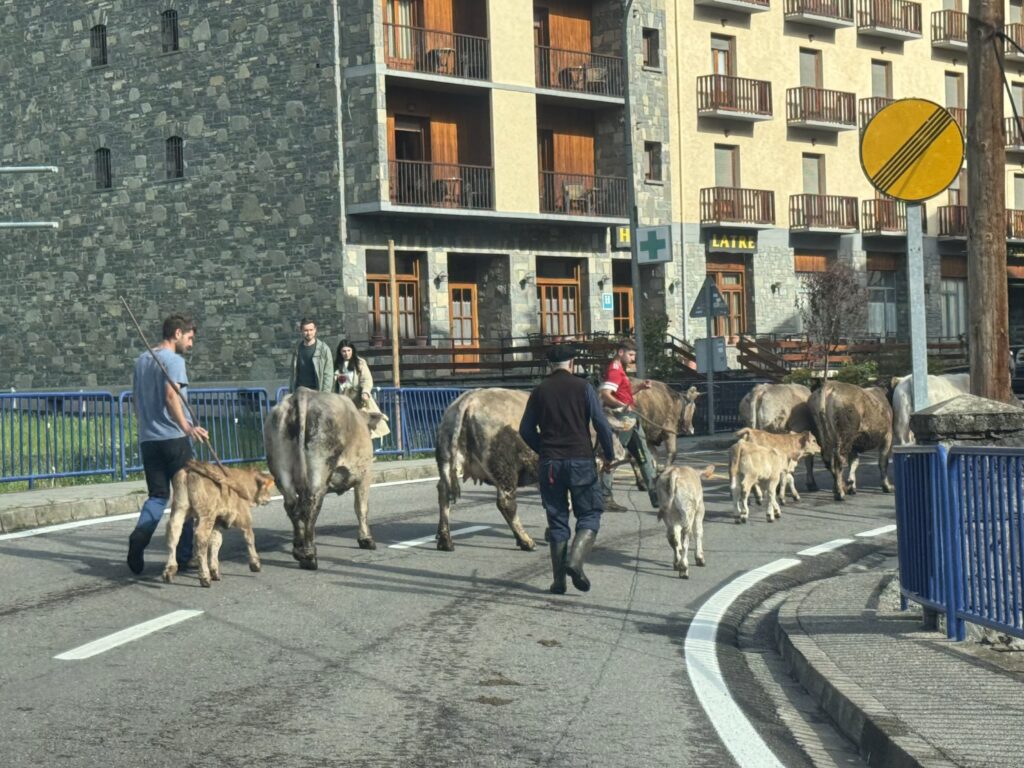
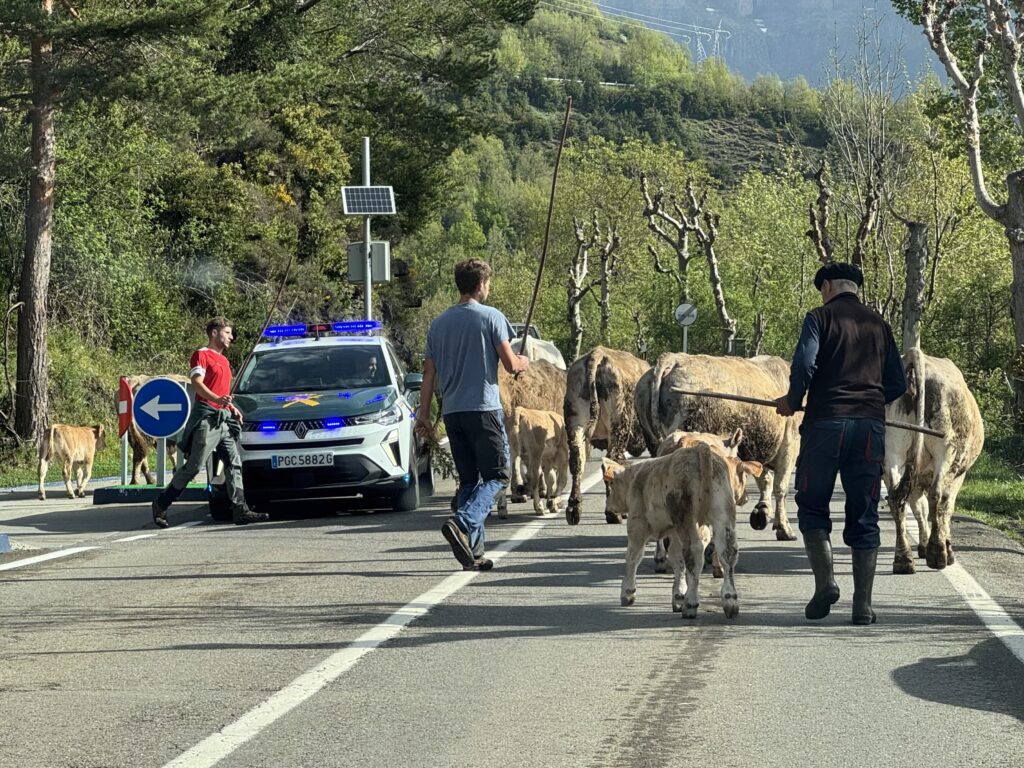
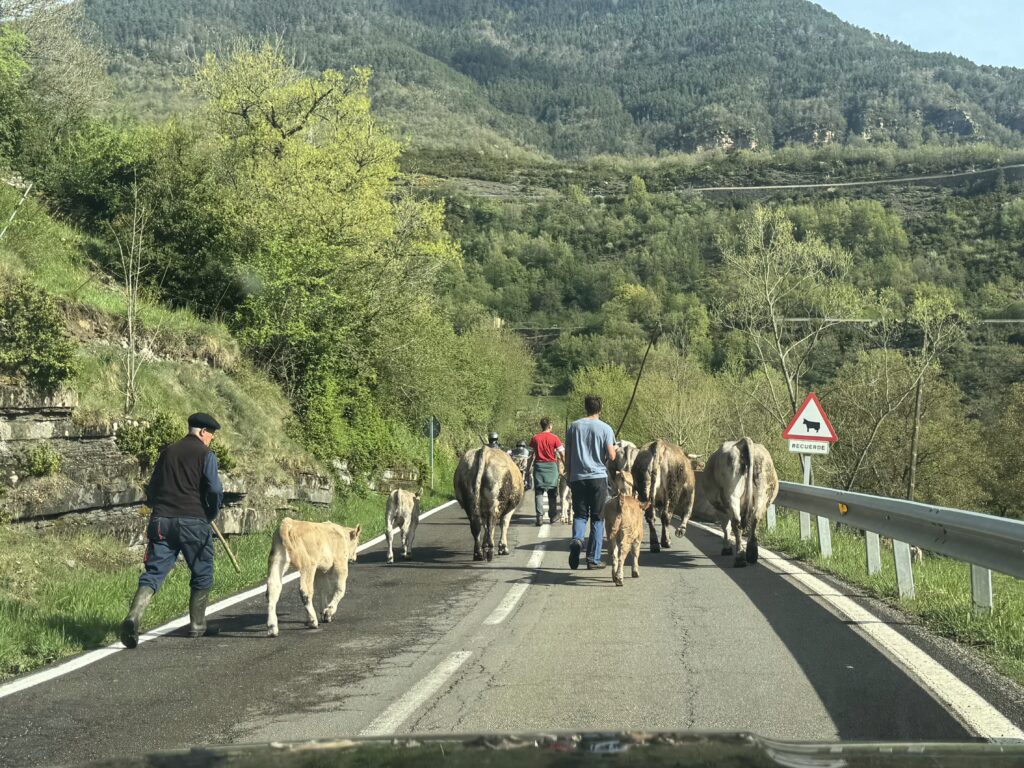
You know you’re in the country when… you follow a rabble of wayward bulls, cows and calfs for a kilometre through town. It’s clearly an every day occurrence in Broto – no hurry and no real commitment to keeping them out of shops and cars. Even the police didn’t flinch when they came over to say hola!
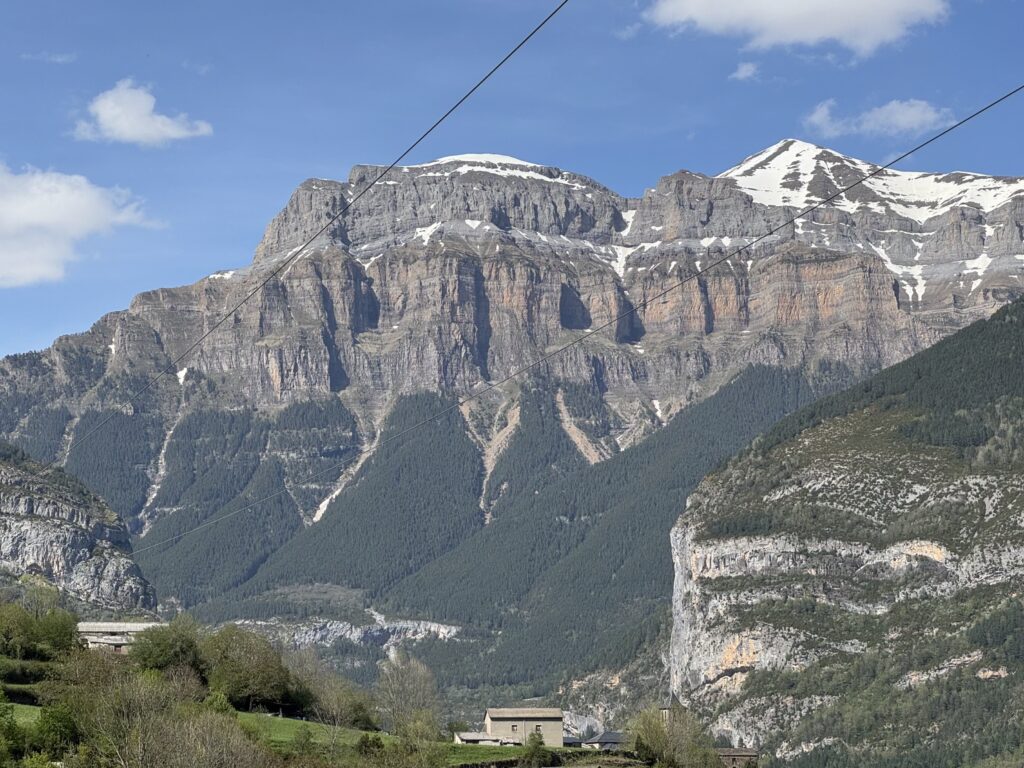
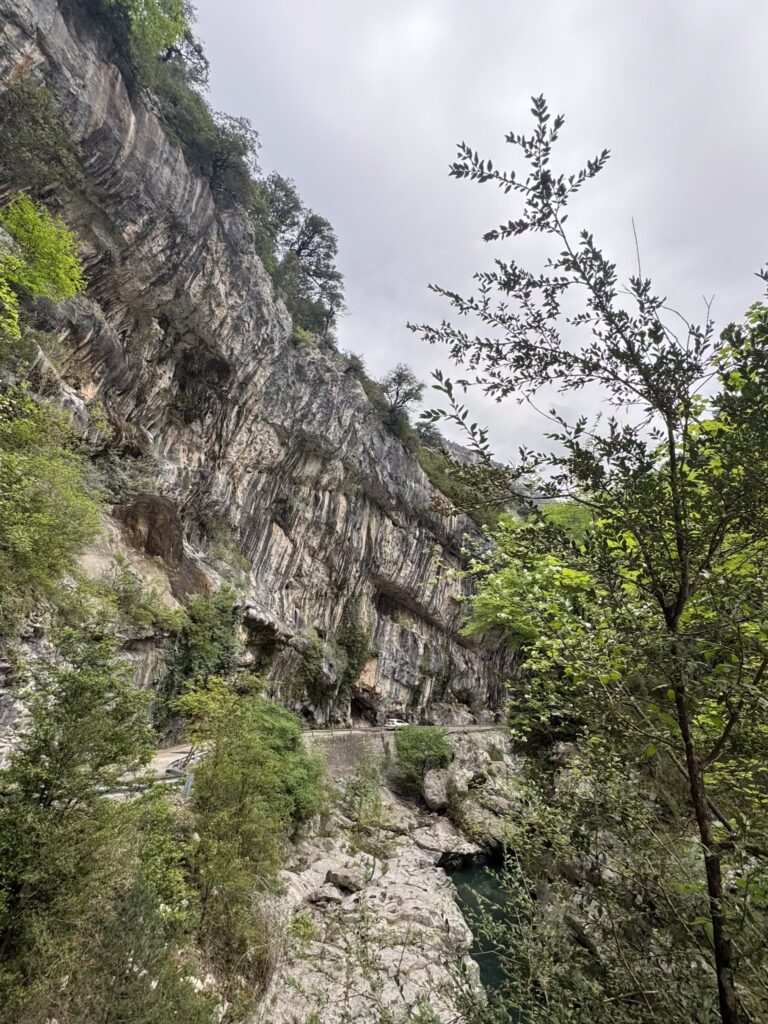
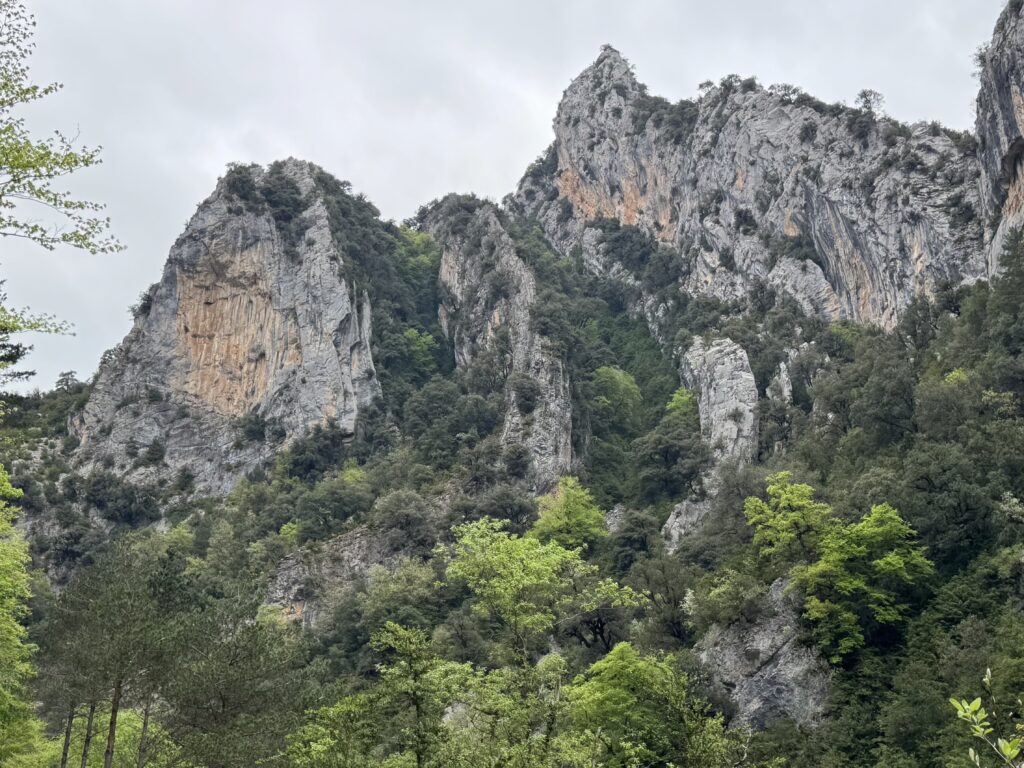
The Pyrenees stretches for 450km along the border of Spain and France with the largest mountain, Monte Perdido, rising to 3348m. As we drew closer, the tiny old villages along the way were completely dwarfed by the sheer faces that are a feature of this side of the range.
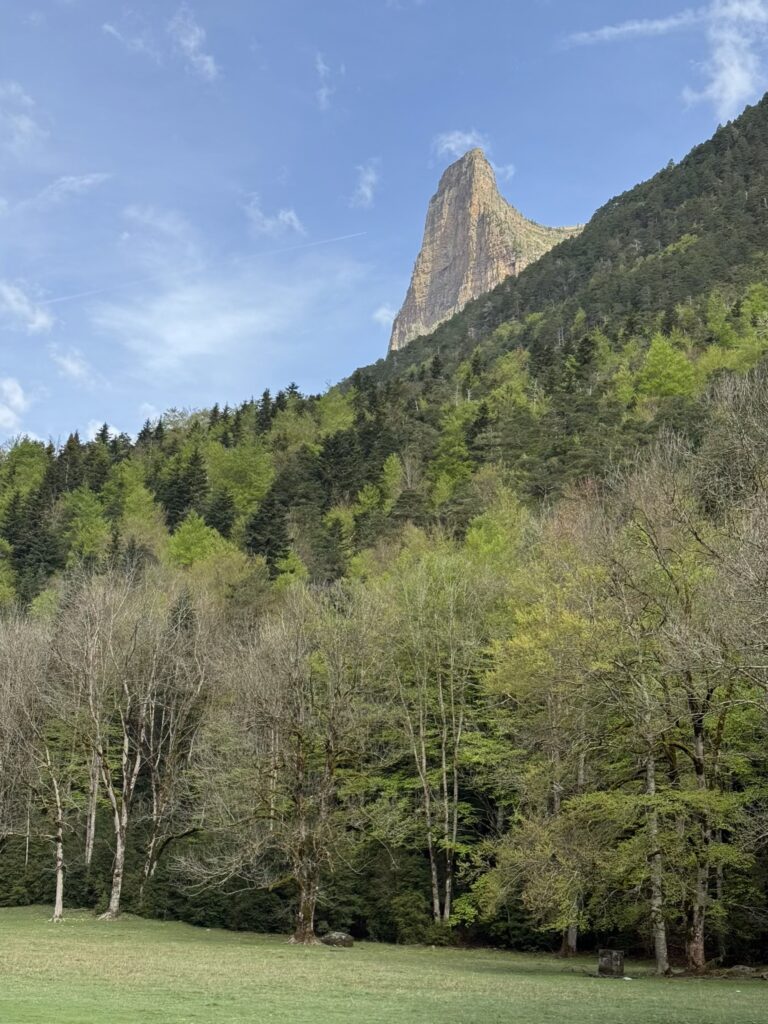
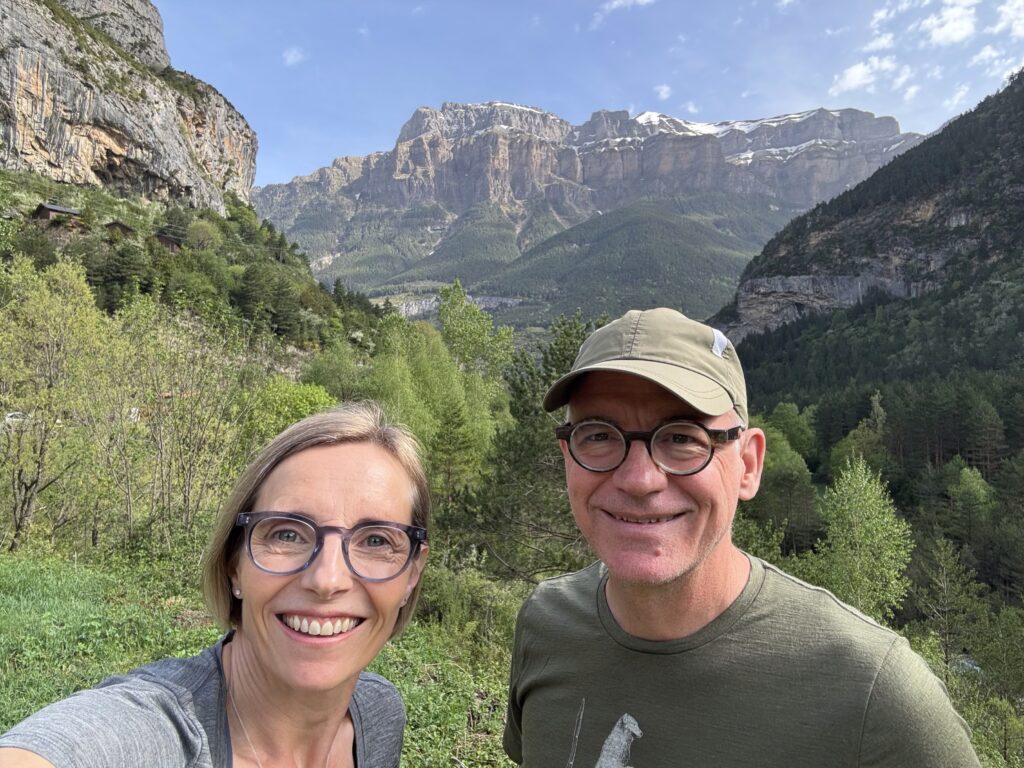
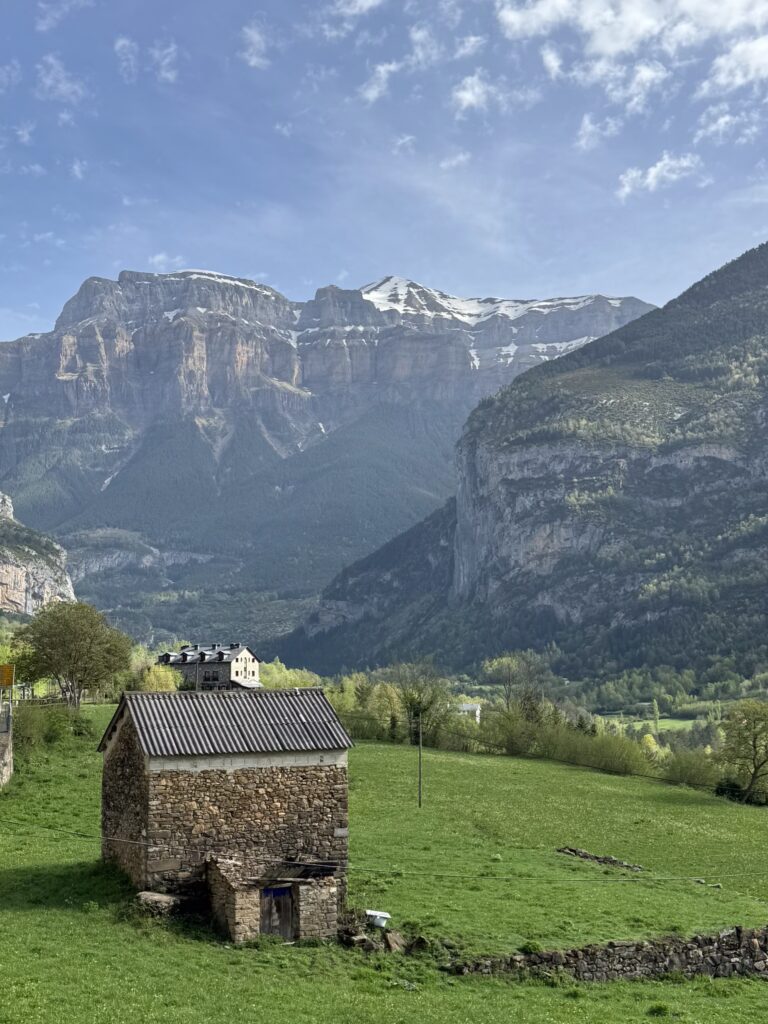
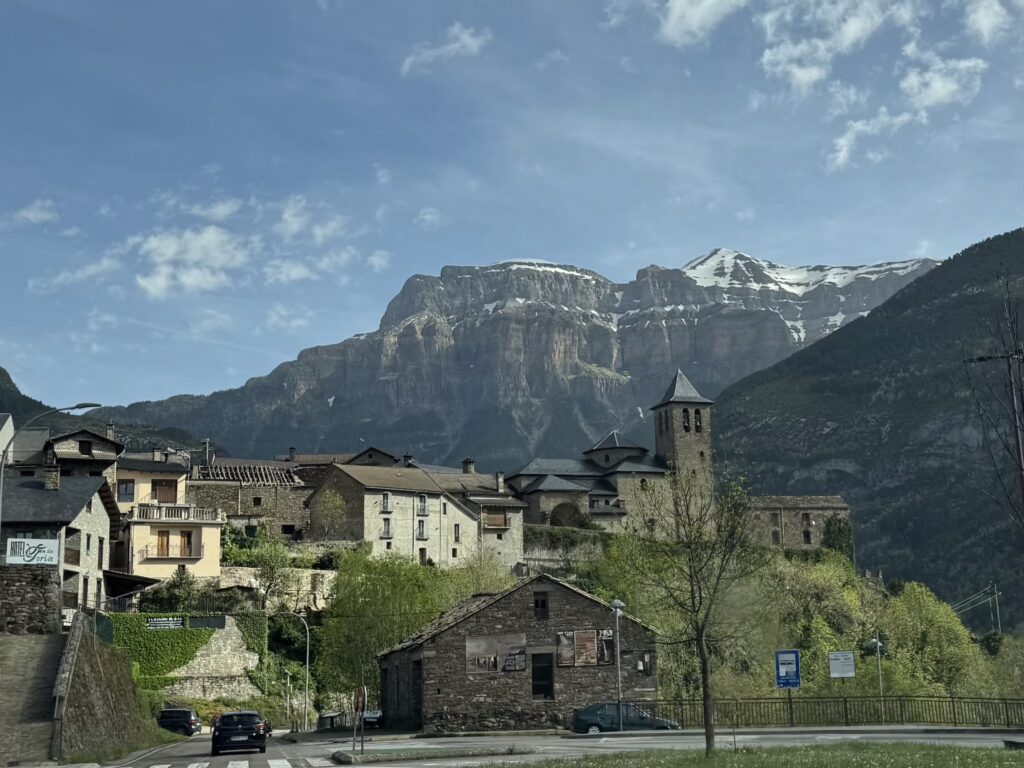
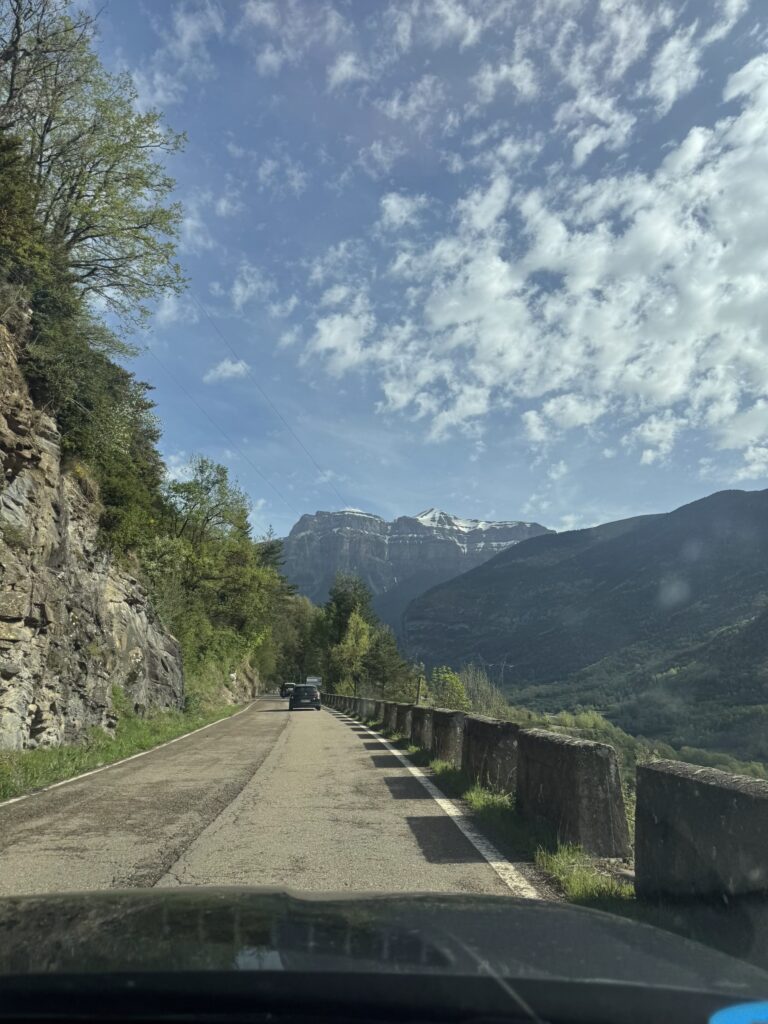
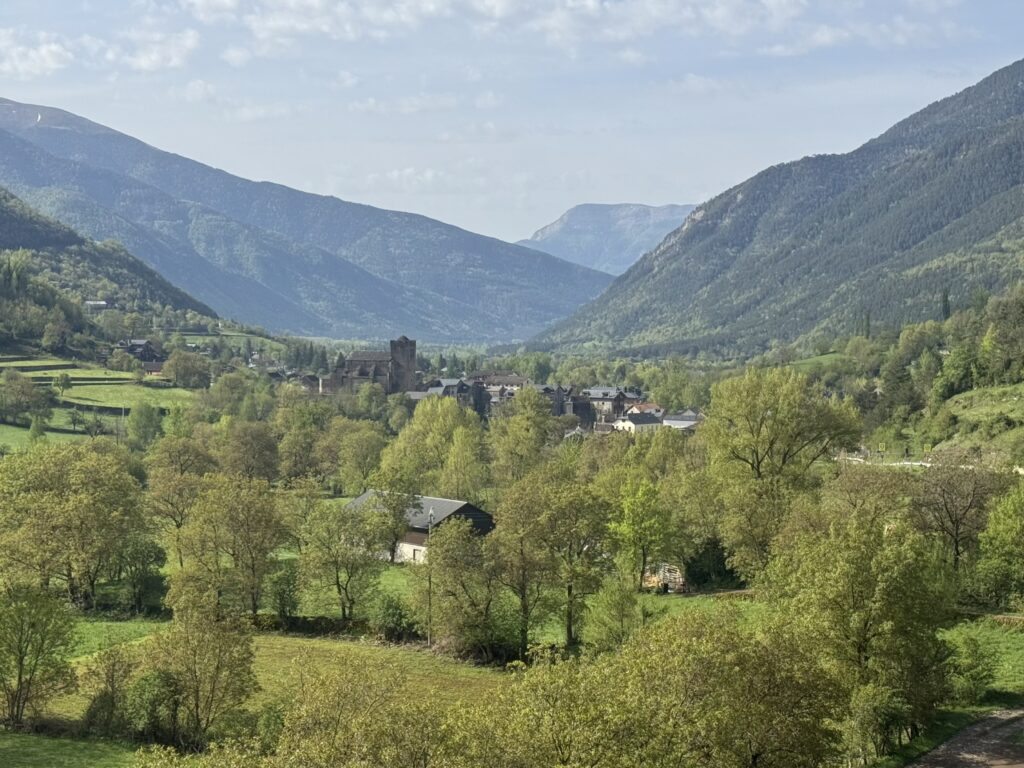
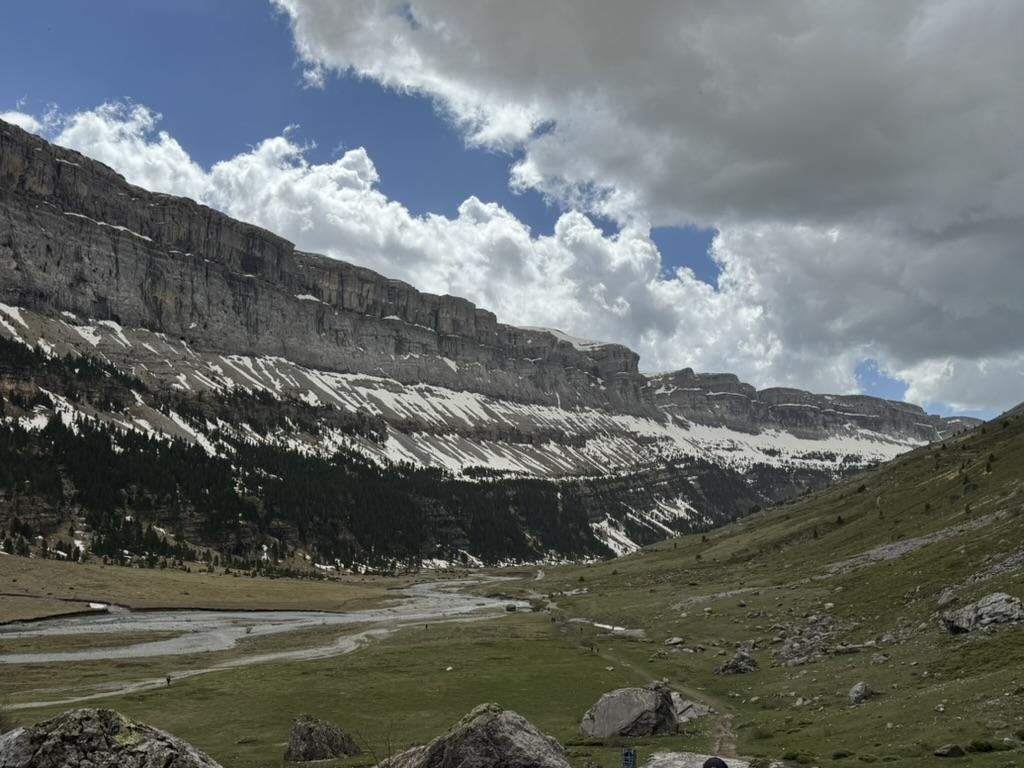
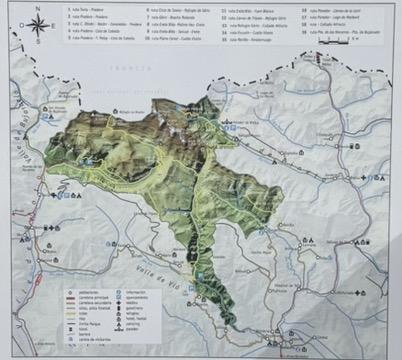
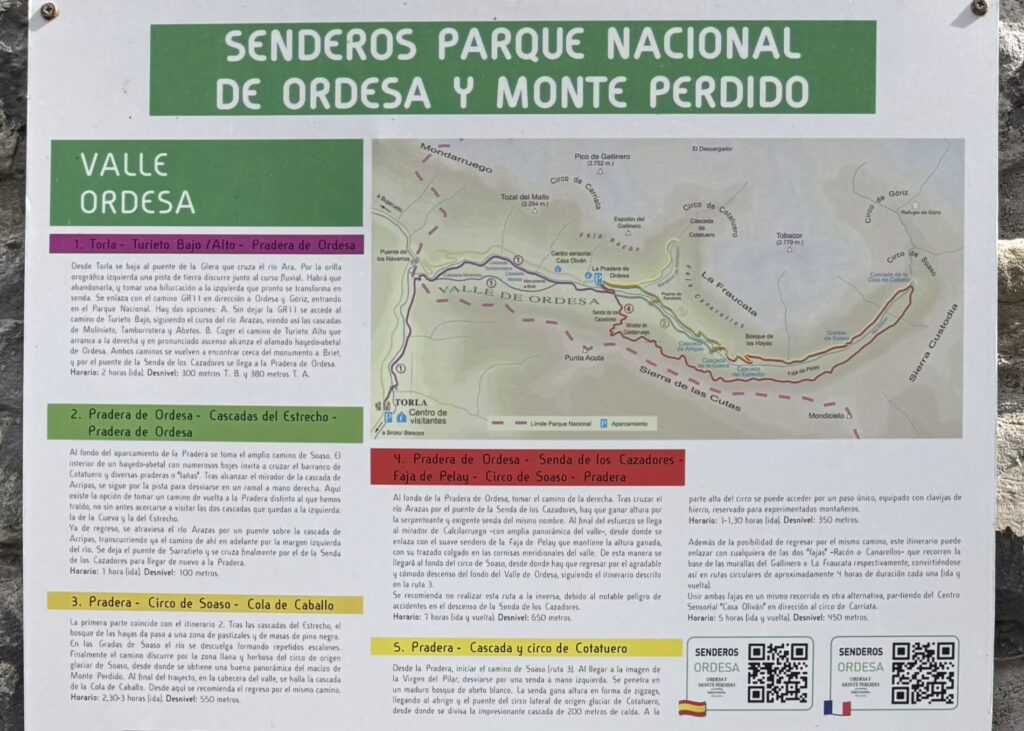
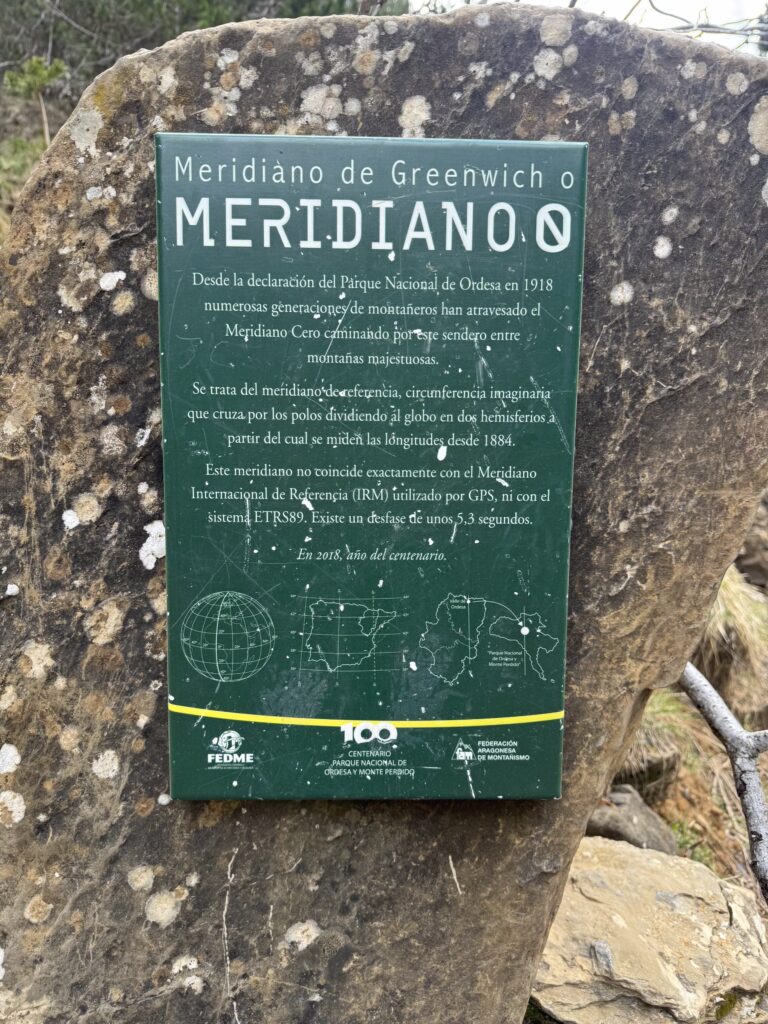
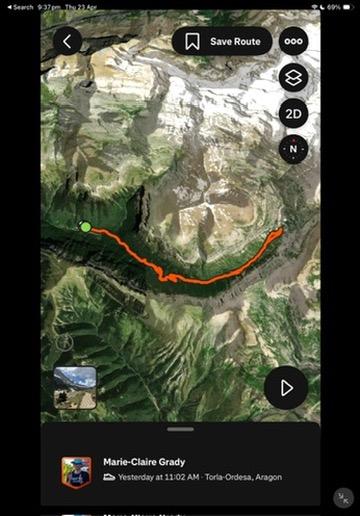
We planned a hike in the Ordesa National Park, an 89,000 hectare World Heritage Site in the heart of the Pyrenees. The hike through the Valle Ordesa (Ordesa Valley) follows the mountain streams up from the trail head at Pradera (‘meadow’) to the Cola de Caballo (‘horse tail’) falls at the base of Monte Perdido. The route passes the meridian, despite Spain being an hour ahead of GMT… time is such a strange construct!
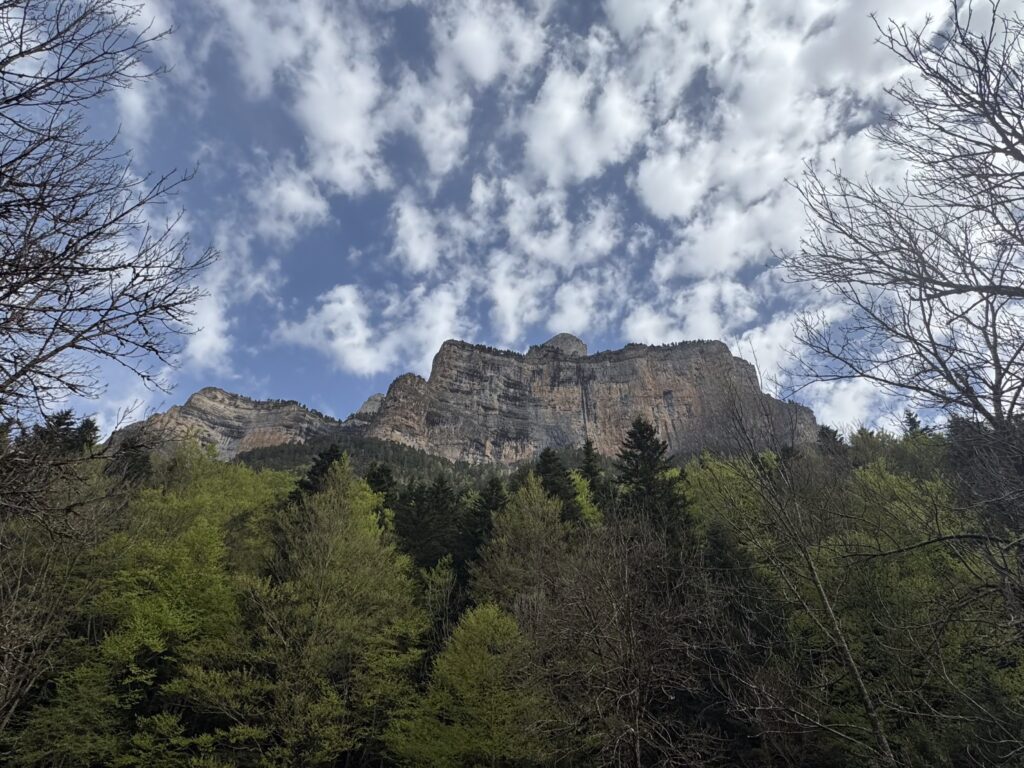
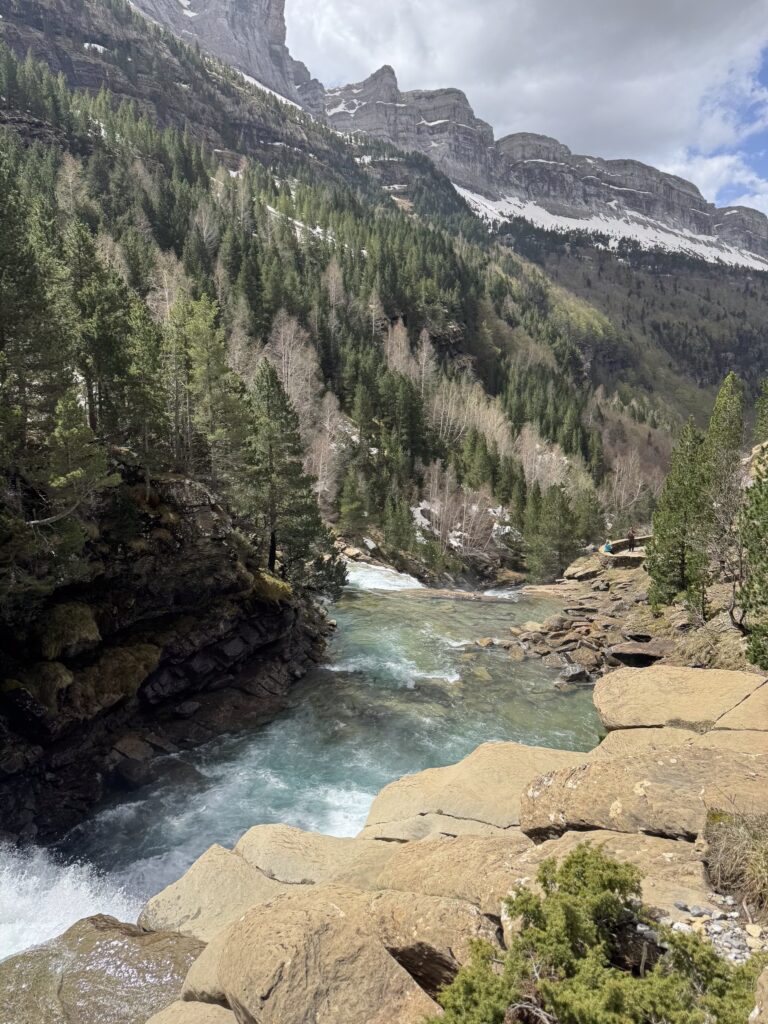
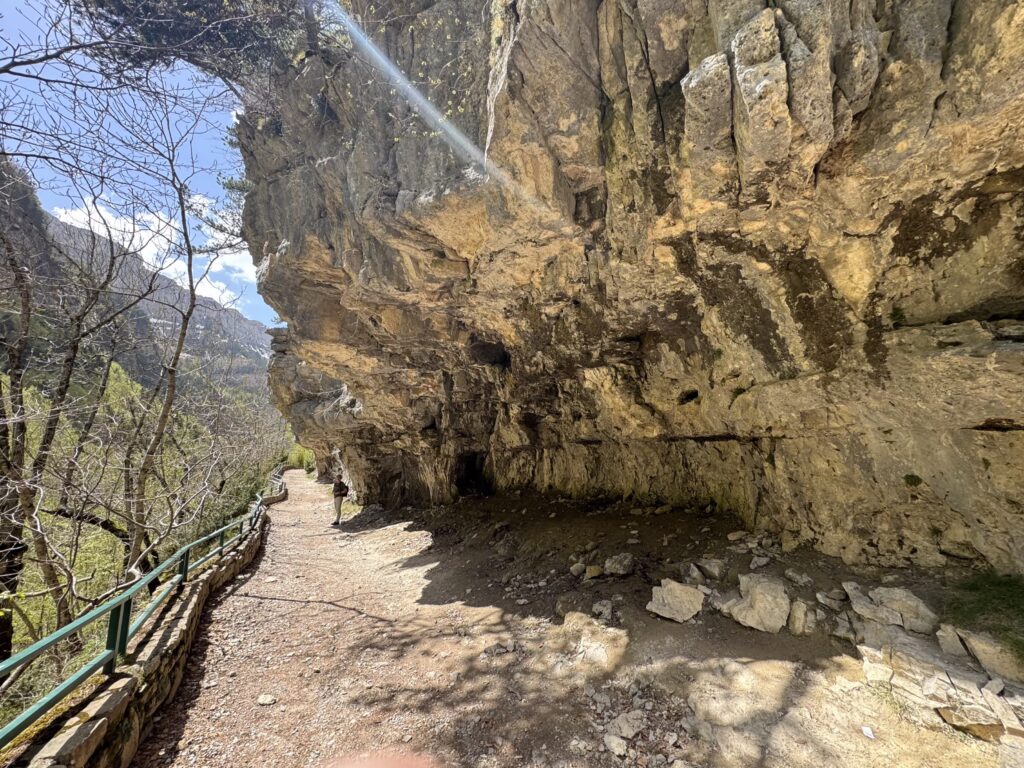
It’s so hard to comprehend the scale of these mountains, and their incredible rock formations. They are awesome in the truest sense of the word – another example of how incredible our planet is, and has been for millions of years. The faces are vertical and have the distinguishing lines of sedimentary rocks, while also featuring the twists and curves that come with enormous pressure.
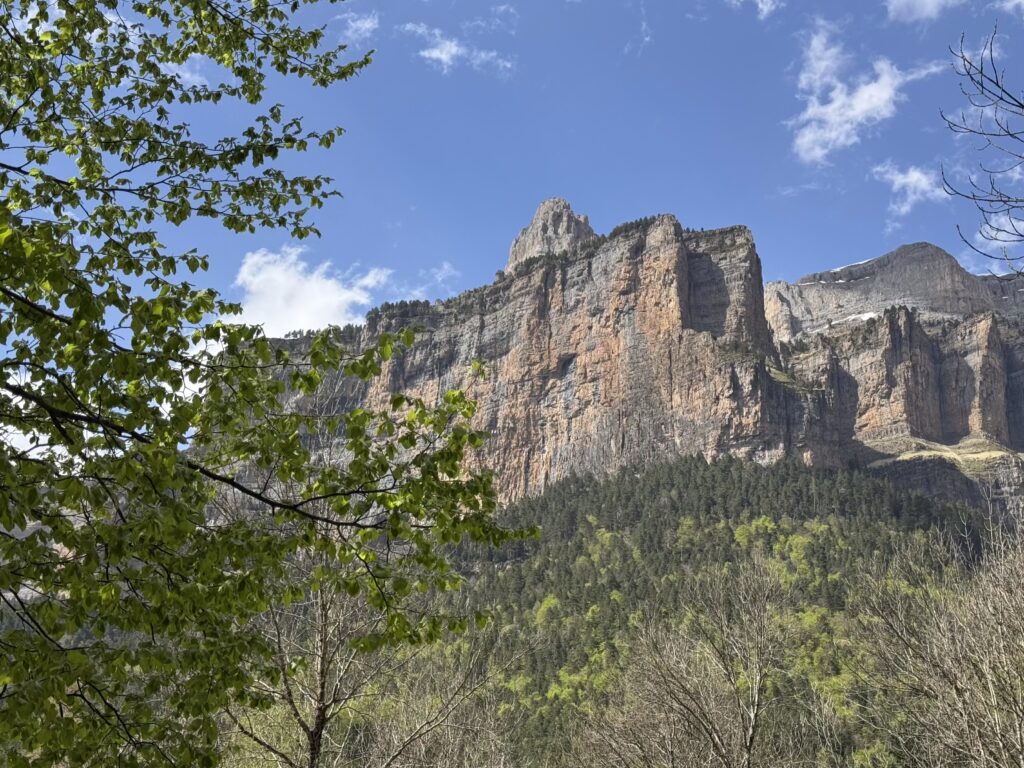
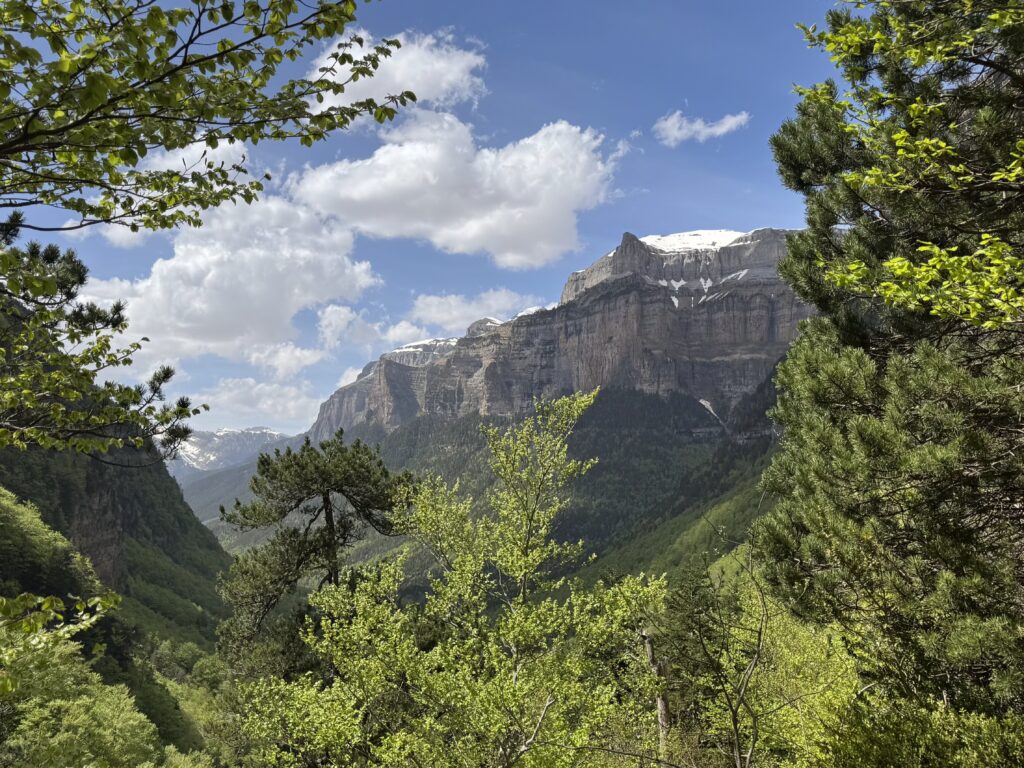
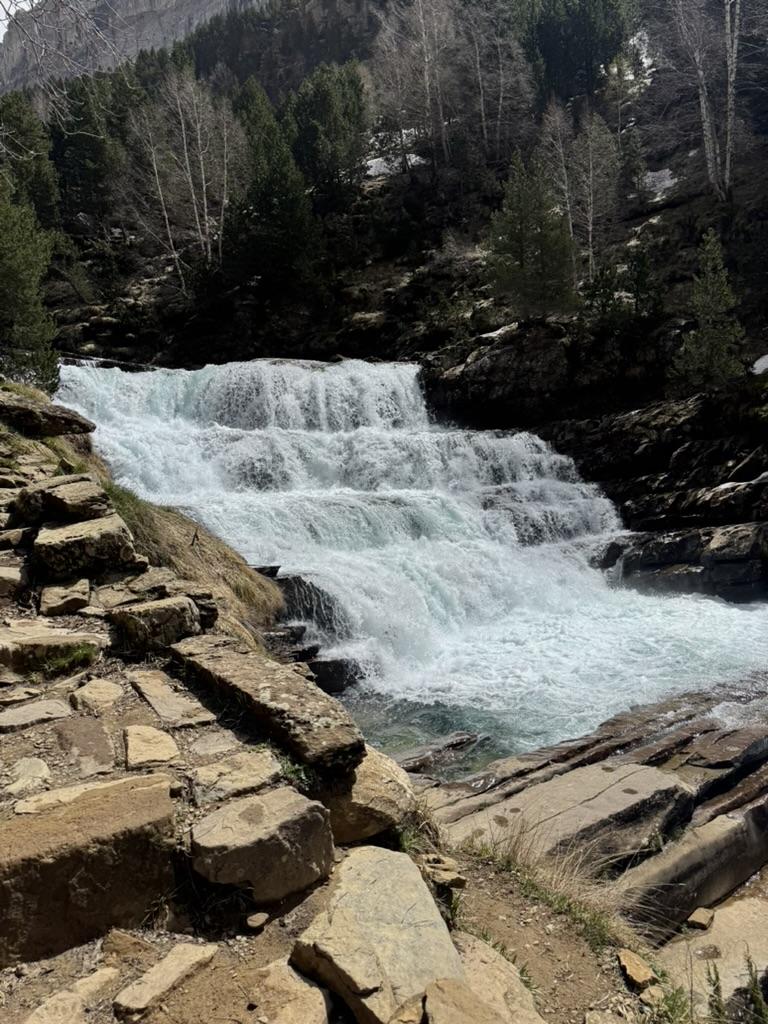
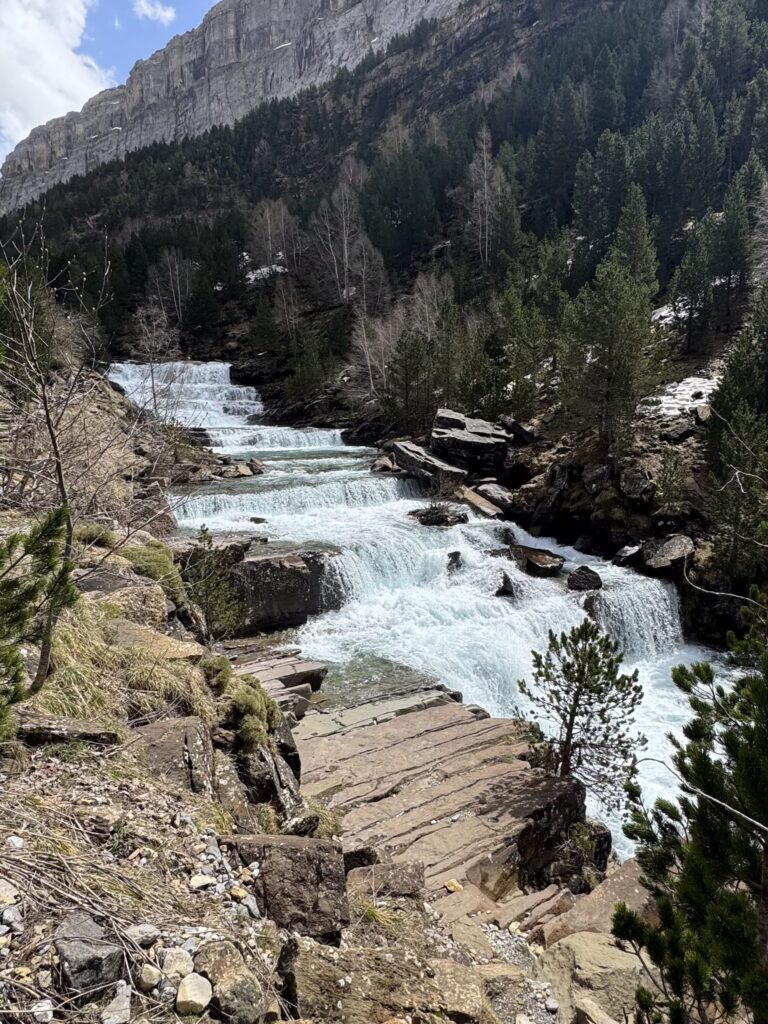
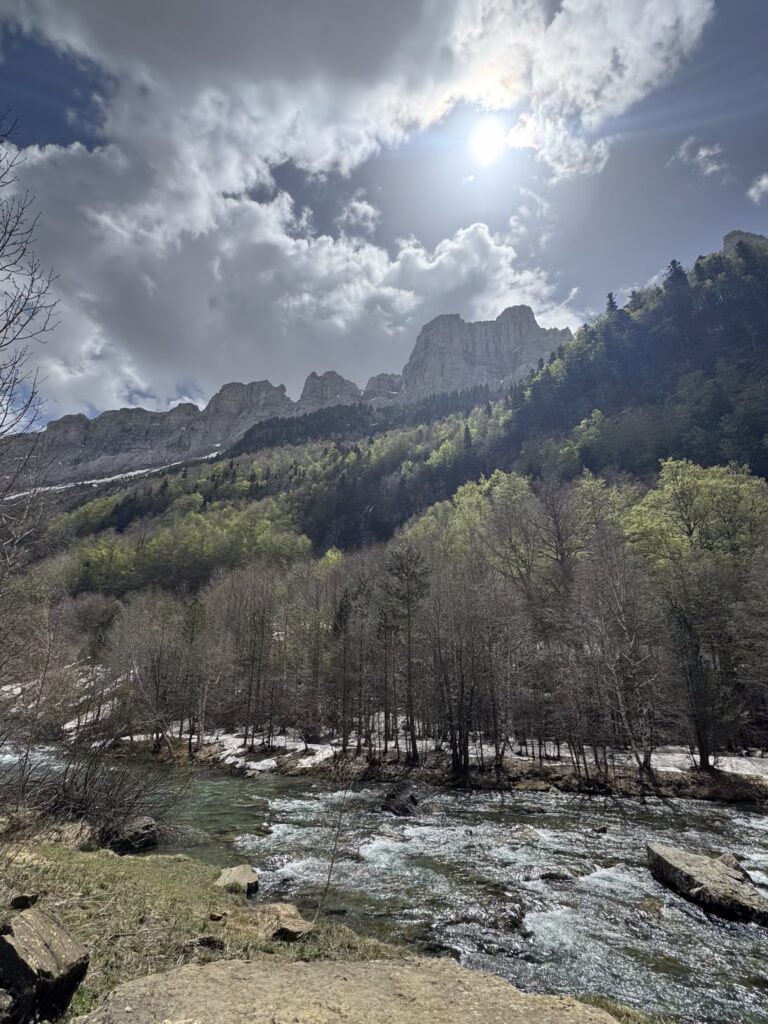
Spring means the snow is melting and the Rio Arazas (Arazas River) is flowing. The hike included nearly 800m of elevation, delivering some spectacular waterfalls. The most stunning was Gradas de Soaso – a series of cascades, closely followed by Cascada de la Cueva that featured a large drop into the valley. Again, it’s hard to capture the scale and force of the water as it races down the valley.
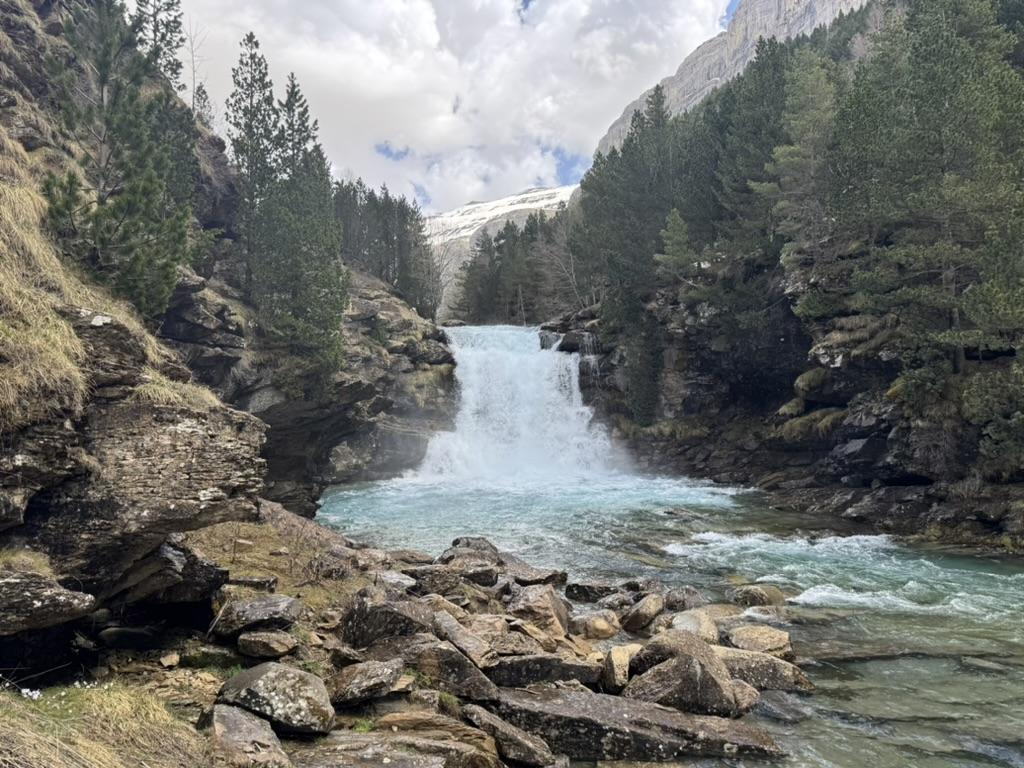
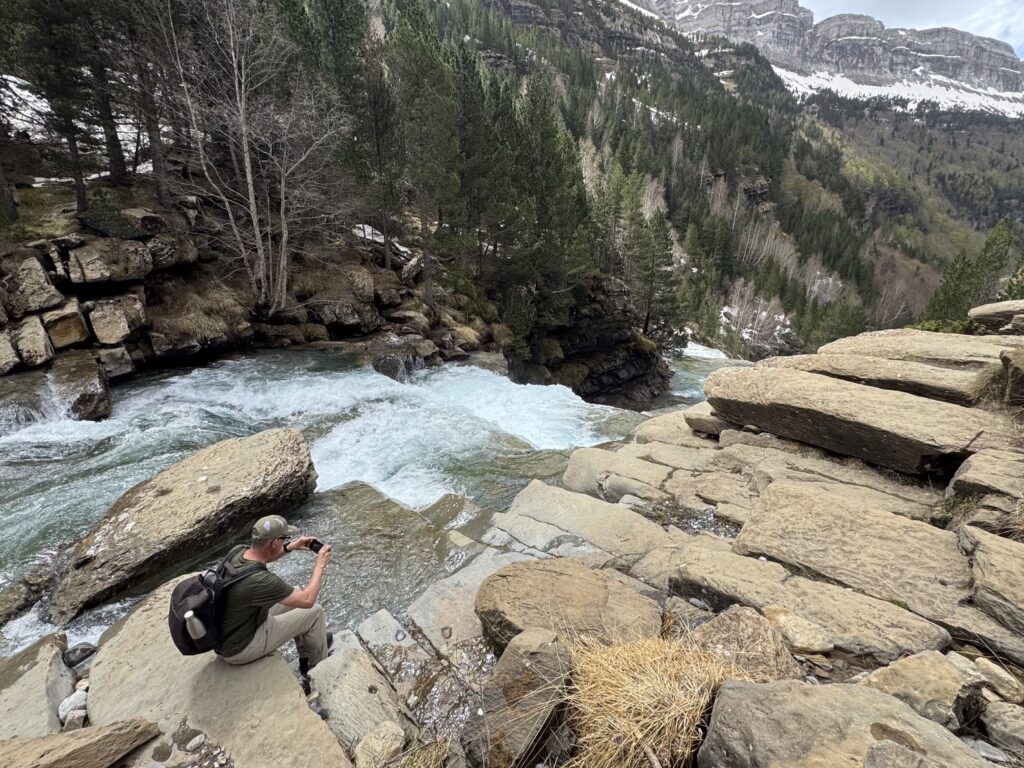
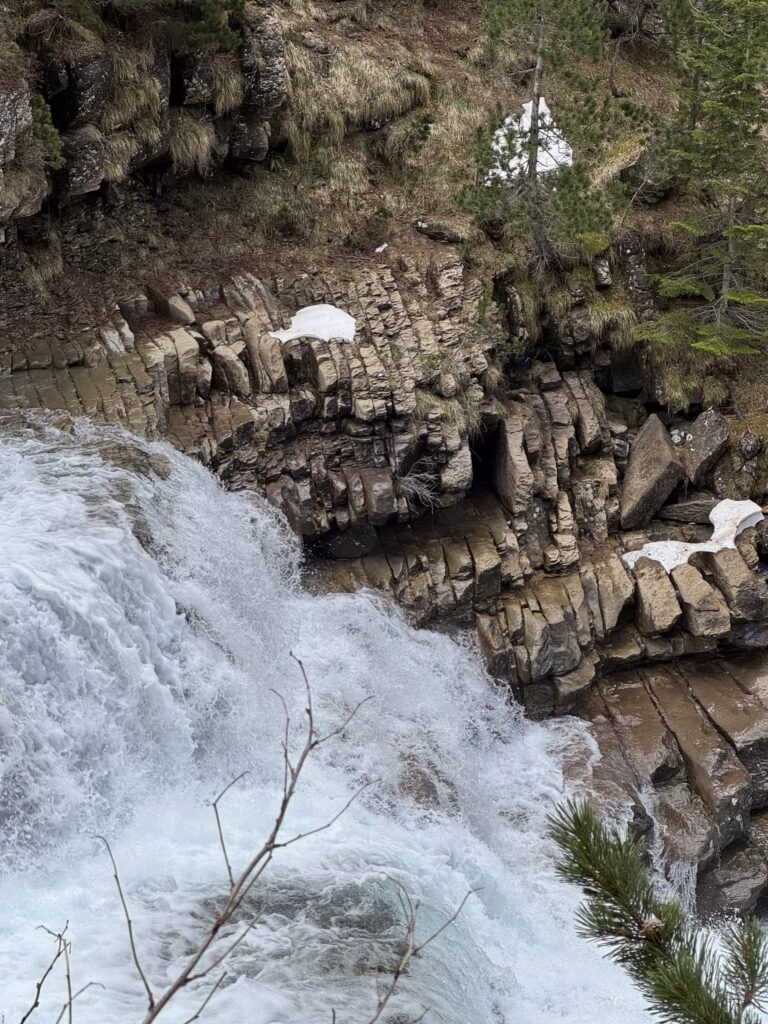
One of the other benefits of a Spring hike is the emergence of wildflowers and fresh growth. We walked through beech forests, while tiny flowers were dotted along the path providing a huge contrast of perspective against the mountains. I particularly loved the ‘swan-neck daffodils’ that could have easily been mistaken for snow drops – a beautiful reminder of Rachel’s spiritual connection to Spain 🩵
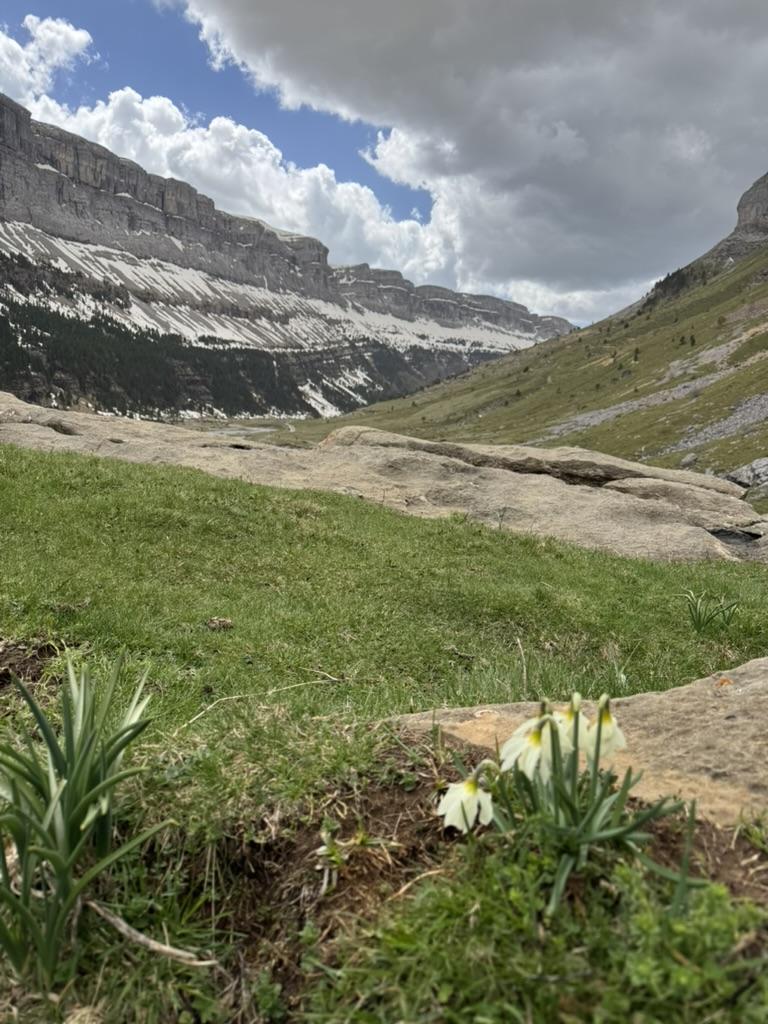
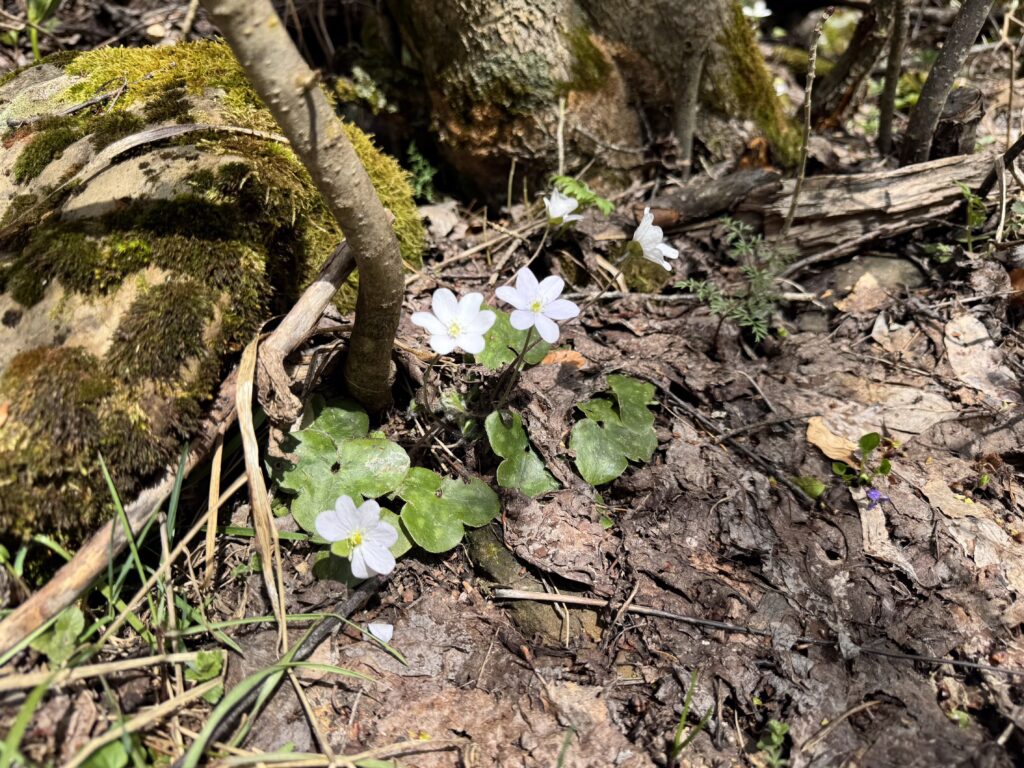
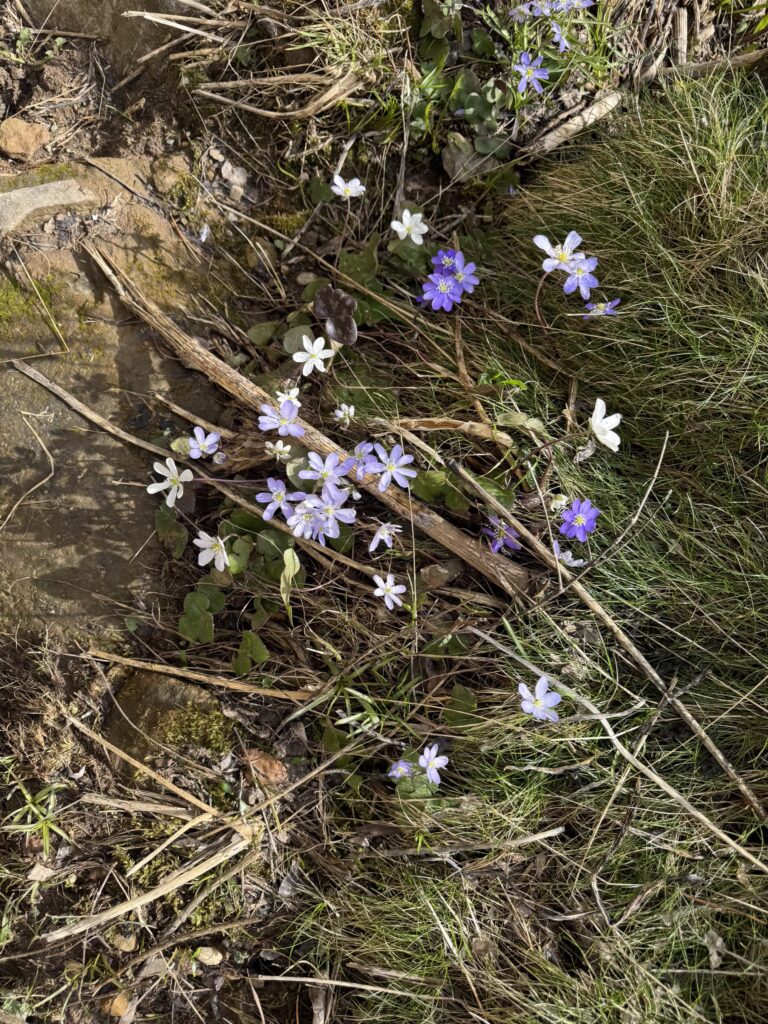
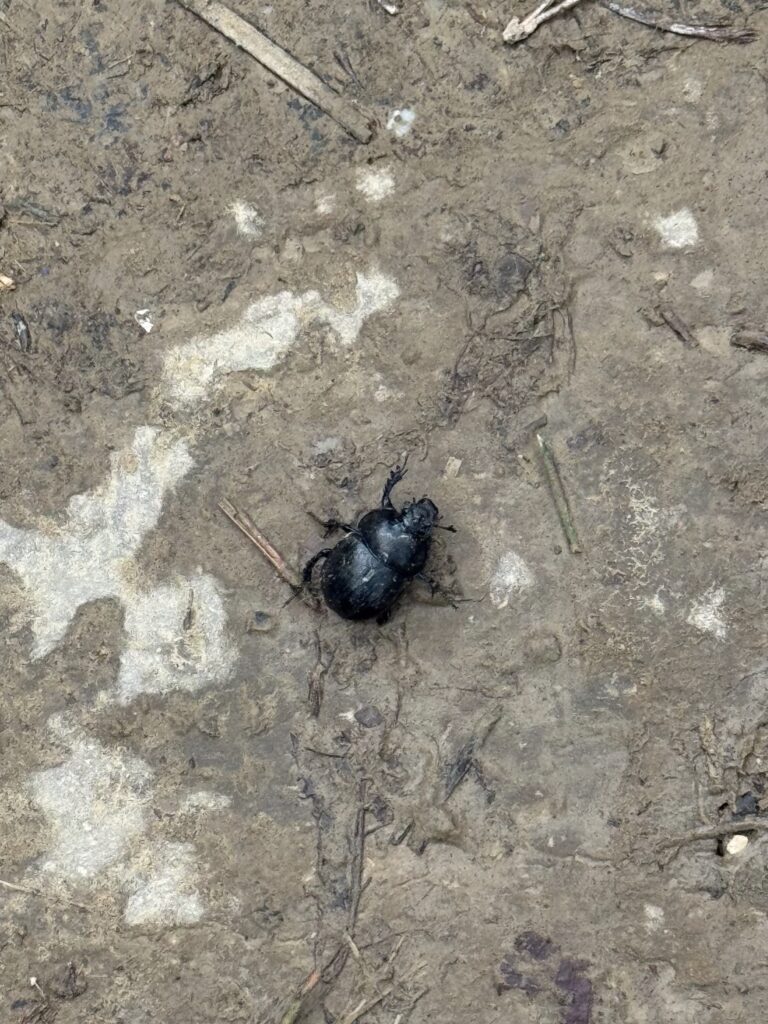
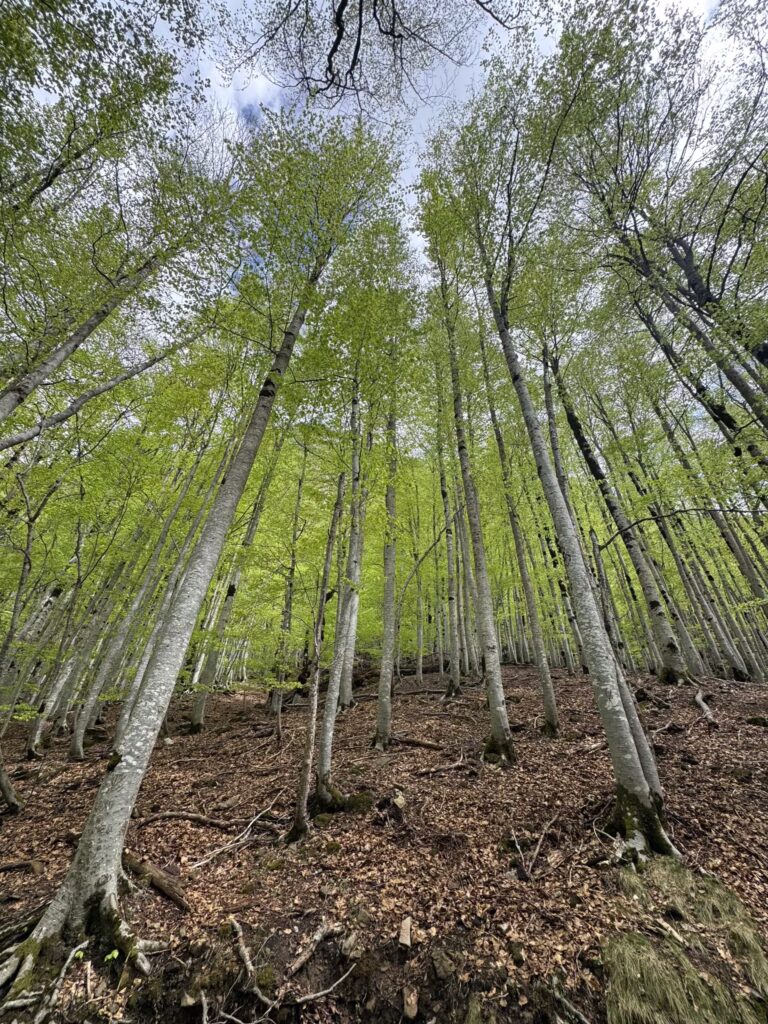
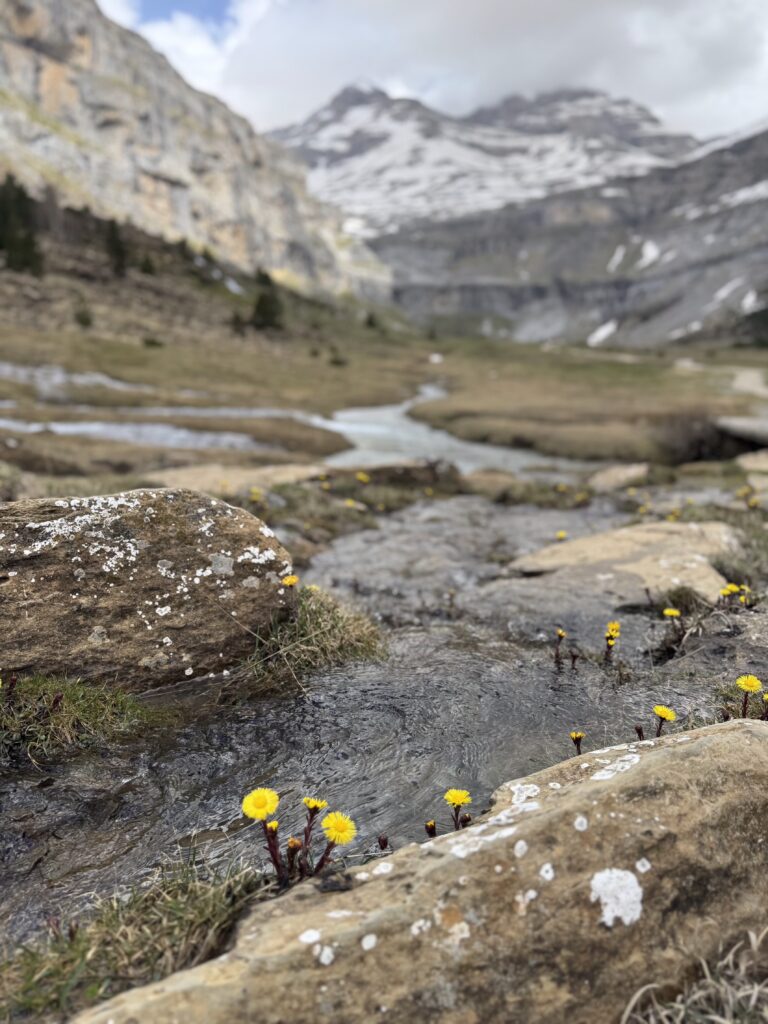
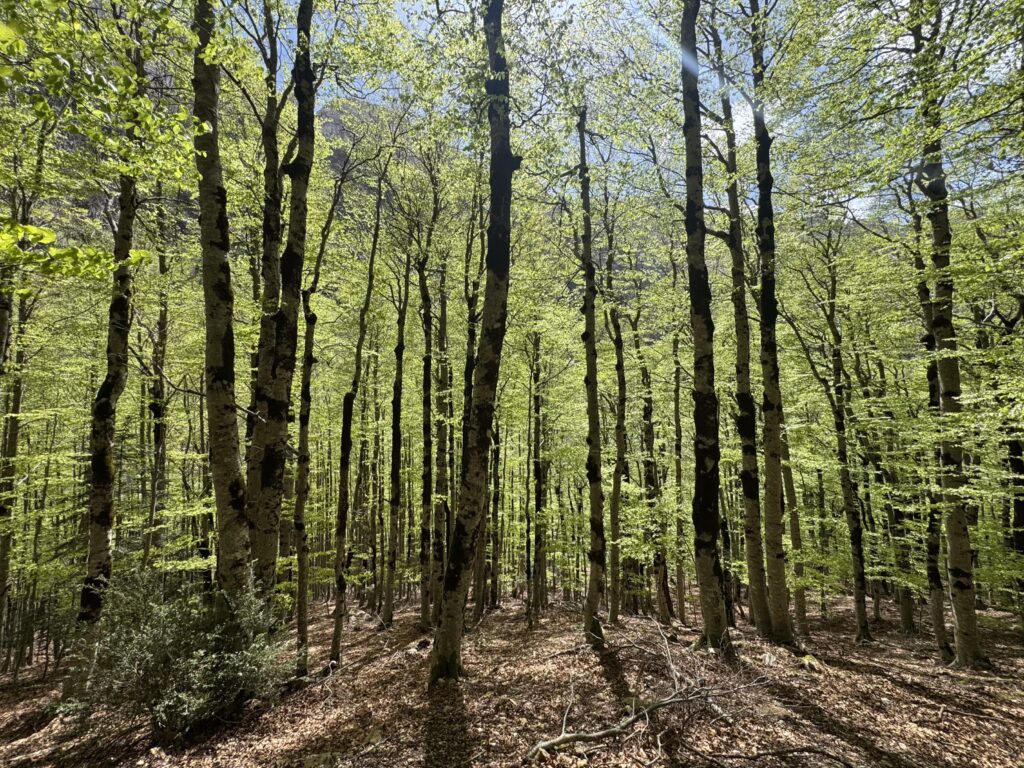
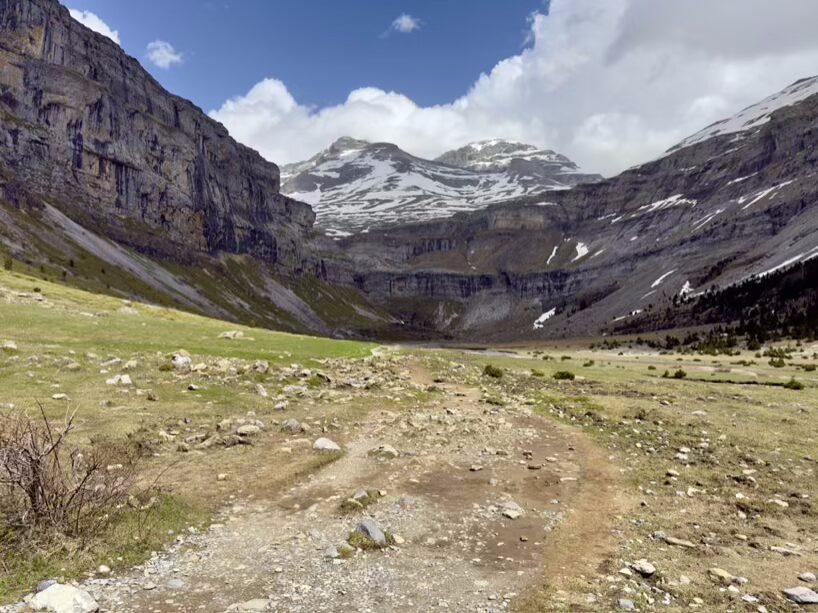
One of the distinguising features of the Pyrenees is the semi-circle of cliffs that often forms at the end of a valley. The base of Monte Perdido was an large, flat open space, lined with small waterfalls coming off the vertical slopes. It looks like it’s near the end of the valley when there was actually about 2km to go.
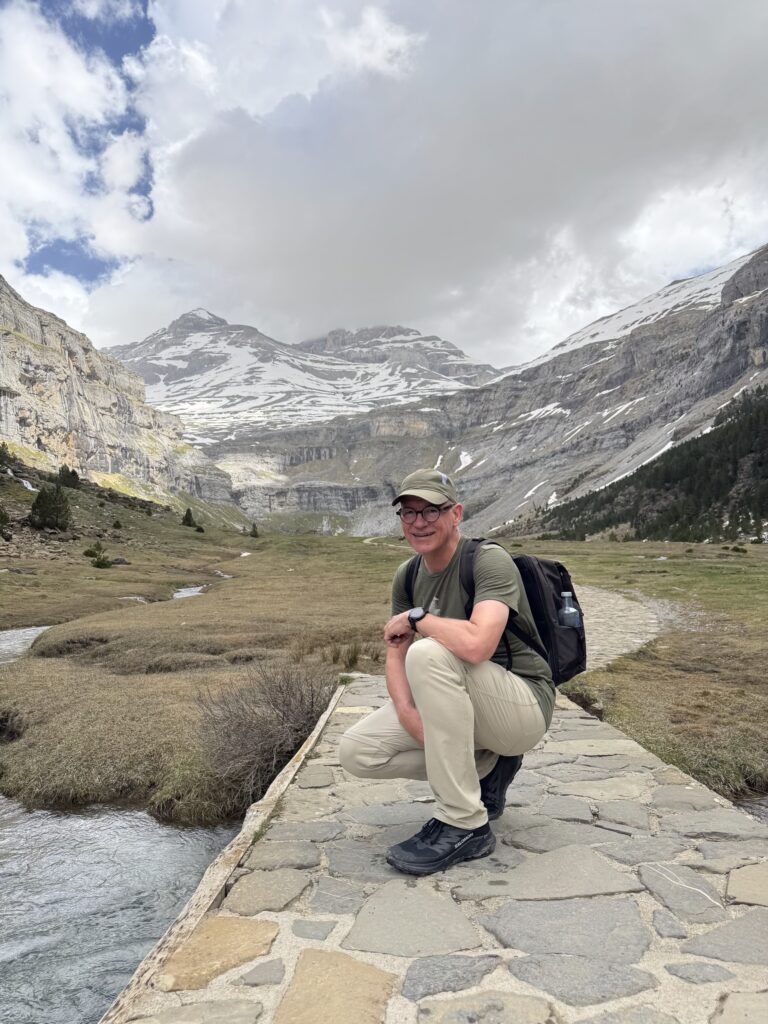
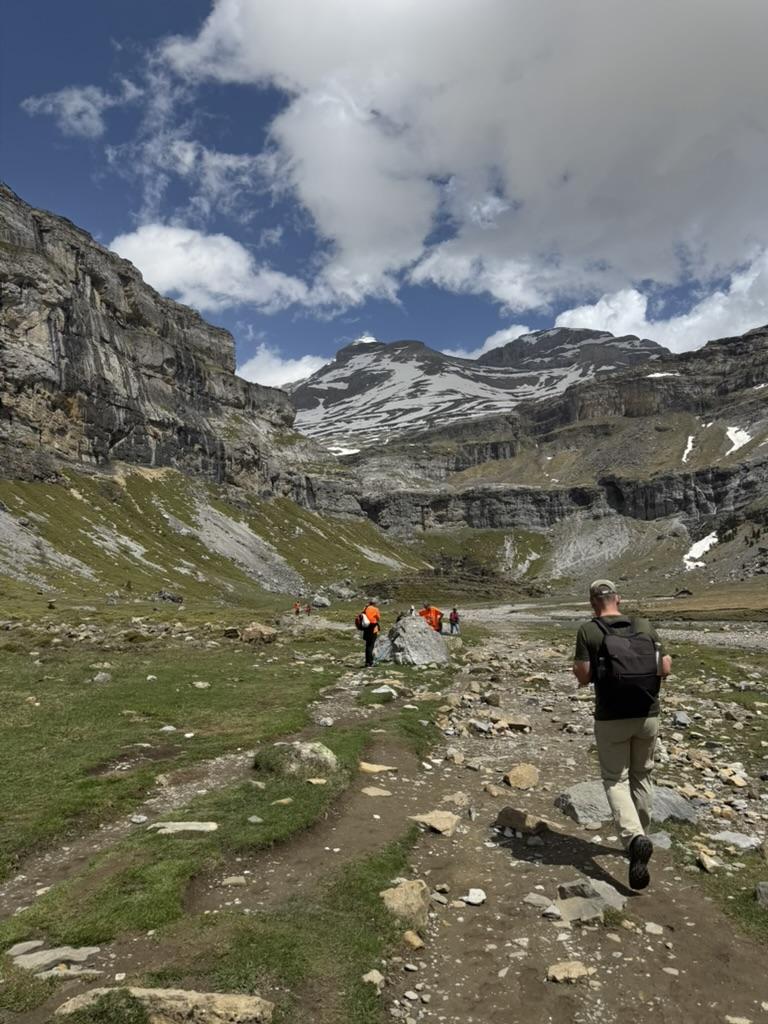
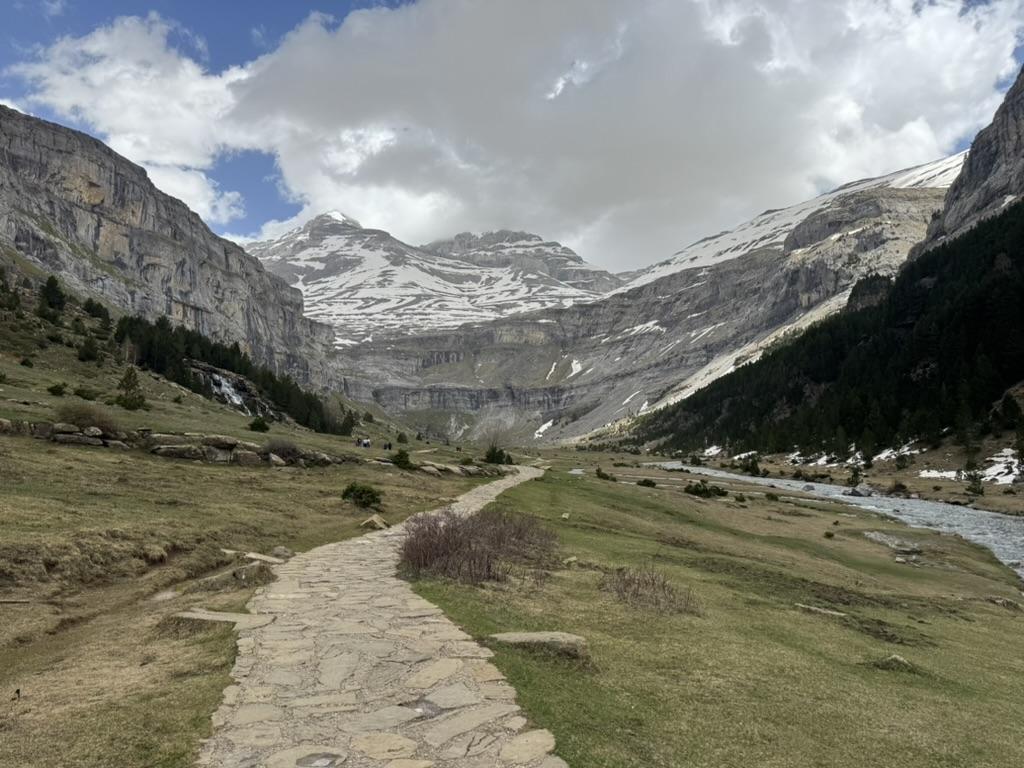
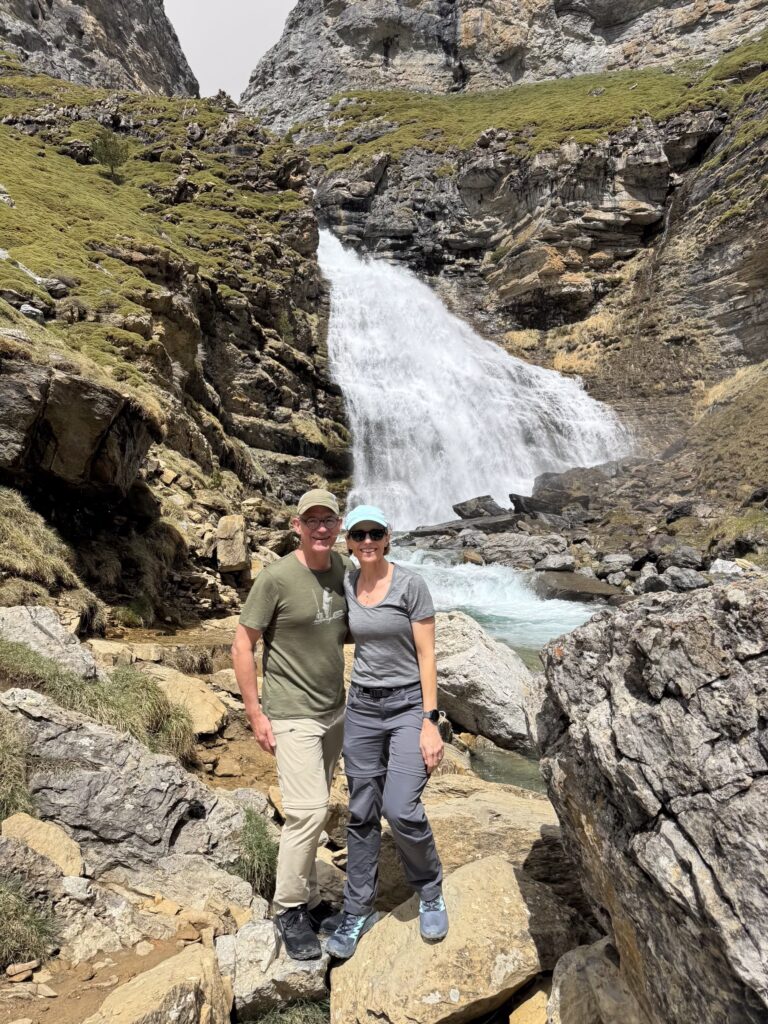
The Cola de Caballo waterfall marks the end of the trail. The ‘horse tail’ description is apt, although again, the scale is difficult to comprehend. This marked our spot to have lunch, and turn around to enjoy the downhill trail home.
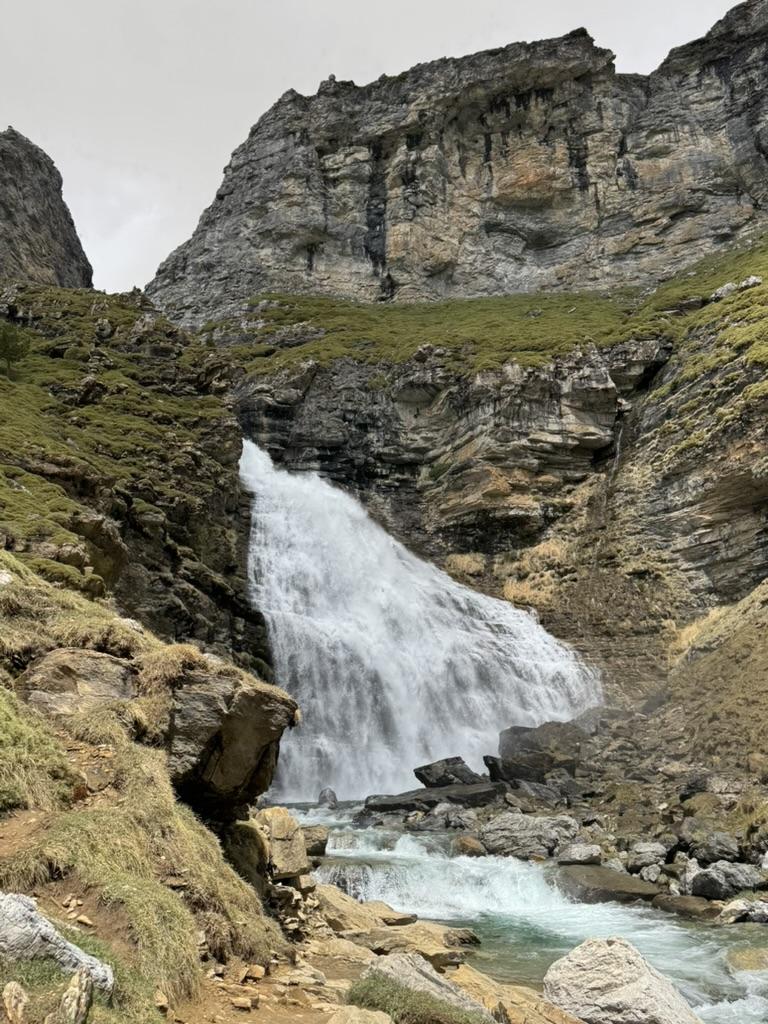
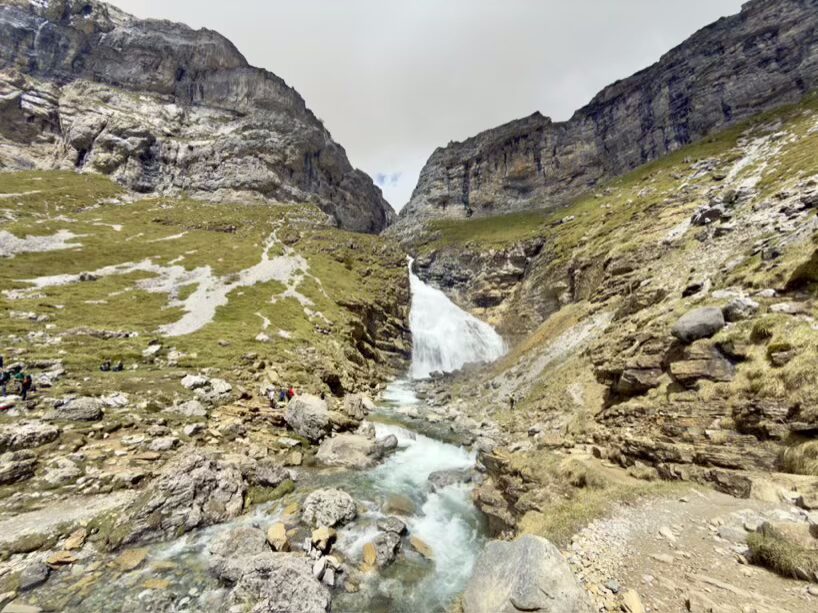
It’s always worthwhile to turn and see what’s been behind you. As an out and back uphill hike, the way home opened up incredible views down the valley. As we walked back through the open plain at the base of Monte Perdido, the difference in climate on the two sides of the valley was even more stark.
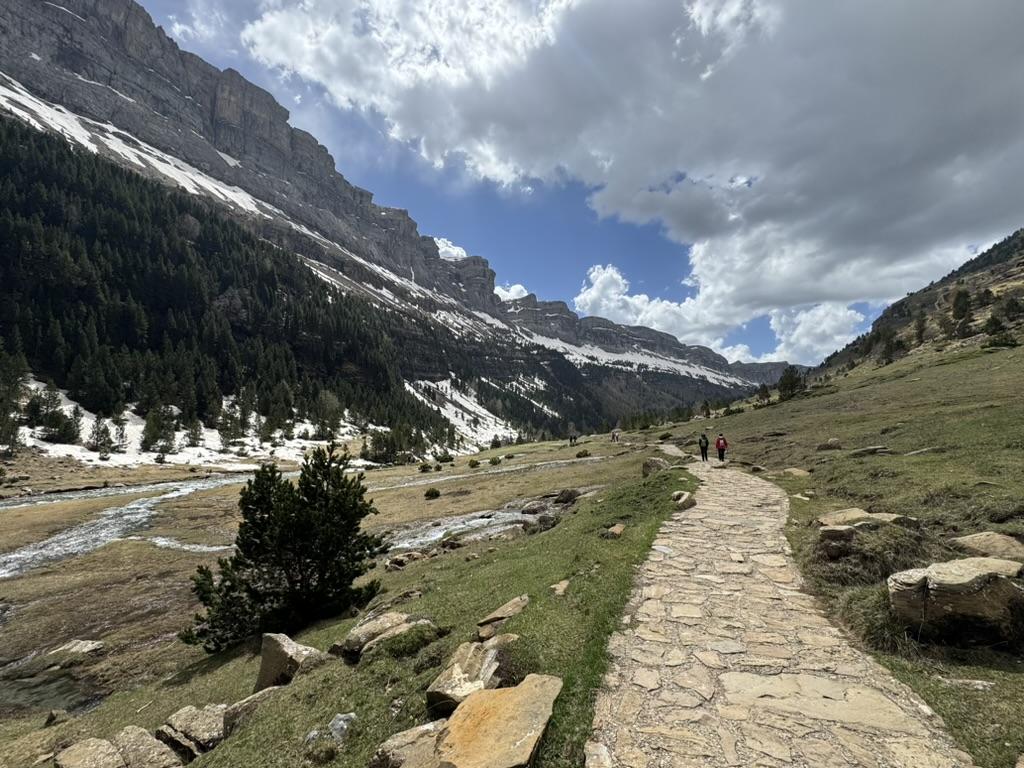
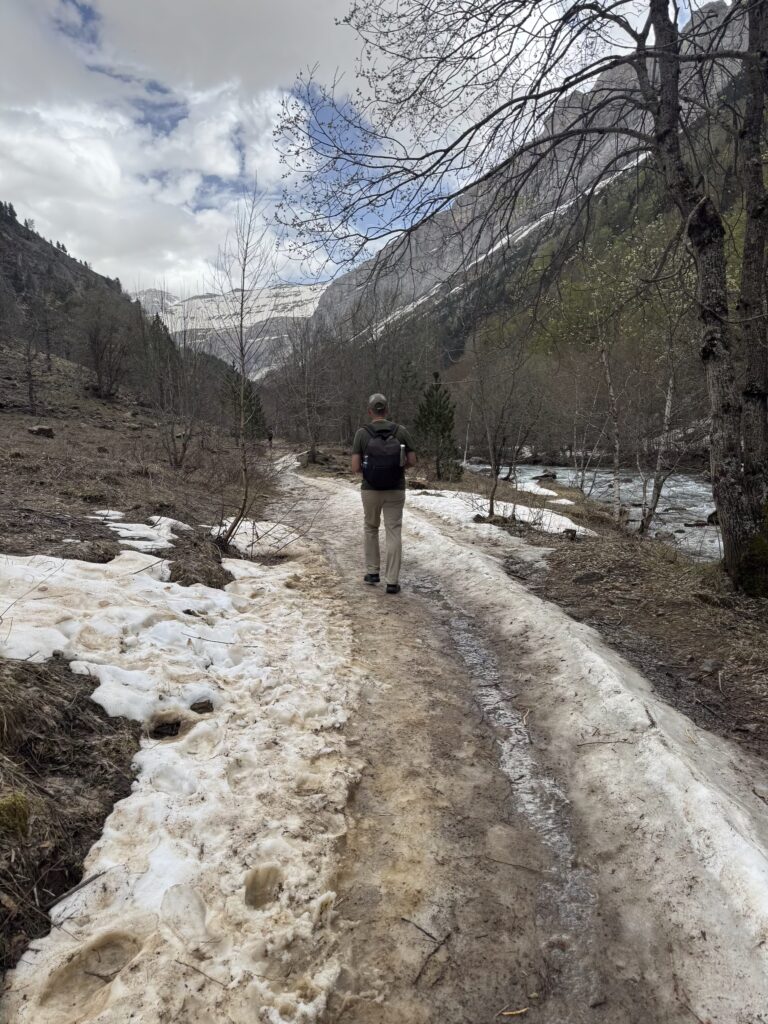
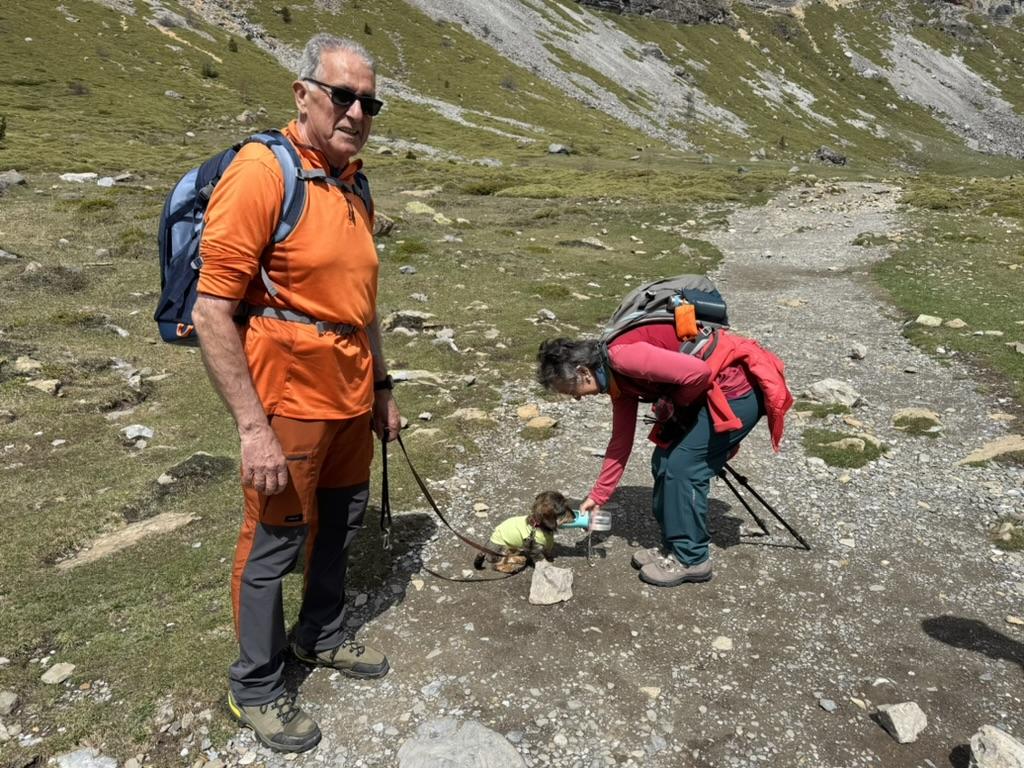
There are always unexpected moments on the trail… this one brought a little patch of snow, a tiny daschund powerhouse (19km is a long way on 3 inch legs!!!), and sudden changes in landscape. You never quite know what’s around the corner.
For anyone on Strava, it’s worth having a look at the flyover of the hike… technology is amazing!!! https://strava.app.link/GNMh1QN7z2b
An hour drive back to Ainsa and we were done. I’ve been geo-fenced to 2km walks since August, so over 4 hours on our feet was a quite a step up. Thankfully everything held together… the patience and the hard work paid off, even if I won’t be attempting anything quite as challenging for a few days!
Love M & A x
Comments are closed