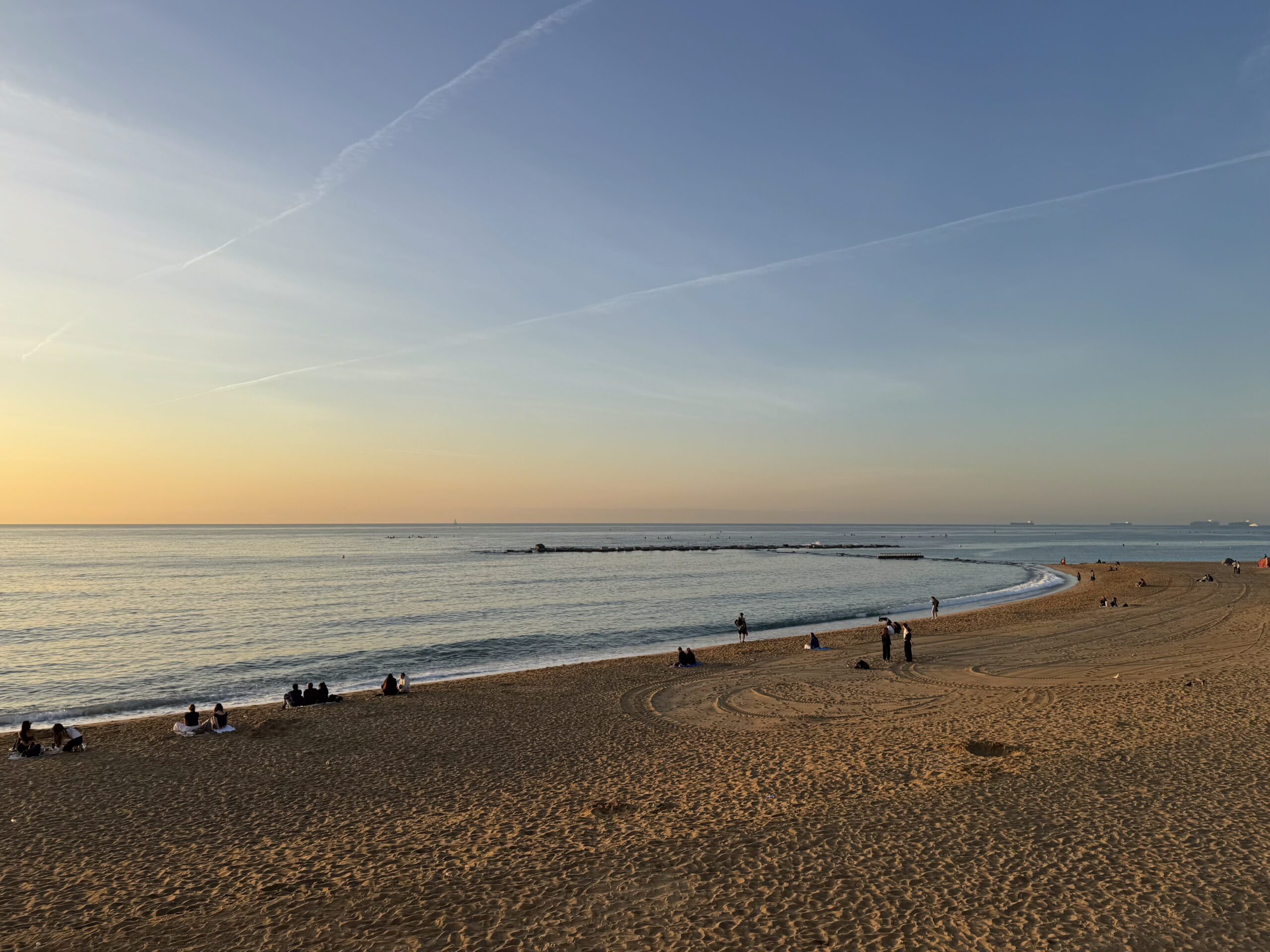
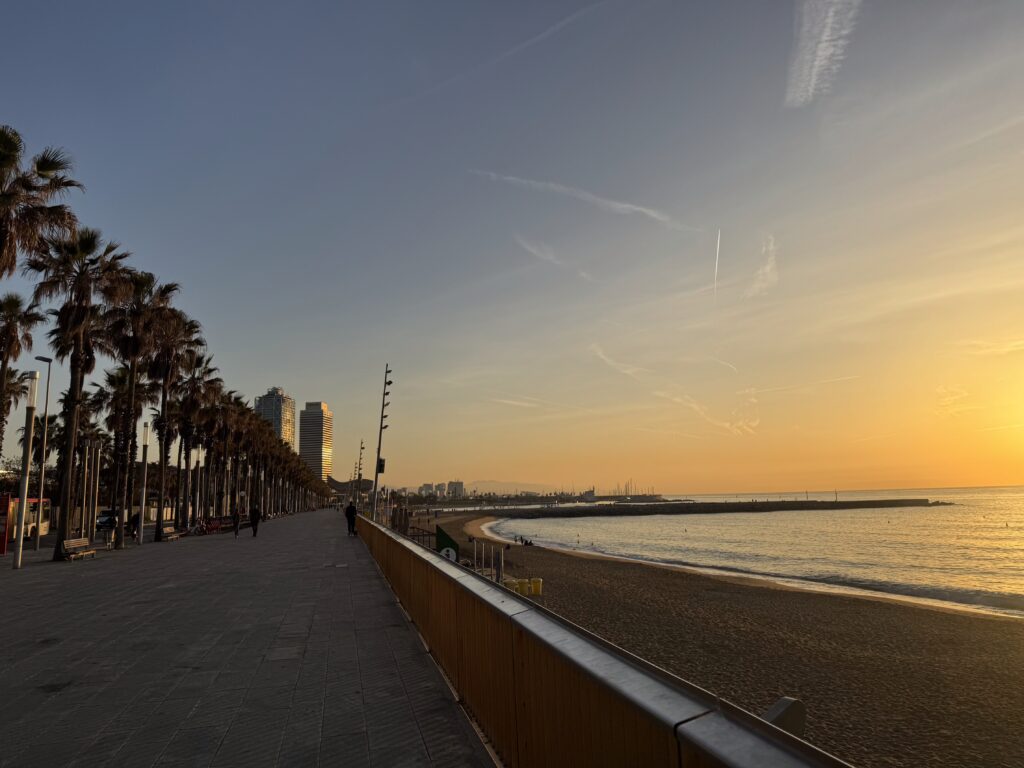
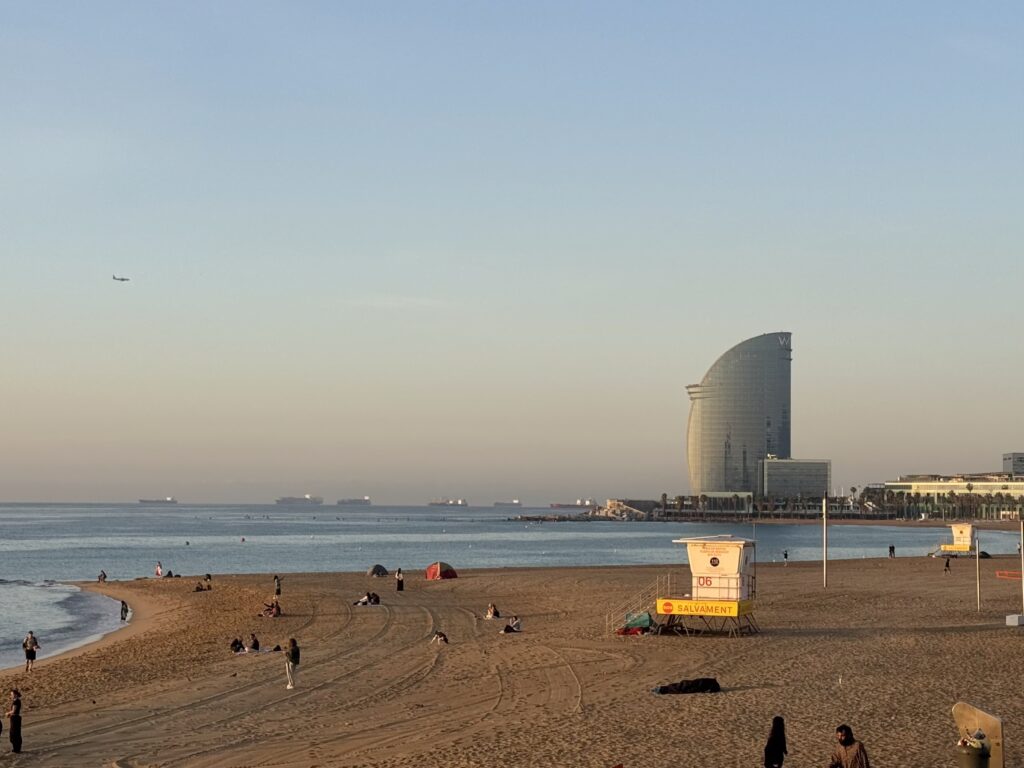
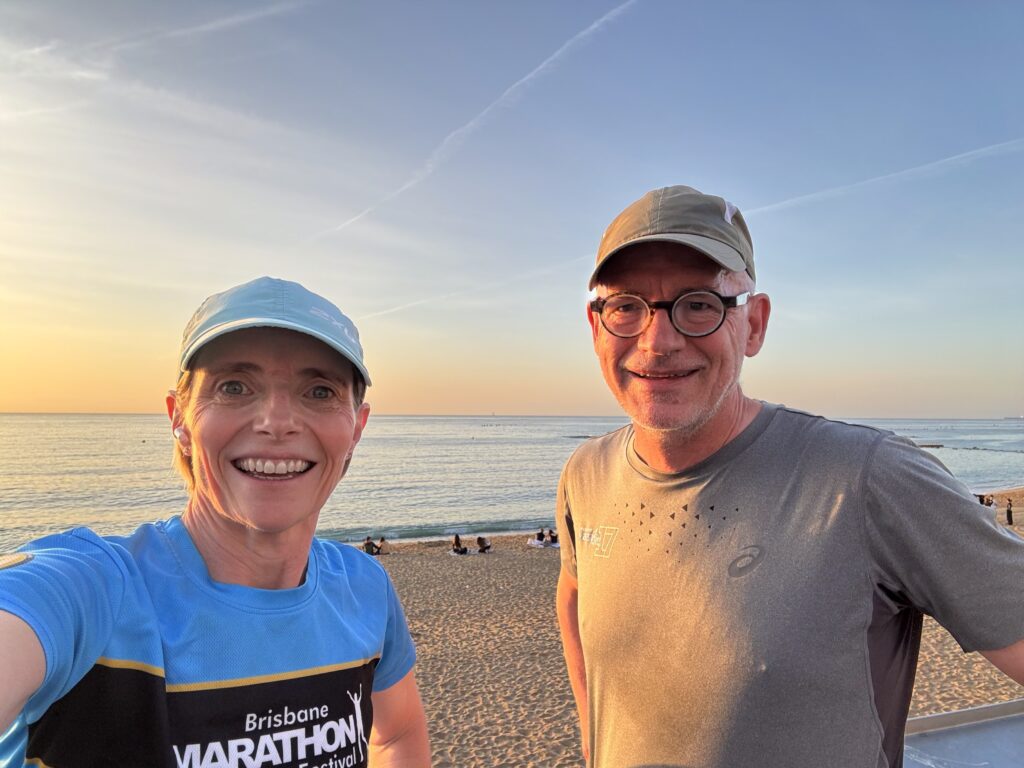
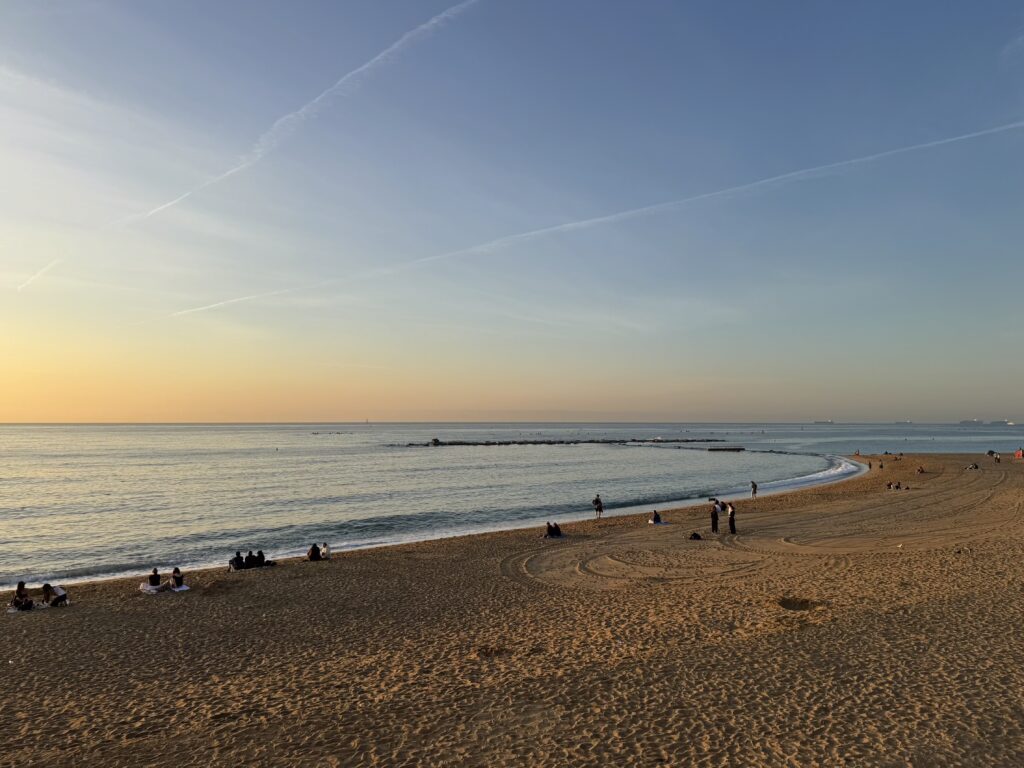
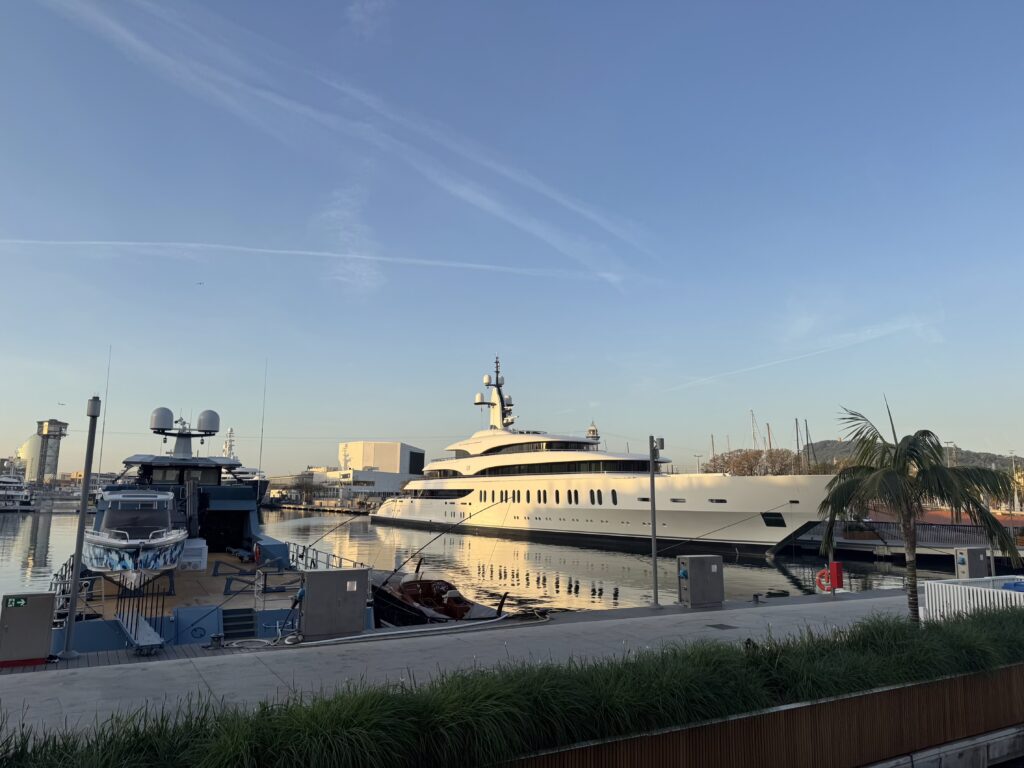
Our quiet day yesterday meant the batteries were recharged for a big day un Barcelona. The alarm was set for a sunrise run to Barceloneta Beach. We’re staying in the Gothic Quarter, so it’s only a couple of km away and well within my geo-fence. A 7am sunrise feels quite luxurious… a bit like the Packer’s floating hotel in Port Vell on the way.
The Barcelona ‘Old City’ is a great part of town. The narrow streets are filled with interesting history so a guided walking tour is a worthwhile investment in understanding the city. I’d done one with with Mum when we were here in 2024 – thankfully this guide had new favourite spots that I could then complement with some familiar ones.
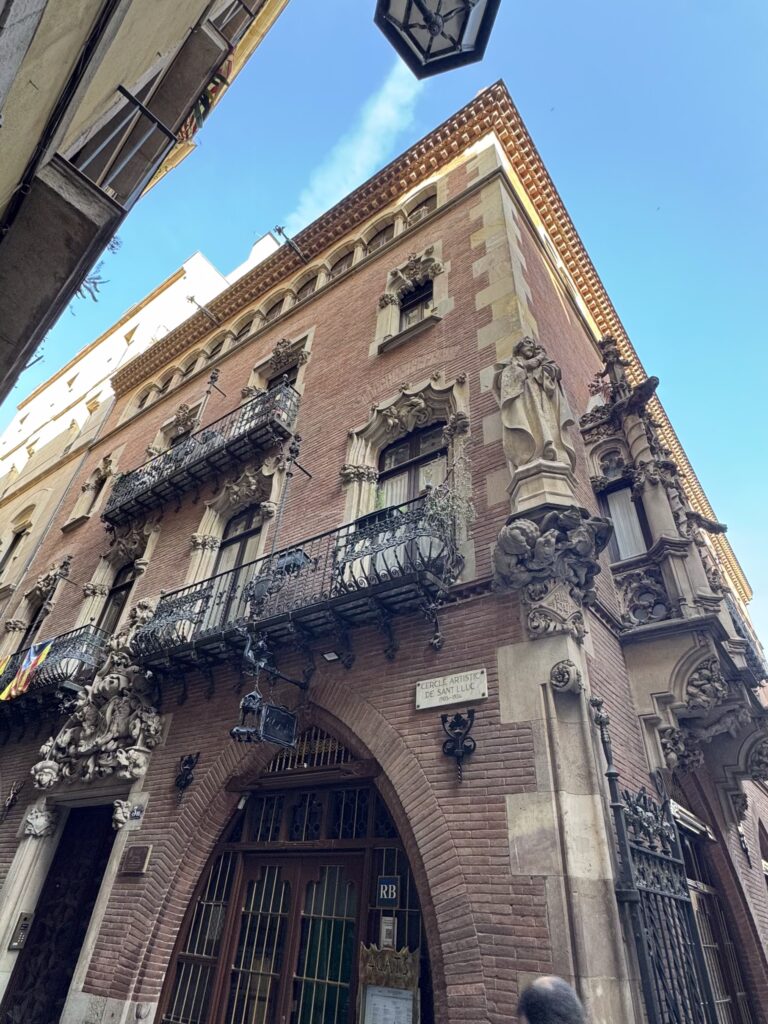
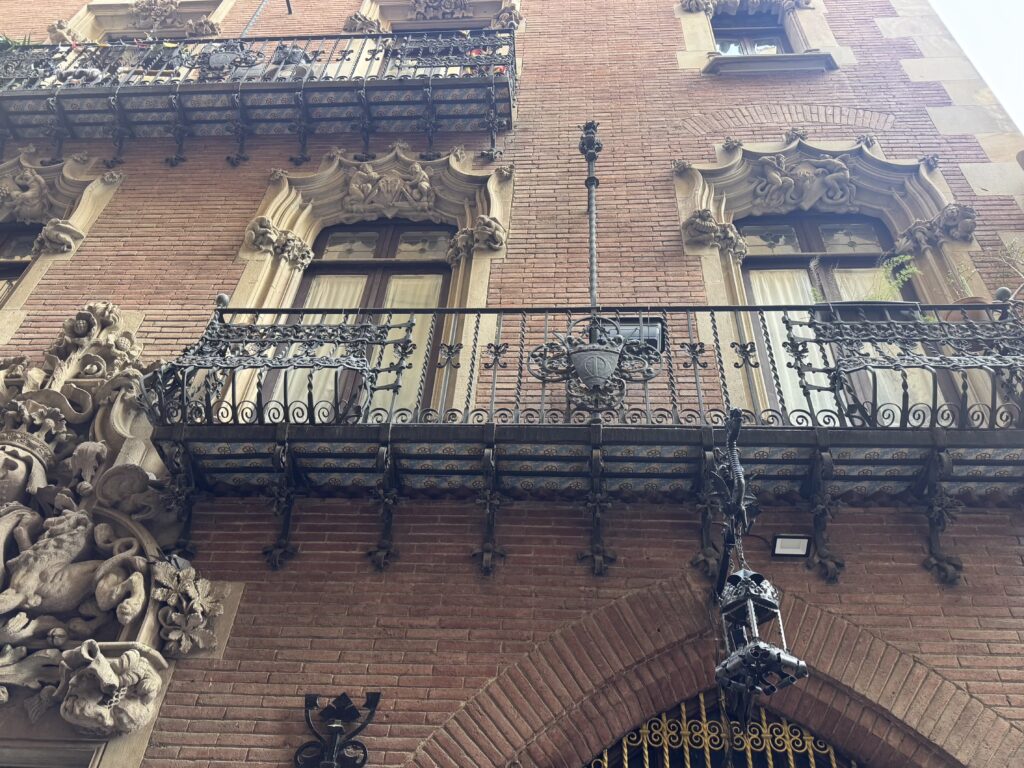
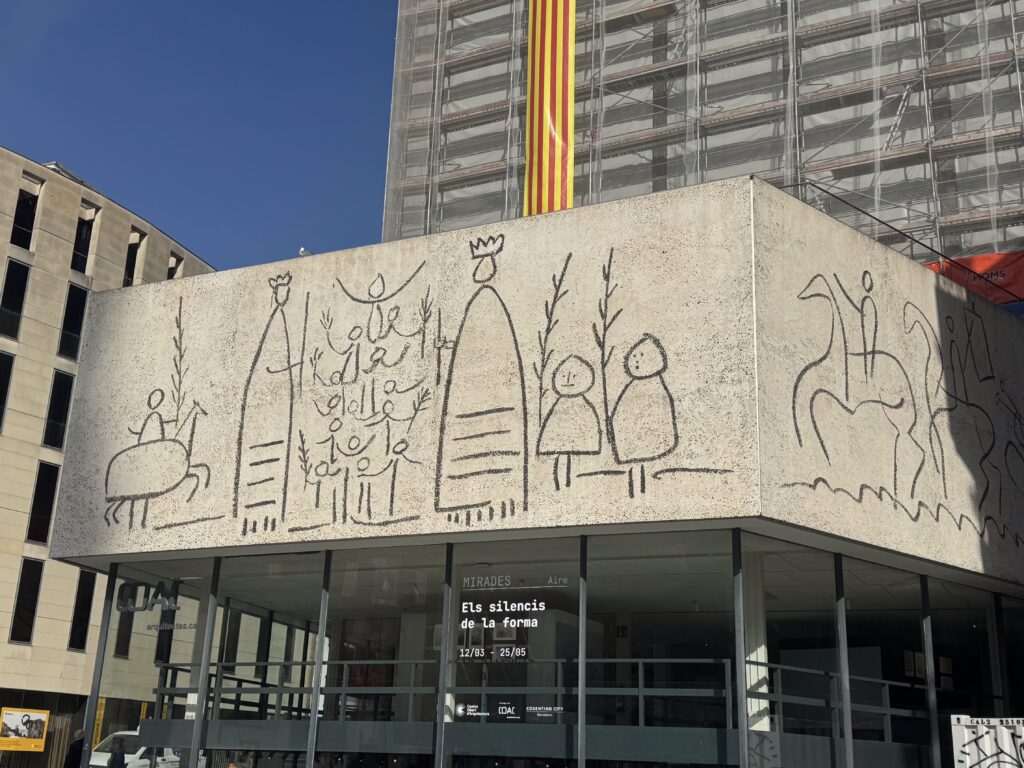
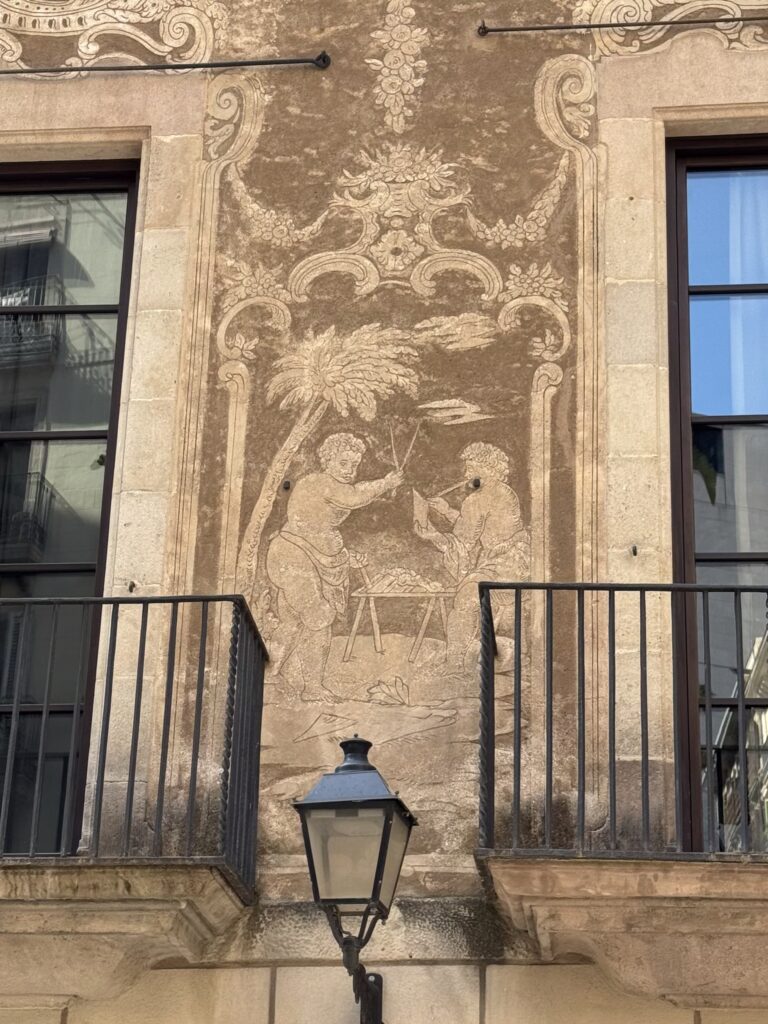
Picasso’s work is woven in to Barcelona, with the ‘4 Gats’ known to be one of his favourite haunts, the site of his first exhibition, and boasting a menu cover designed by him. The building itself is one of the most ornate, including decorative detail on the underside of each balcony so that they were attractive to people who walked the street and looked up. Picasso’s mural in the middle of the city is a well-known nod to Catalan tradition, while thumbing his nose at Francisco Franco, the Dictator at the time it was commissioned.
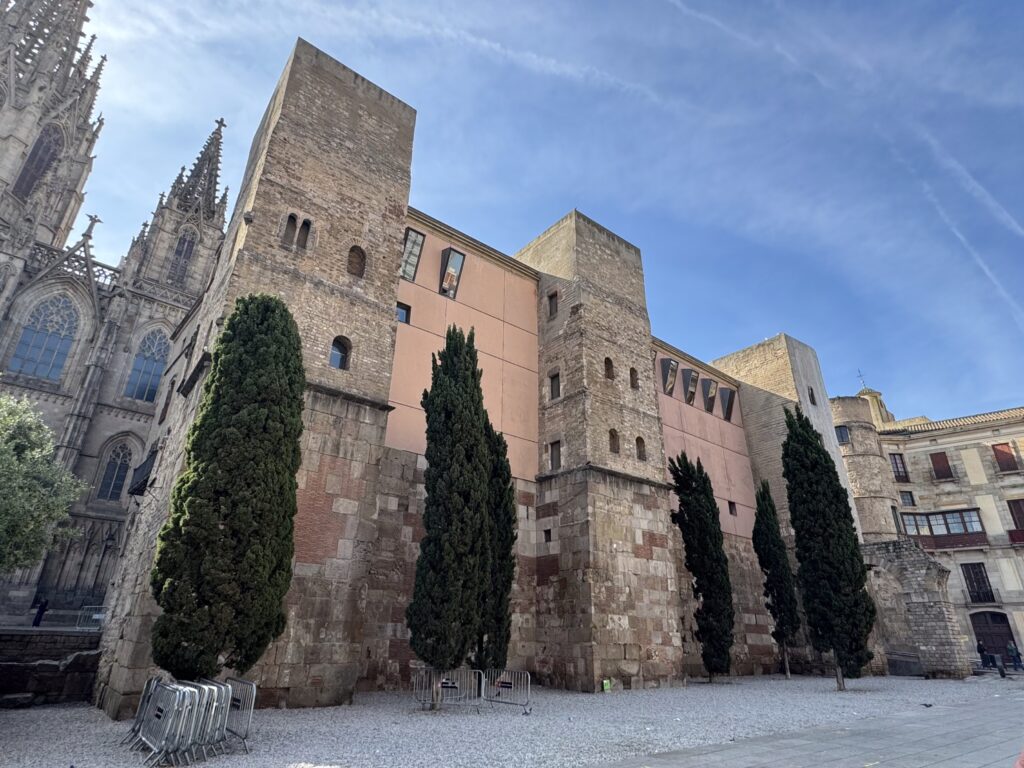
The oldest parts of Barcleona include the Roman Walls that surrounded the original city, with their circular towers signifying the gates.
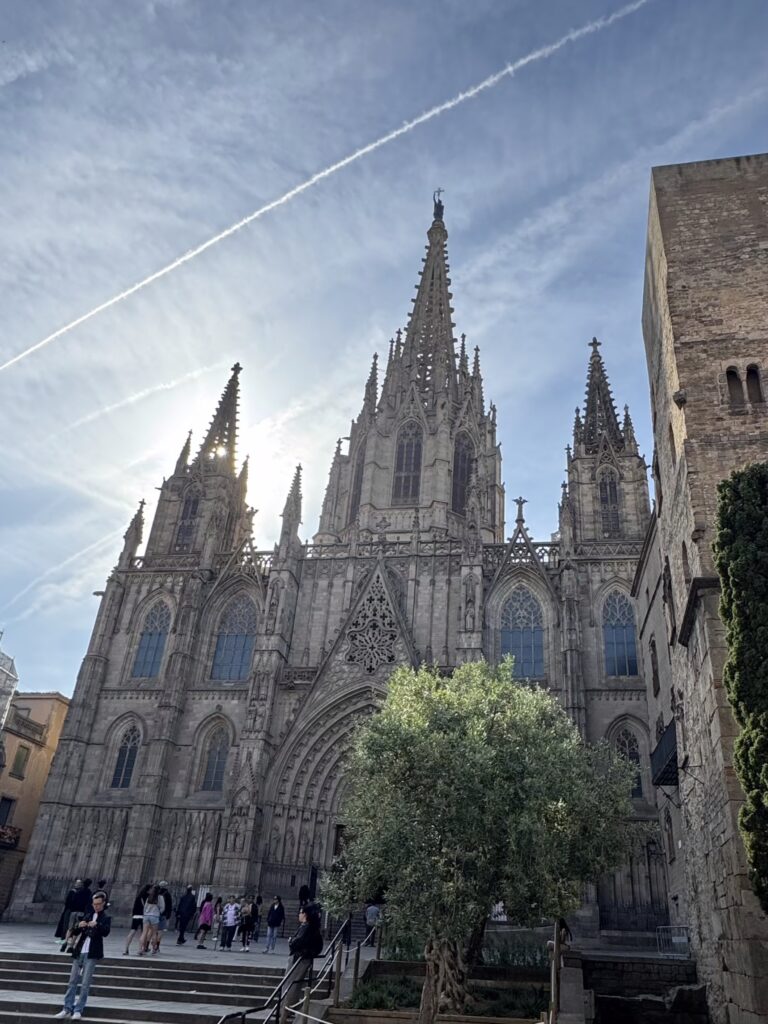
They sit alongside the Barcelona Cathedral – the Cathedral of the Holy Cross and St Eulalia that was constructed between the 13th-15th centuries, with the Gothic facade completed in the 19th century. St Eulalia is the patron saint of Barcelona who was subjected to 13 rounds of torture before she was beheaded at age 13. There are now 13 white geese that live in the cathedral in her honour – no doubt well-fed and well-loved!
The tour took us through sites heavily influenced by Arabic culture, and spaces damaged during the Spanish Civil War. There is literally history preserved around every corner.
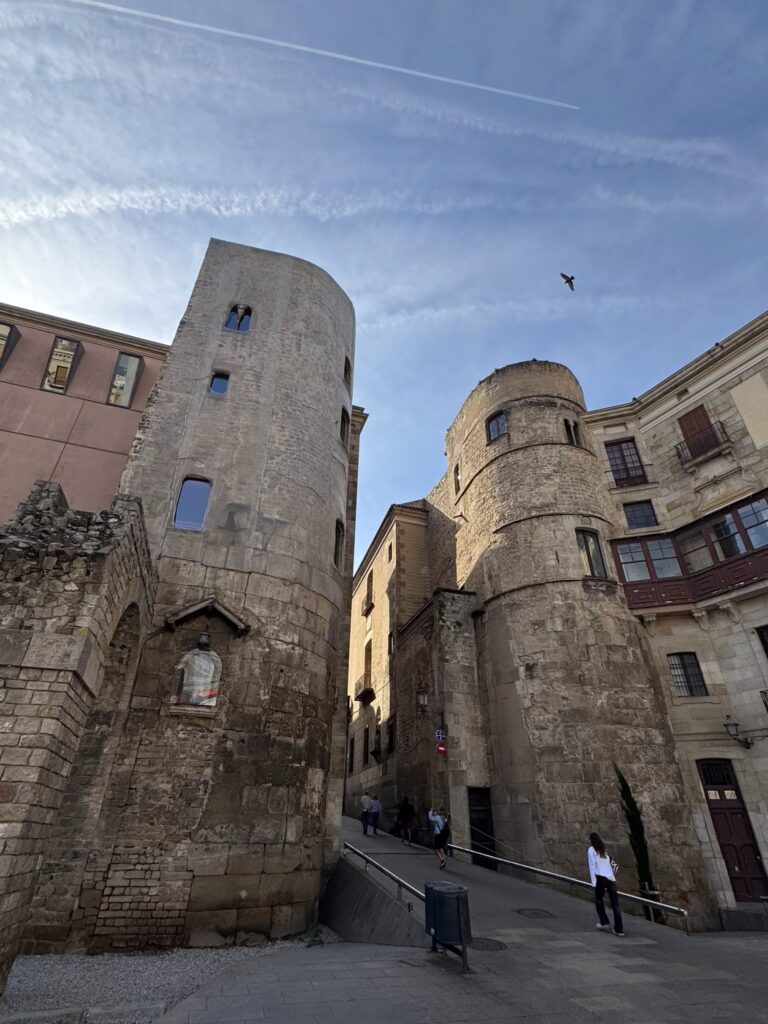
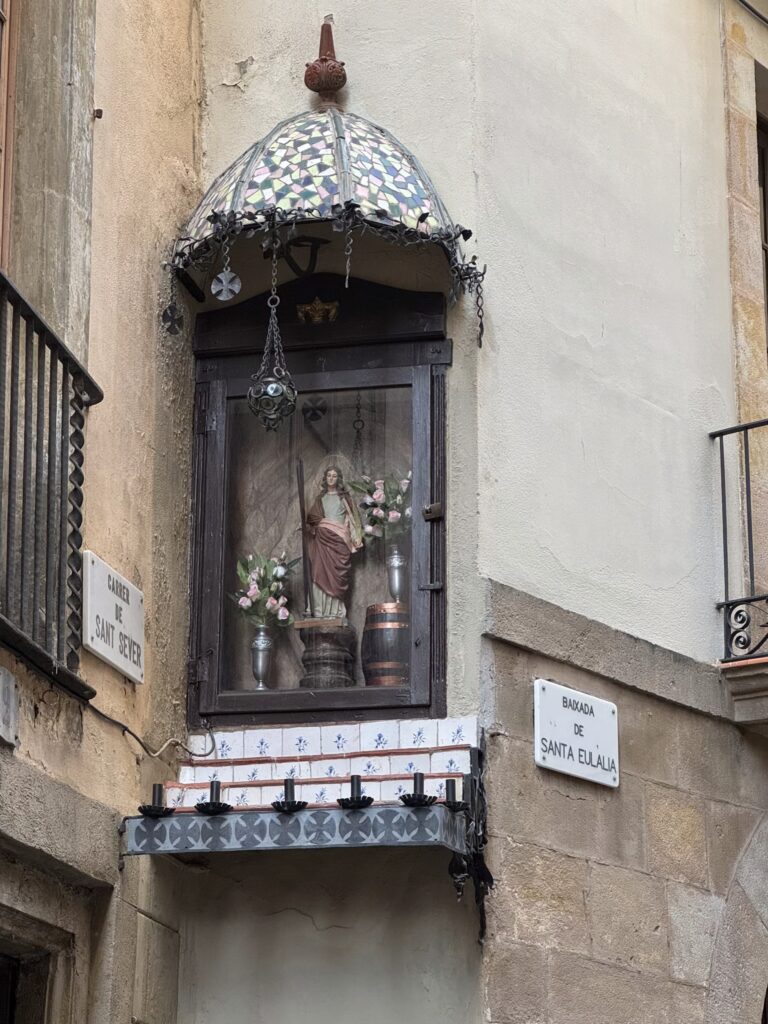
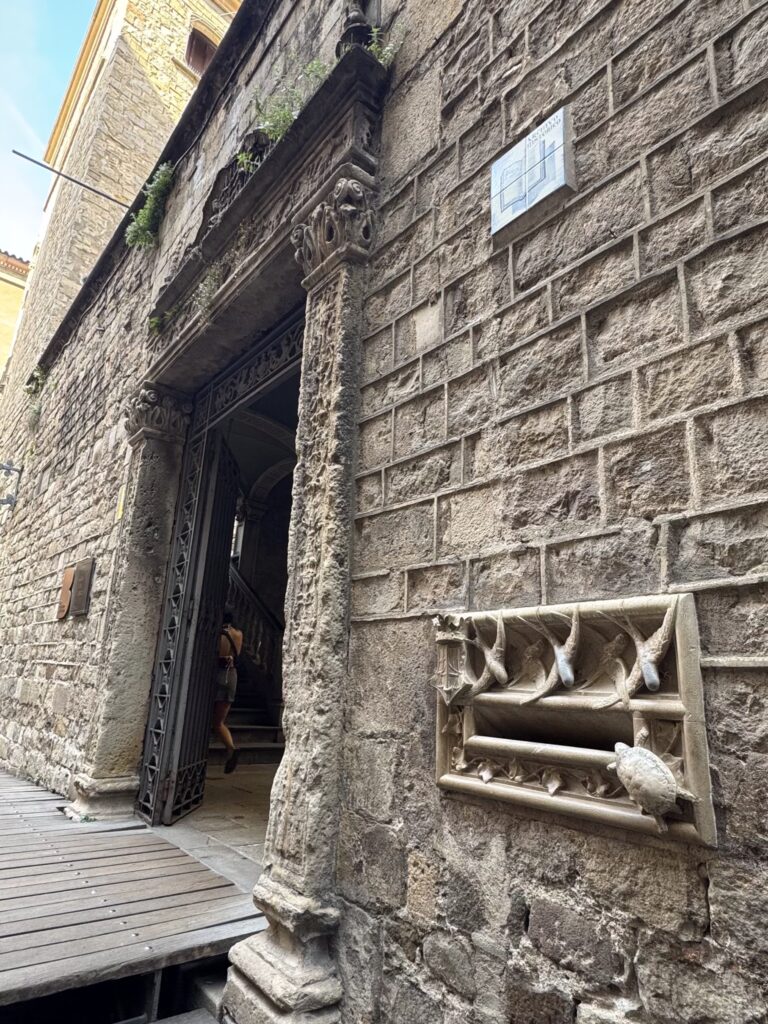
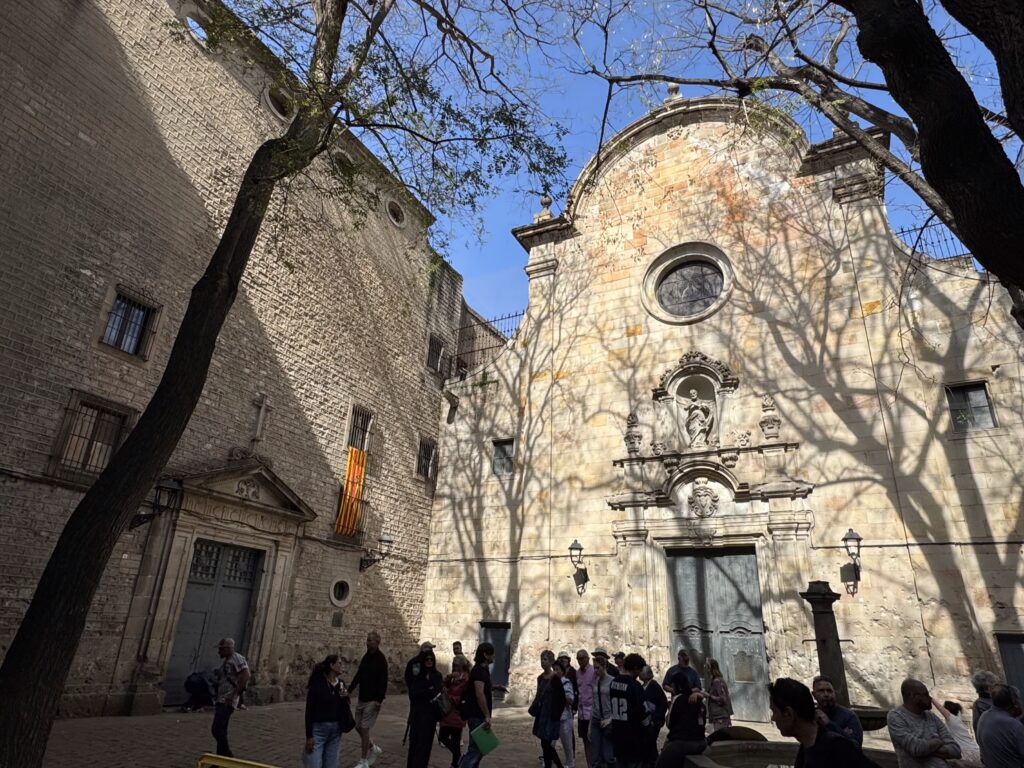
The city continues to uncover historical sites and artefacts from Roman times. There is a requirement that these remain available and free to the public when found on the ground floor in retail and restaurant sites. Where they are found on upper floors residents are required to preserve them.
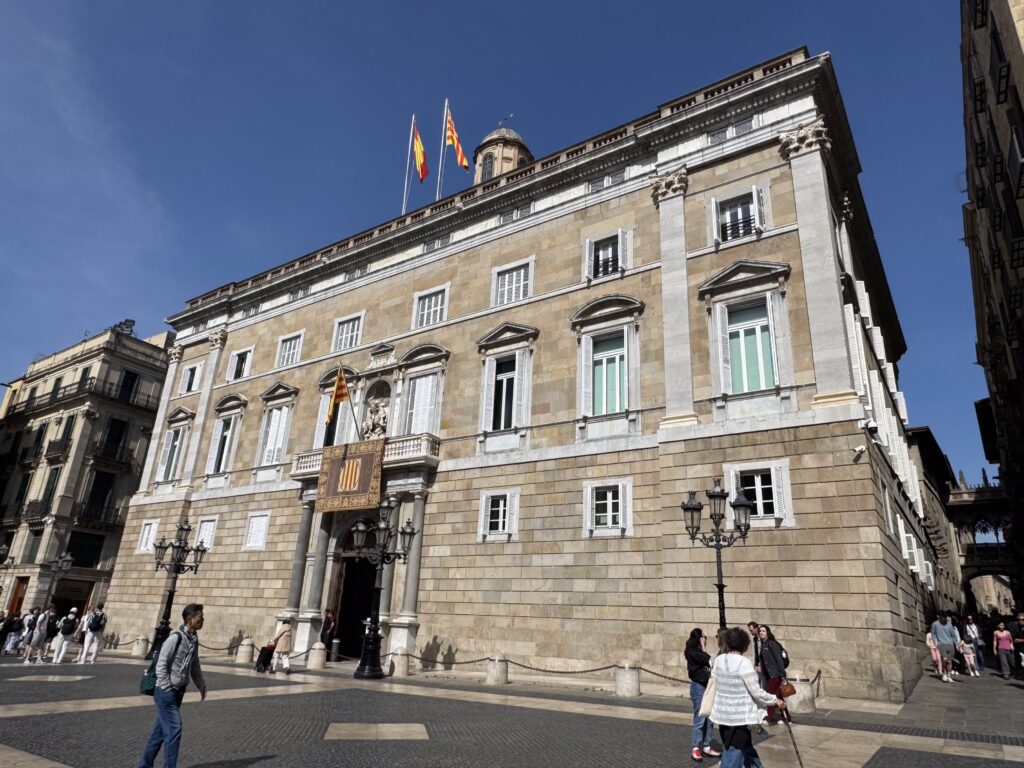
The benefit of the guide is the little places you’d never find on your own… this fairly non-descript arch is both marked as the highest point of the old city (16.9 metres above sea level!) and an access point to Roman columns nestled between buildings. A few streets away, walls built in Roman times are just part of a square – you’d barely register they’re there.
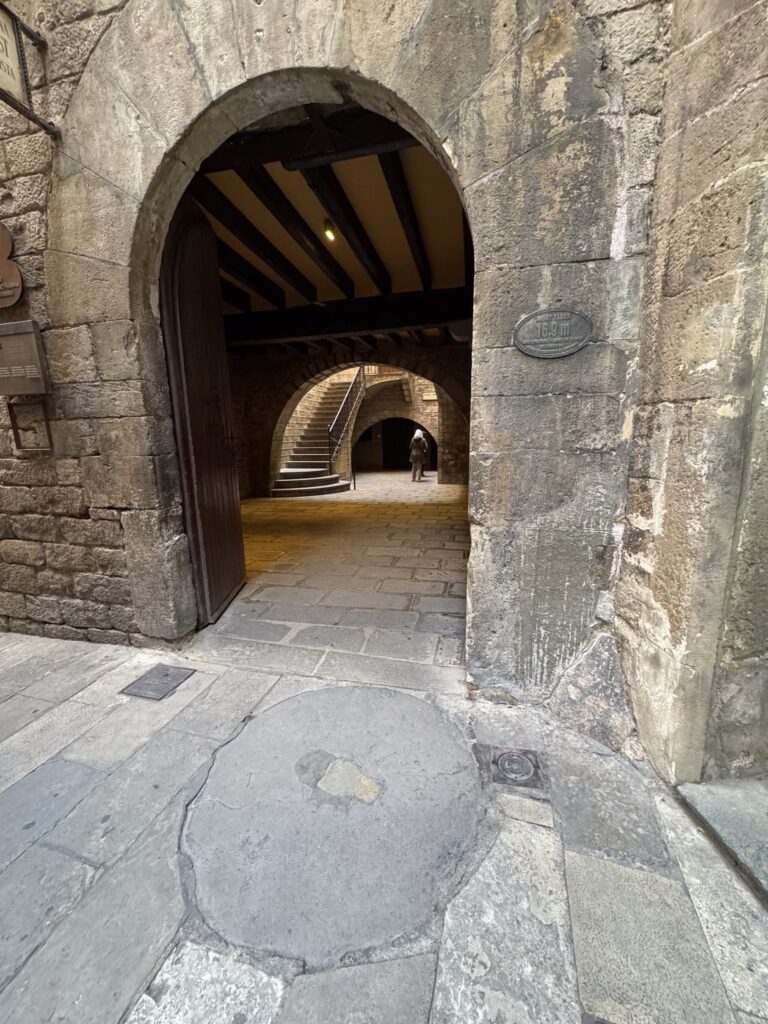
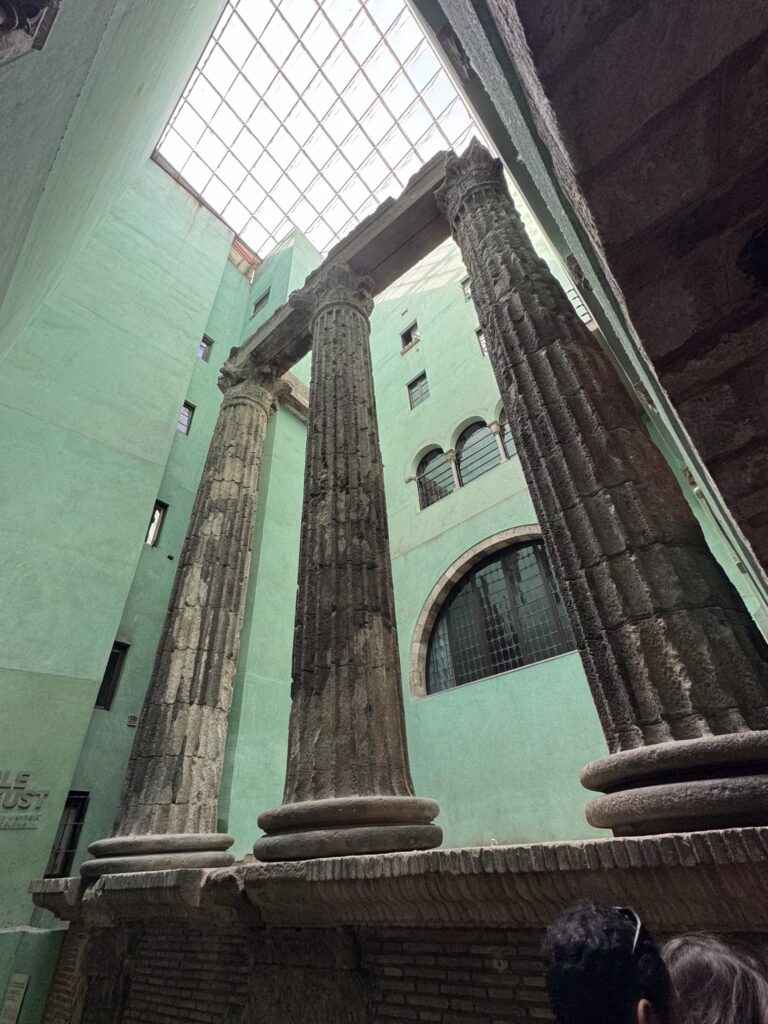
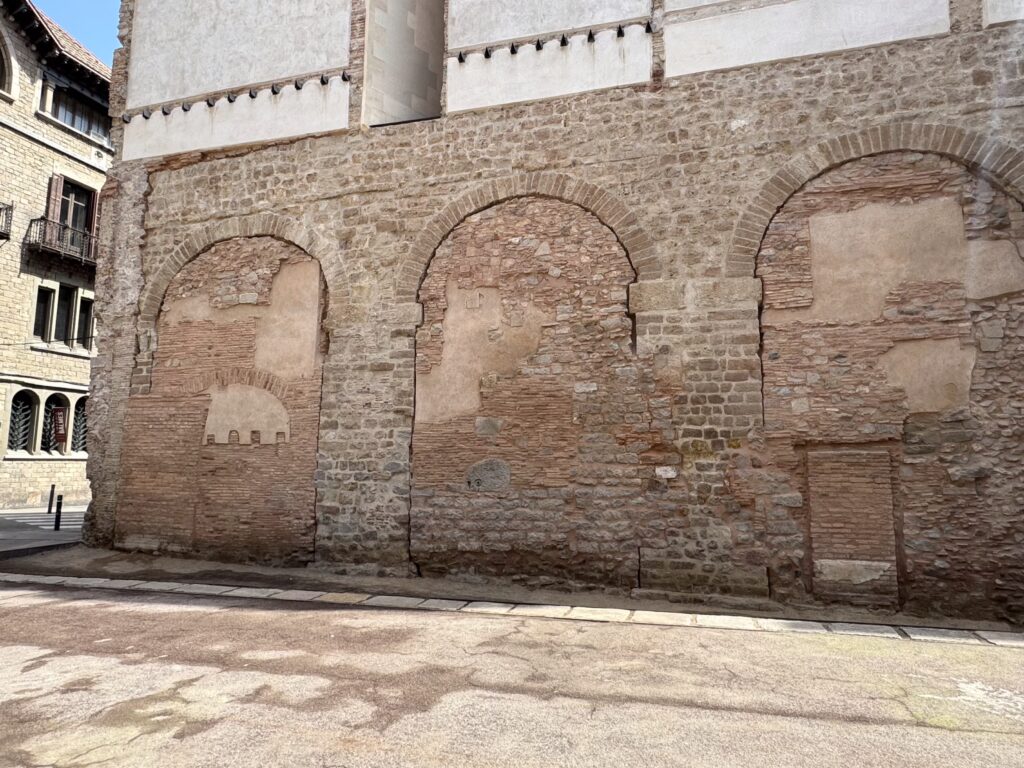
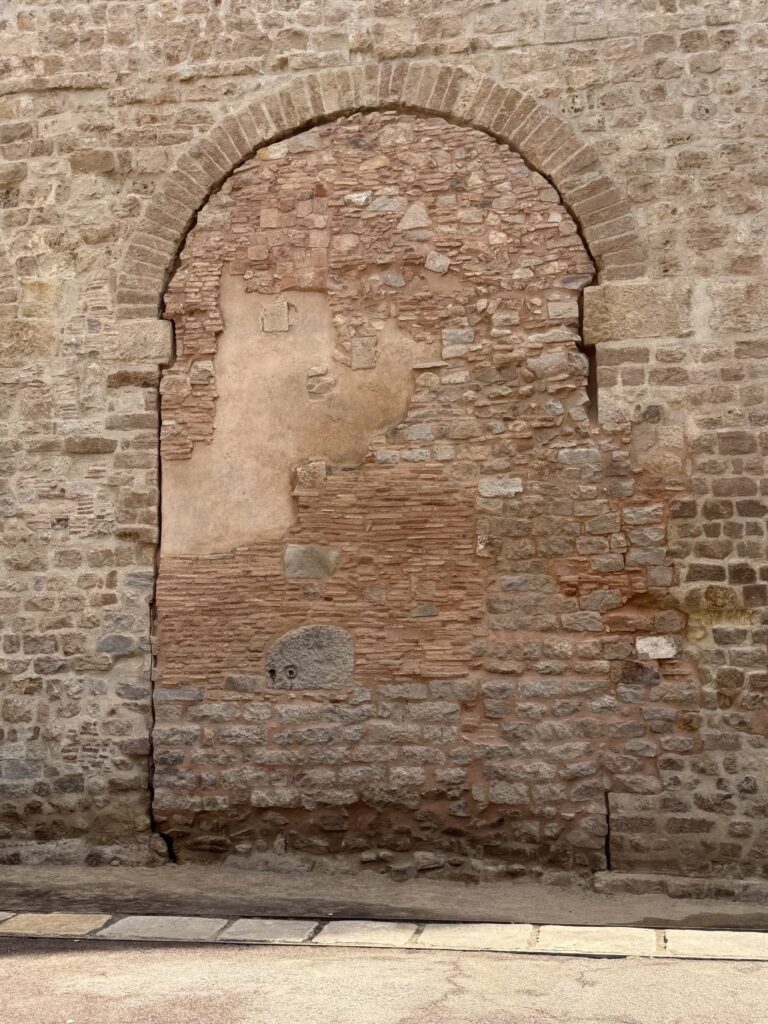
The willingness to respect and preserve history in this part of town wouldn’t be easy. Lovely old buildings on the outside are gutted and modernised on the inside, and you’d barely know it.
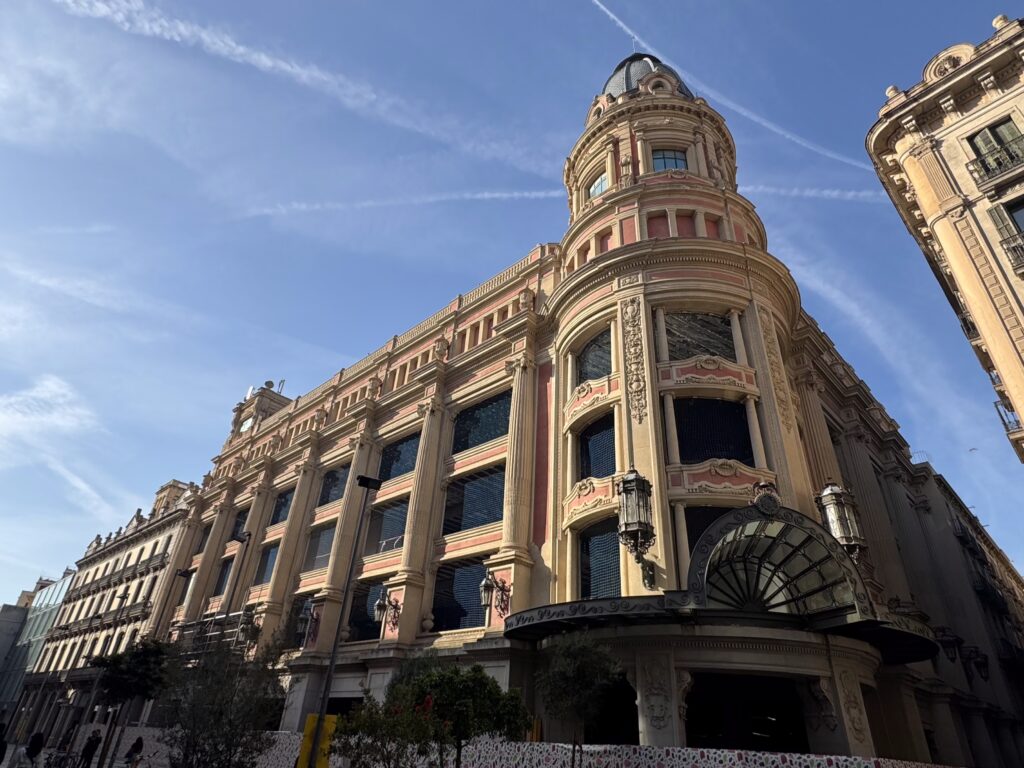
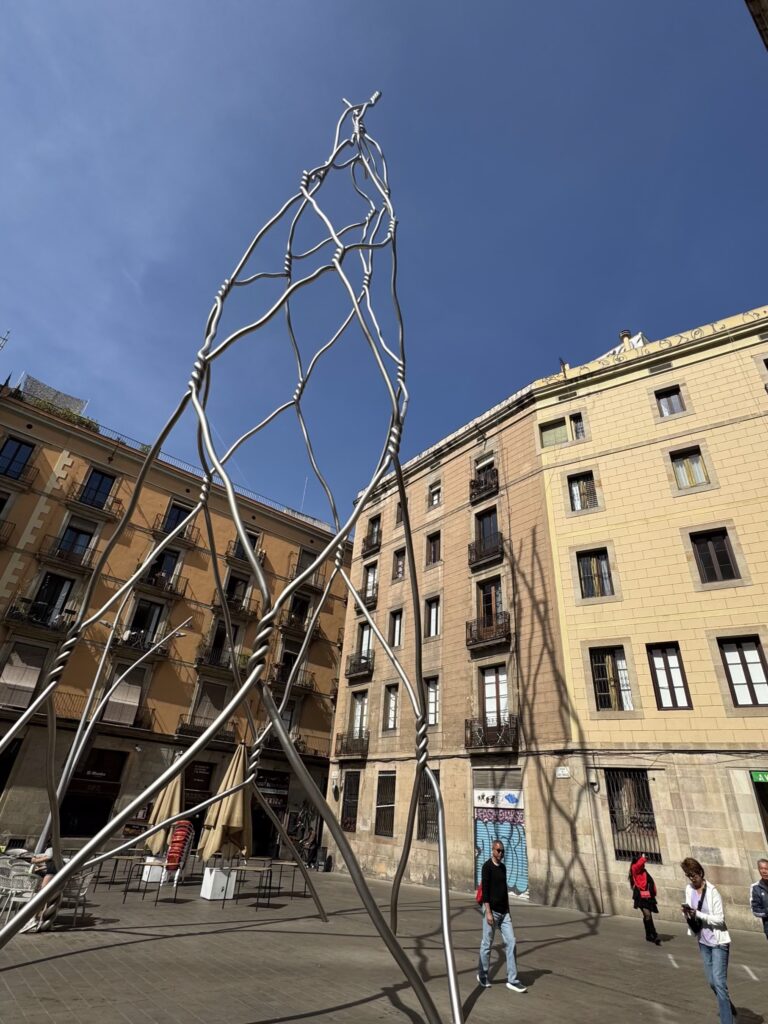
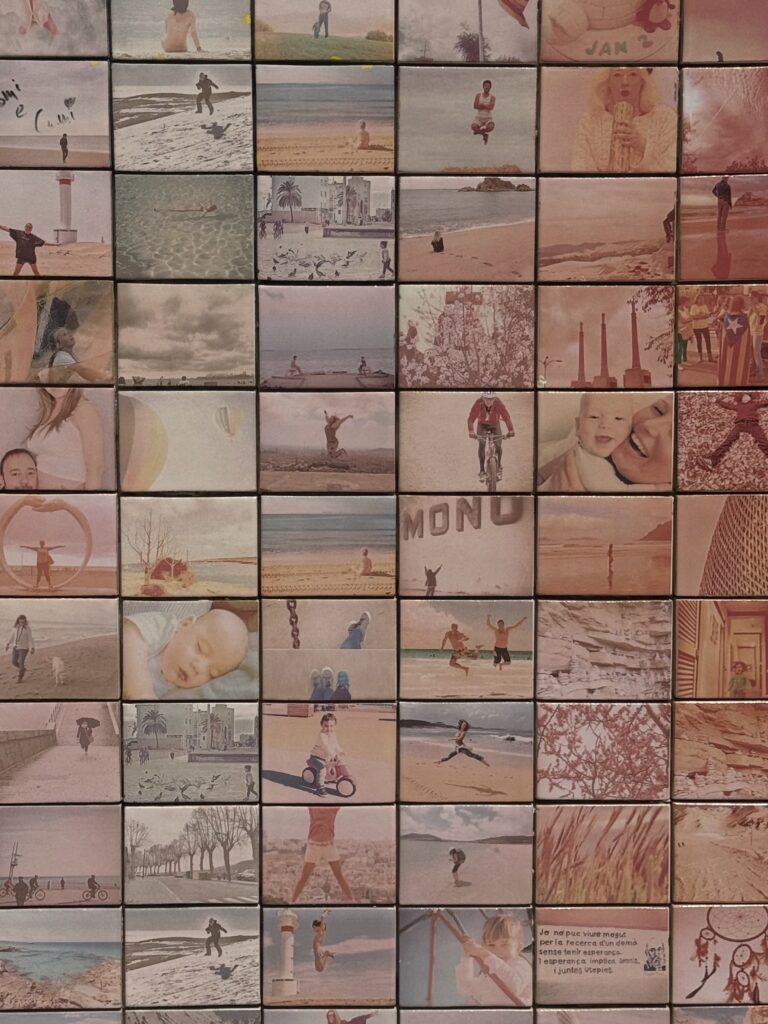
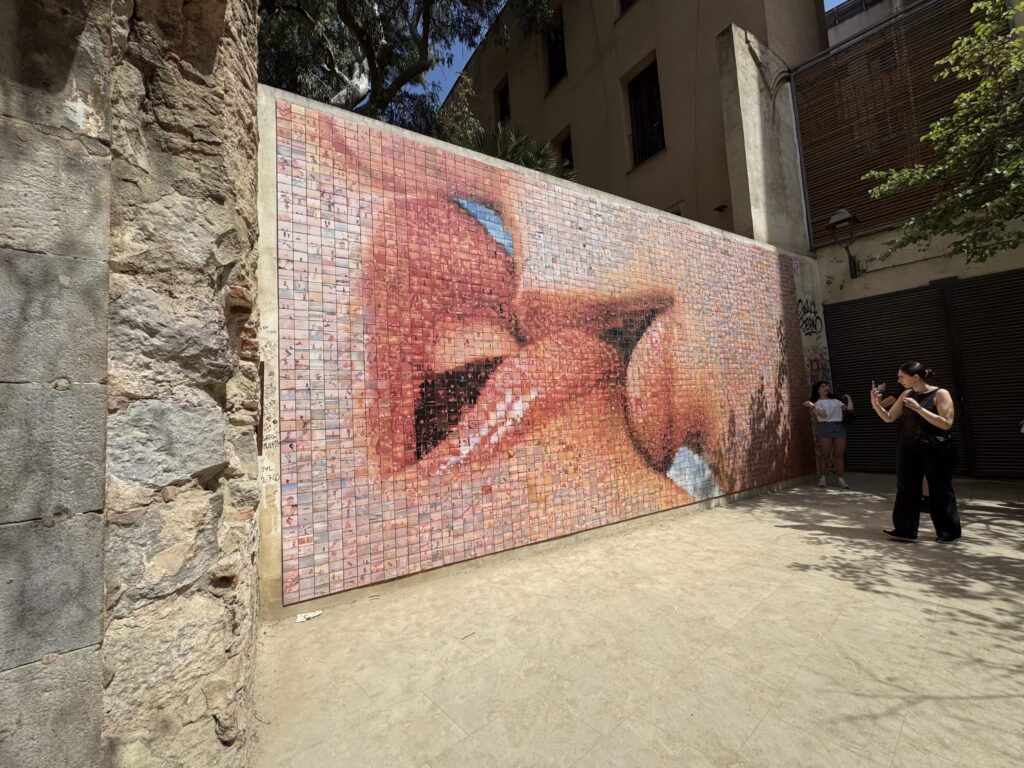
Art is also a prominent feature of the area with ornate facades, modern structures, and one of the most instagrammable spots in town – this mural titled ‘The World Comes to Life With Each Kiss’ by Joan Fontcuberta was made with photos donated by locals that describe moments of freedom.
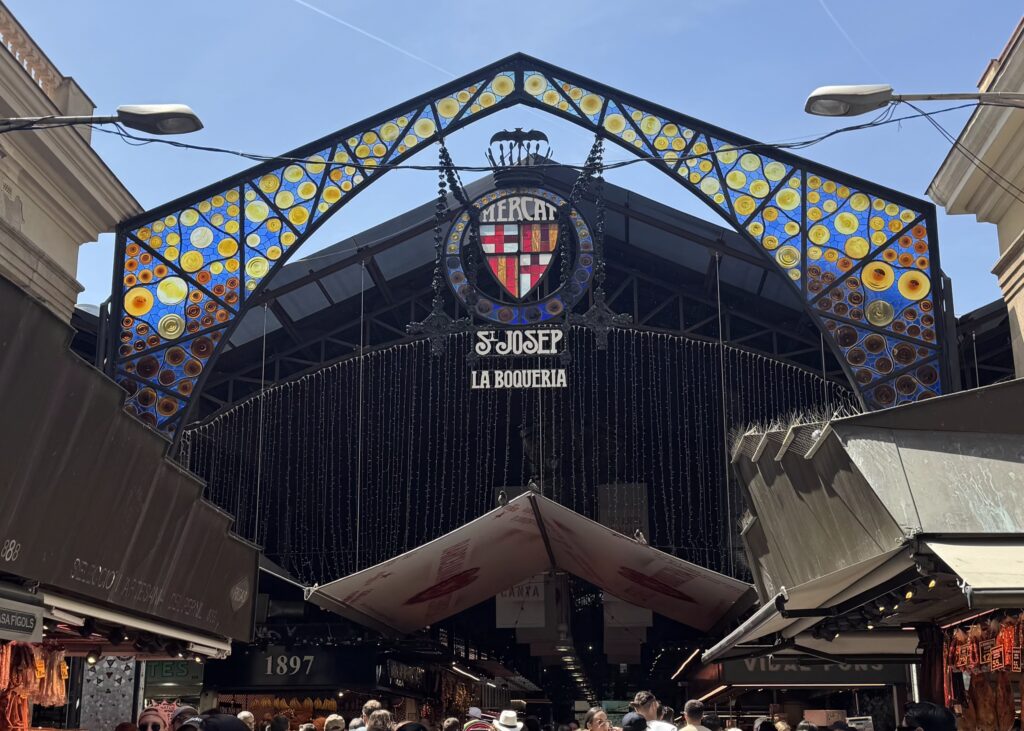
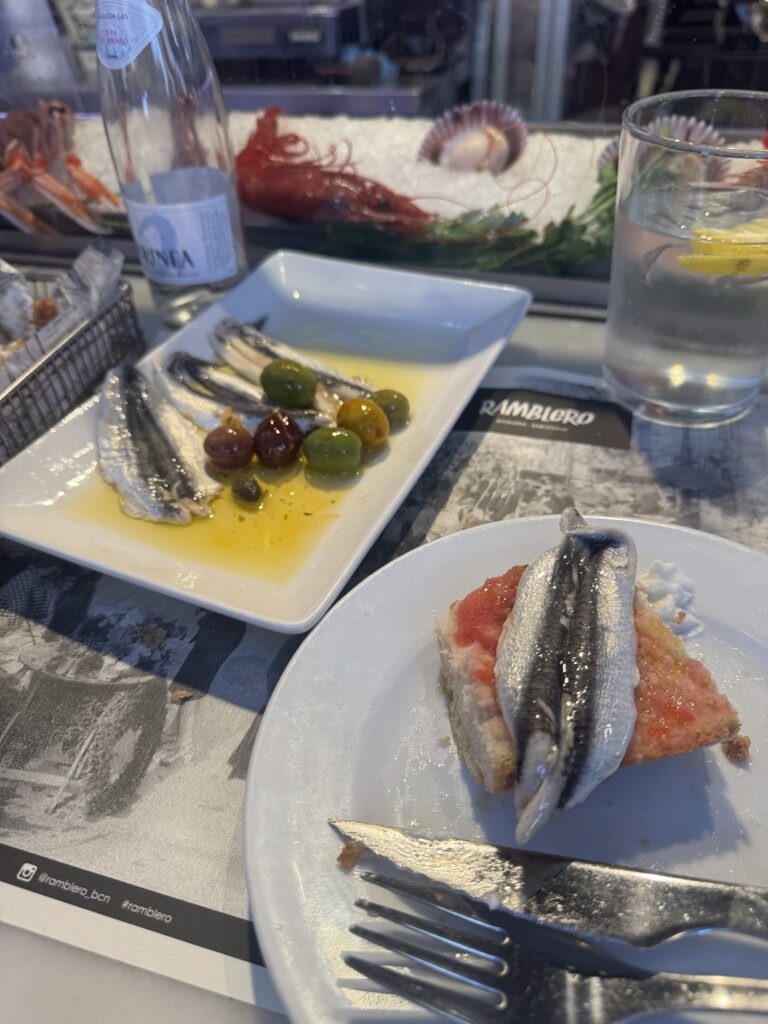
La Boqueria Market is a large public market of La Rambla, one of the main streets in Barcelona. Markets always give an interesting insight into life through food… boquerones (fresh anchovies) in vinegar are exceptionally good!
The hams and spiced sausages hang throughout the markets. Considering the climate, it seems really odd to see these kinds of foods out in the open air.
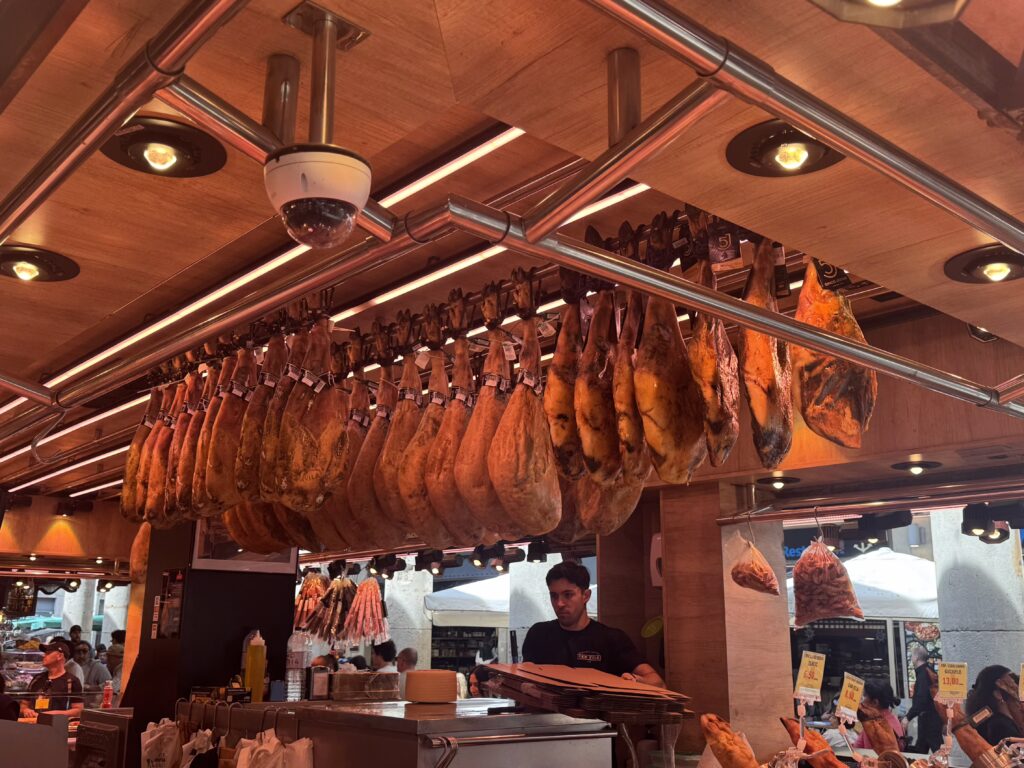
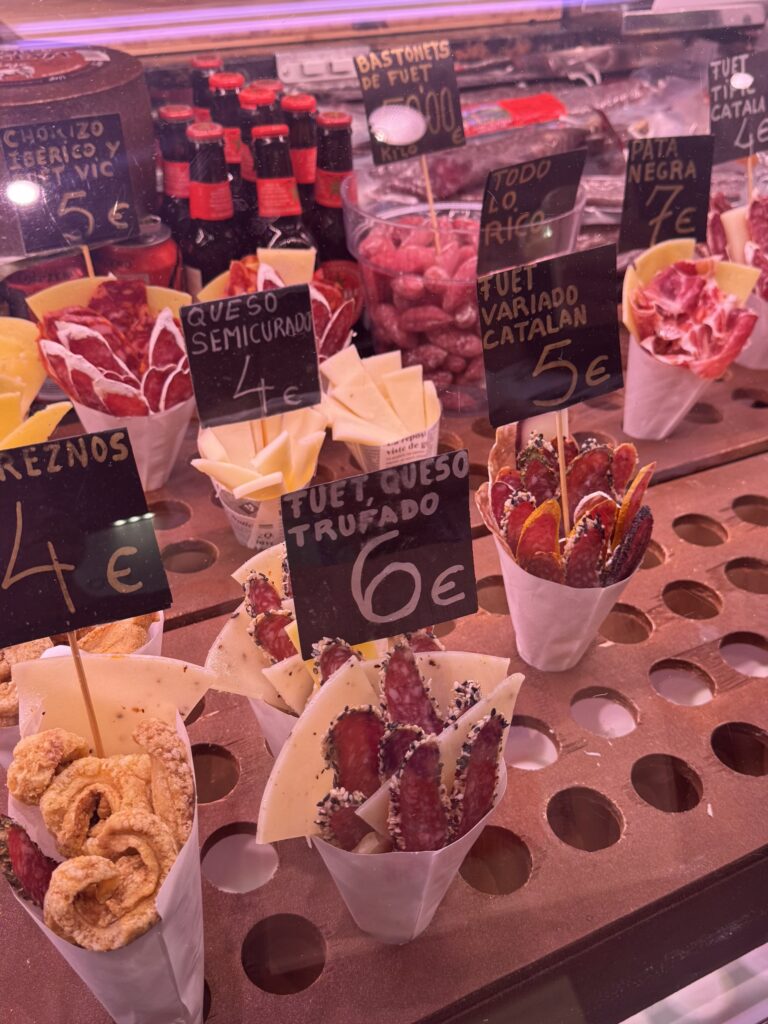
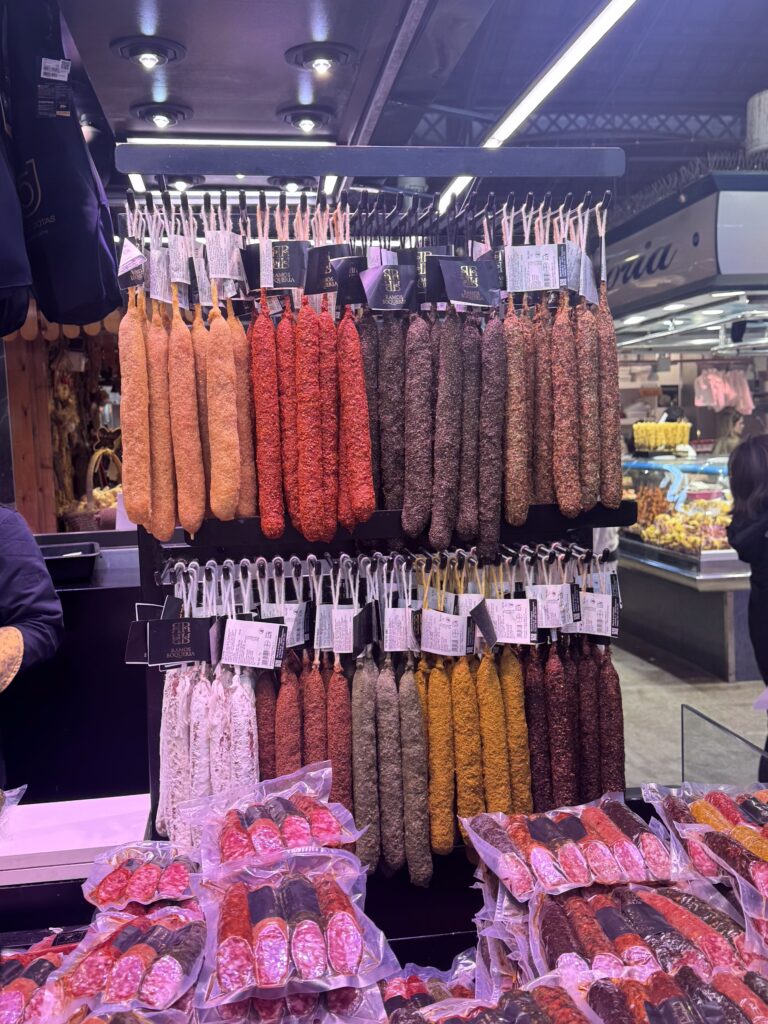
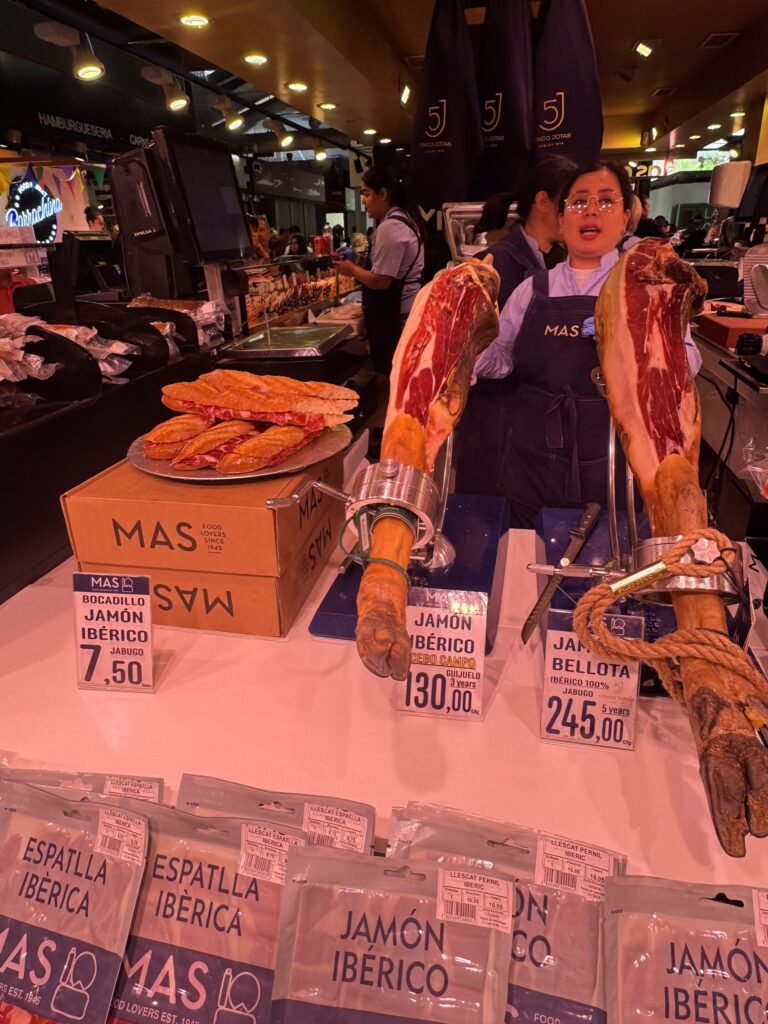
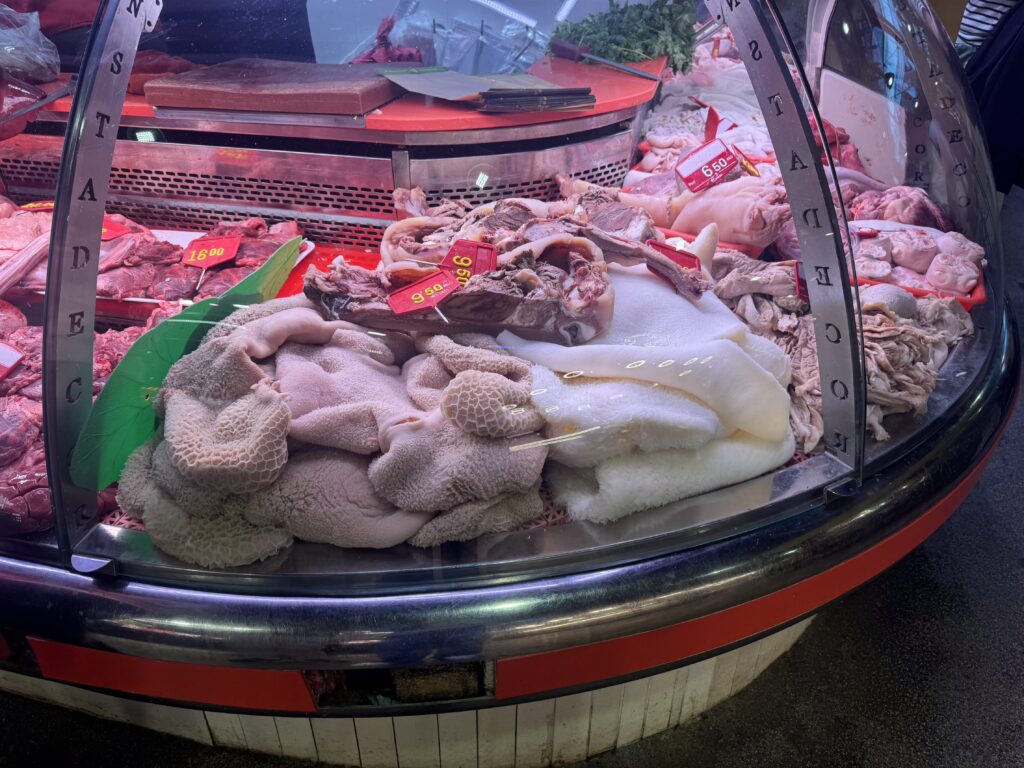
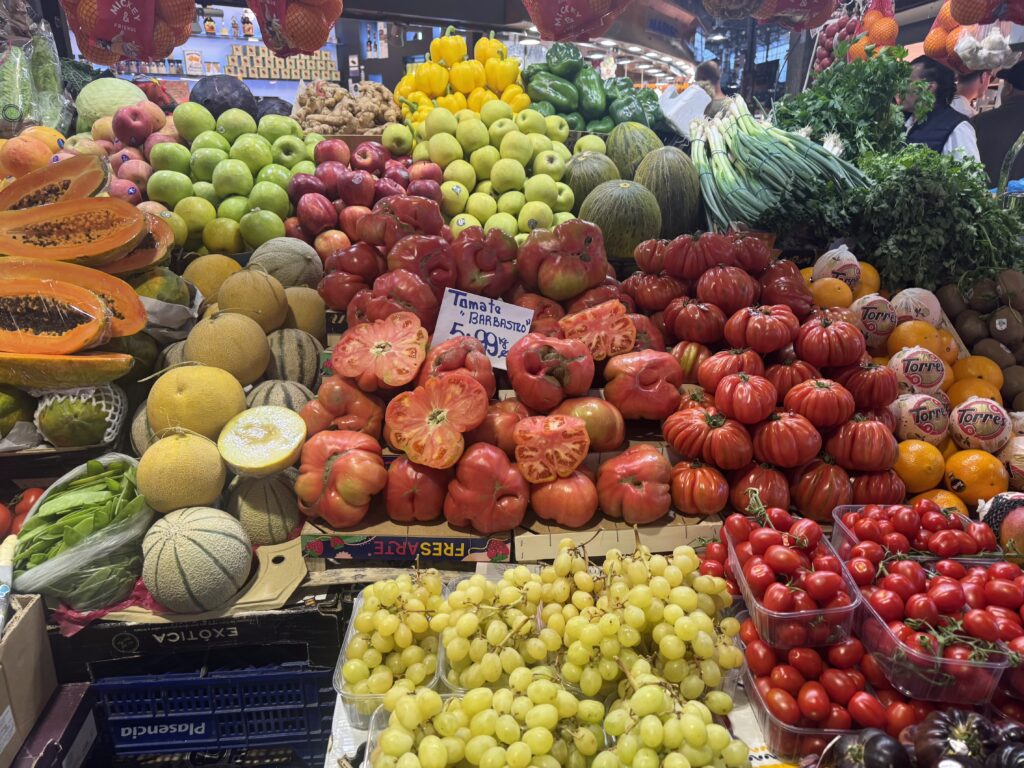
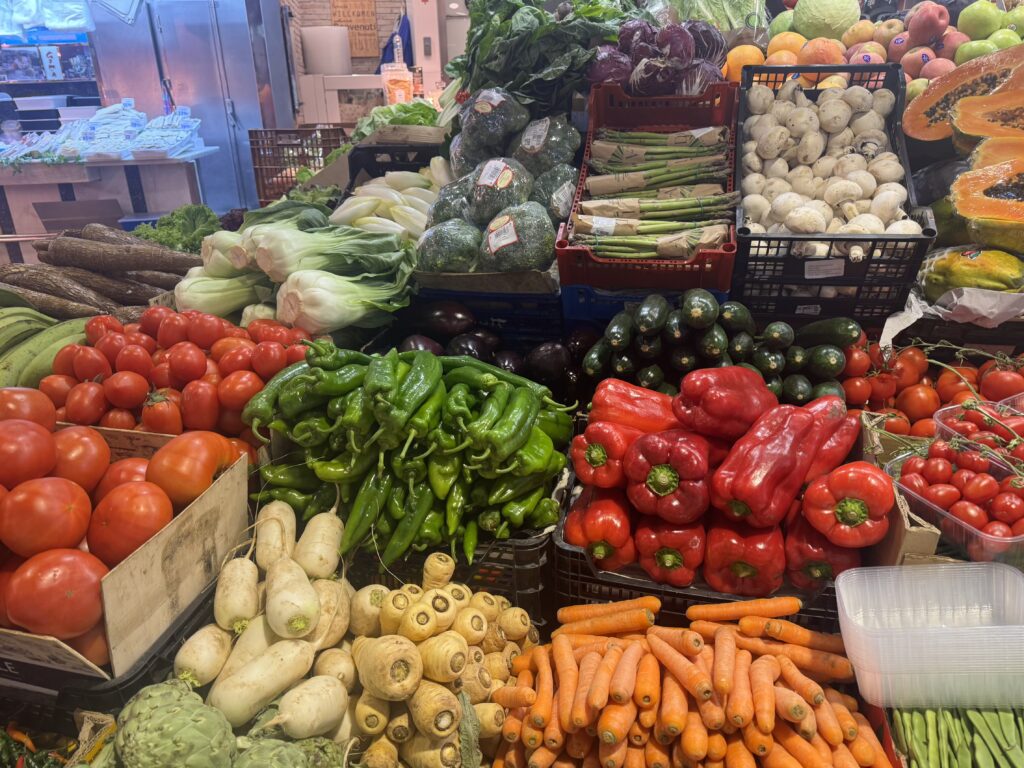
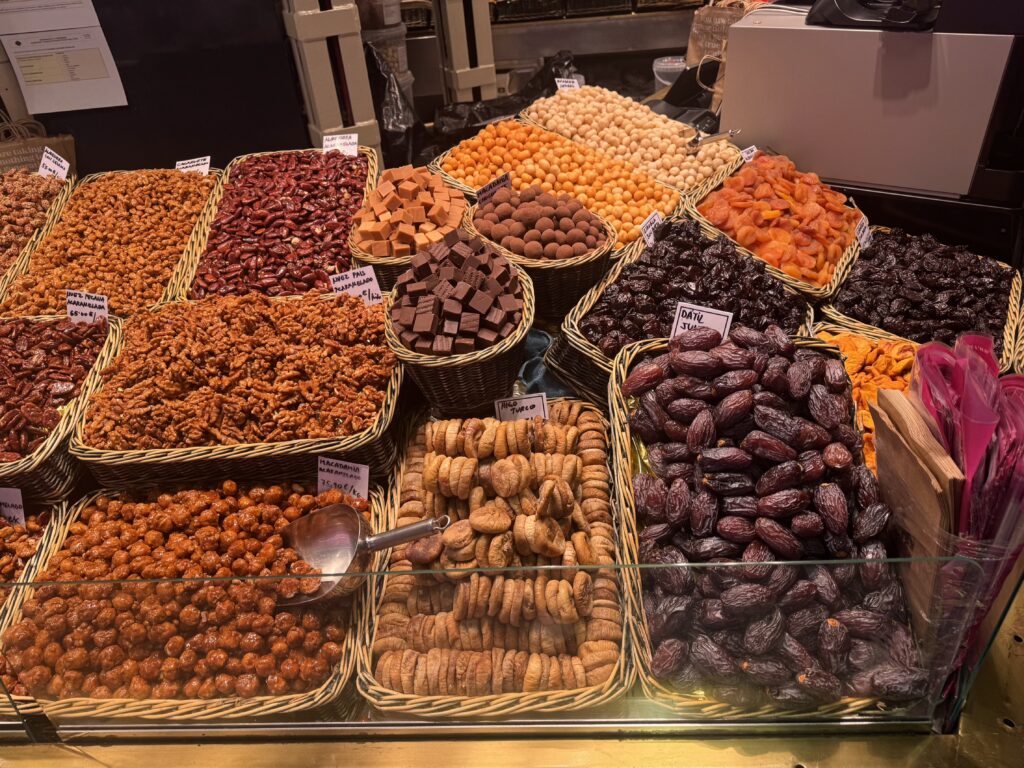
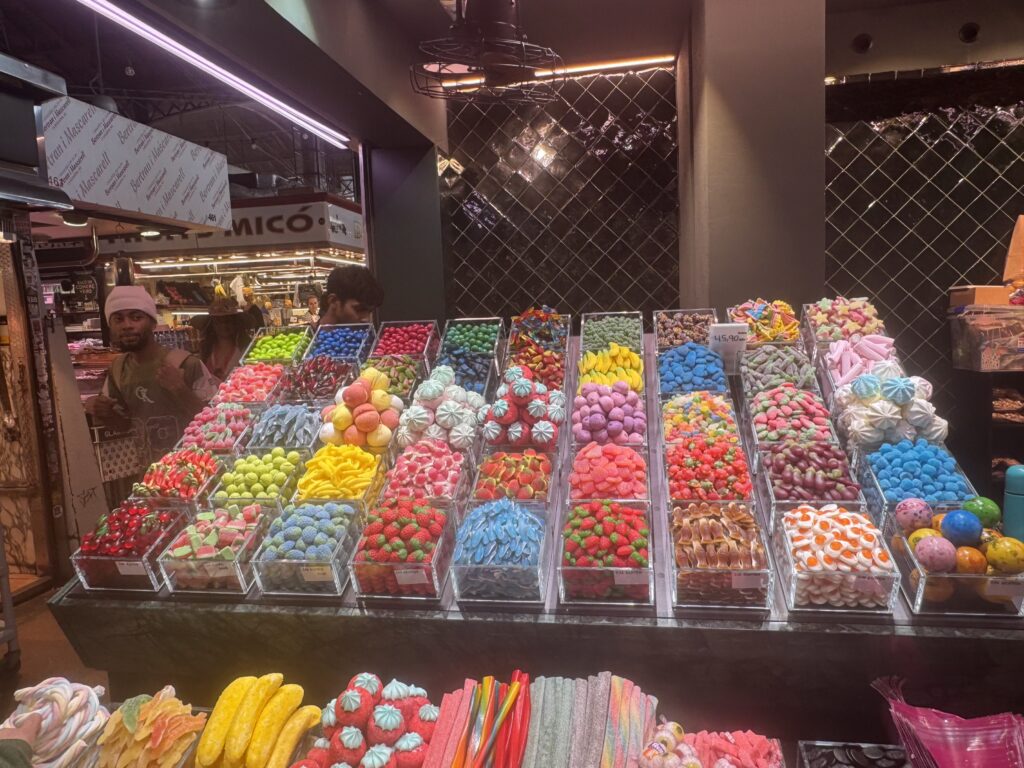
The rest of the space is made up of fruit & vegetables, nuts and lollies. Very much focused on food rather than drink, with very few stalls selling breads and pastries that seem to be everywhere else in the city. Everything seems oversized!
Following on from our little dose of Picasso in the mornnig, we headed to the Picasso museum. It’s one of the most significant collections of his work in the world, housed across 4 castles in the middle of the old town. It’s a great use of these old spaces.
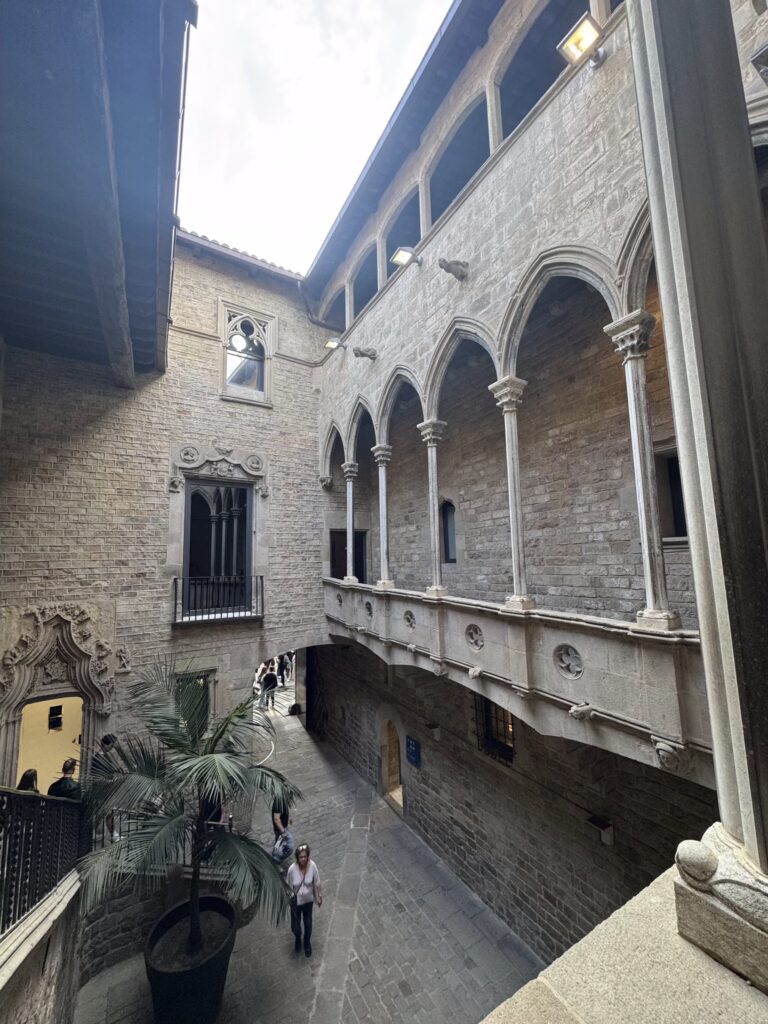
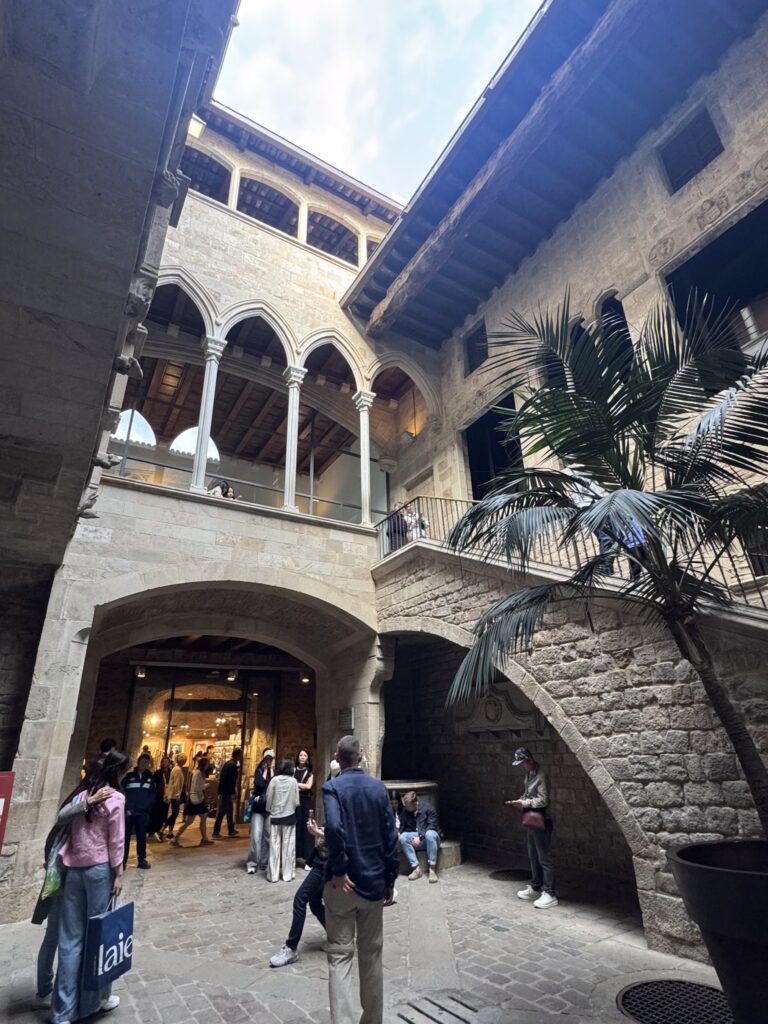
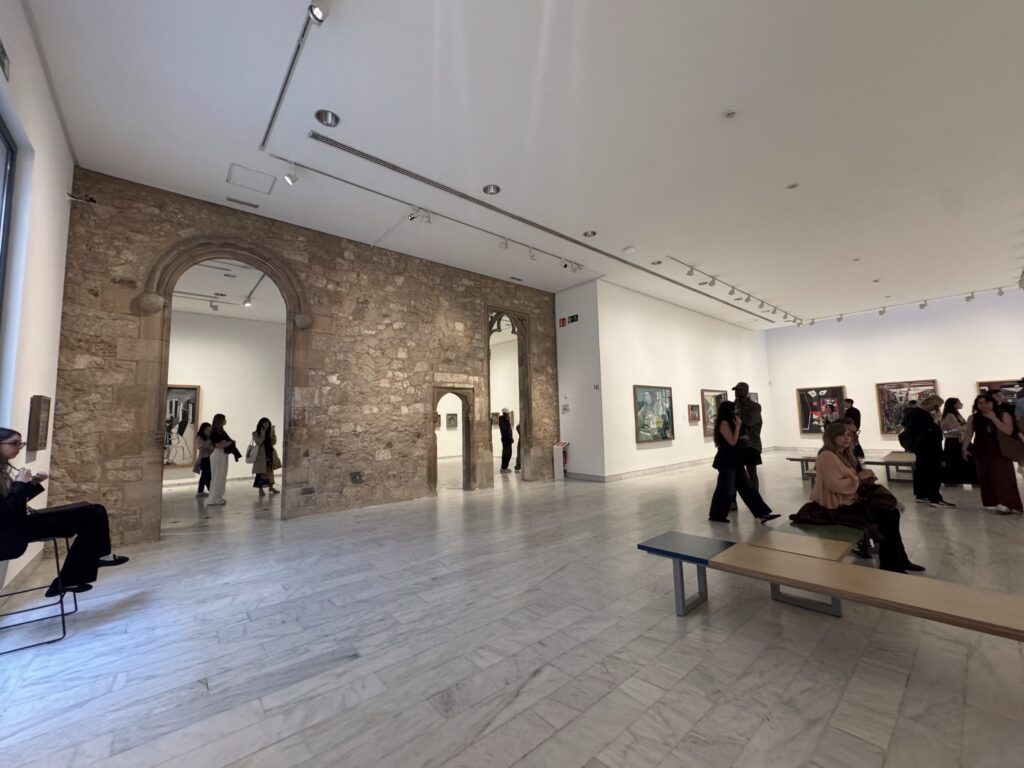
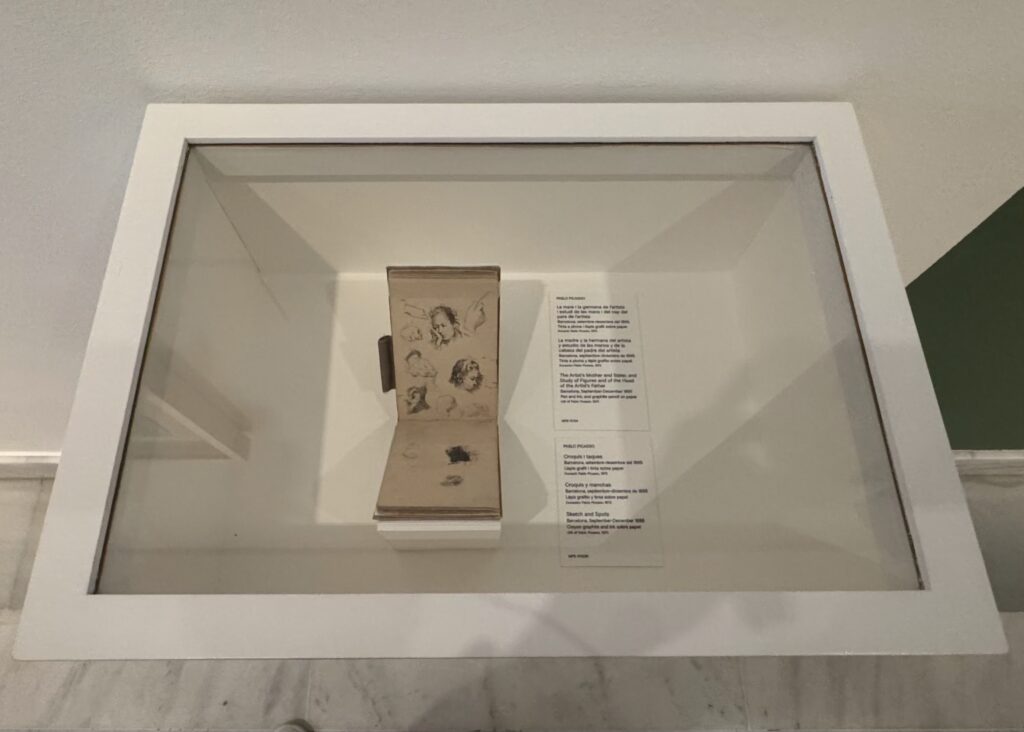
The breadth of Picasso’s style and works is huge. There are many examples of his early work and his progress through art school – hundreds of tiny sketches captured in notebooks that show how much hard work and talent intersect.
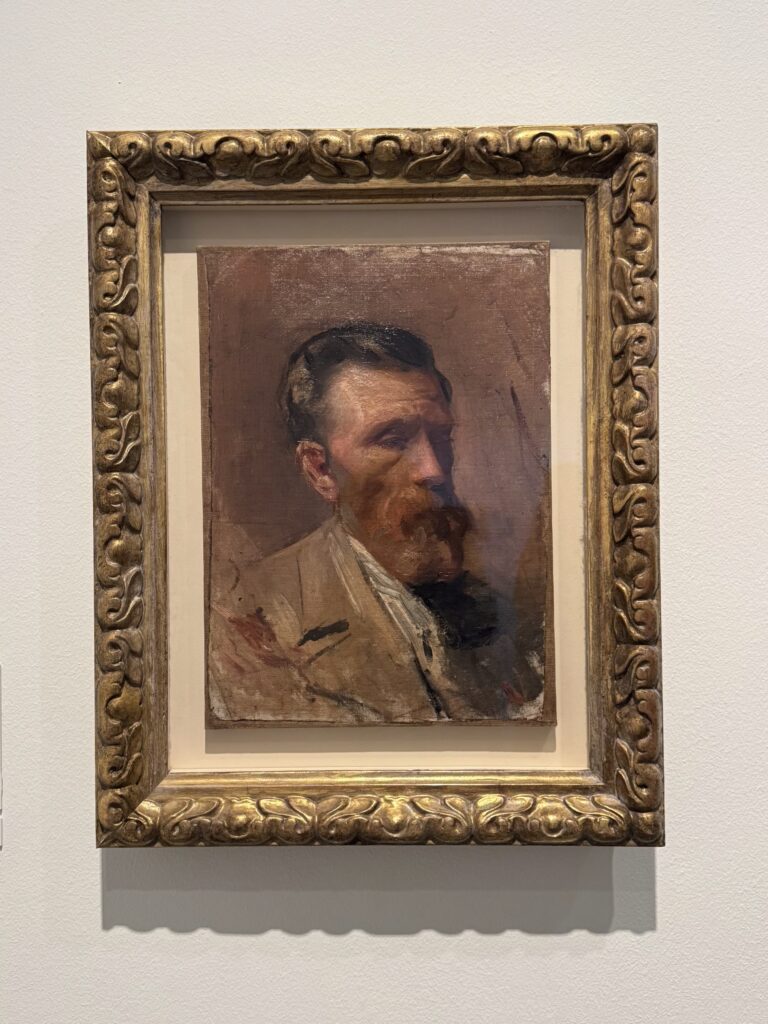
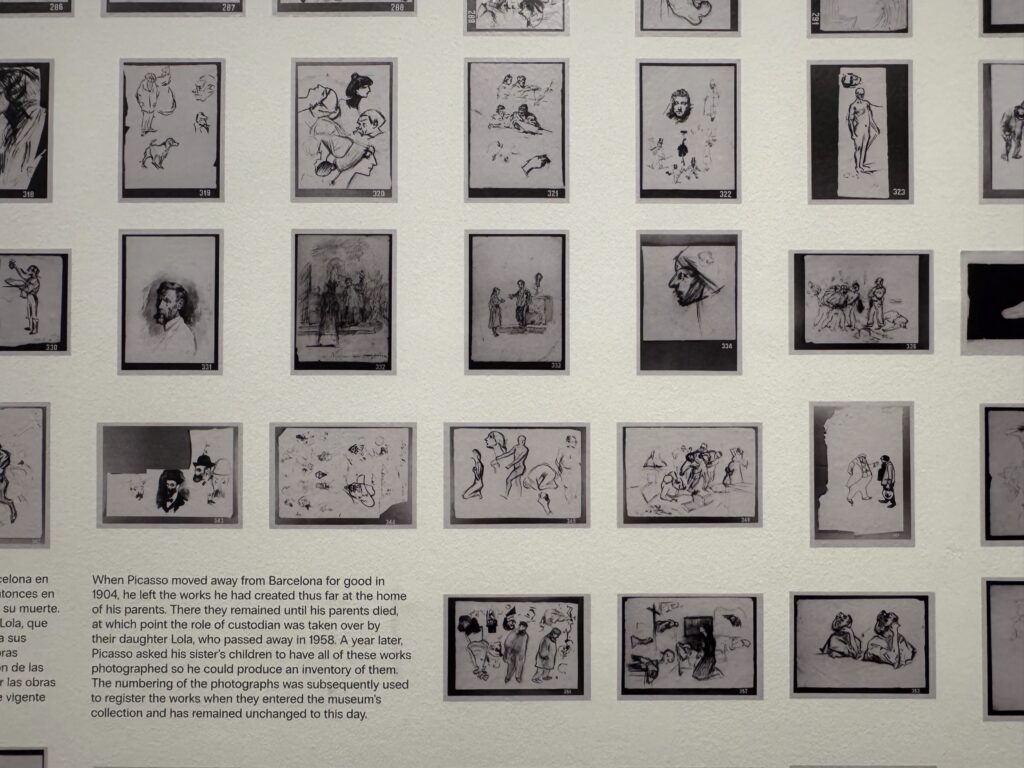
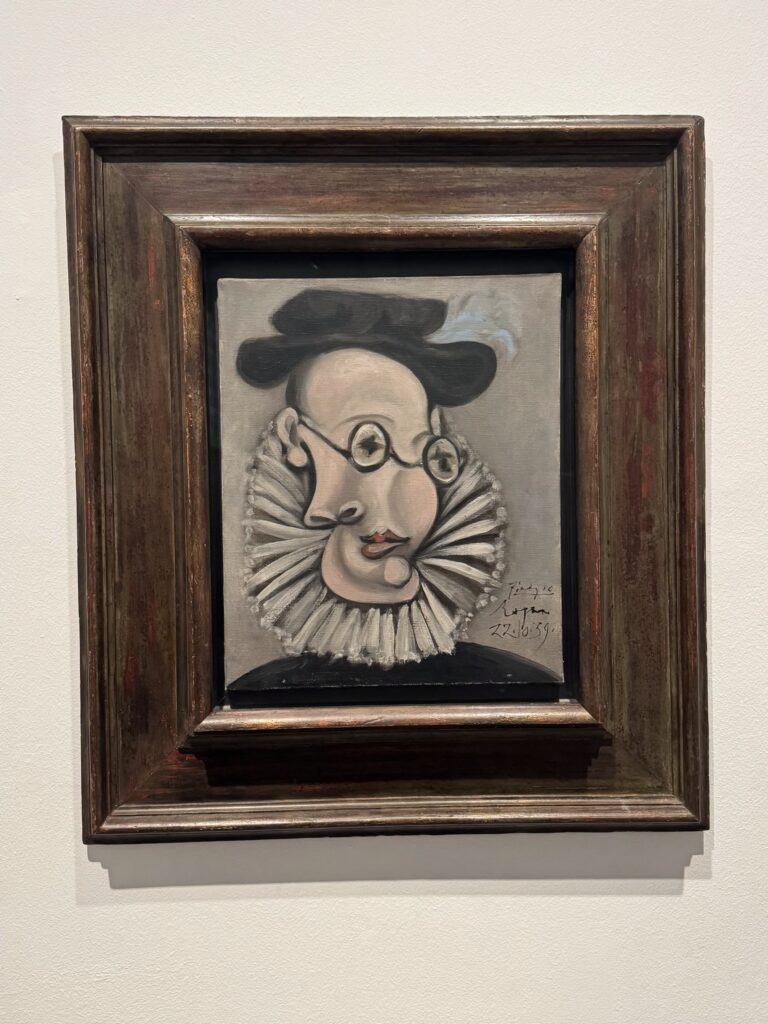
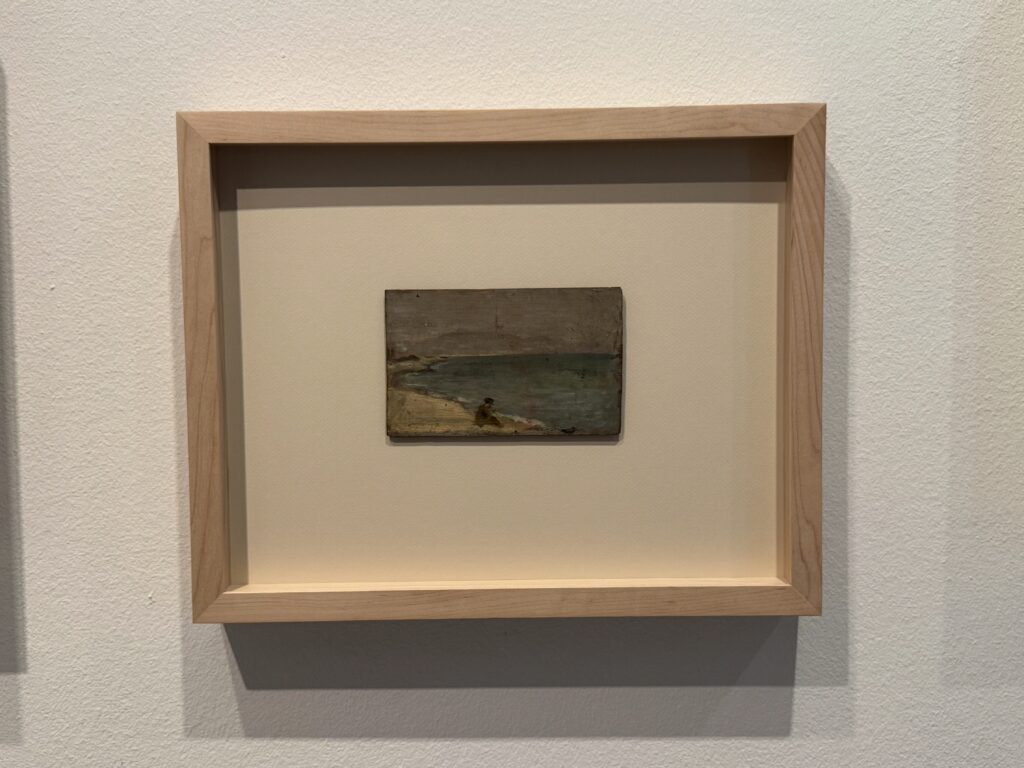
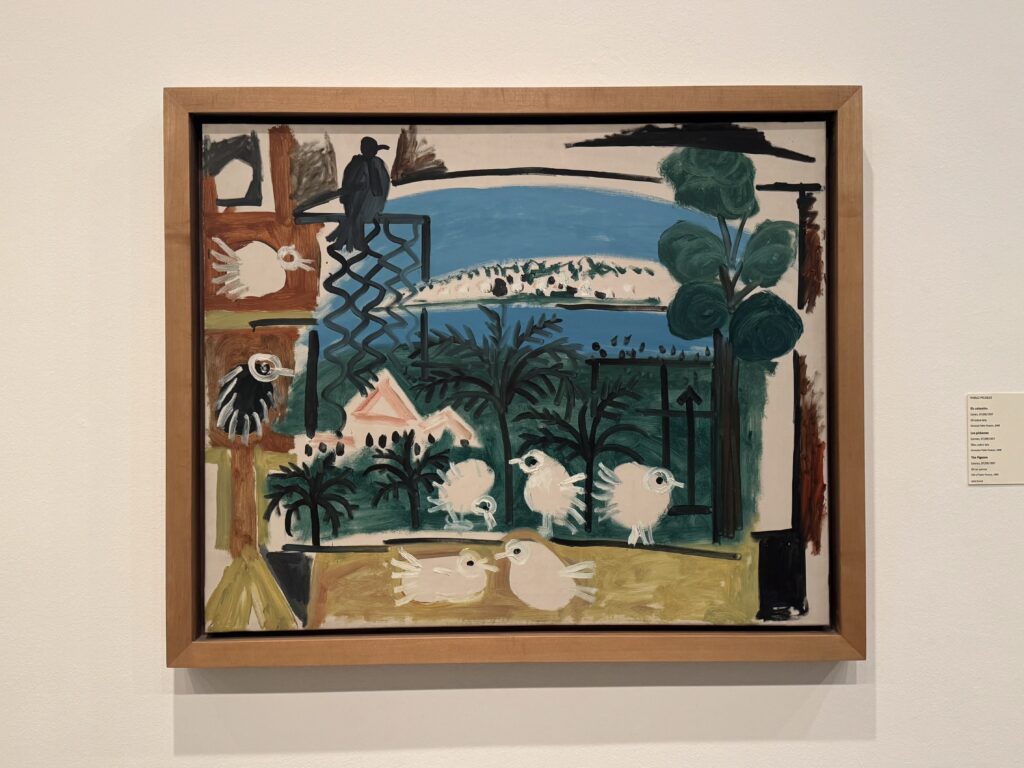
Picasso did a lot of works looking through a window or doors out into nature or street scapes. There’s so much perspective that comes with this work.
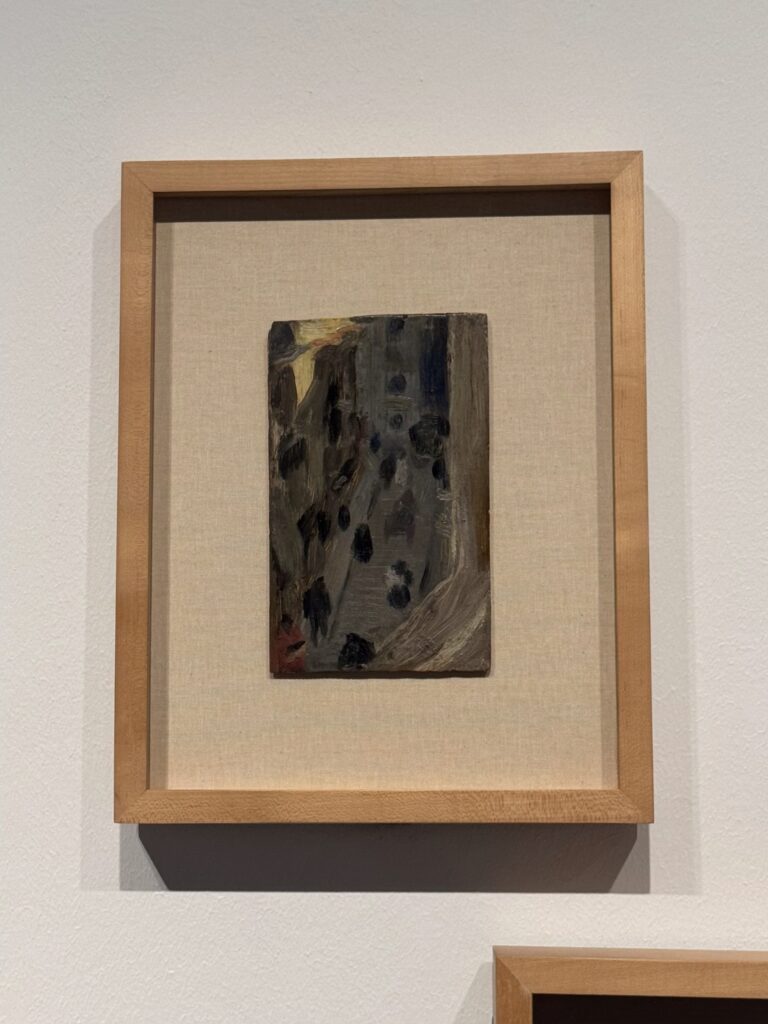
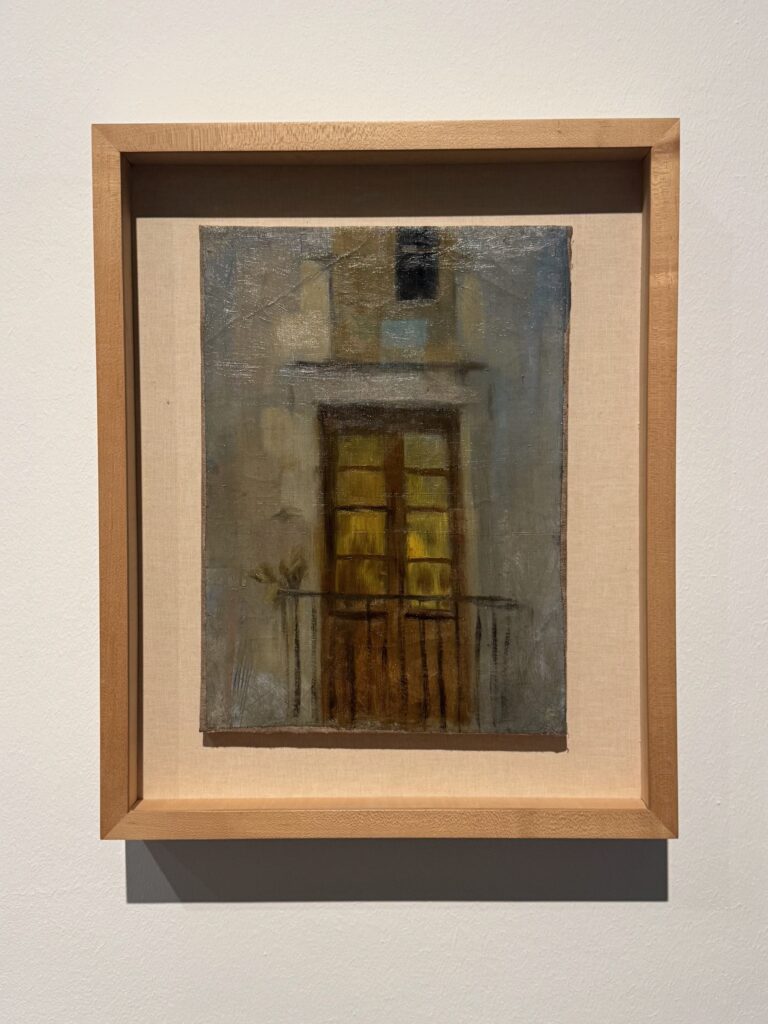
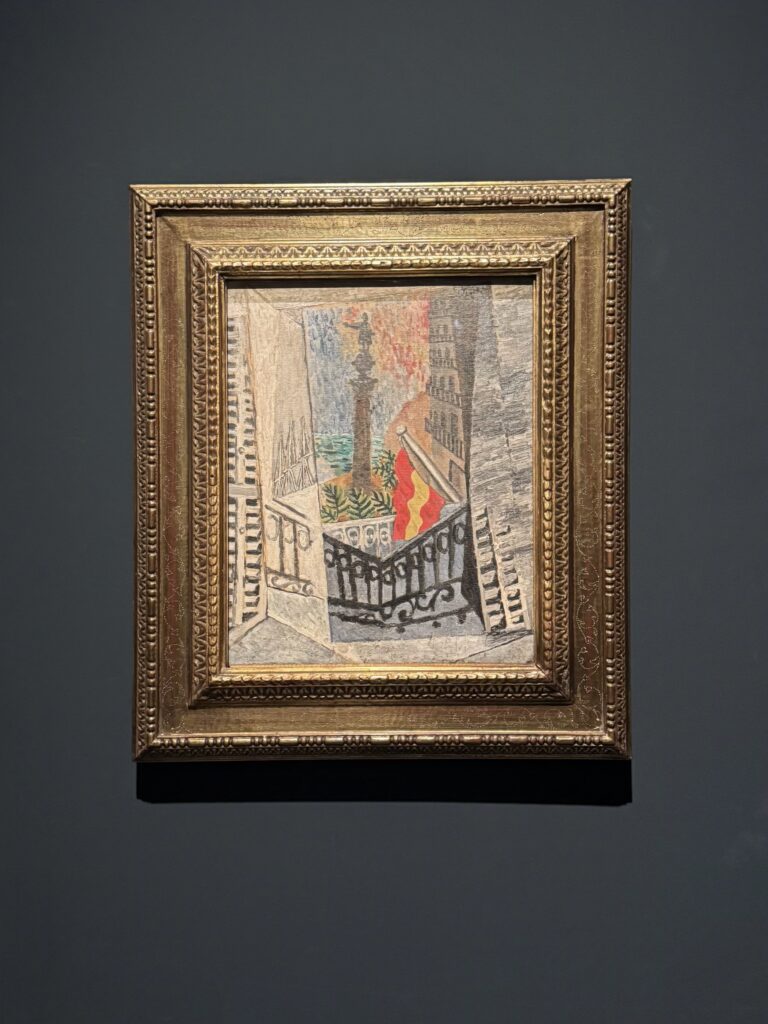
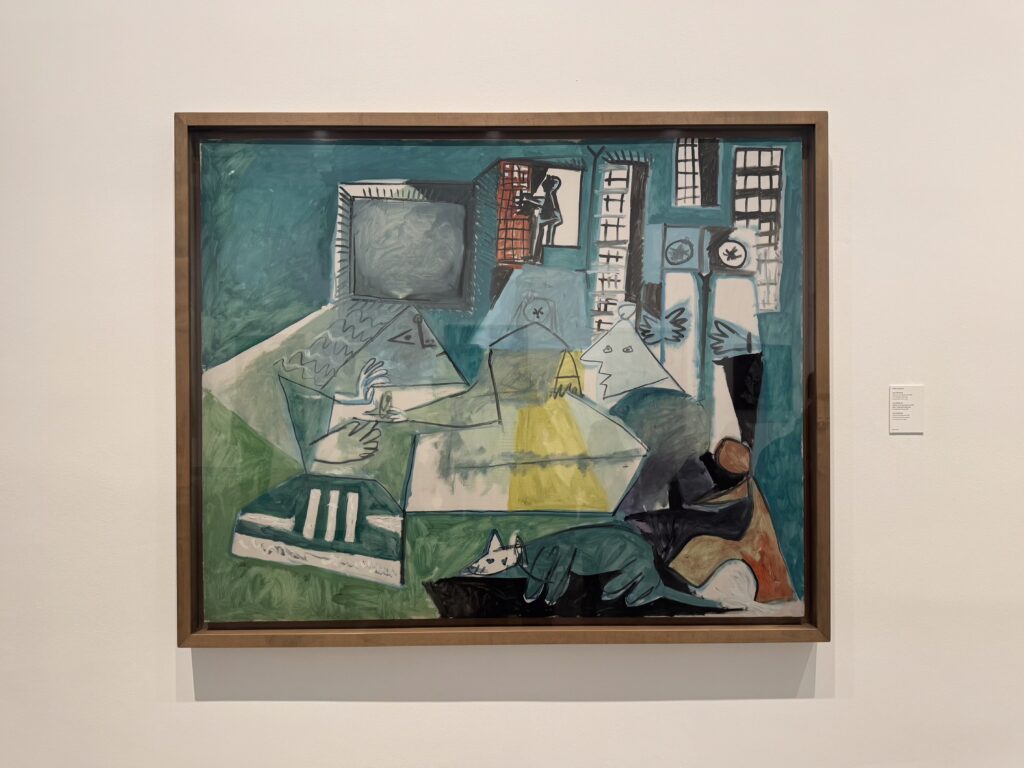
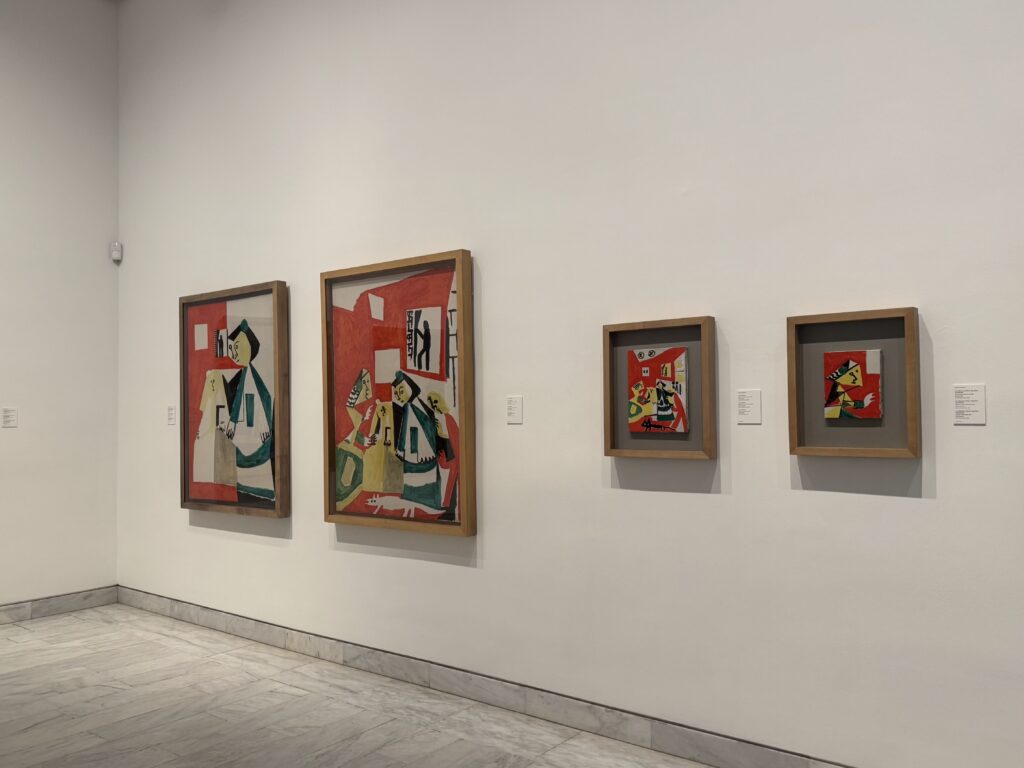
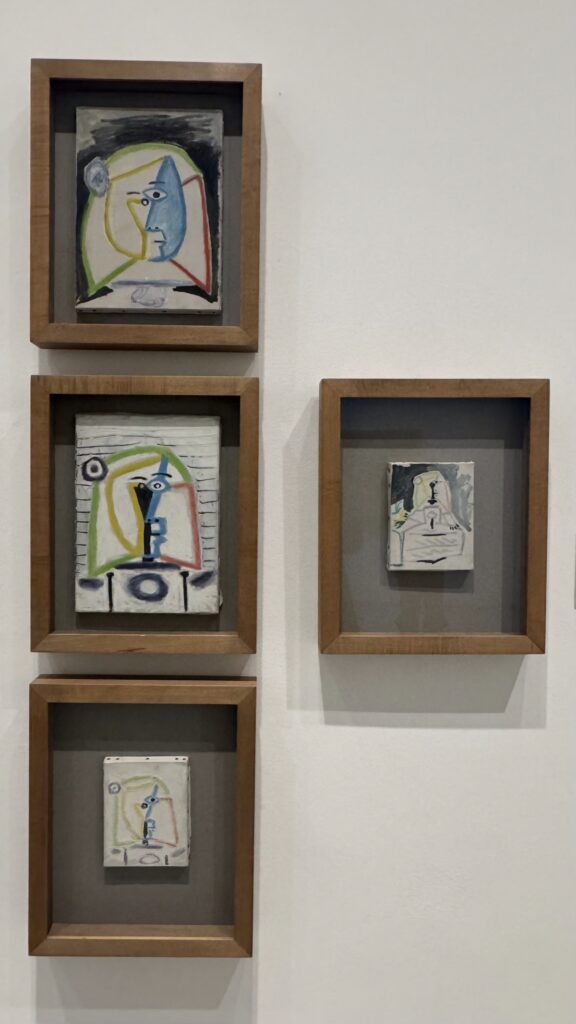
The Las Meninas series of 58 paintings was painted in only a few months in 1957, and is an interpretation of of another artist, Diego Velaquez’s work. There are distinct groups within series, and it’s astounding that he could create so many similar, and different works in the same short period. These paintings and styles are much more readily identifiable as his work.
Final stop for the day… Casa Batlló a building in the centre of Barcelona ,designed by Antoni Gaudi. It was an existing building, purchased by the Batlló family in the late 1800s who decided it was undesirable and so had it remodelled in a modernist style.
Every part of it is distinctly Gaudi. The outside features colour and curved lines, and it’s easy to see why people referred to it as the ‘House of Bones’. Roof top chimneys are somehow both functional and oddly beautiful.
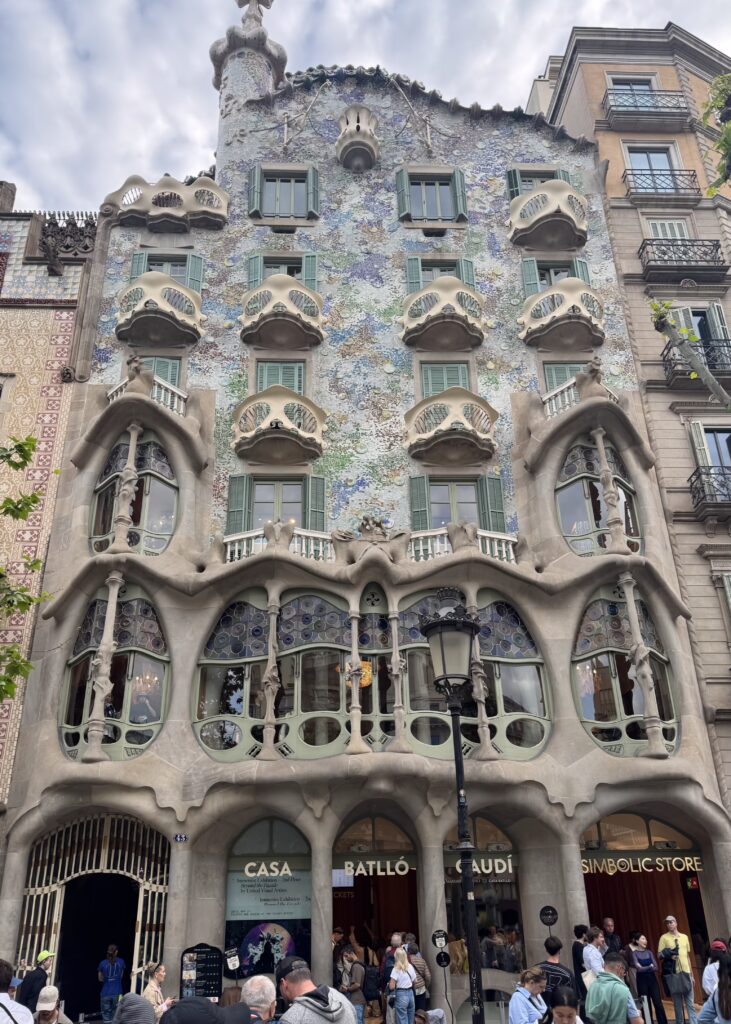
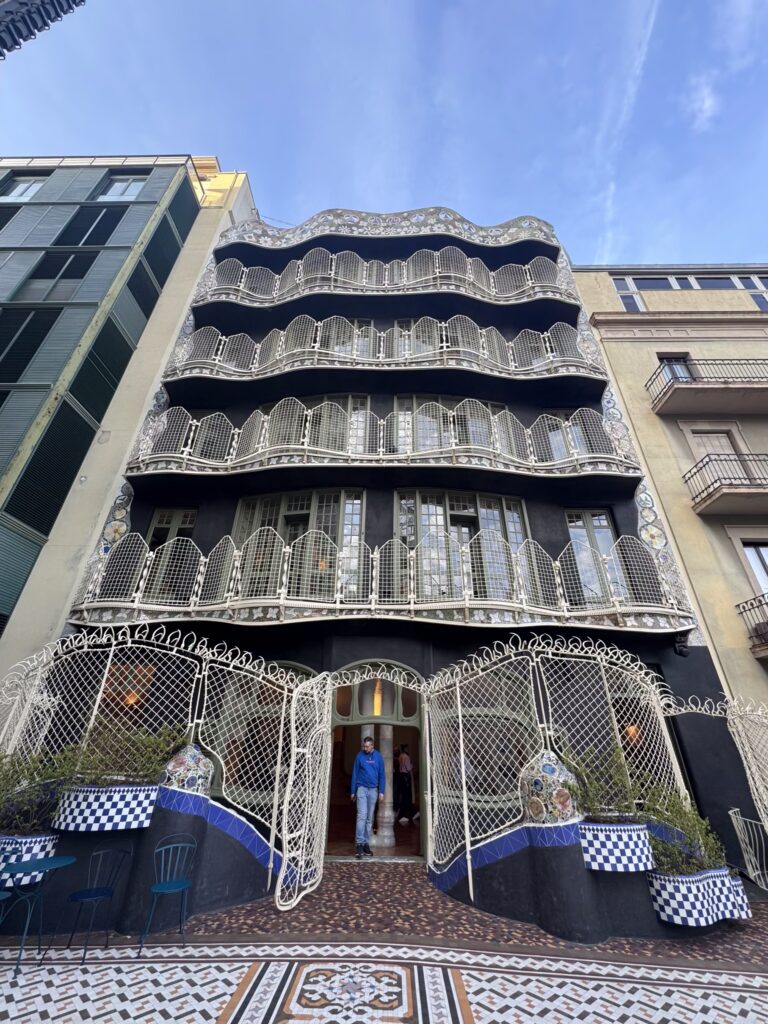
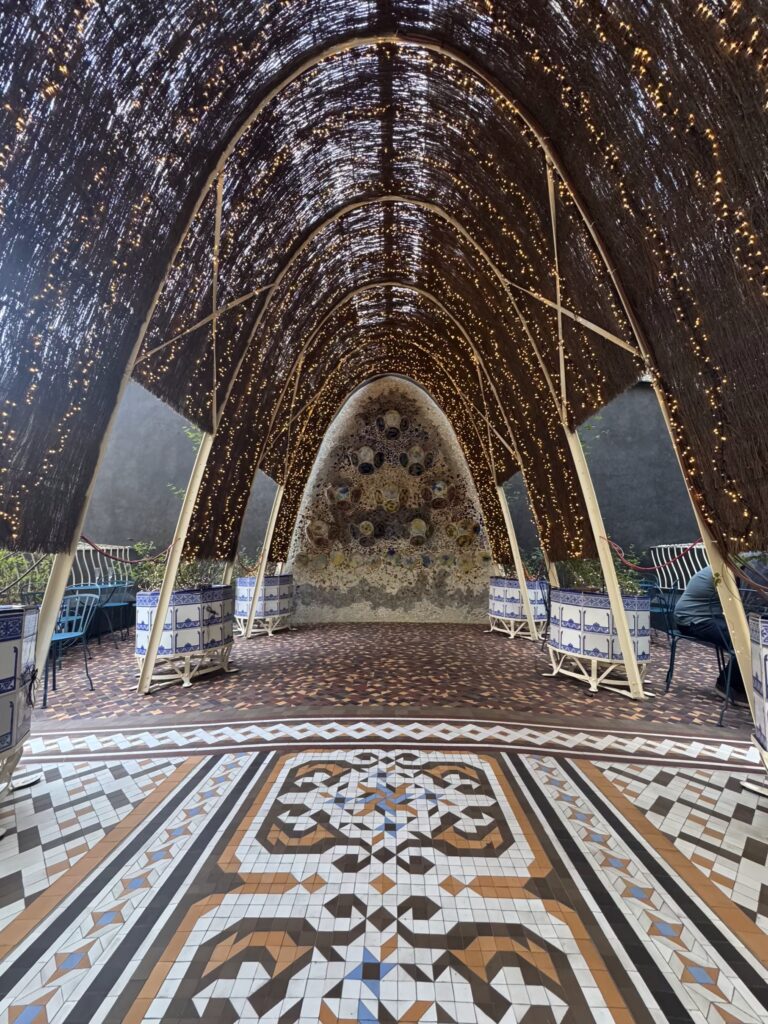
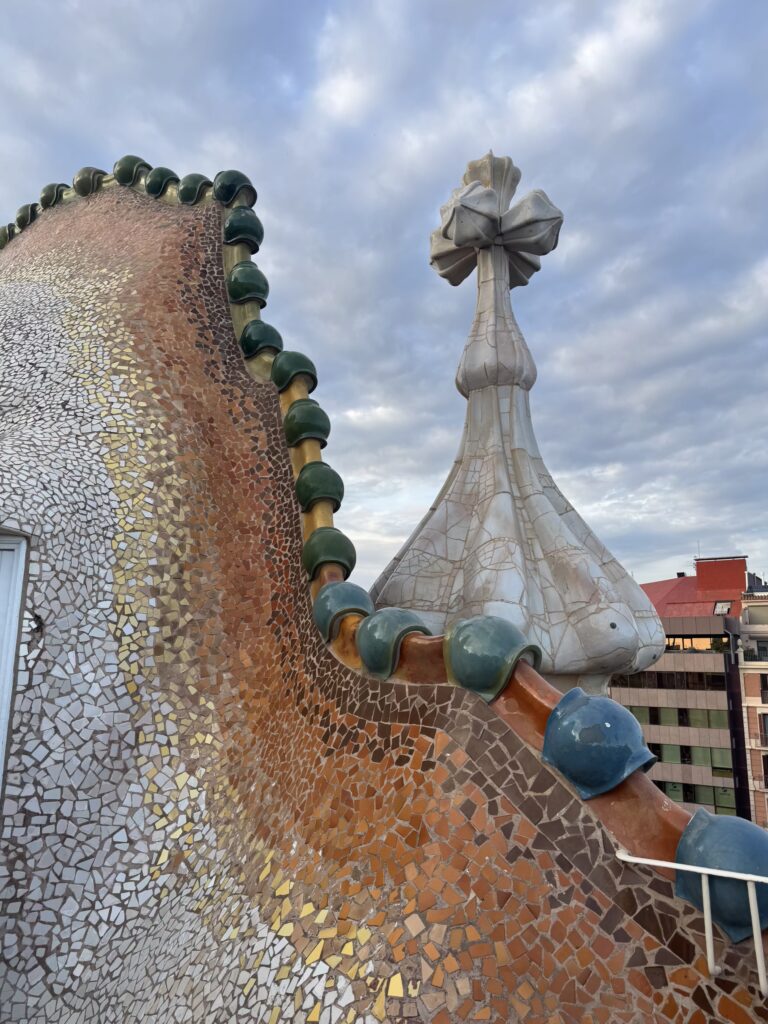
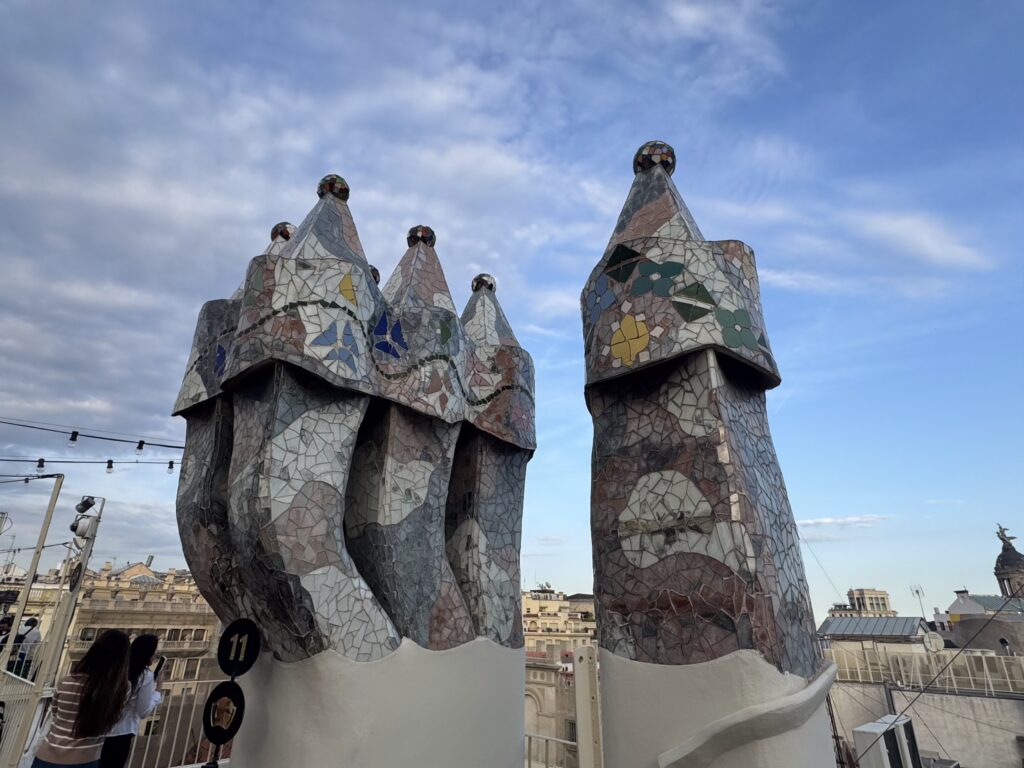
Inside, everything is designed around drawing light and ventilation through the building. The\Atrium runs up the centre of the house, with a skylight that bounces light off the blue walls designed to look like the sea. The loft housed the services for the building, and is made up of a series of curved white arches that are said to be like the internal ribcage of an animal. On every floor, cleverly designed wooden windows and shutters allow ventilation to be opened and closed. Whether you like Gaudi’s style or not, some of the functional aspects of design were brilliant.
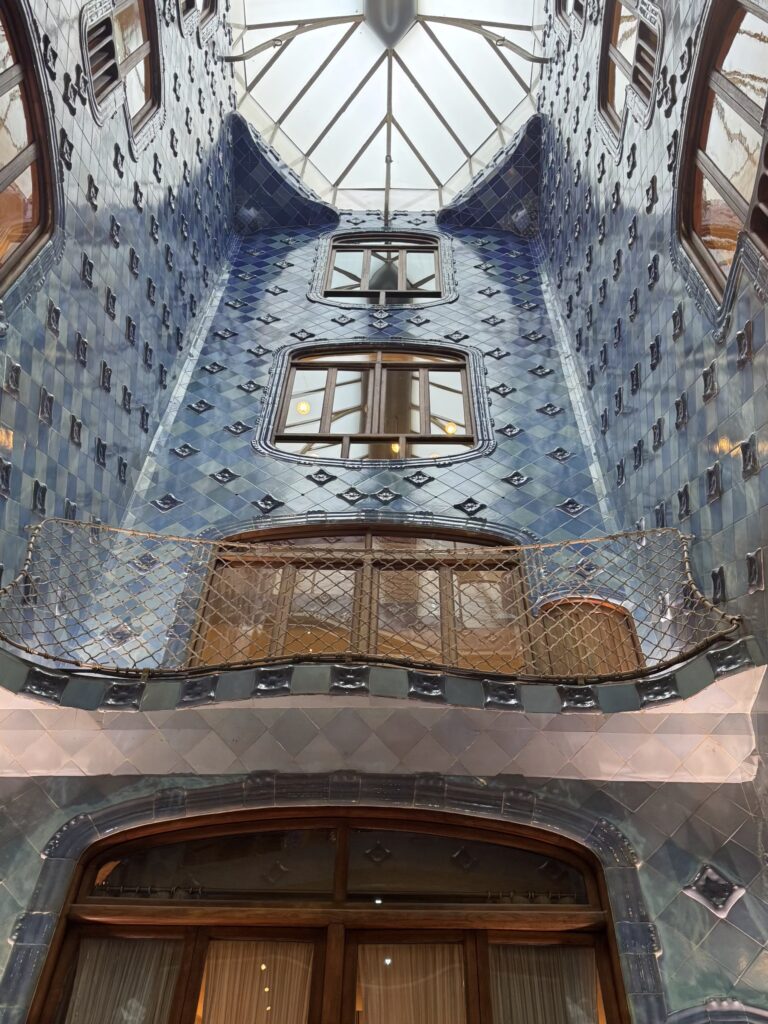
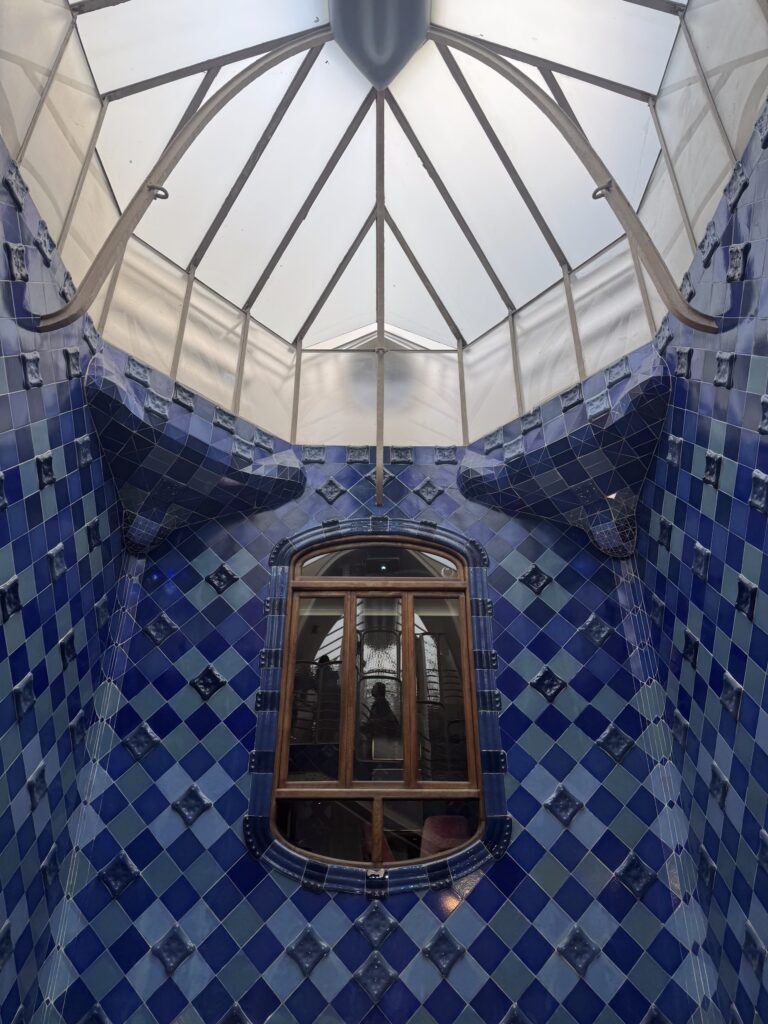
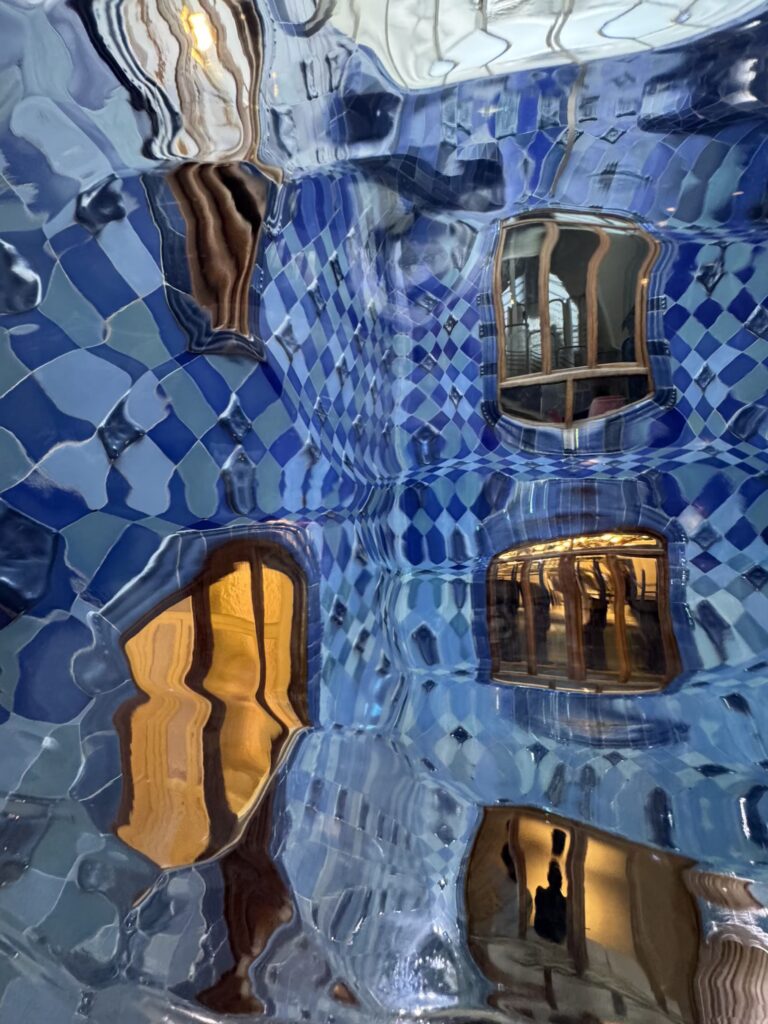
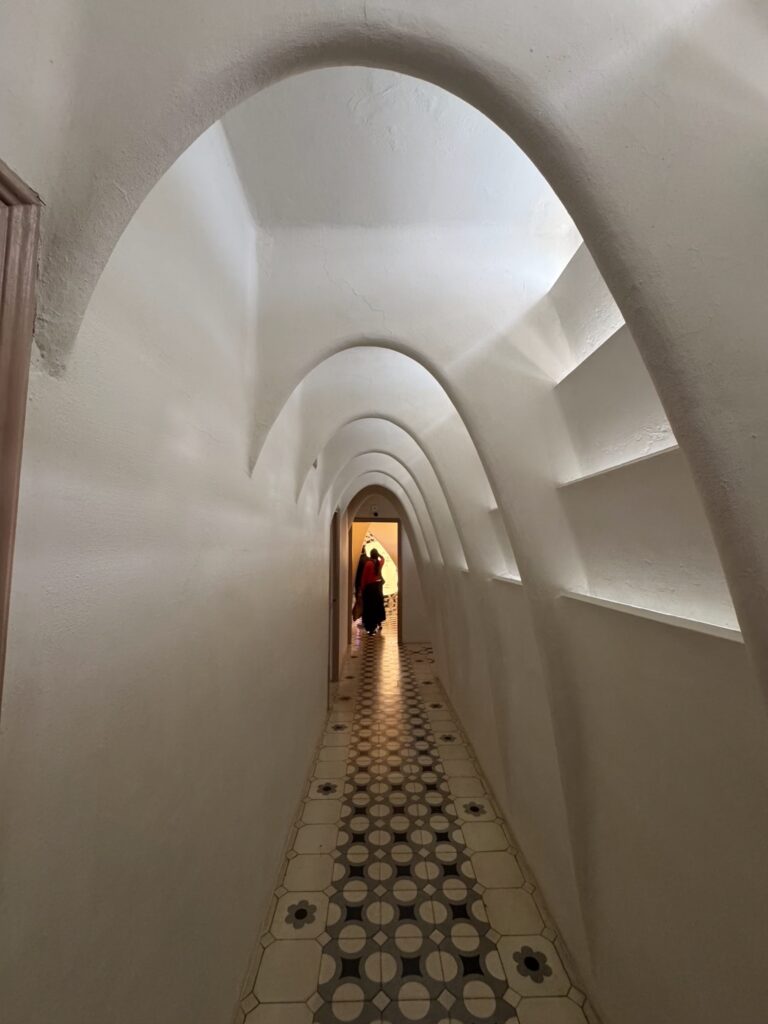
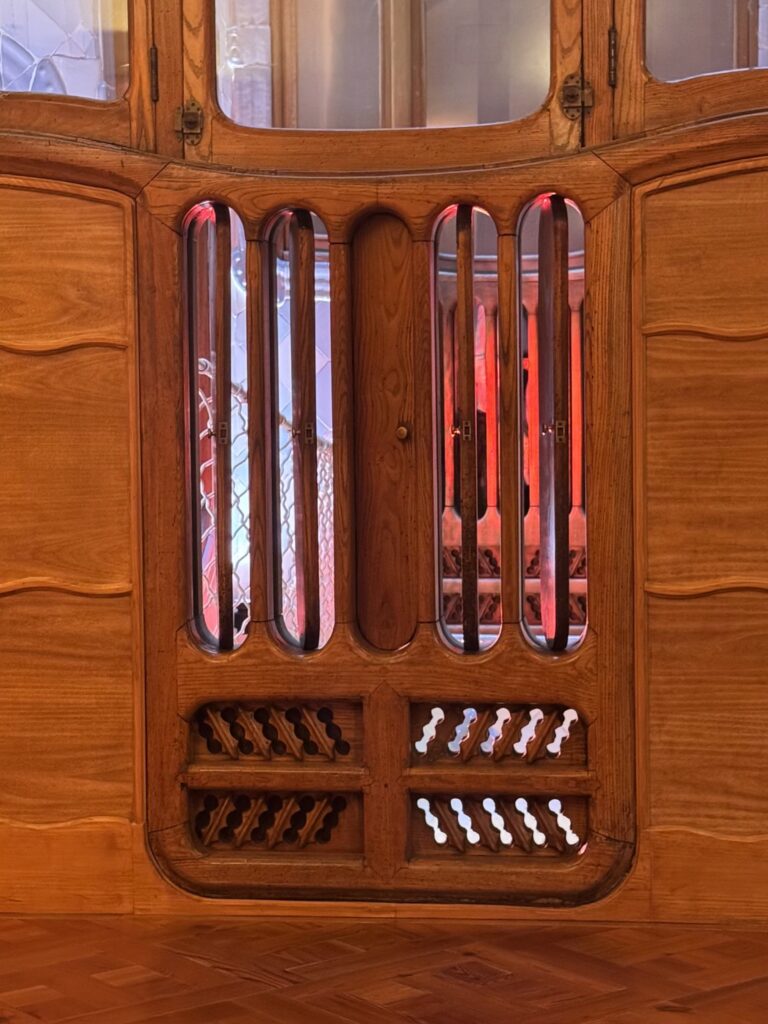
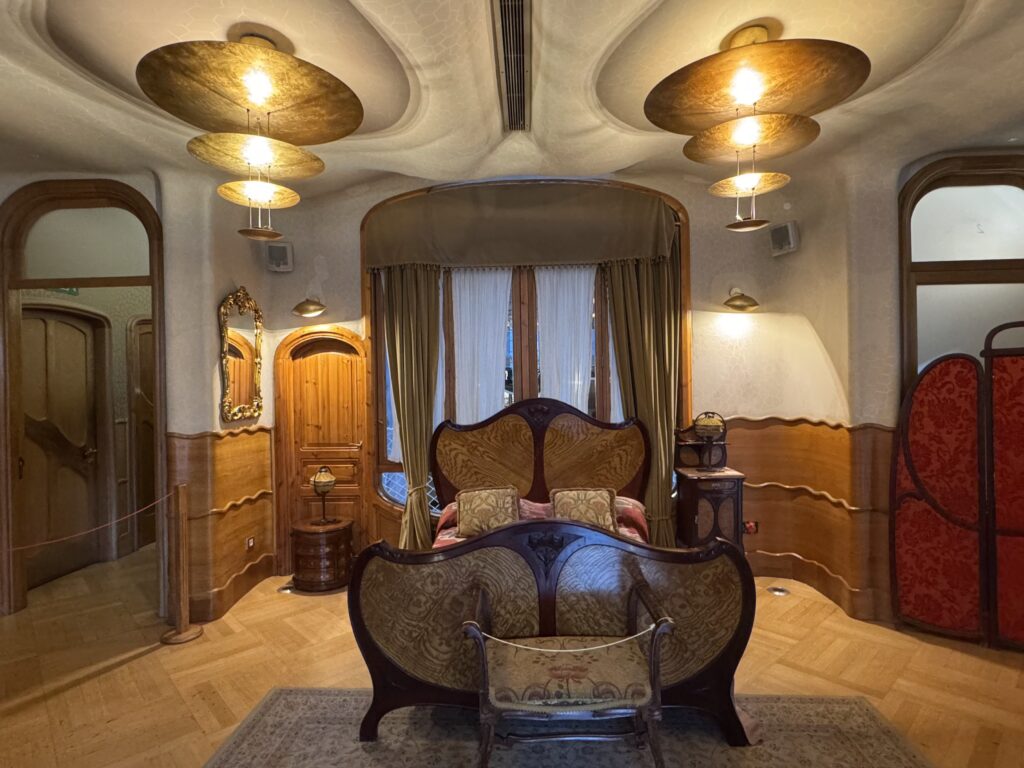
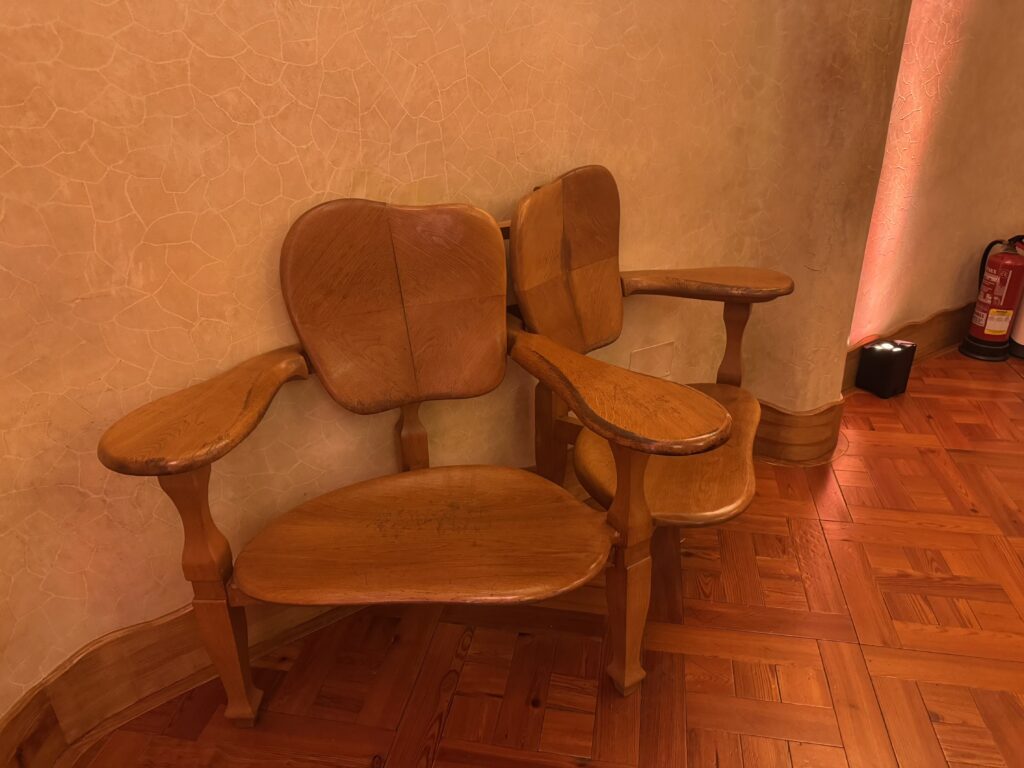
Rooms throughout the building continue the underwater theme with shell-like colours and designs. There is so much detail in this place – everything carefully considered and aligned to a theme.
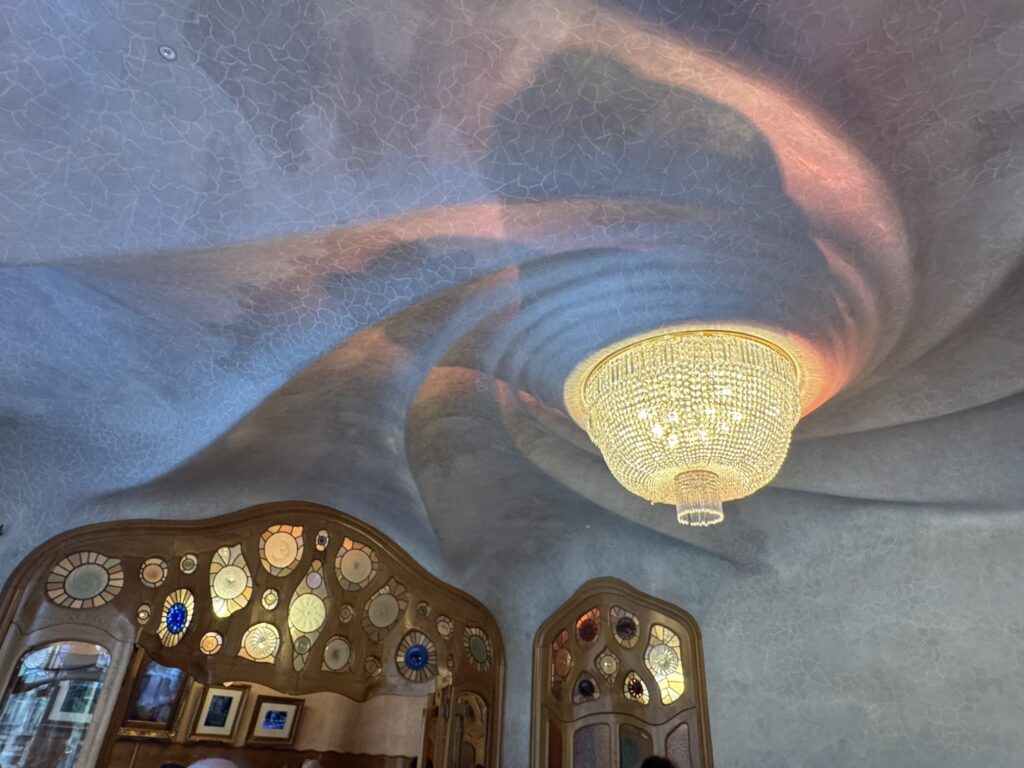
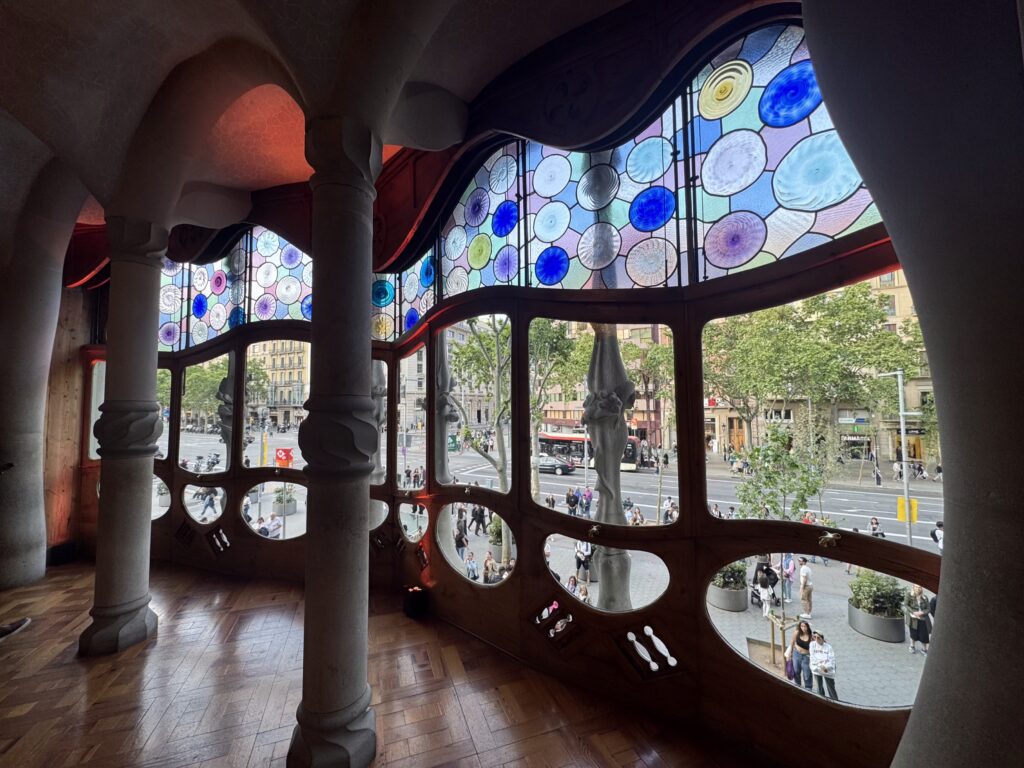
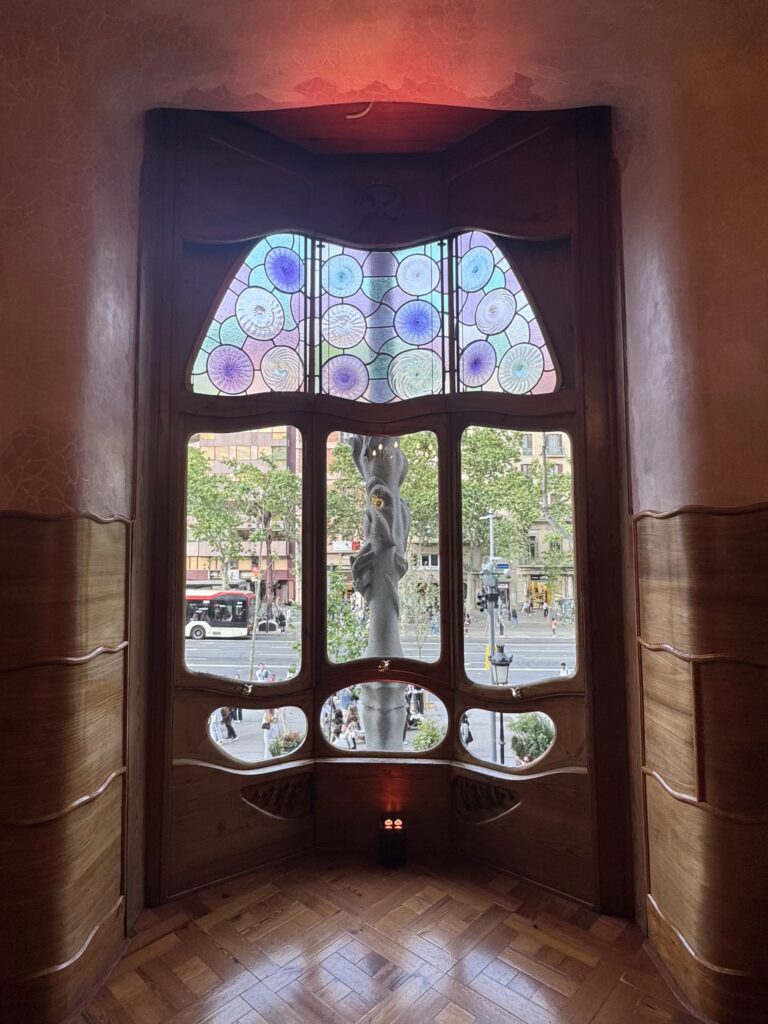
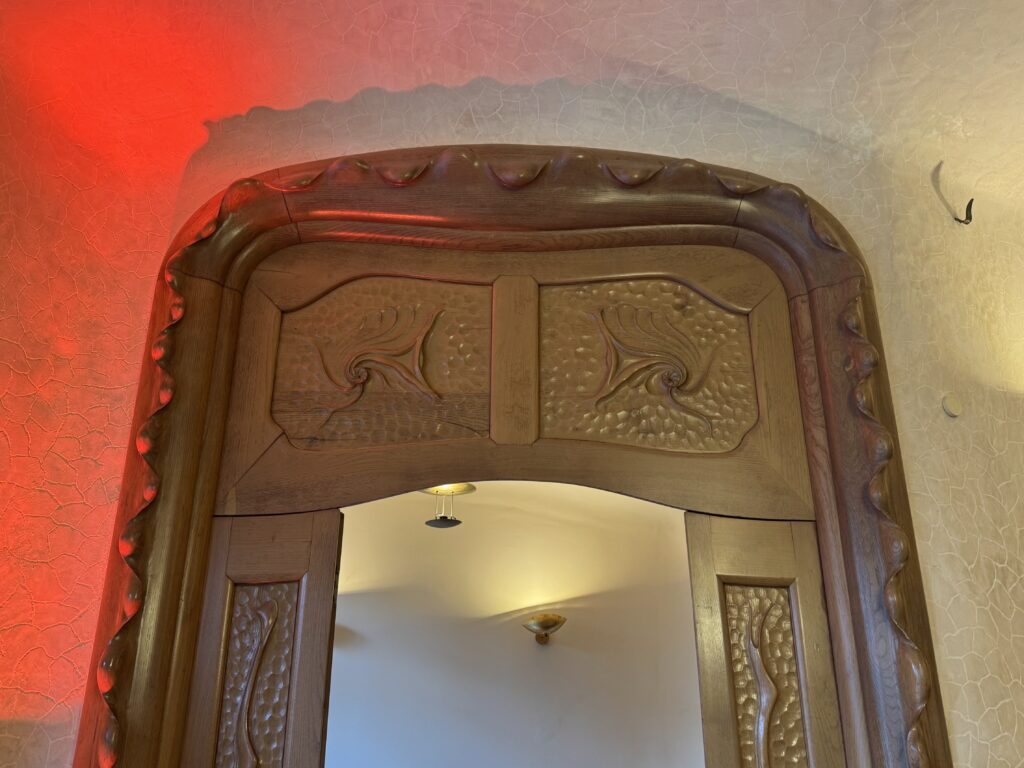
Furnishing spaces like this would be a unique challenge, impossible for anyone but Guadi. Again, while it’s not to everyone’s taste, it is aligned with the style and incredible functional. What more can you ask for?
Often it’s the little innovations that can make a big difference. The tablet virtual reality audio guide at Casa Battló used images to identify spaces rather than numbers. Much easier, inclusive and more engaging. So smart!
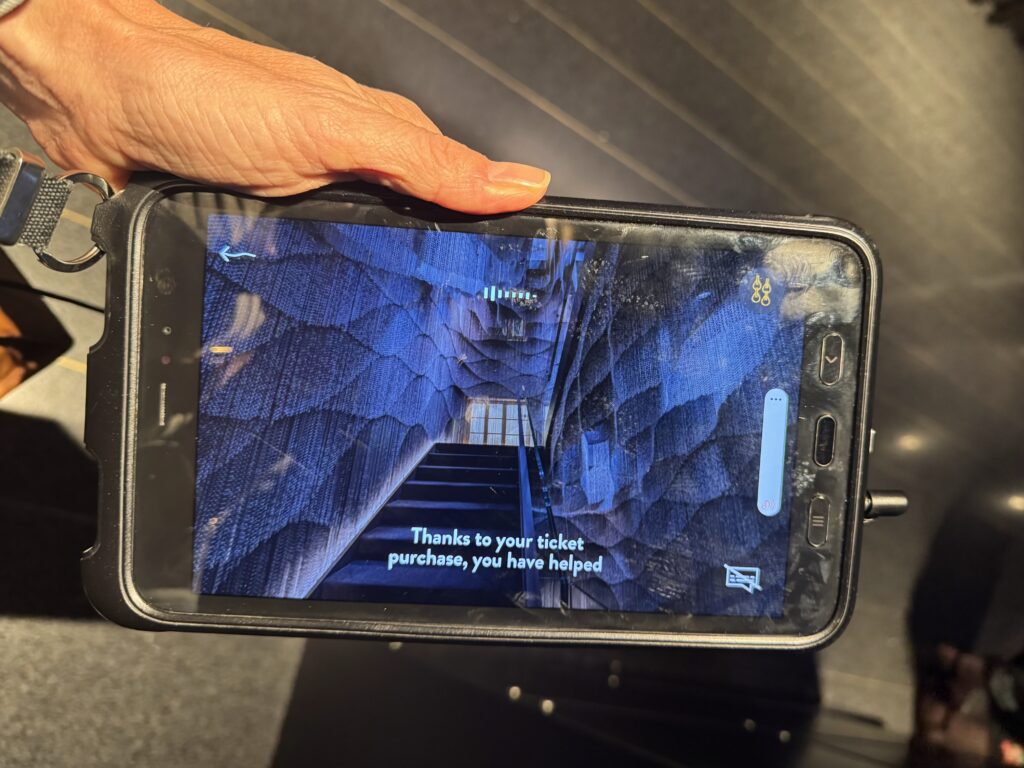
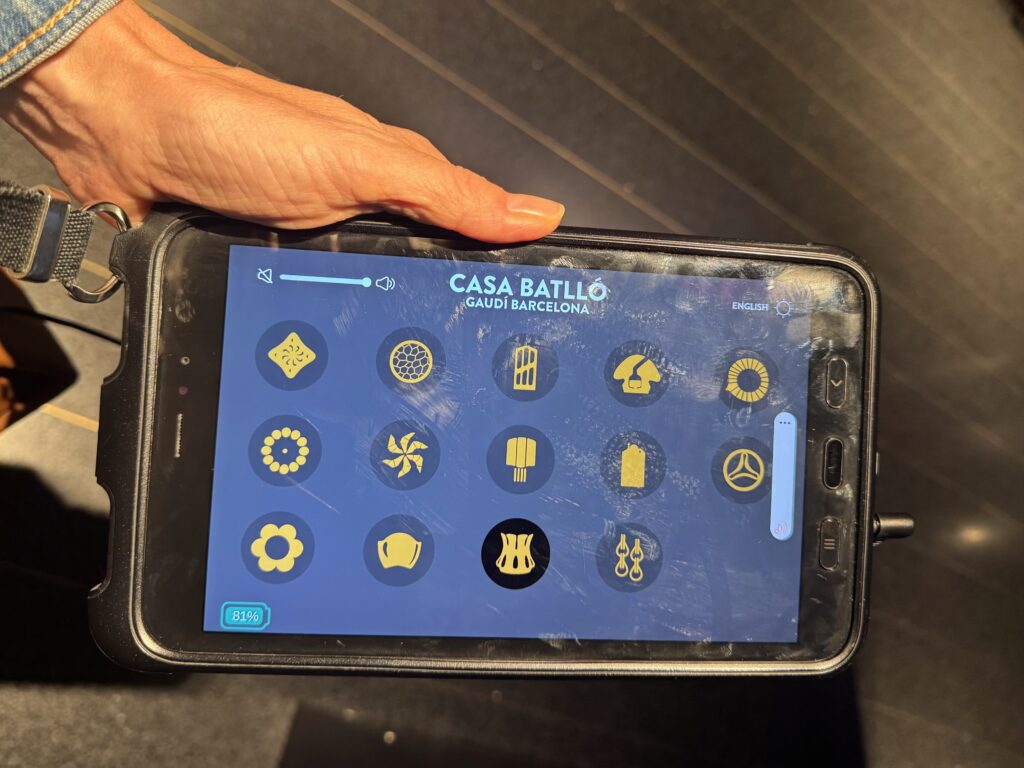
Casa Battló is working hard to connect with the future, as well as the past. They openly and proudly employ a neurodivergent team, and invest heavily in the arts for the future. Each year, artists are engaged to create immersive experiences, light shows, and reinterpret Gaudi’s work. Even the stairwell on the way out had been reimagined by a Japanese artist, using thousands of chains – simple, striking and effective.
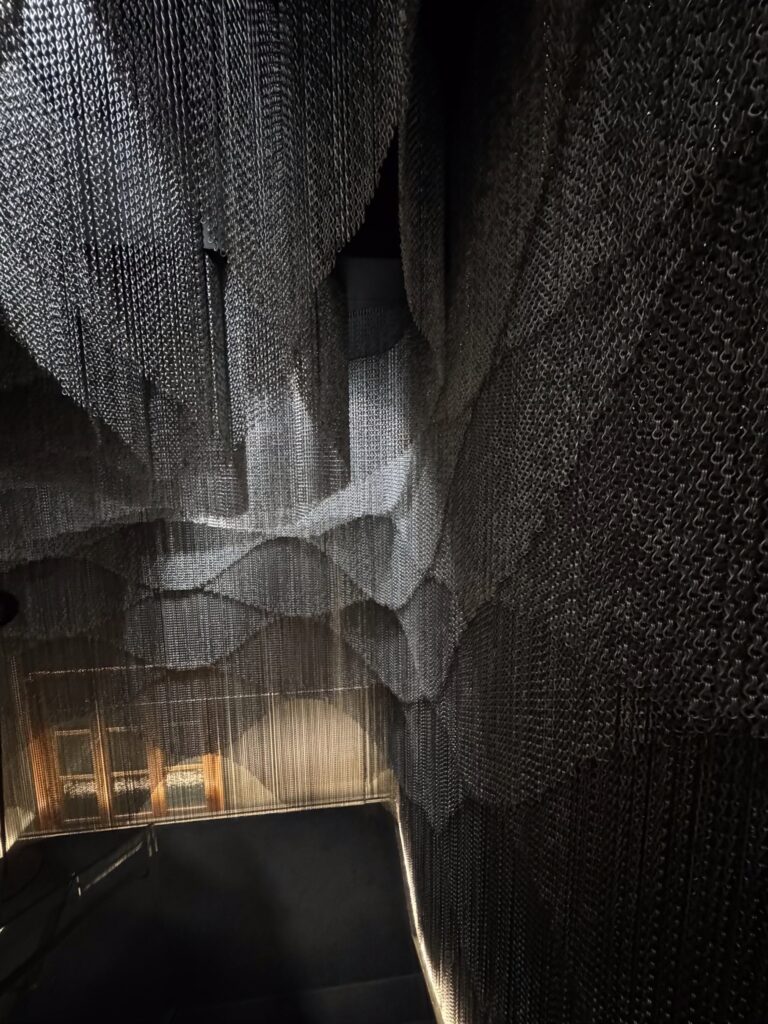
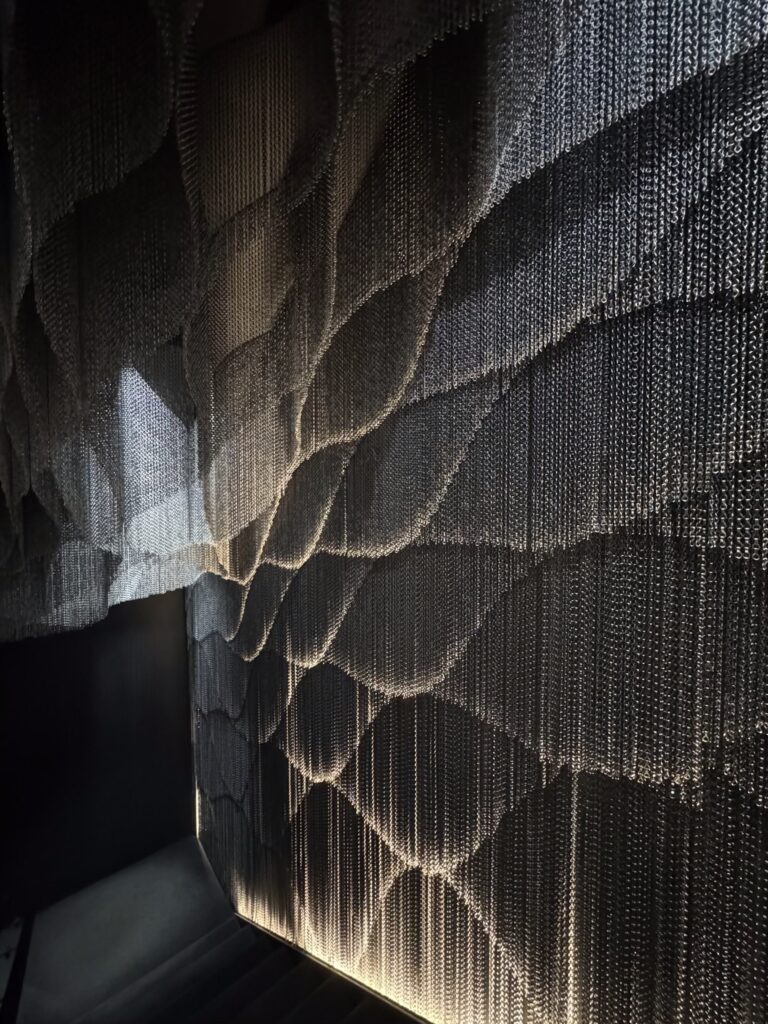
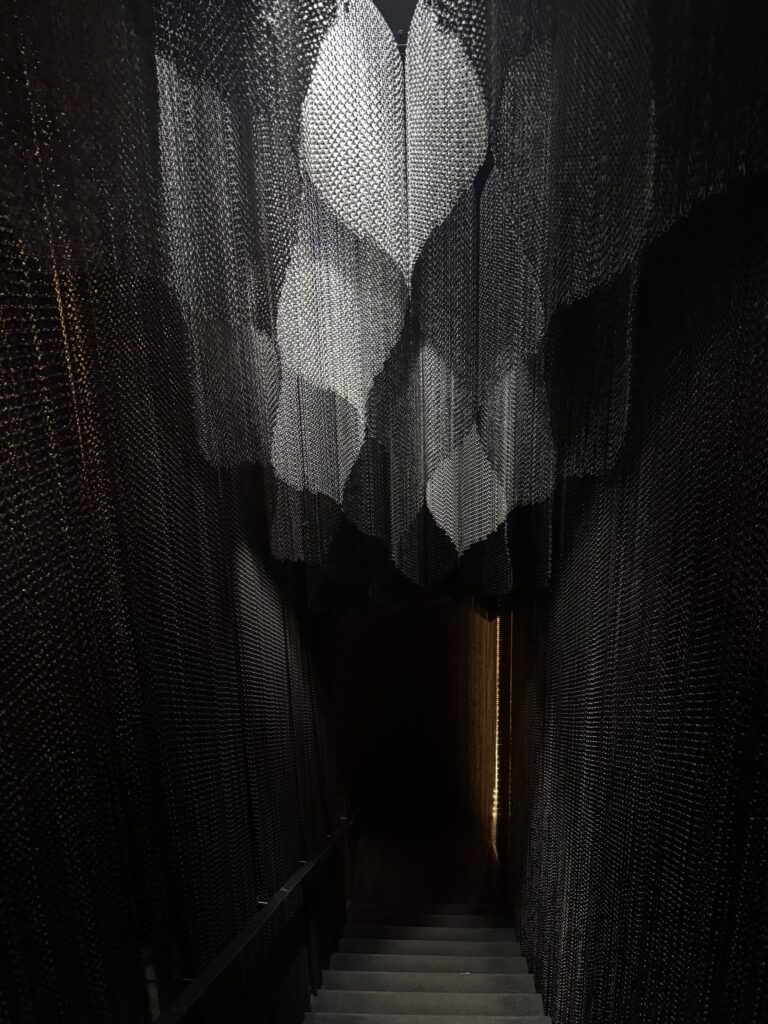
The day has been a constant reminder of the importance of art to help bring perspective, and reimagine different ways of doing things. ‘Different’ challenges us… and that’s a good thing!
Love M & A x
Comments are closed