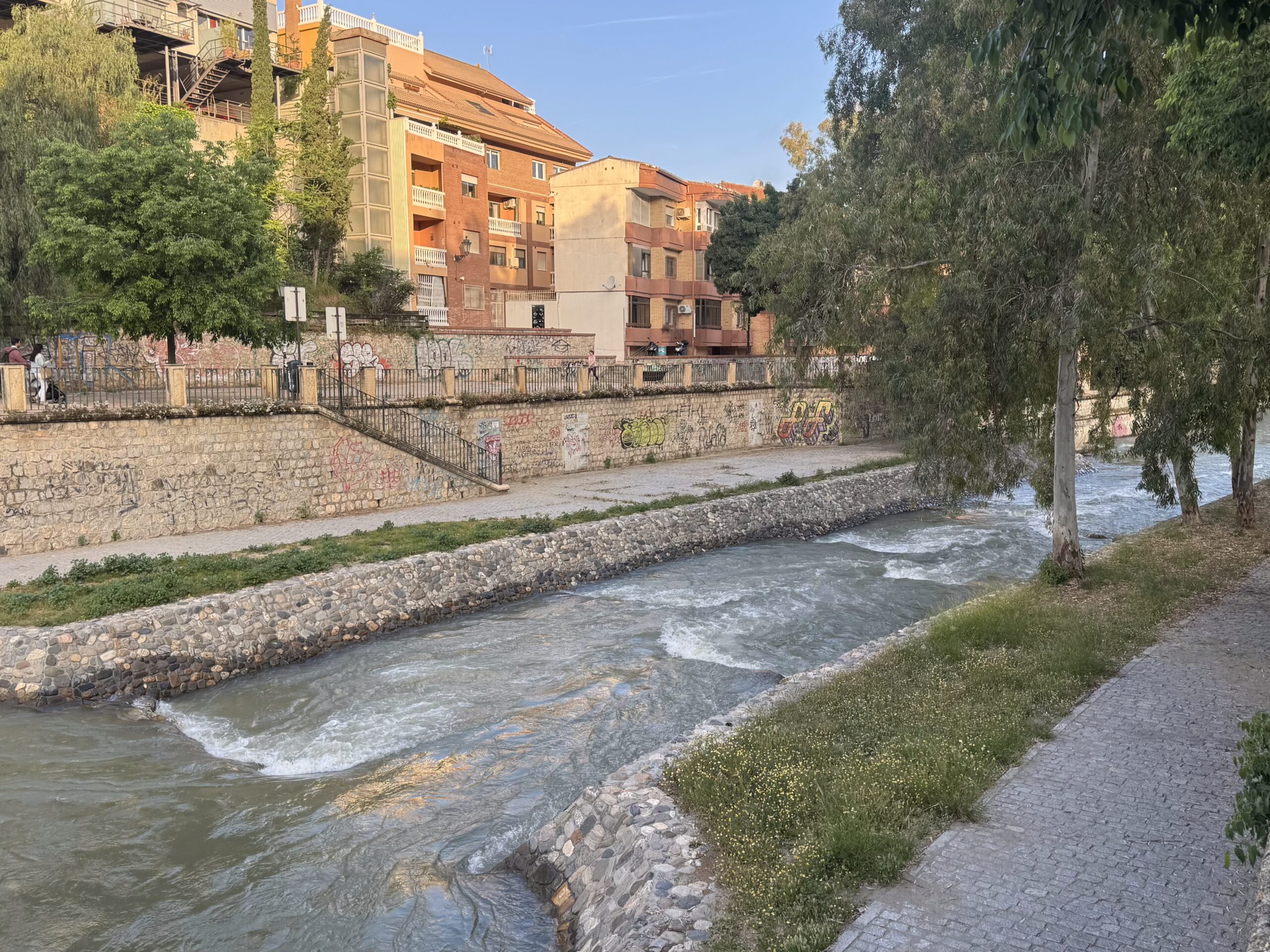
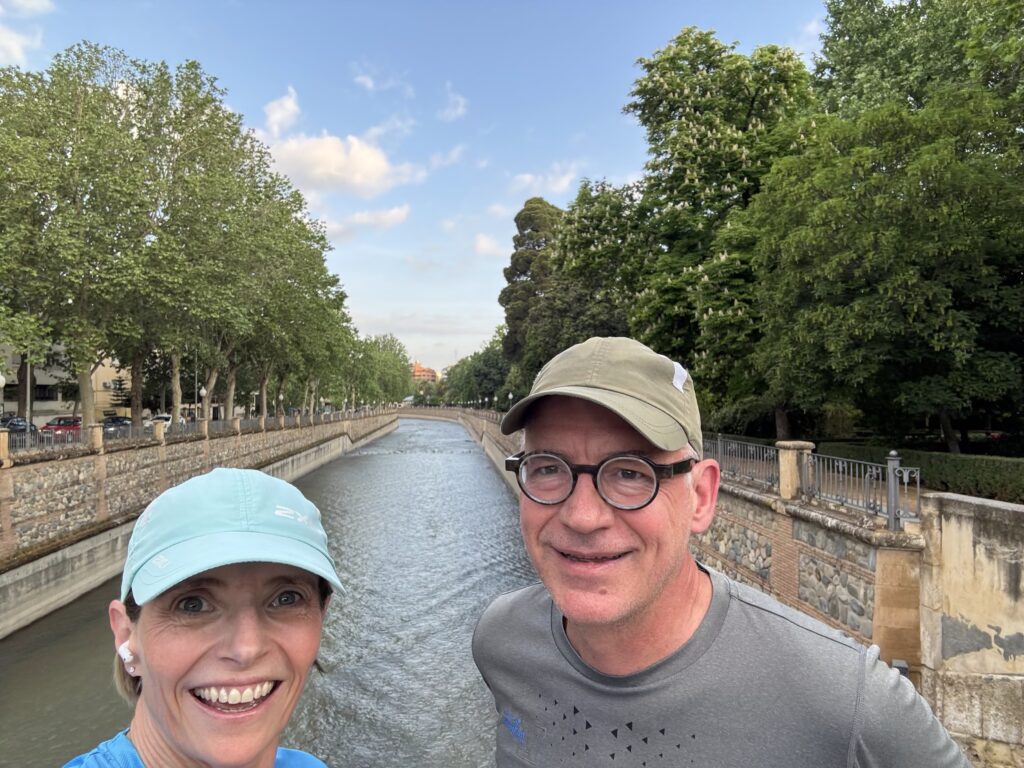
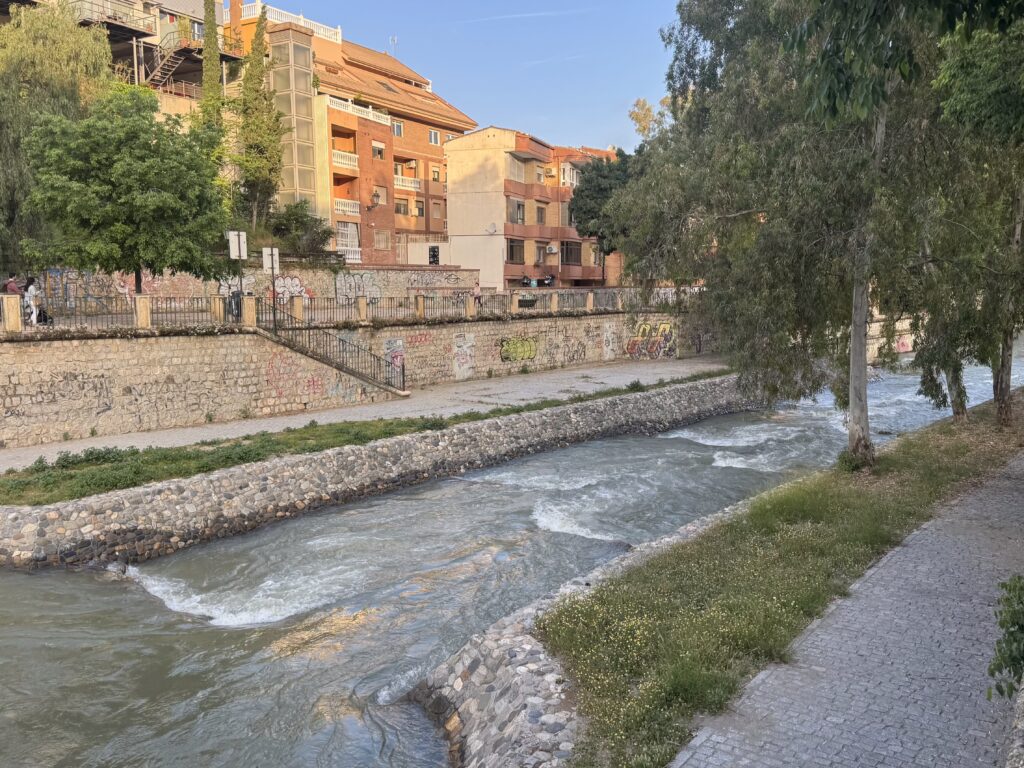
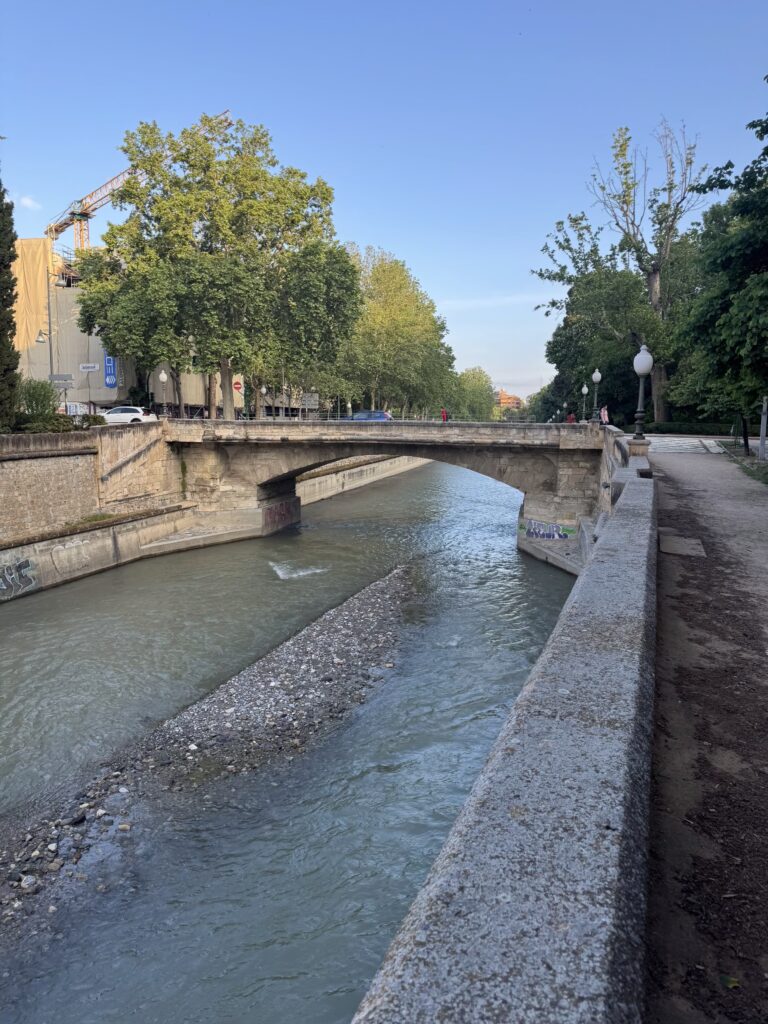
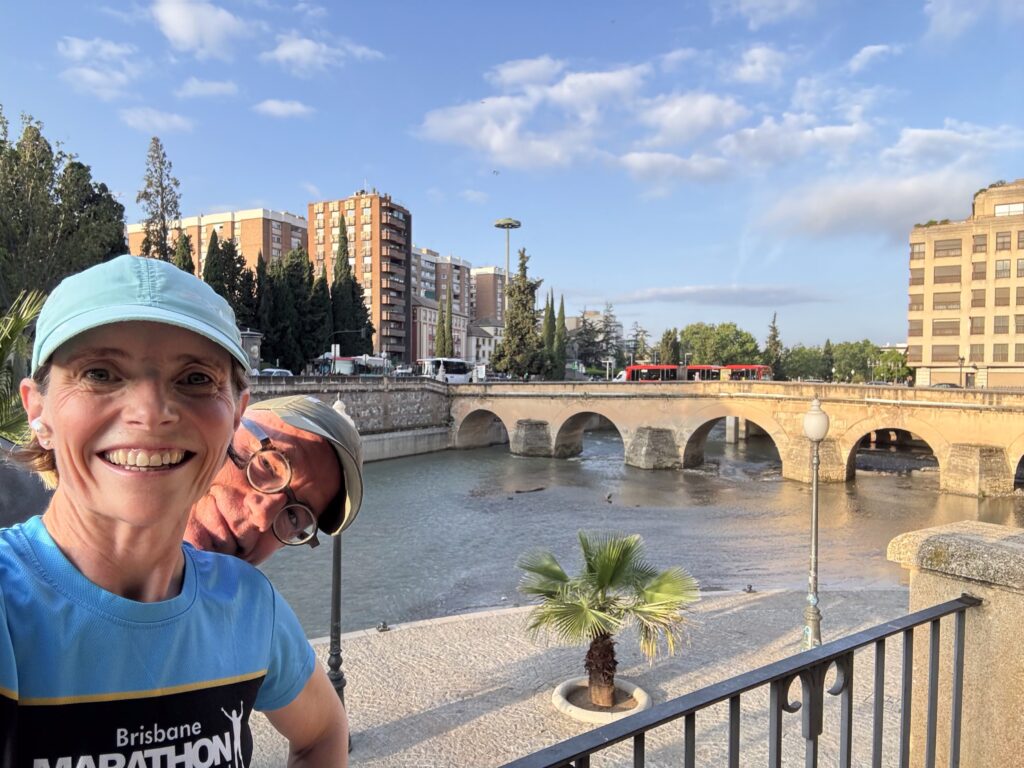
The day started with a run along the Genil, the main river that runs through Granada from the Sierra Nevada. Judging by the culvert, there’s clearly the potential for a lot of water to flow through this town!
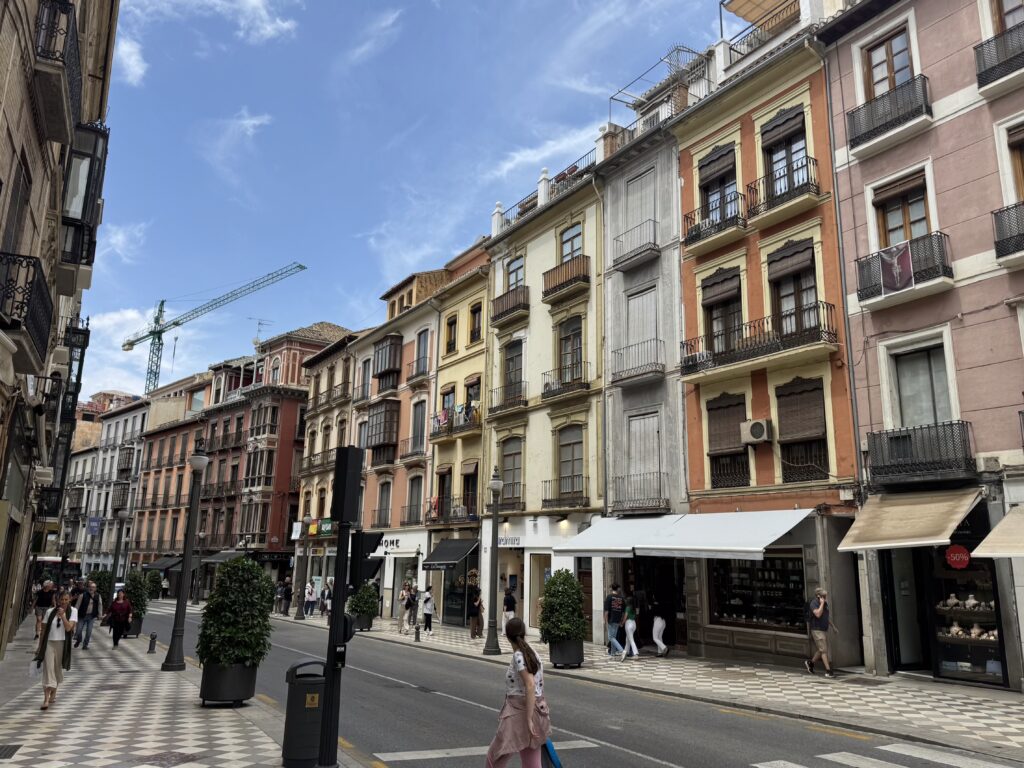
Central Granada is like many of the Spanish cities we’ve visited – 3 or 4 storey apartments atop shops and cafes. The Islamic influence is clear to see in the architecture and decorative features on buildings, and the types of souvenirs in every third shop. Meanwhile, the Catholic Cathedral is the centerpiece of the town, creating a diverse cultural mix.
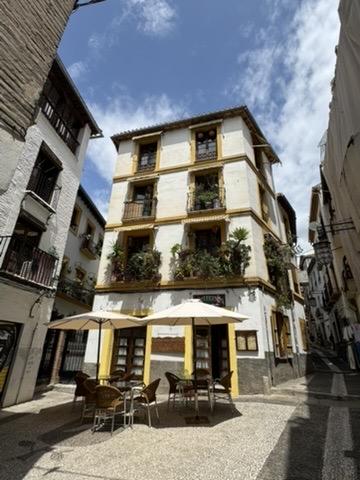
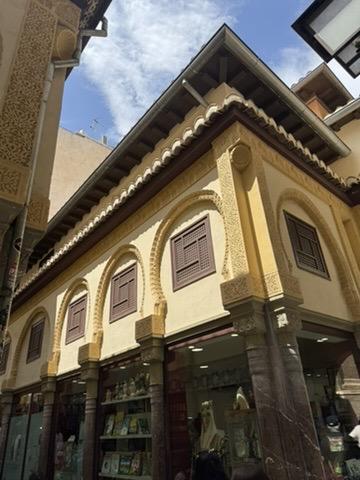
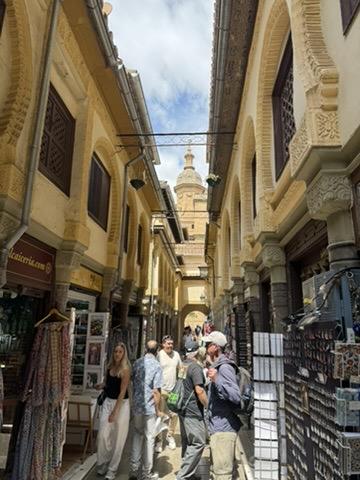
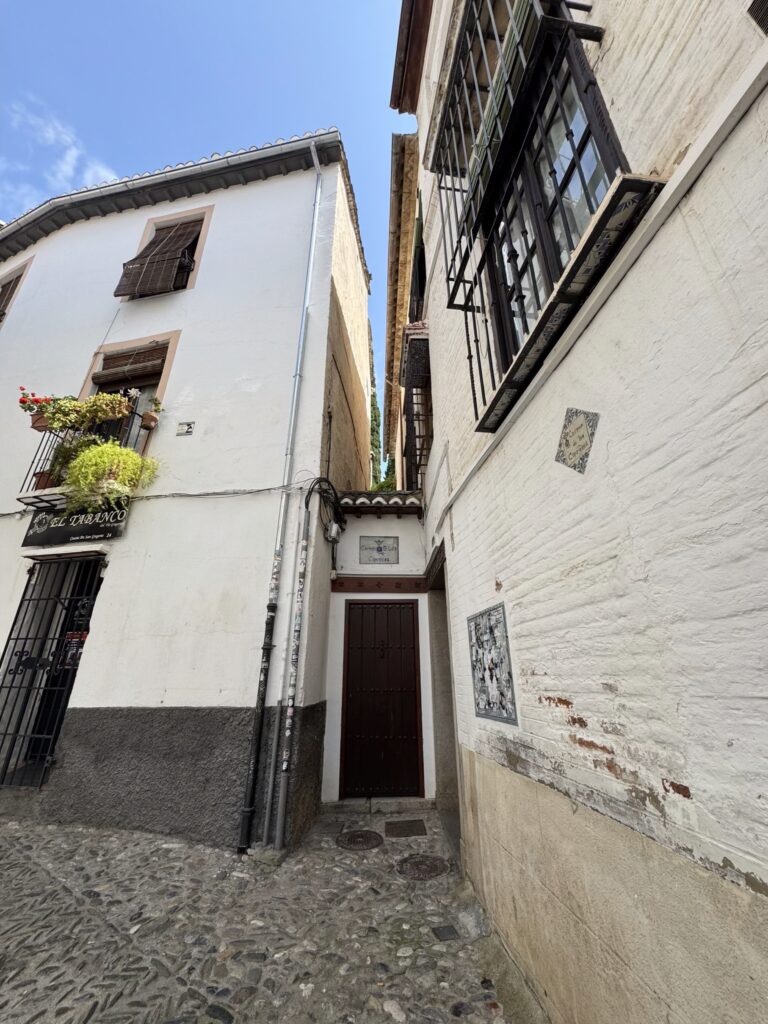
We spent the morning wandering the streets of the Albaicin area, on the opposite hill to the Alhambra. This was the area for the towns people, with narrow streets, cobbled paths and a lot of stairs. I wonder if people knew that one day, their little white streets would be prime real estate!
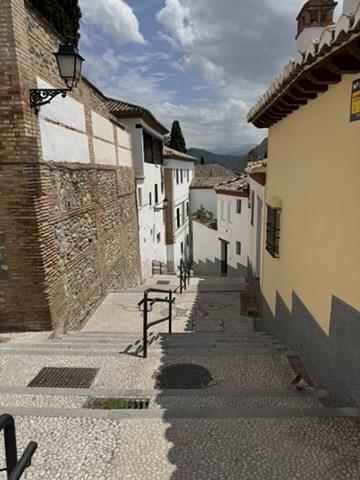
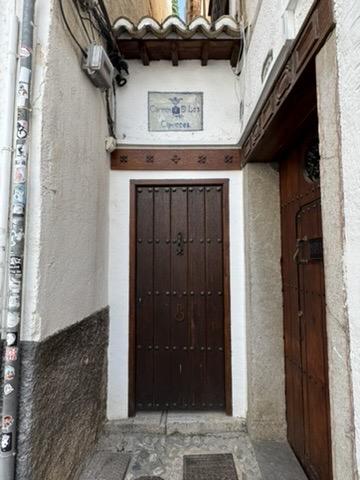
Being on the opposite hill, over the River Darro, the Albaicin has spectacular views across the Alhambra to Sierra Nevada. Some of the most expensive restaurants have set up in this area, with large terraces for locals and tourists to enjoy the scenery.
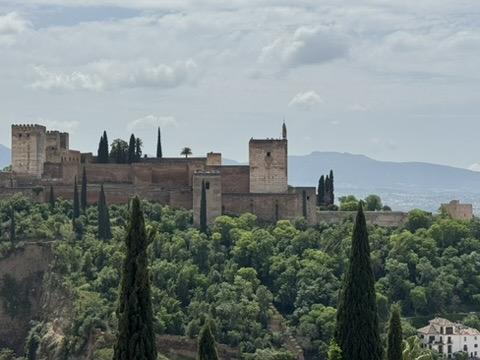
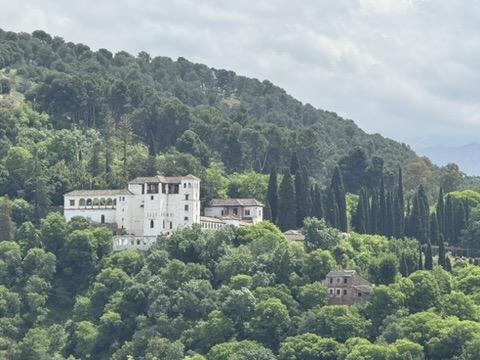
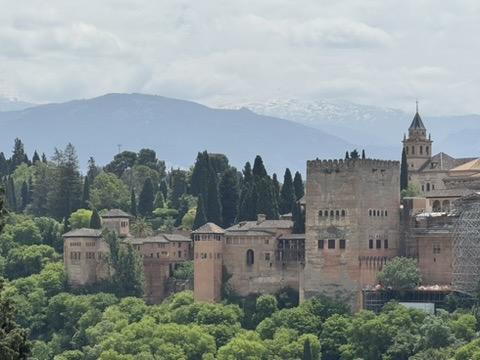
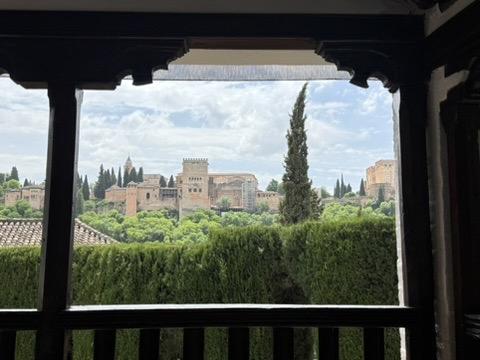
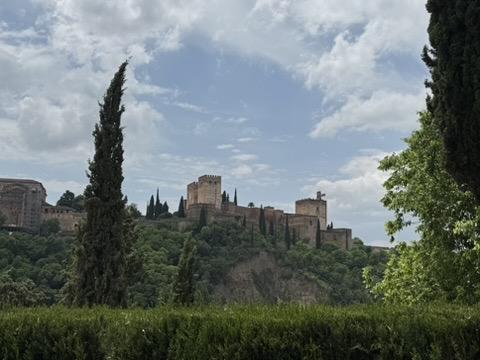
Further up the River Darro valley is Sacromonte. Views from here show how deep the valley is, and how different the plant life is between the two sides… the Alhambra is lush and green, while Sacromonte is dry and dusty.
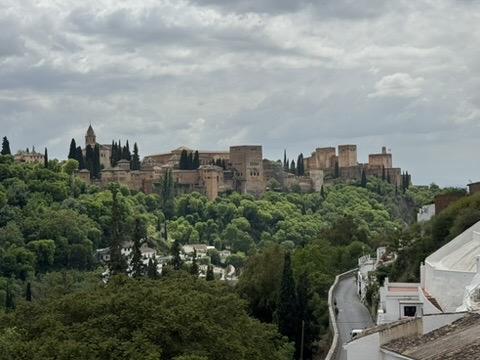
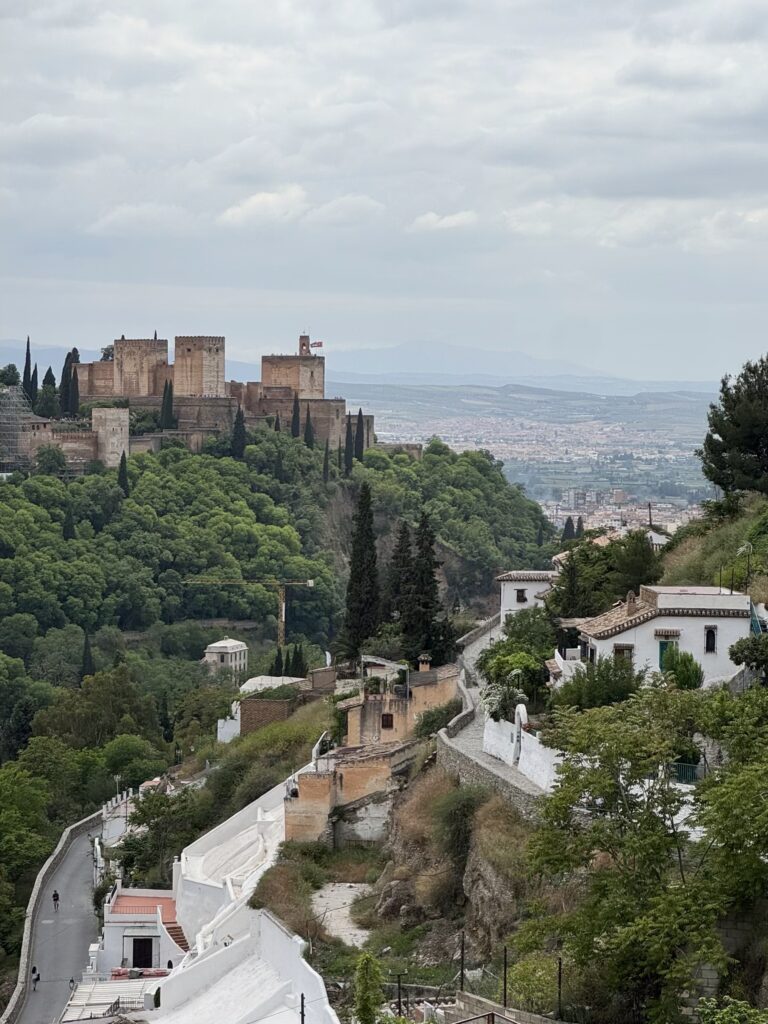
This little town is famous for it’s whitewashed cave houses built into the hillside, and it’s place as the birthplace of flamenco. The Sacromonte cave museum gives some idea what it would have been like for families to live here – tiny spaces that are cool and homely. The lime walls provide stability to the humid soil, reflect light to stop the caves from overheating, and act as a natural disinfectant.
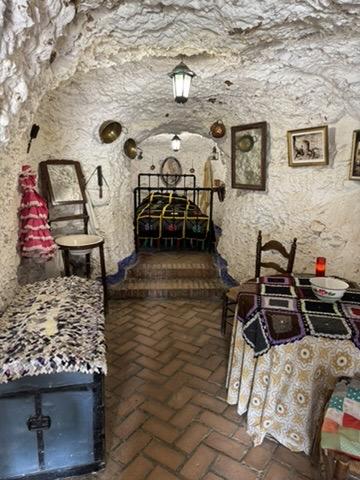
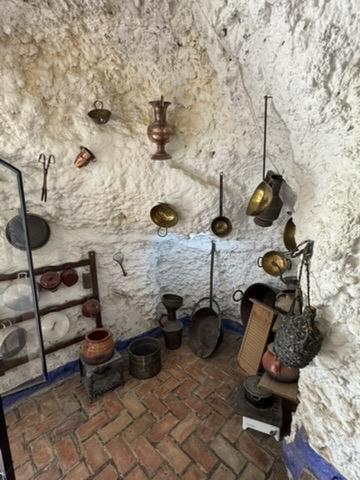
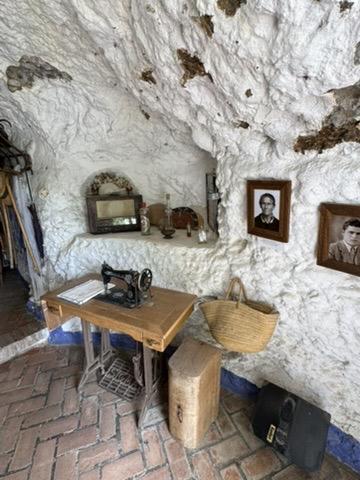
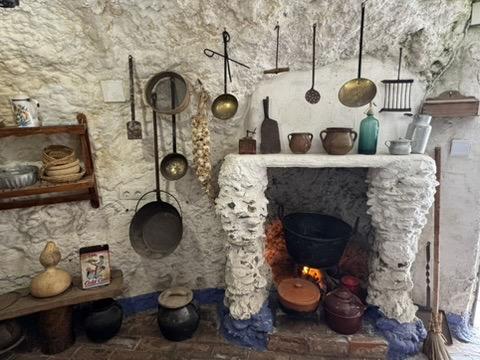
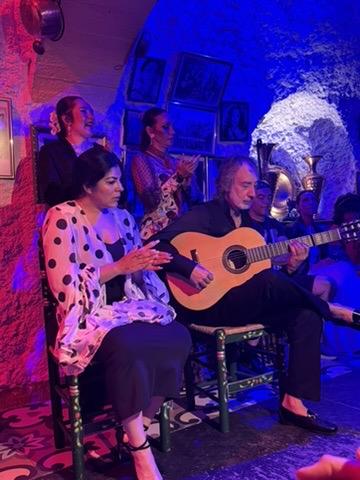
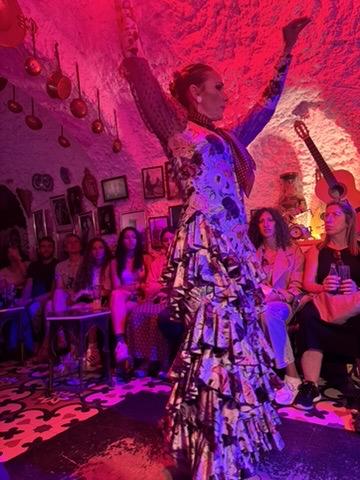
Flamenco originated in Andalucia. It’s a reflection of the diverse culture of the region over hundreds of years, blended with the Gypsies and the Moorish people of the area. There are countless flamenco shows on offer in the little caves in Sacromonte, each with their own history and style.
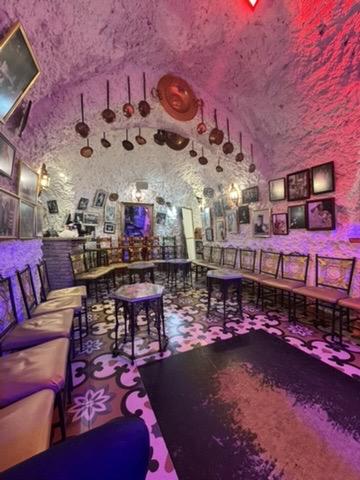
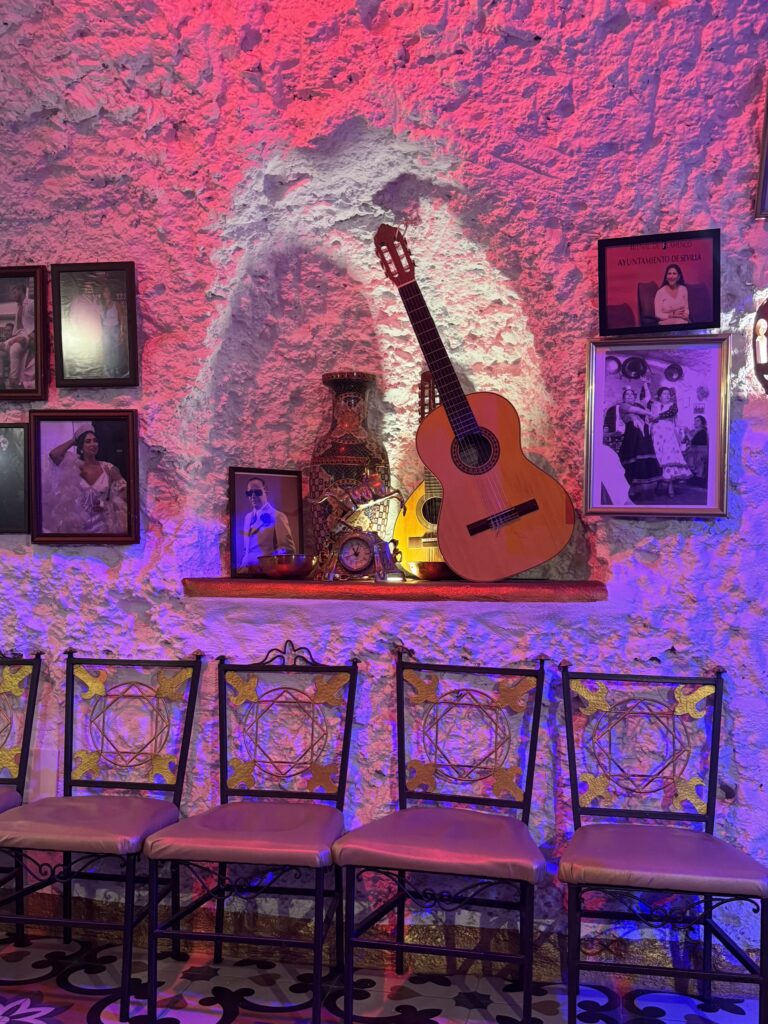
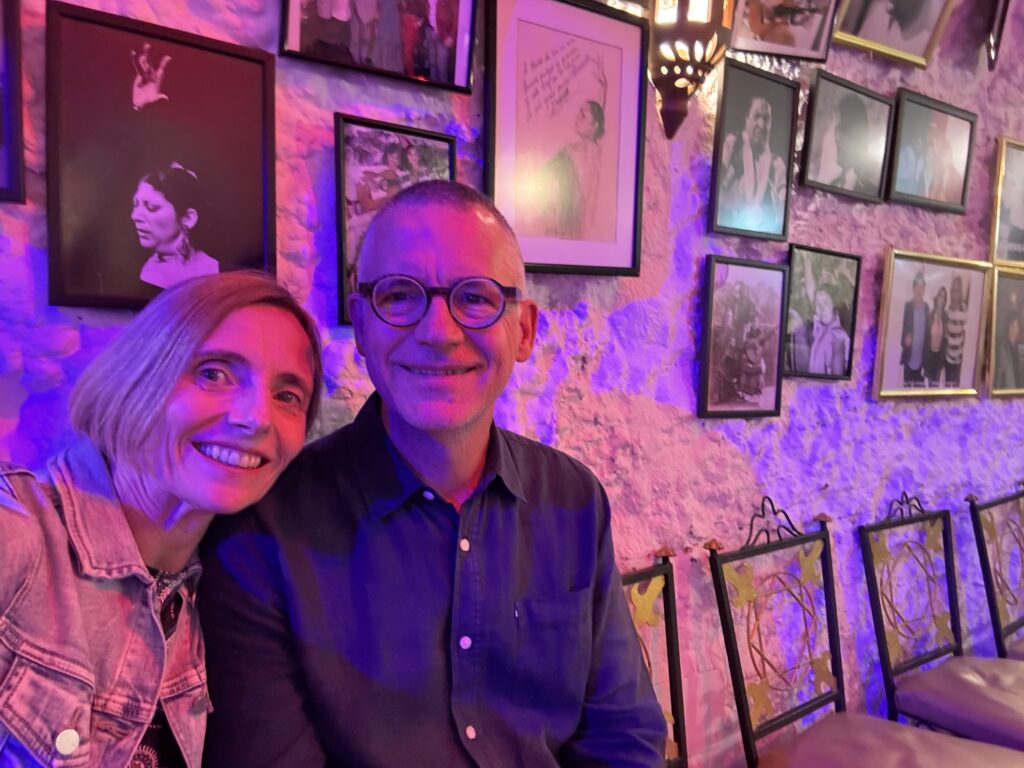
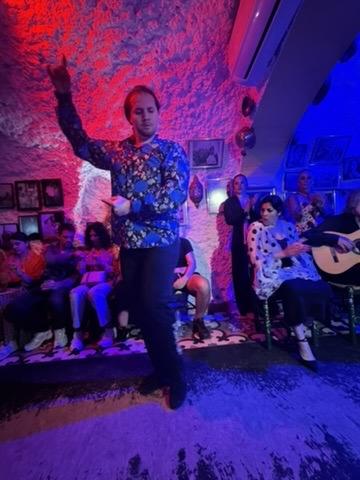
The performances bring a mixture of song, dance, guitar, hand-clapping and foot-stamping. At times it’s passionate and fast-paced with focused facial expressions, and at other times it’s slower and more solemn. Regardless of the style, it’s clearly hot and hard work for the performers!
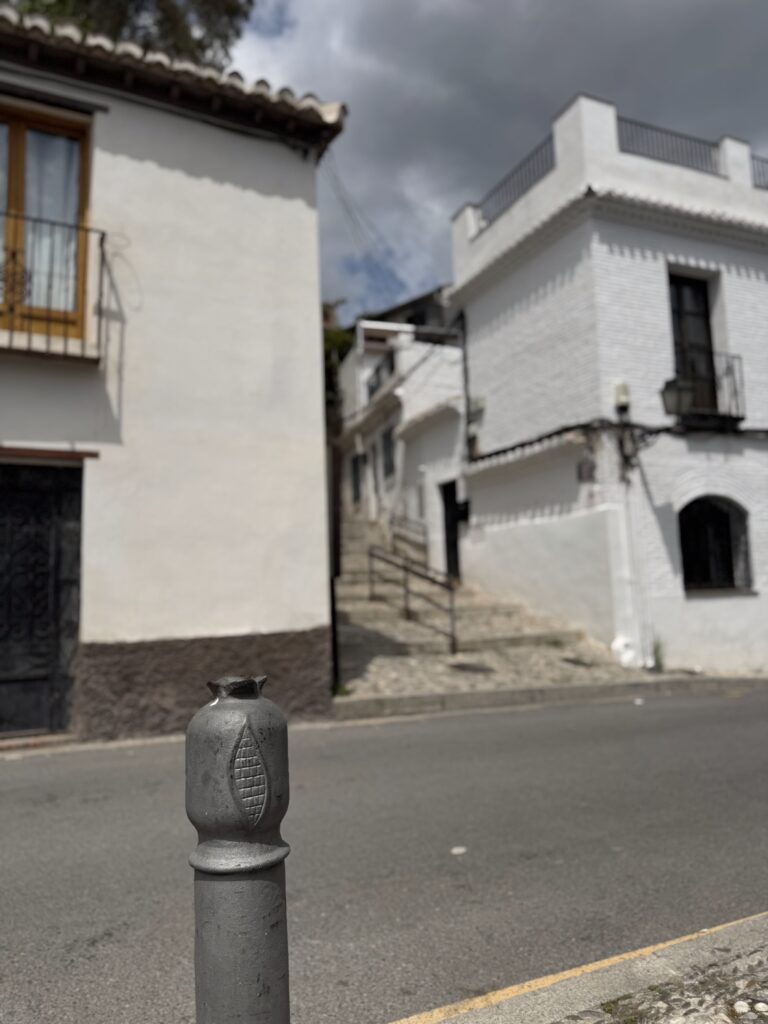
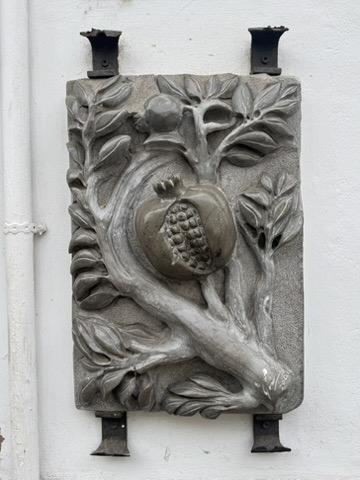
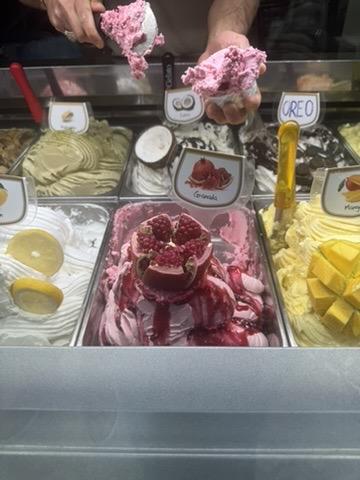
‘Granada’ is pomegranate in Spanish, and it’s said that the Catholic Kings Ferdinand and Isabella chose the fruit as a symbol of their victory over the Moors.
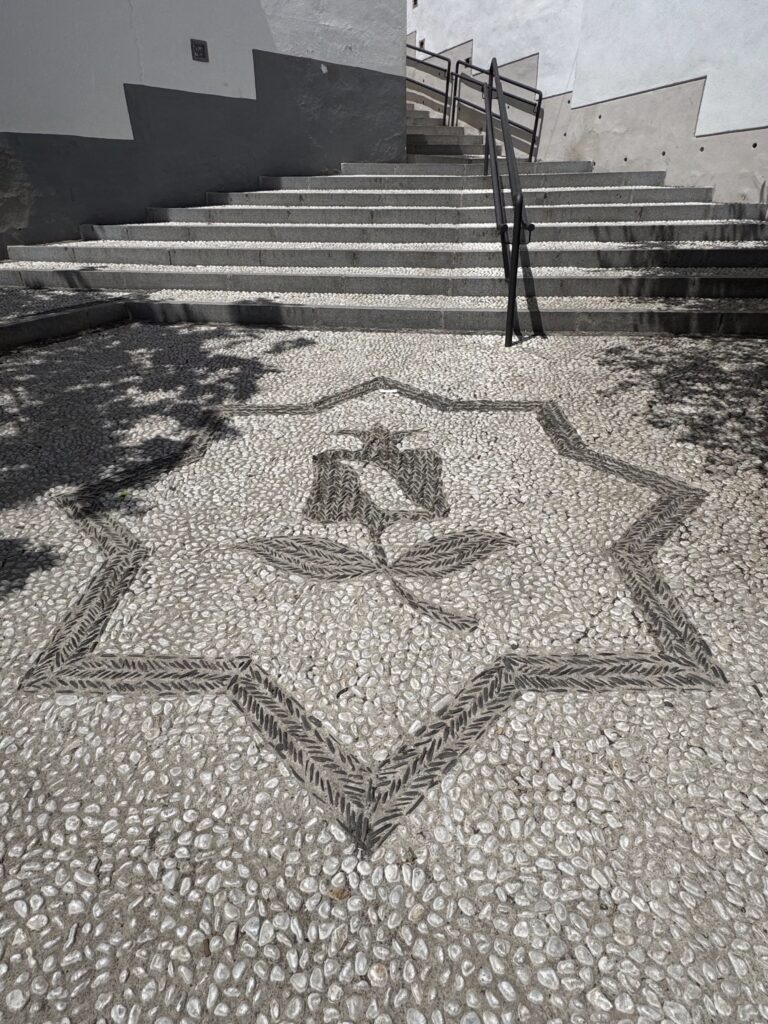
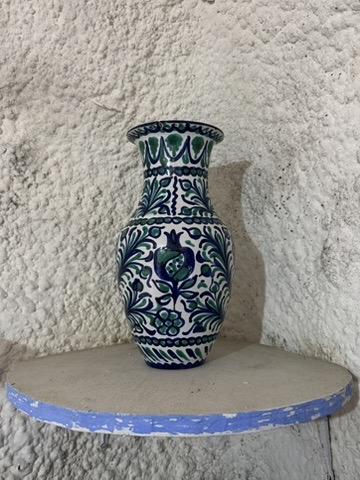
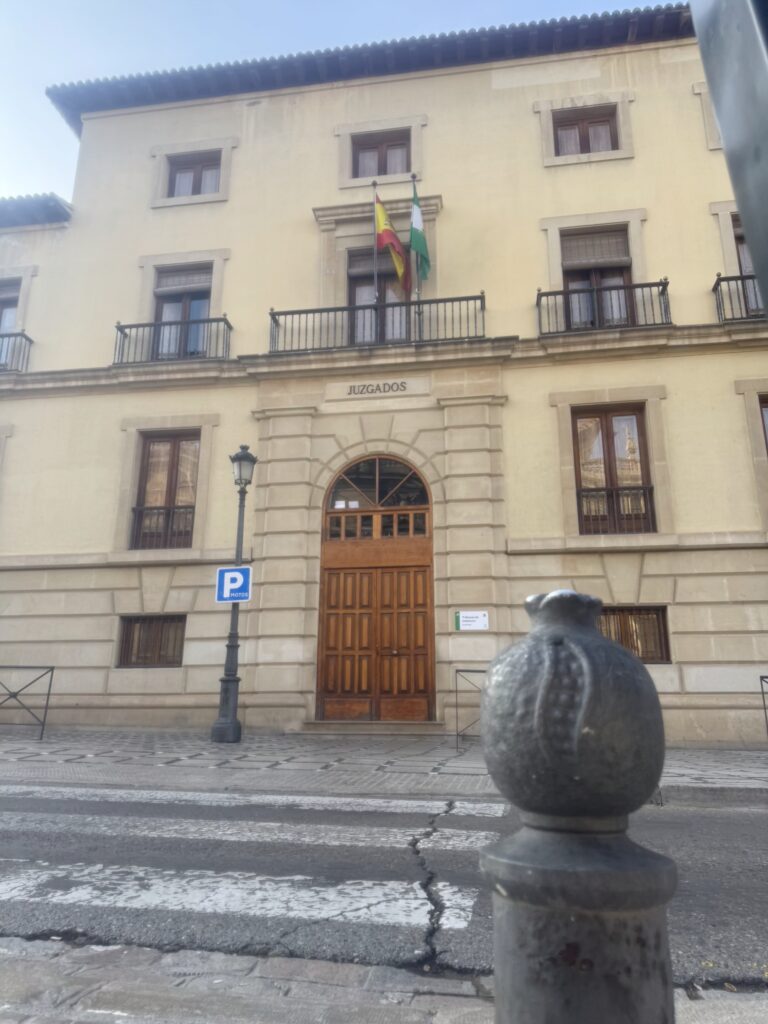
They have been cultivated for over 5000 years and are linked to survival, fertility and good health. Pomegranate symbols are dotted all over the city, appearing on streets, pottery, and walls. It’s a happy little symbol to come across over and over again!
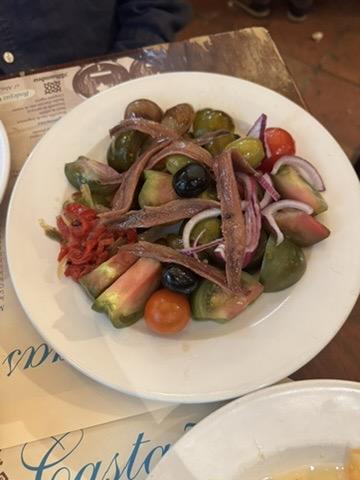
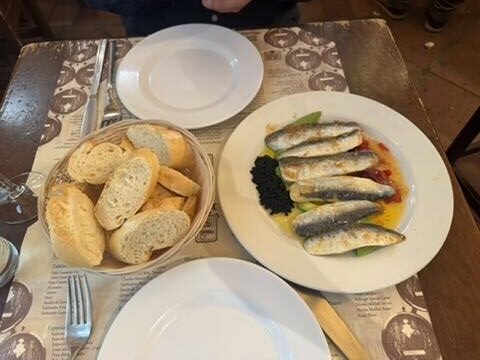
Our final dinner in Granada… back to the Bull Bar. This officially means they’ve hosted us for tapas with drinks, lunch and dinner on this trip. This time we overloaded with sardines, anchovies and tomatoes… SO good! A touch of pomegranate gelato for dessert gave the perfect excuse to deal with our last few euro coins.
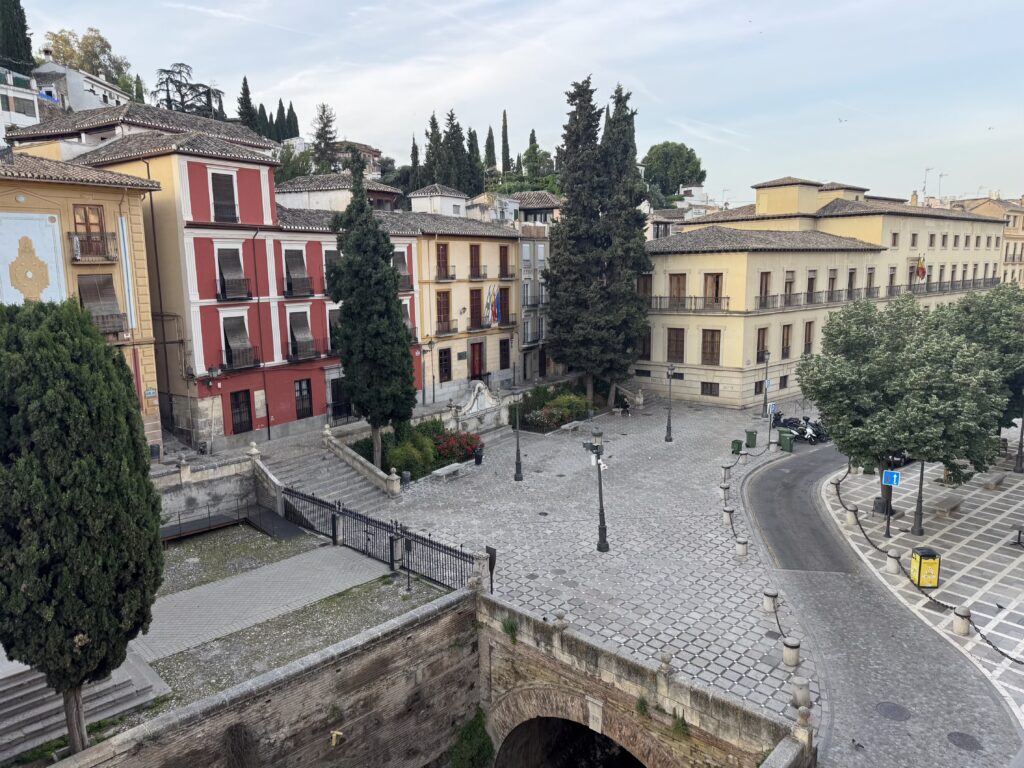
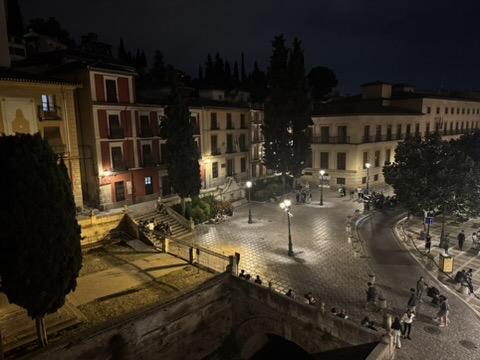
As the night falls on another stay in Granada I’m so glad that we’ve been able to come back here and reconnect with everything that Rachel loved about it. Each visit gives me more pieces of the picture, and I’m happy to leave pieces of my heart here 🩵
Love M & A x
Comments are closed