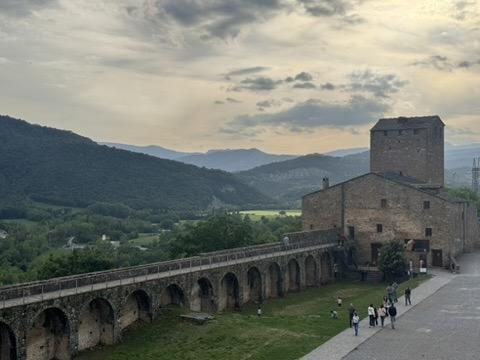
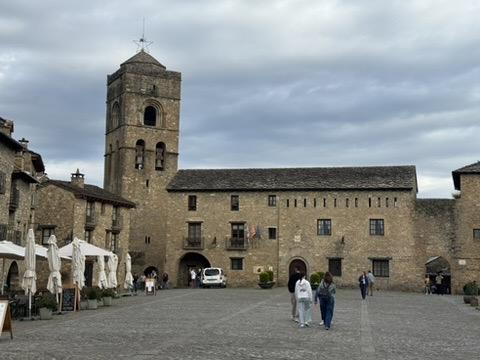
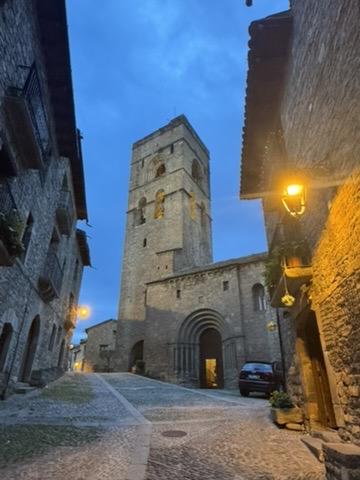
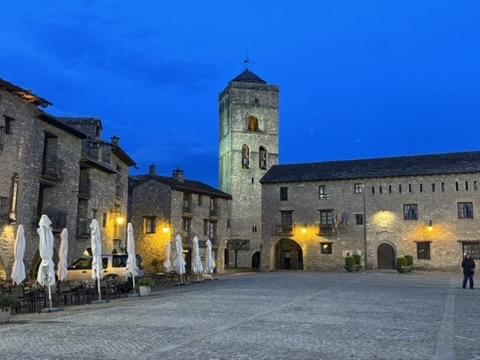
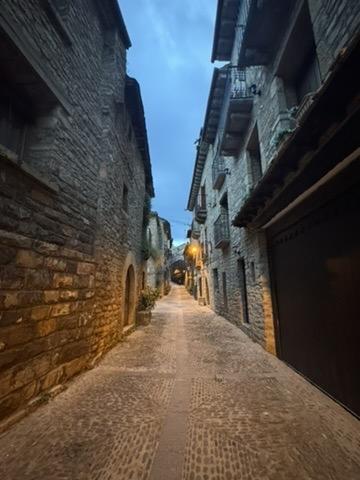
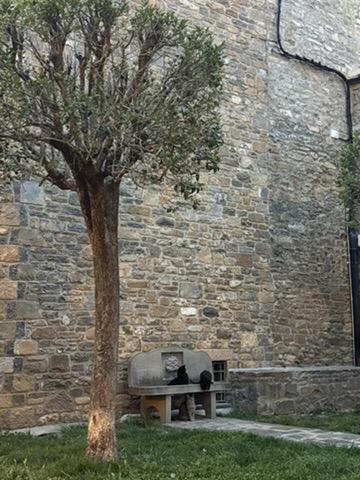
The town of Aínsa is the capital of the Aínsa-Sobrabre Municipality which has a total of 2300 residents. The medieval town sits on a hill above the Cinca and Ara rivers, and is listed as one of the most beautiful villages in Spain. The village includes a Castle built in the 11th Century, the Main Square ‘Plaza Mayor’, and the Parish Church of Santa María.
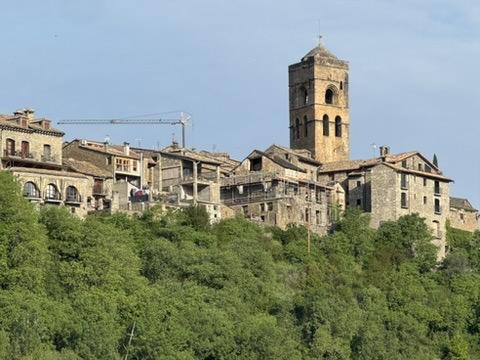
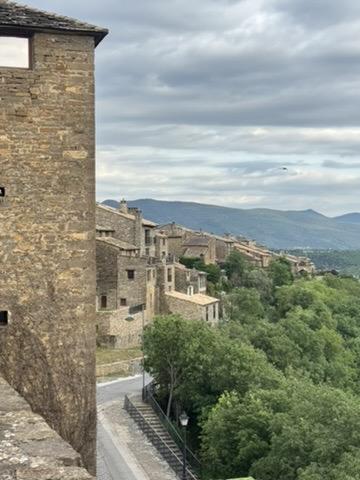
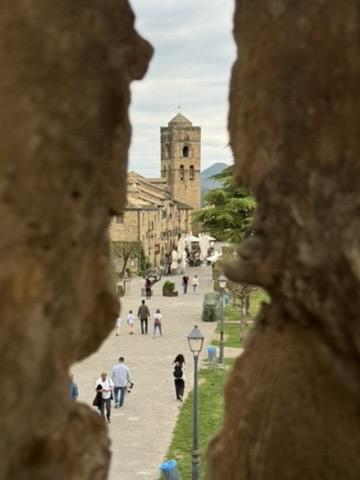
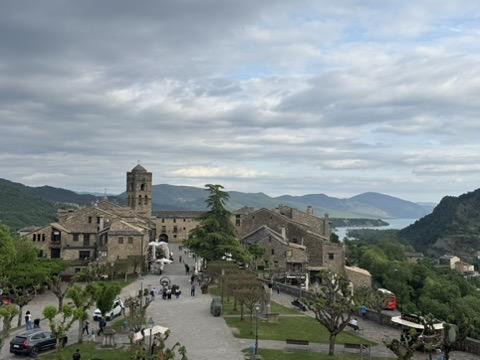
It’s a tourist town – the launch point for hiking, mountain-biking and canyoning in the Pyrenees, and they’ve adapted well by respectfully converting buildings around the square and along the two main streets of the town to hotels and restaurants. It’s clearly off the beaten track for most english-speaking tourists. We haven’t heard one for days… they don’t know what they’re missing!
We headed out of Aínsa on the road to Barcelona. Pretty quickly the winding country roads become major highways that seem to have a standard pattern for the 3 lanes… speed-limited trucks to right, speeding Audis and BMWs to the left, and everyone else in between. Even with a 120 km/h limit people fly past.
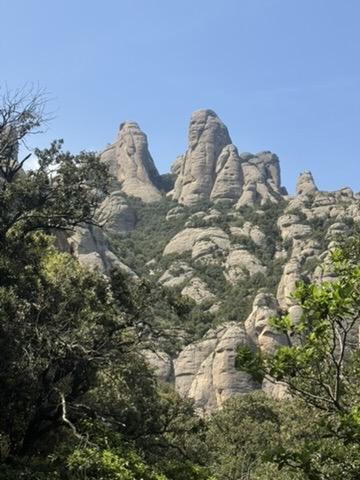
We paused at Montserrat, about an hour out of Barcelona. Monserrat translates literally to ‘serrated’, a perfect description for this striking mountain range that rises over 800 metres above sea level. It’s so different to the mountains that we’ve seen further north.
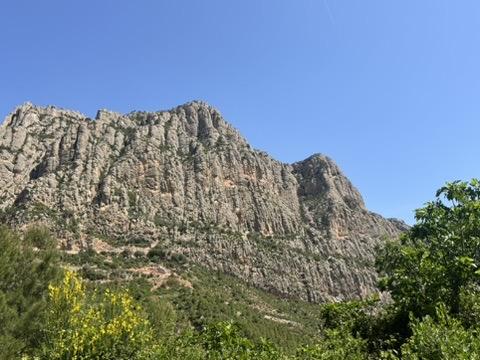
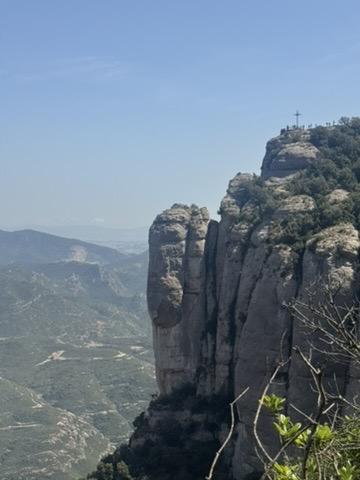
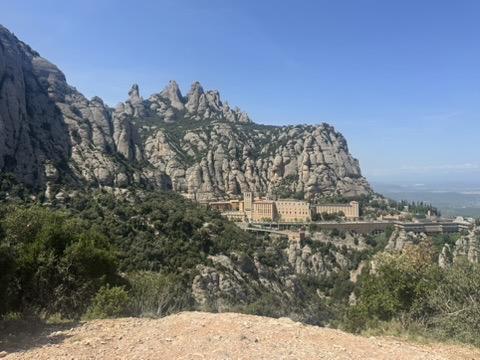
It’s a feat of engineering mastery that has delivered roads and a train up the side of this mountain. It’s a steep climb from the valley below.
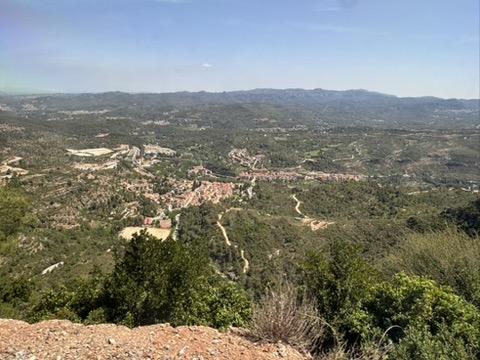
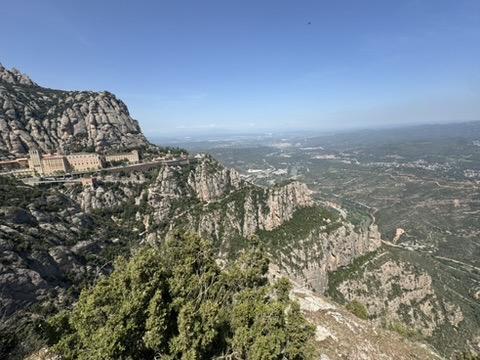
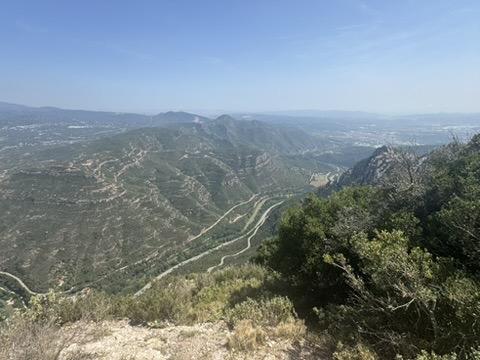
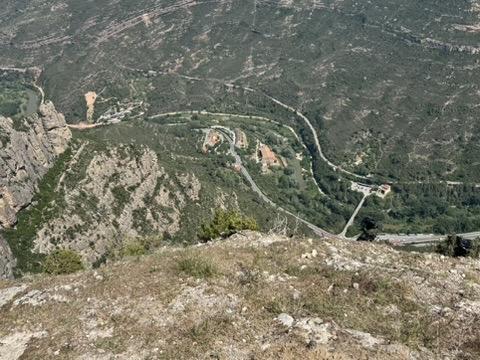
It’s the site of the Benedictine abbey, Santa Maria de Montserrat, founded in 1025 and still home to a community of about 70 monks today. The whole site is an open air museum and was filled with scores of tourists and in many ways the space feels more commercial than spiritual.
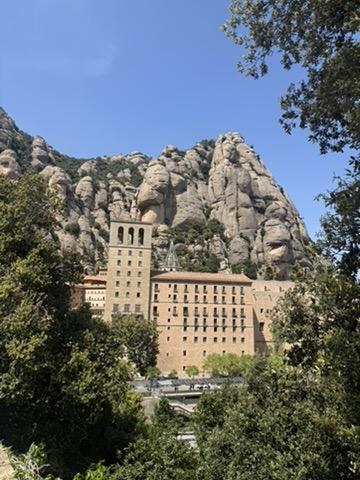
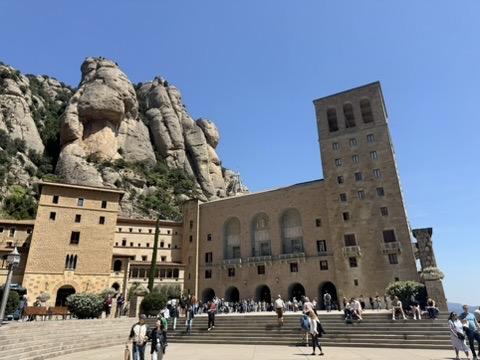
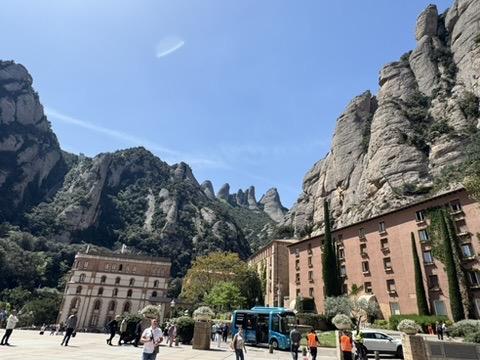
The Basilica was built in the early 19th Century, and a new facade was built after the Spanish Civil War in the mid 1900s. The architecture and attention to detail of the space is incredible, particularly considering the difficult location.
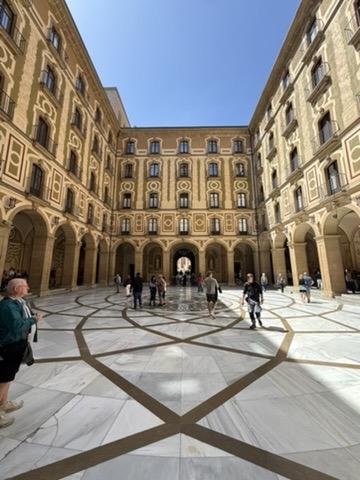
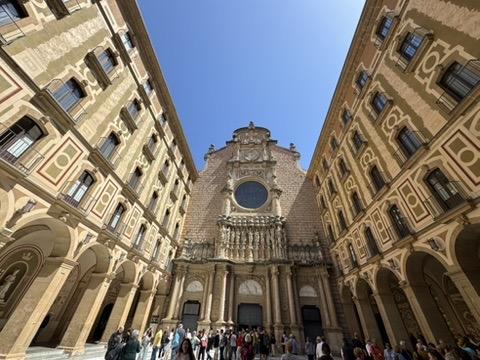
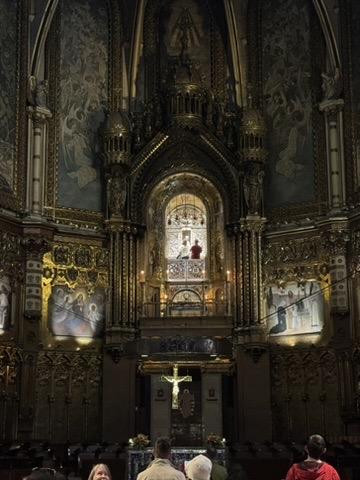
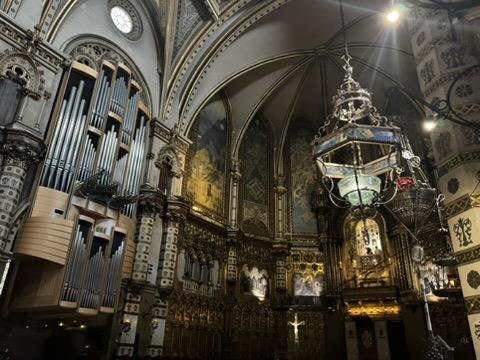
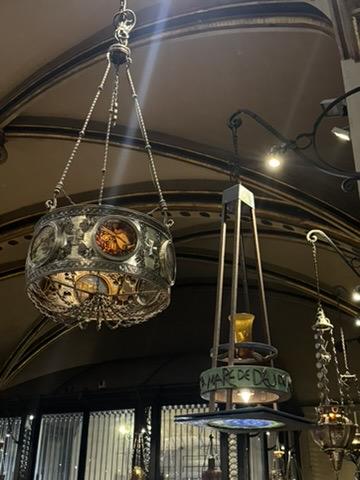
Inside the Basilica old and new blend seamlessly. The new pipe organ was commissioned in 2010 and comprises of 4242 pipes, while the 37 lamps that line both sides of the space are old, and works of art in their own right. They have been donated by regions, towns, and other entities in Catalonia, and are meant to signify the continuous presence of the people of Catalonia at the feet of Santa Maria de Montserrat.
From Montserrat it’s a short drive to the outskirts of Barcelona where the traffic and craziness of a city takes over. It was literally walking pace as we navigated our way to return the car – it’s definitely a city for walking and public transport.
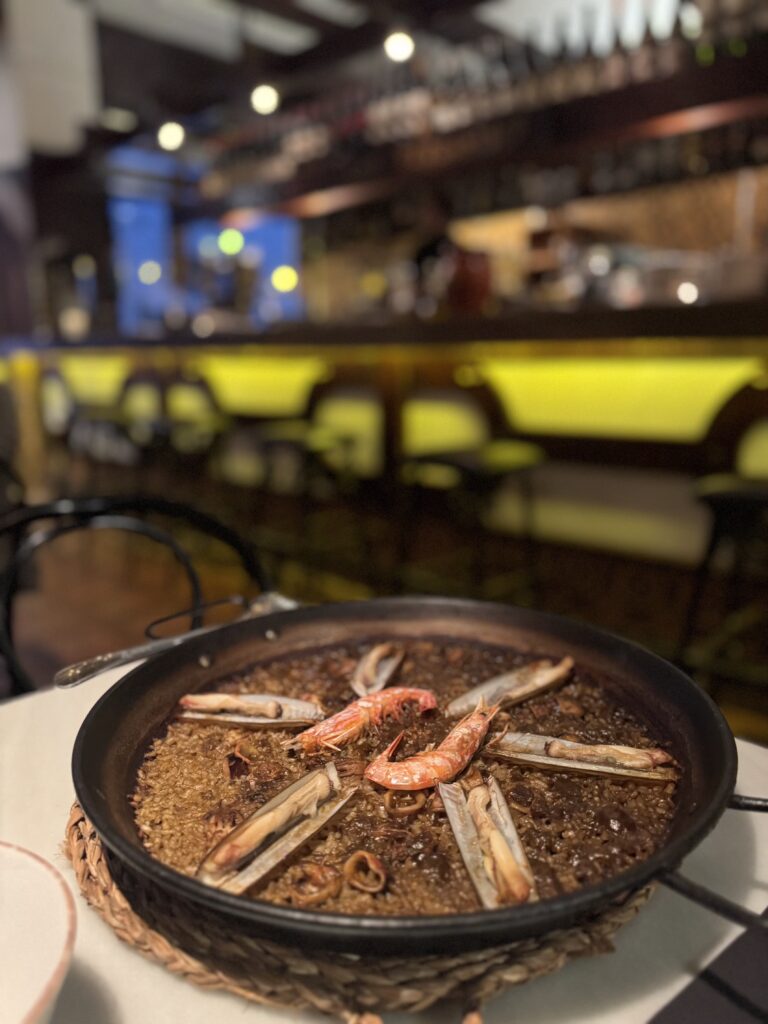
The day finished with our first paella for the trip… sooo good! Fuel for a big few days of exploration ahead!!!
Love M & A x
Comments are closed