Our first day in the road with the group reminded me of the value of a guide and a driver, particularly in a developing country with so much rich cultural history. As we left Casablanca Mohamed shared information about the city and Morocco in general.
Casablanca was originally named after the white houses with the Spanish ‘Casa’ house, and ‘Blanca’ white. It’s the economic capital of the country however has never been the recognised capital (Rabat since 1912) or one of the 4 imperial cities (Fes, Marrakech, Meknes and Rabat). It is the largest city, with 7 million of the 38 million people in Morocco.
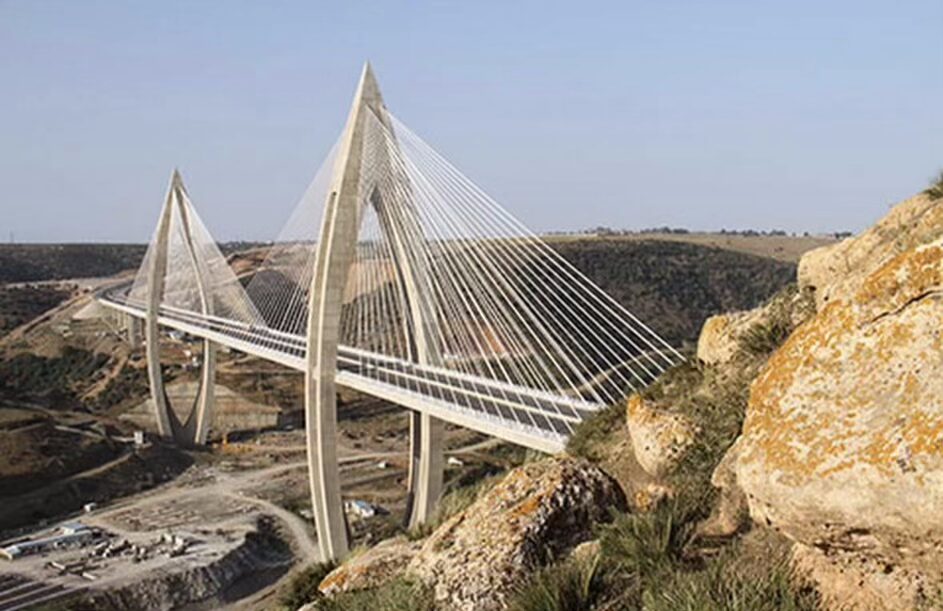
The road from Casablanca to Fes took us past a couple of large and impressive infrastructure projects. The Mohammed VI bridge across the Bou Regreg River was opened in 2016, with its 2 high arched towers and parallel cables are designed to symbolise the new doors to Rabat and Salé. Anyone who has followed the blog over the years will know that I love a cable-stayed bridge 😂 Full disclosure, the photo was sourced online.
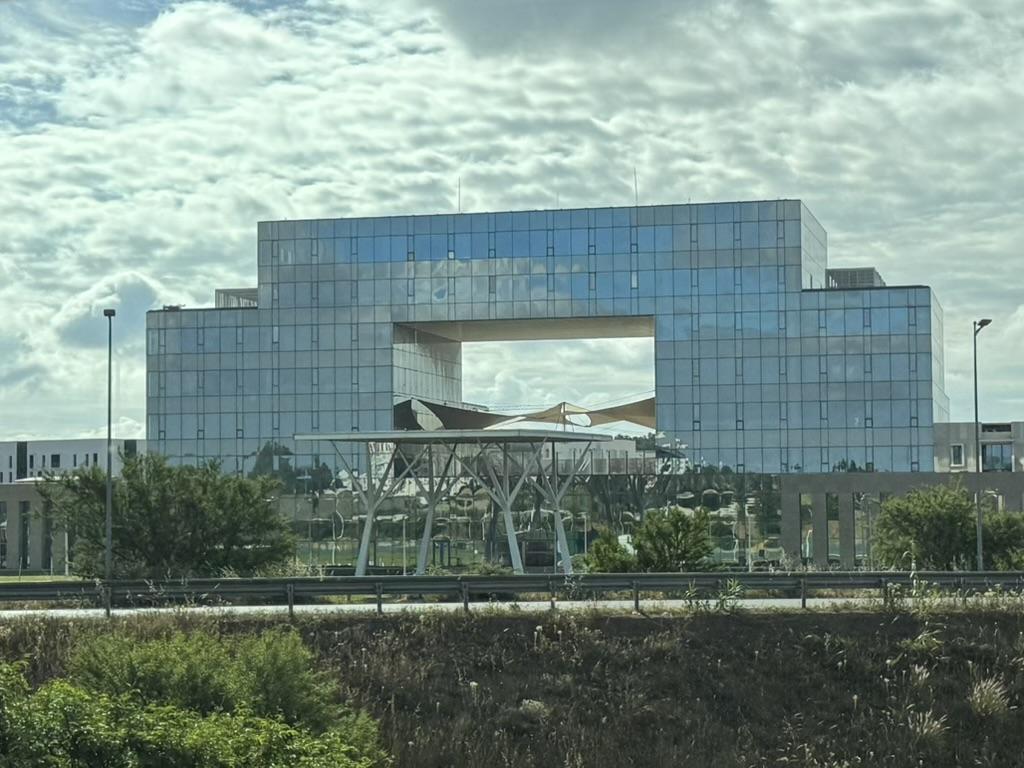
We also passed a huge modern University Mohammed VI Polytechnic campus that seemed to be in the middle of nowhere. It focuses on political science, governance and economics and is a hub for business and executive programs in Morocco and hosts the Africa Business School.
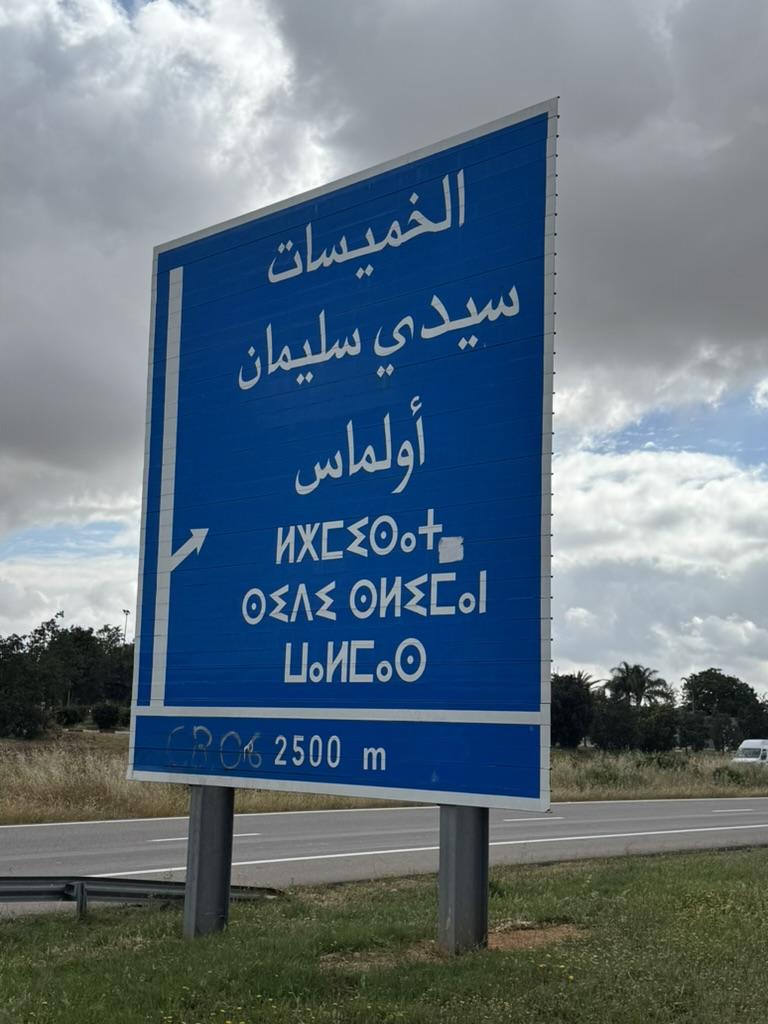
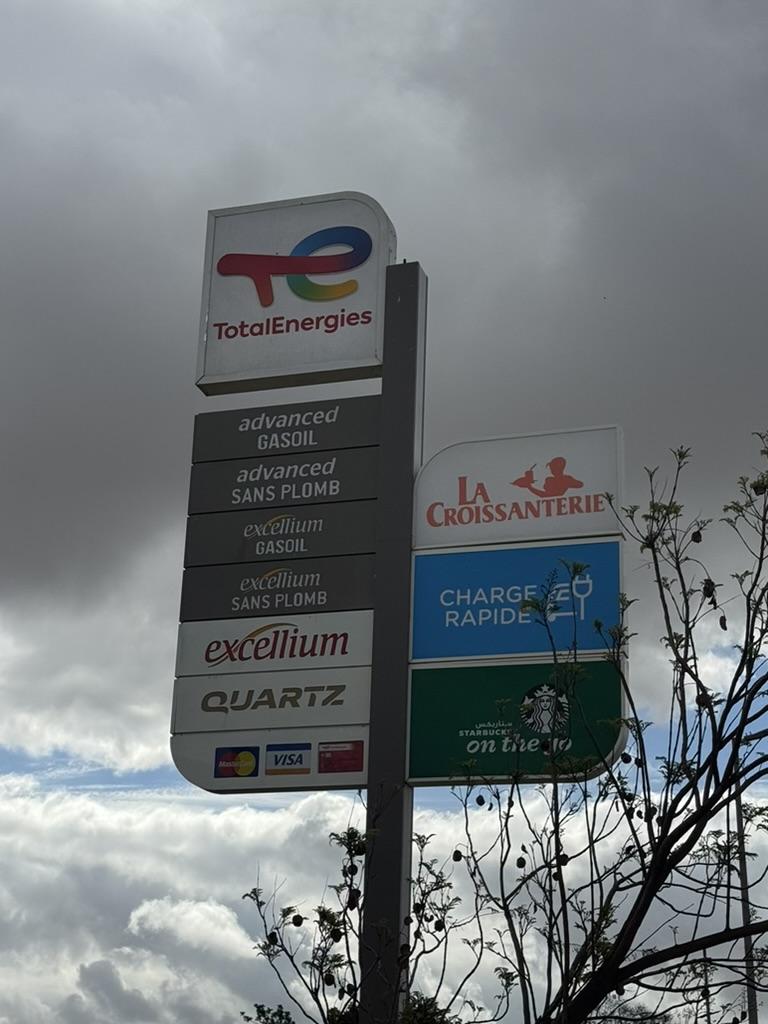
Arabic is spoken by about 93% of people in Morocco and is the primary official language. In 2011 the historical Berber was added as an official language, spoken by about 25% of the population. French is widely used with 36% of people speaking it, followed by English at 14% and Spanish at about 5%. This mix creates massive complexity for signage!
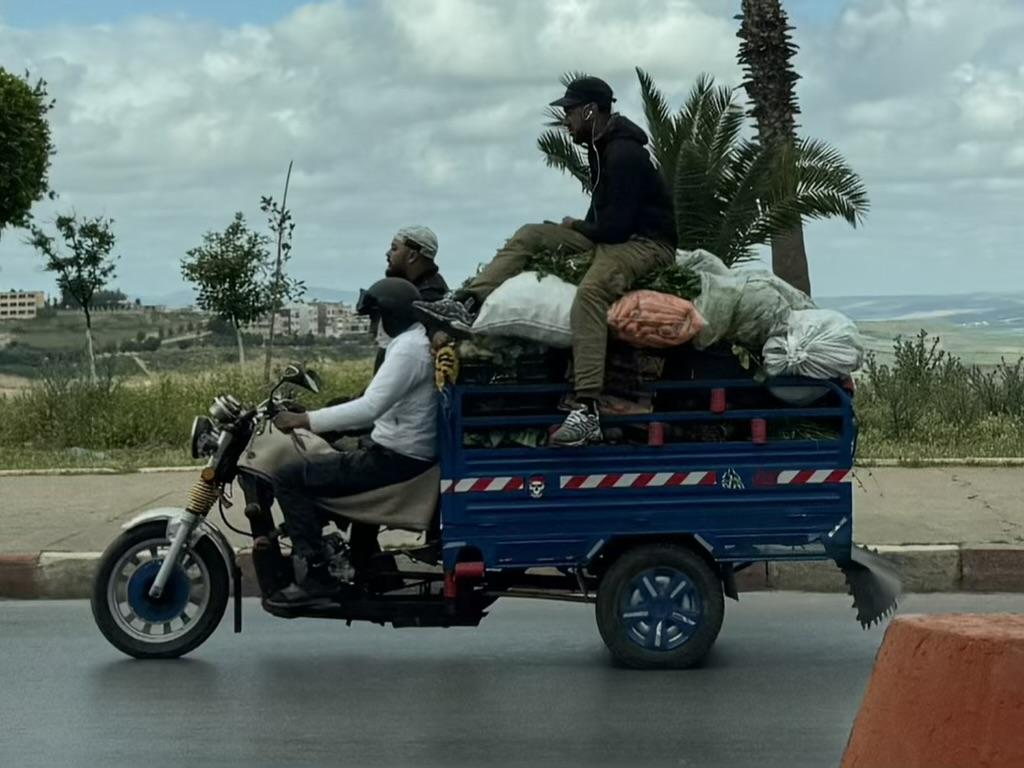
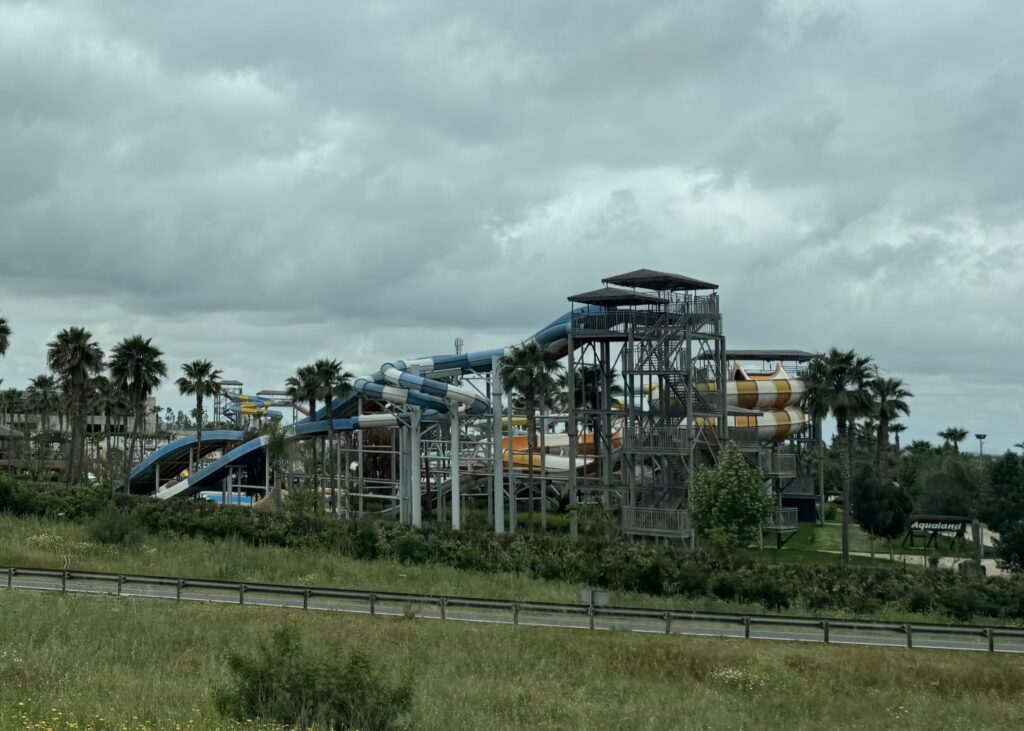
A road trip always exposes some fascinating sights. The ‘motorbike ute’ seems to be a common way to transport goods… not sure about the person on the top of lack of helmets! Meanwhile, random water parks seemed to pop up in this area, no other infrastructure around.
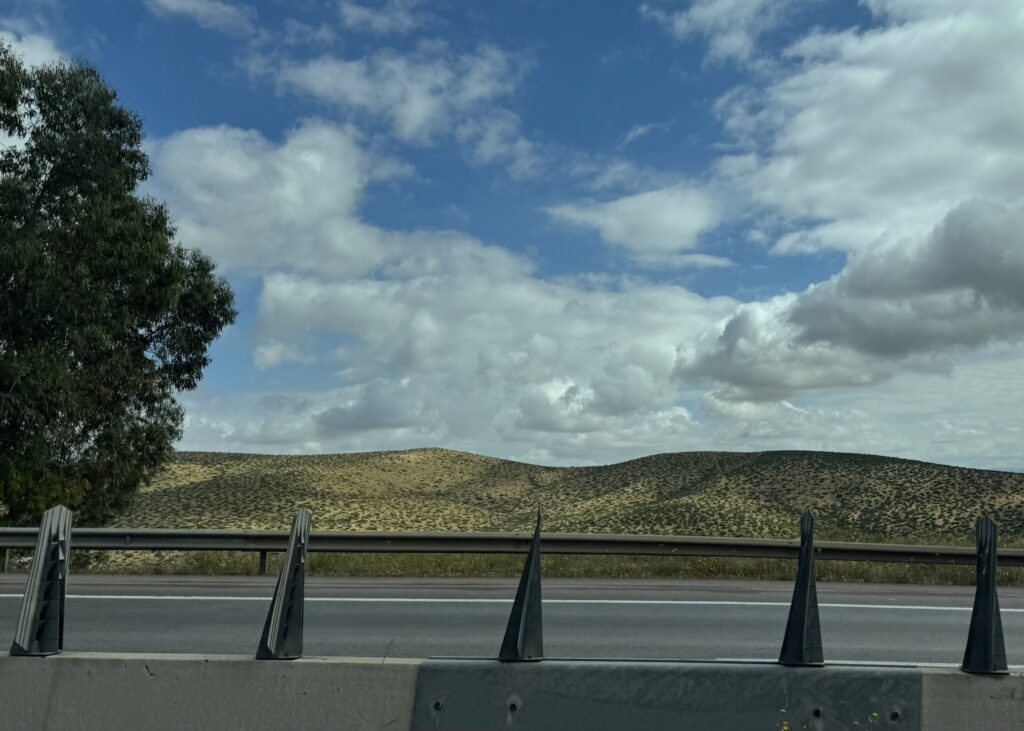
The landscape on the road from Casablanca to Fes via Meknes is open and flat. It’s a significant agriculture area, known as the ‘bread basket of Morocco’ producing wheat, barley, olives, almonds, lentils and chick peas. Good rains in the last year mean everything is much more lush and green than normal.
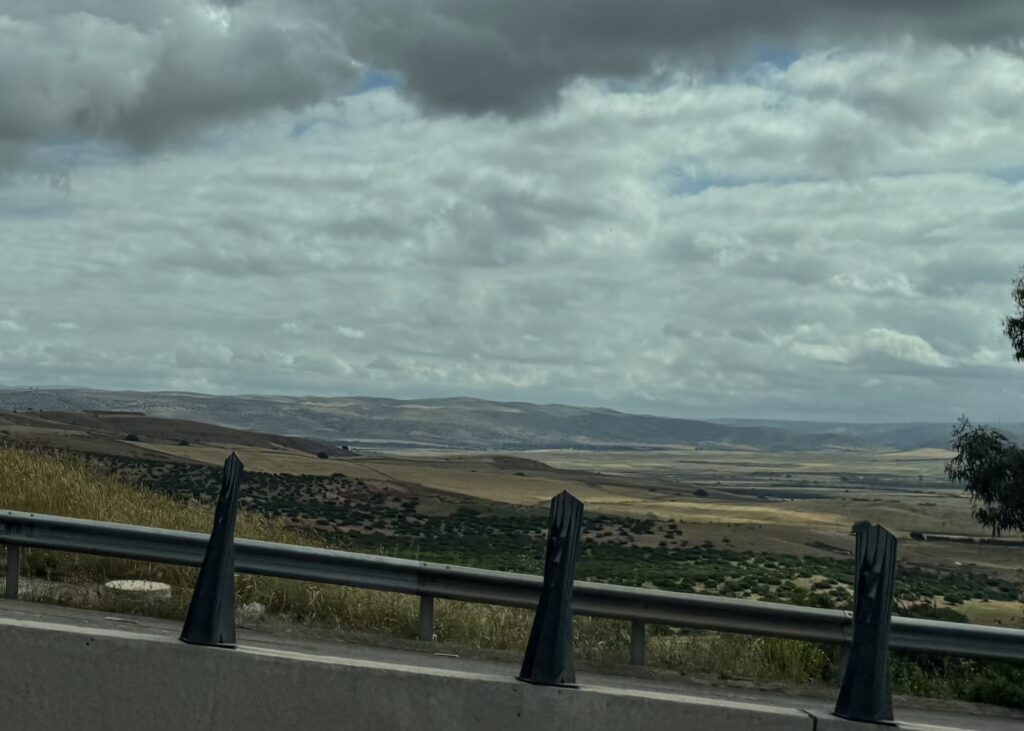
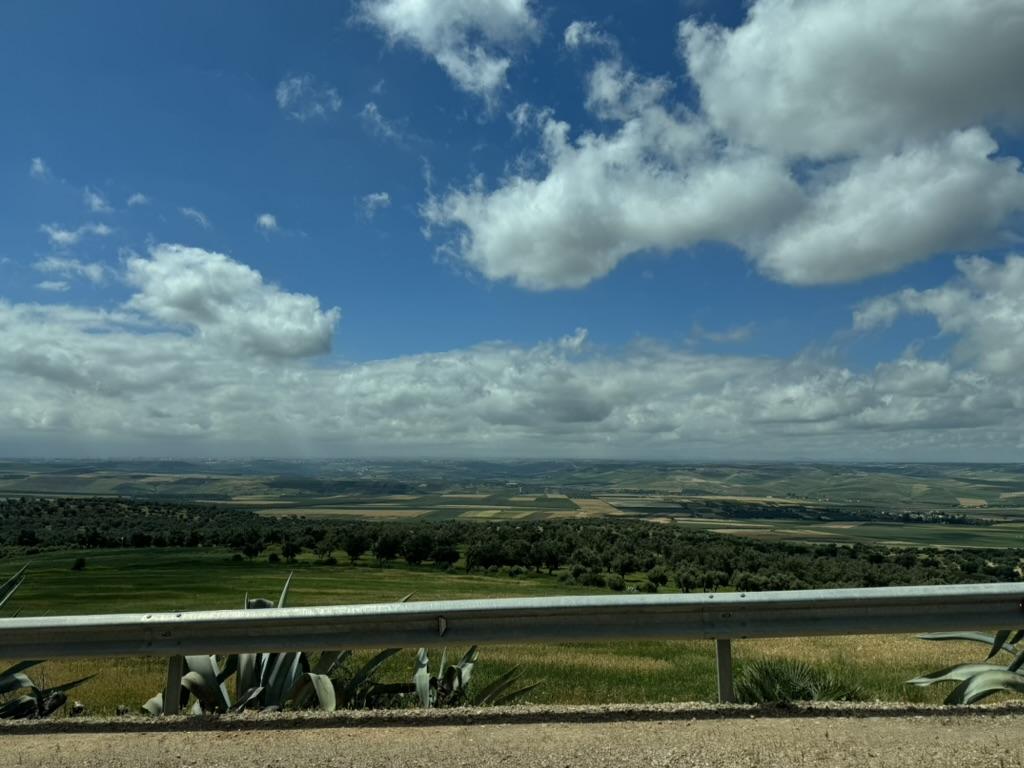
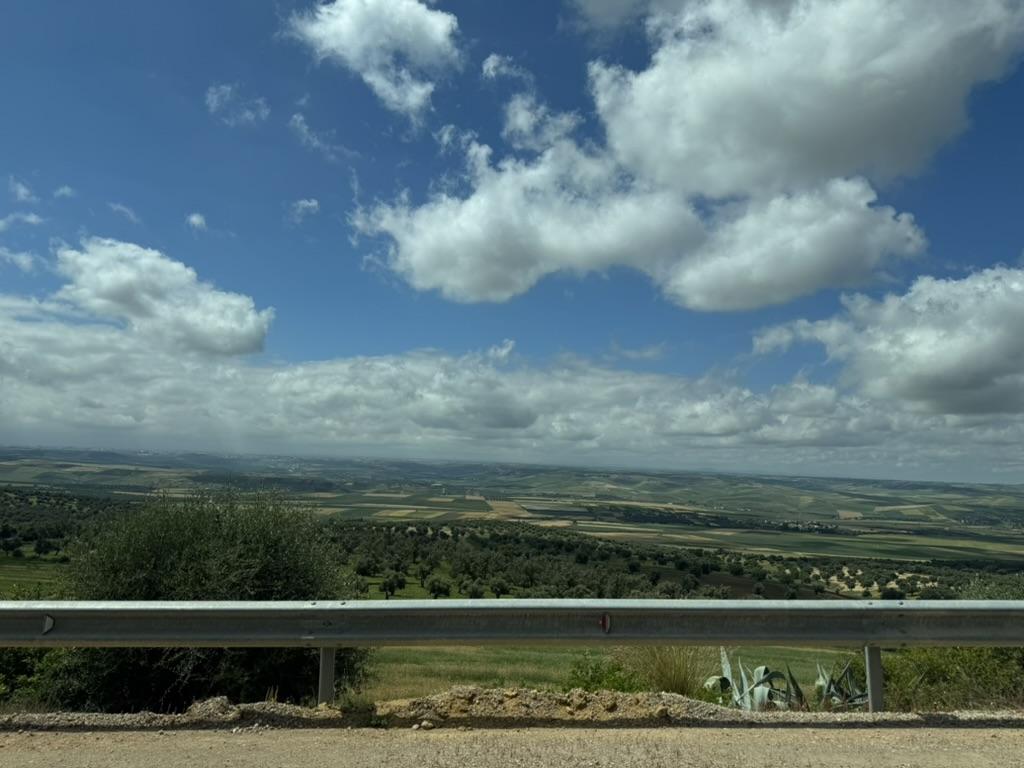
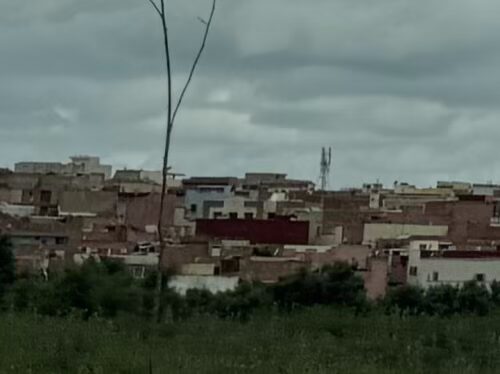
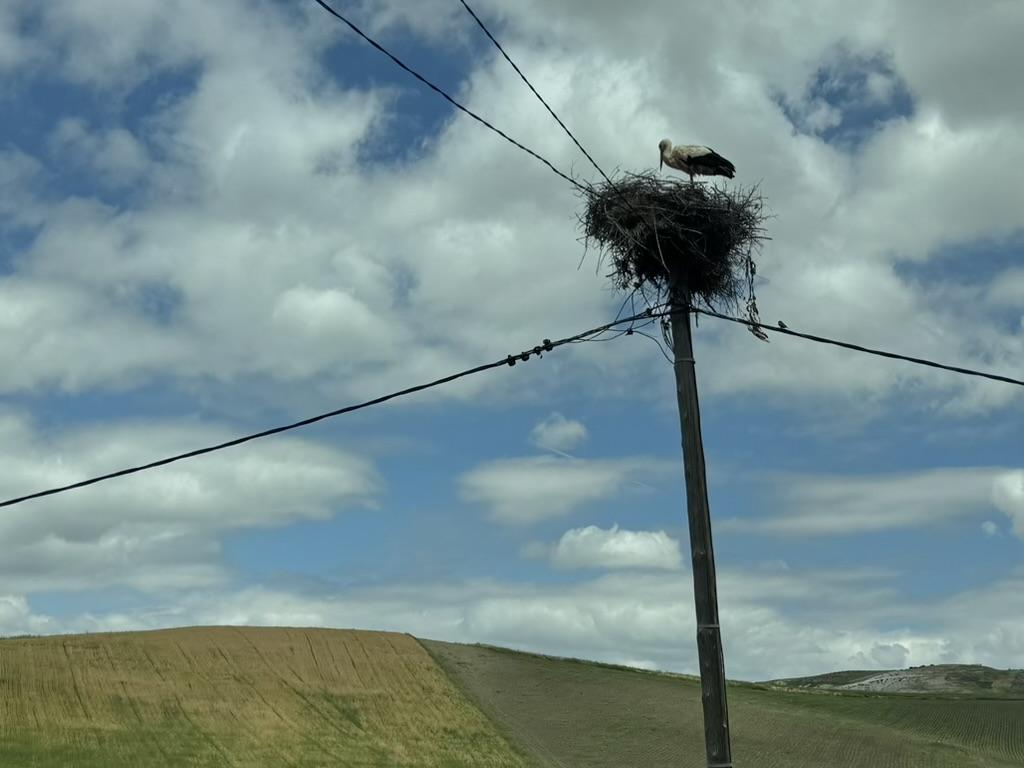
Moroccan residential architecture is simple, and practical – rectangular, attached, concrete buildings that are almost commercial. Storks have successfully adopted power infrastructure as their own!
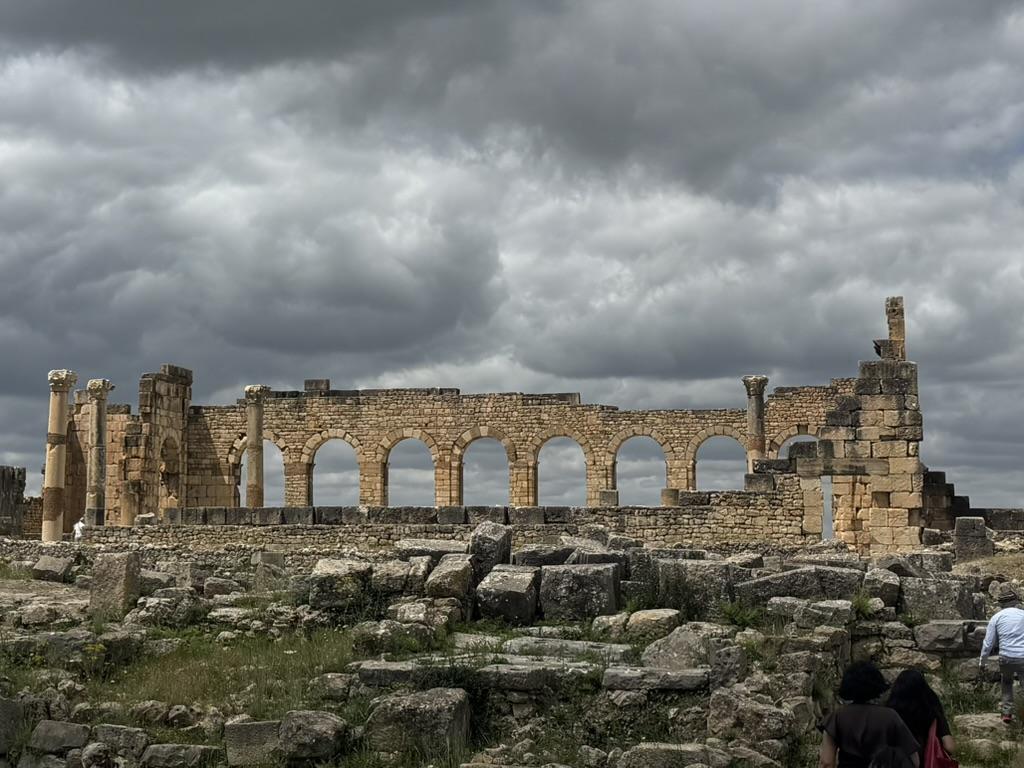
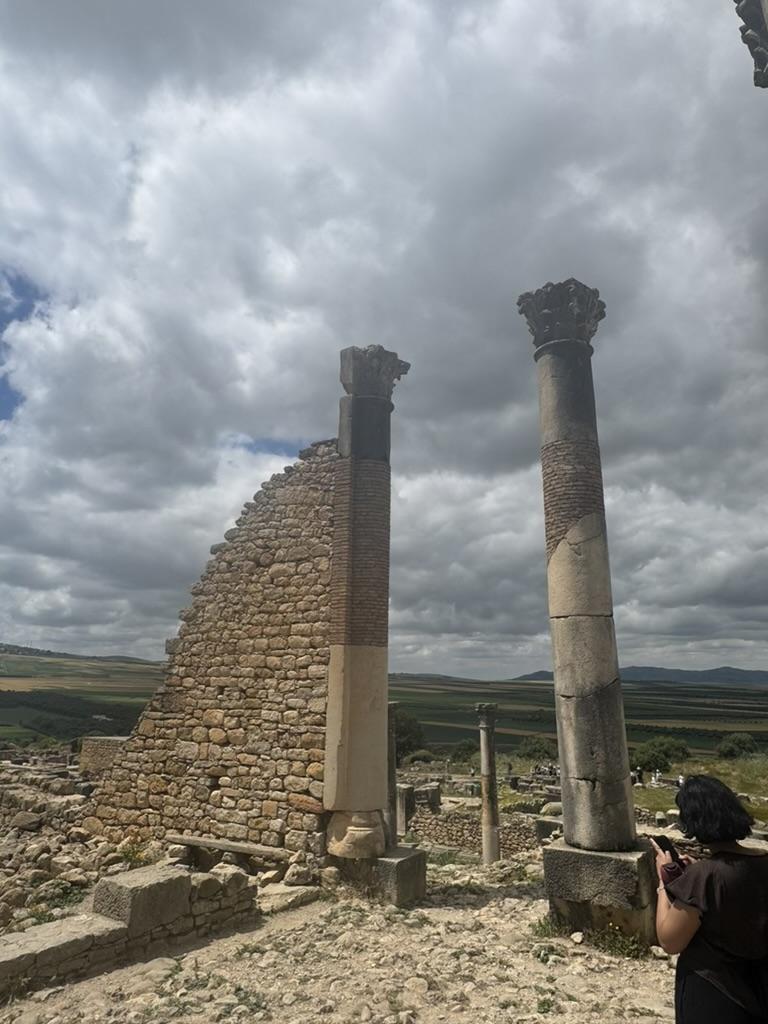
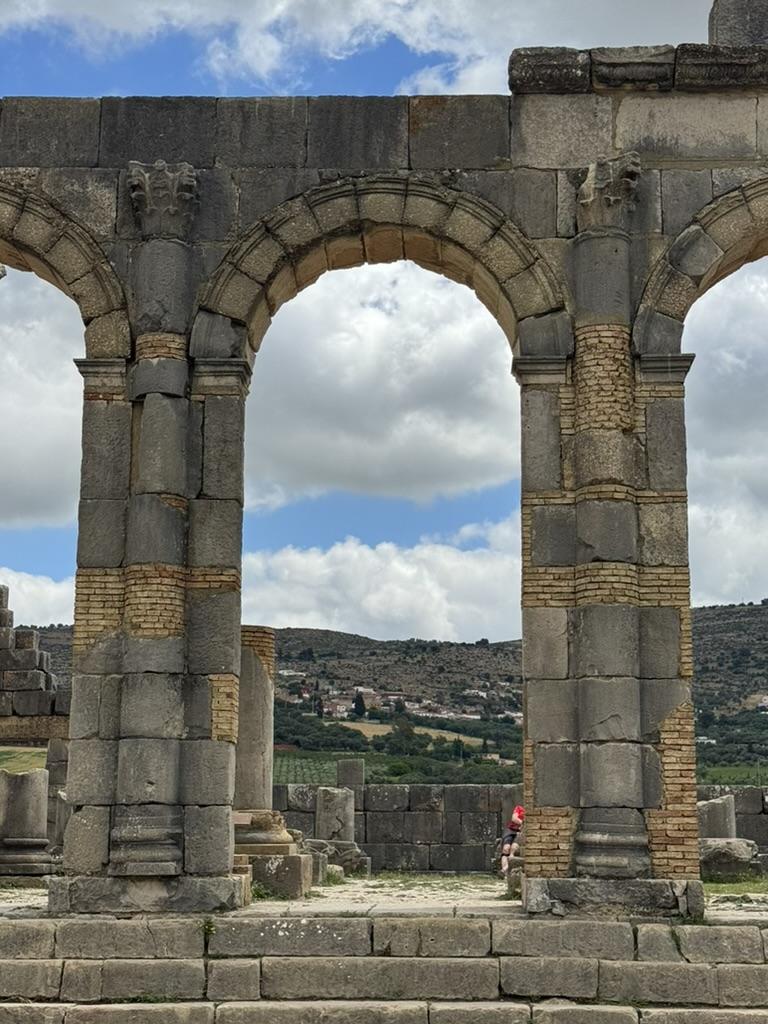
The Roman ruins at Volubilis are Morocco’s most significant archaeological site. It was originally a Berber settlement, before transitioning to a Roman capital and then an early Islamic centre. At its peak it had 20,000 residents and grew wealthy through the export of grain, olive oil and wild animals. The ruins are well preserved and feature a Basilica and Triumphal Arch with great views over the plains.
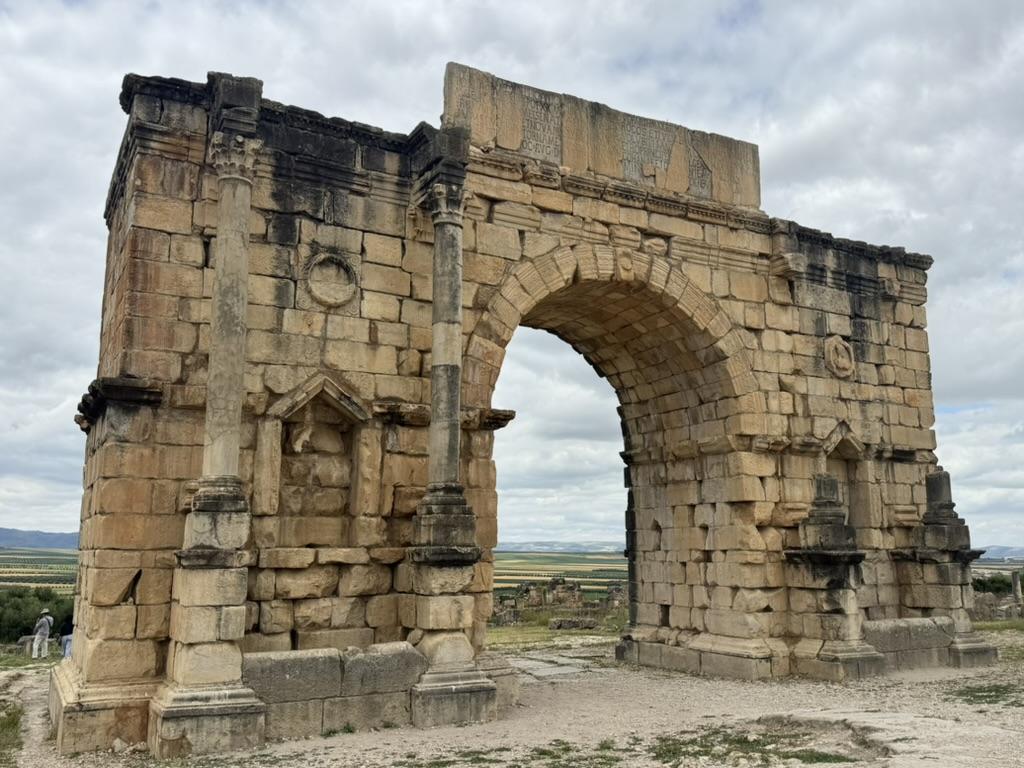
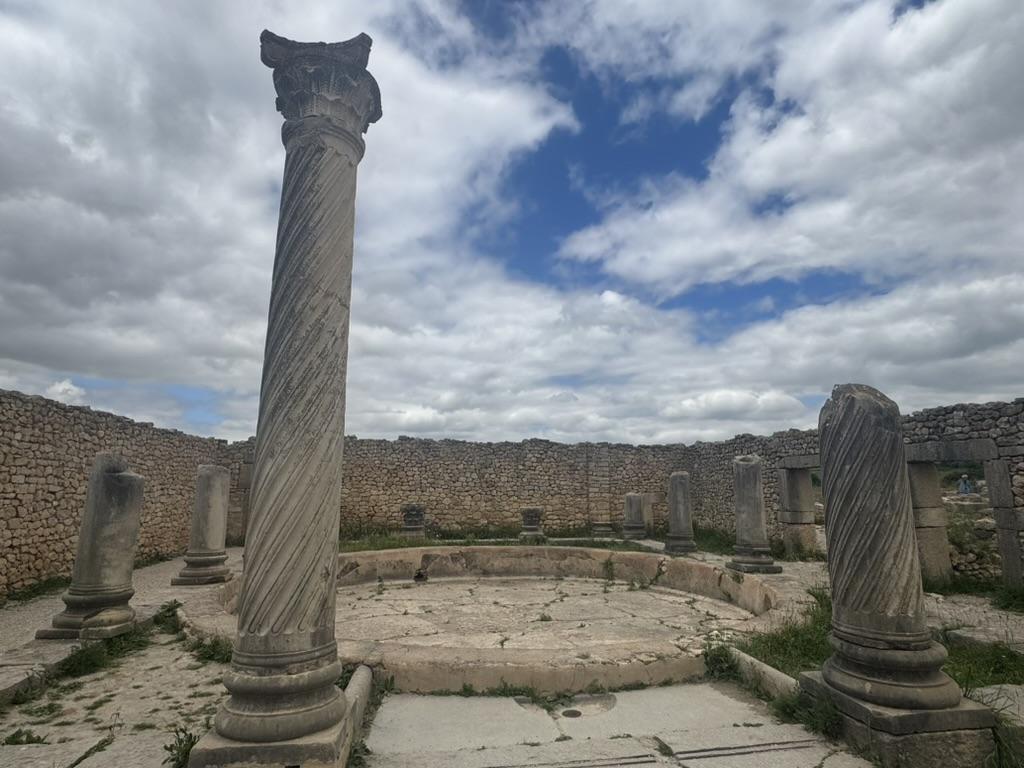
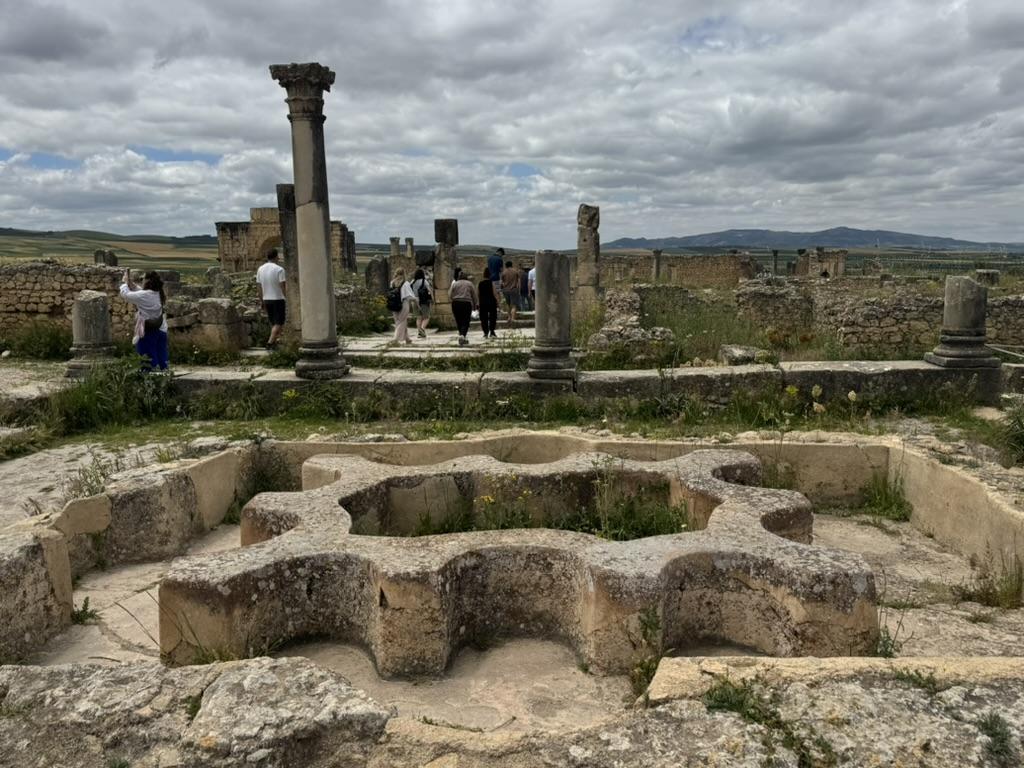
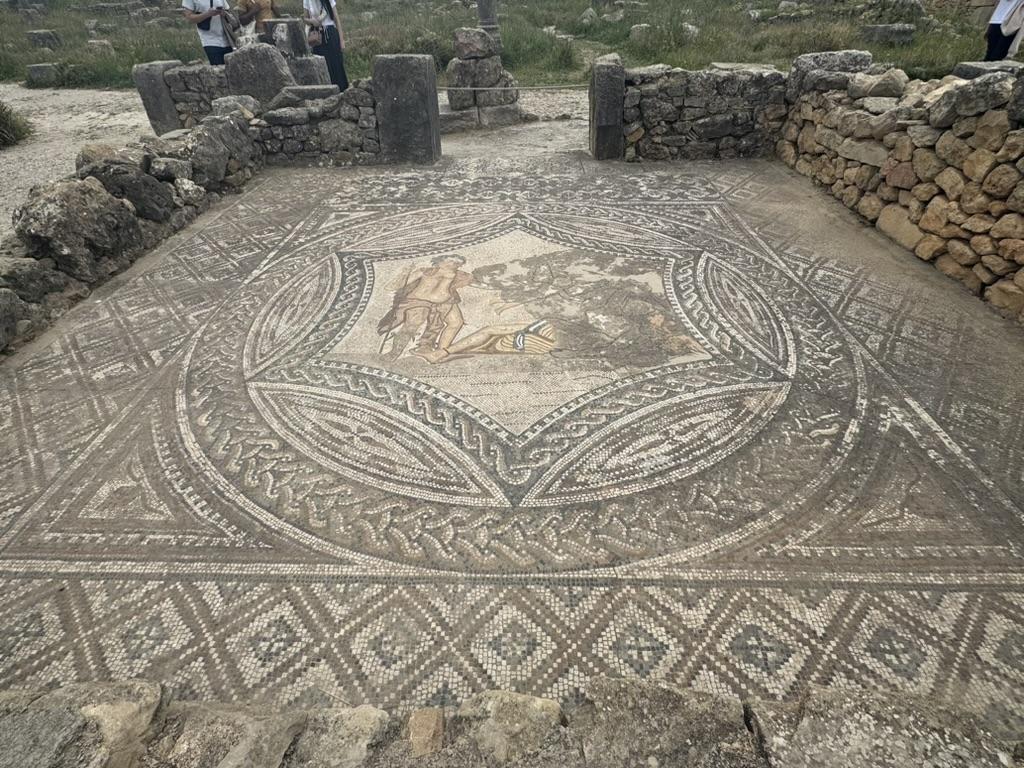
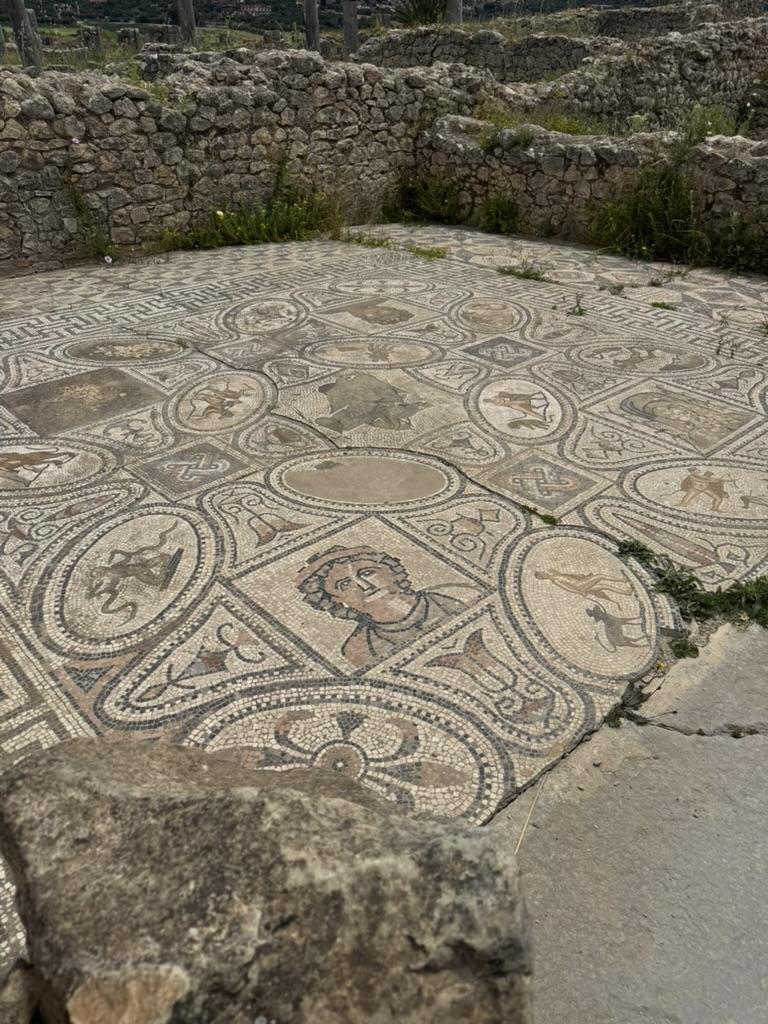
One of the features that sets Volubilis apart is the mosaics that remain in situ. Detailed works depict scenes from Greek and Roman mythology that are still relatively intact.
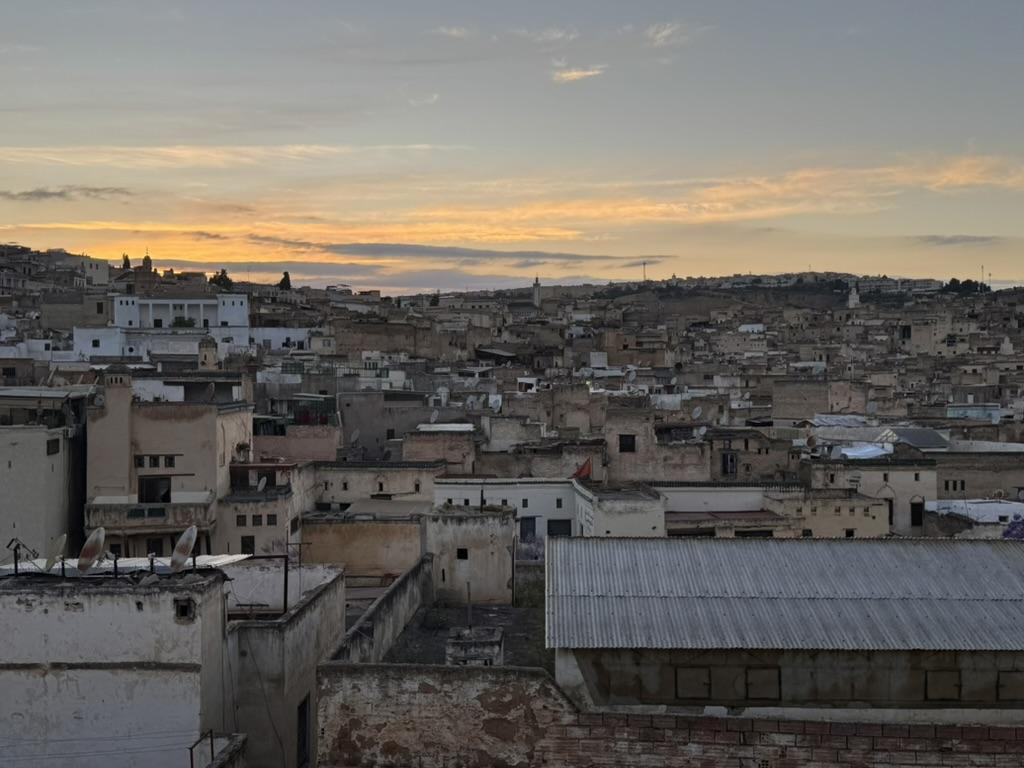
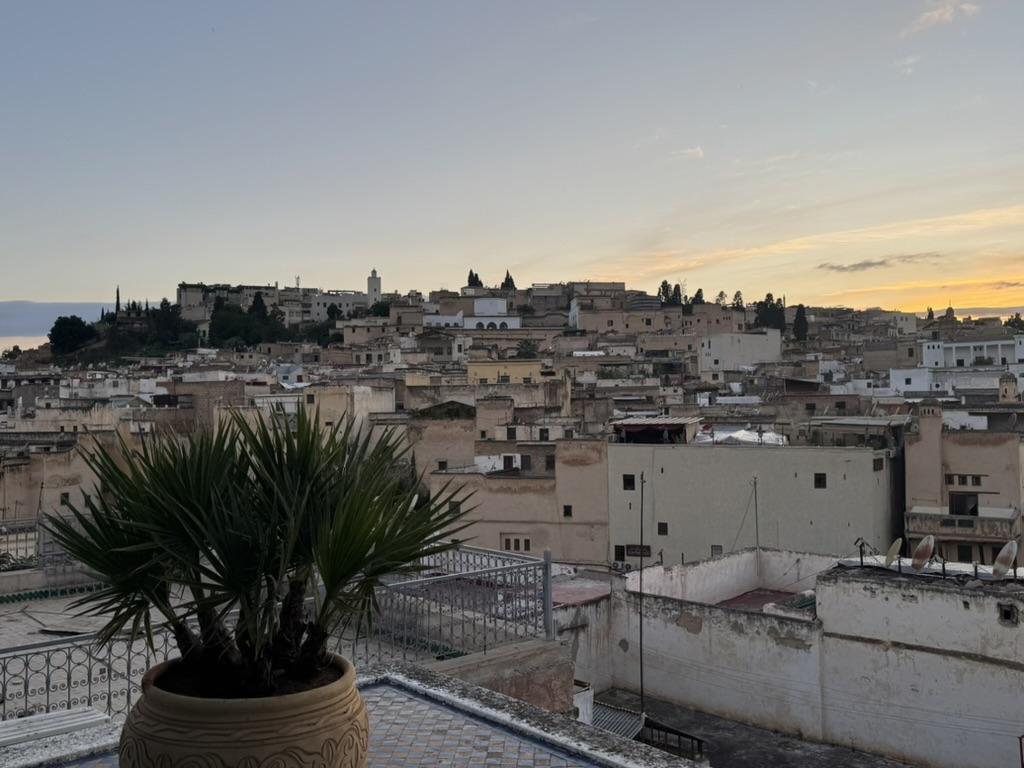
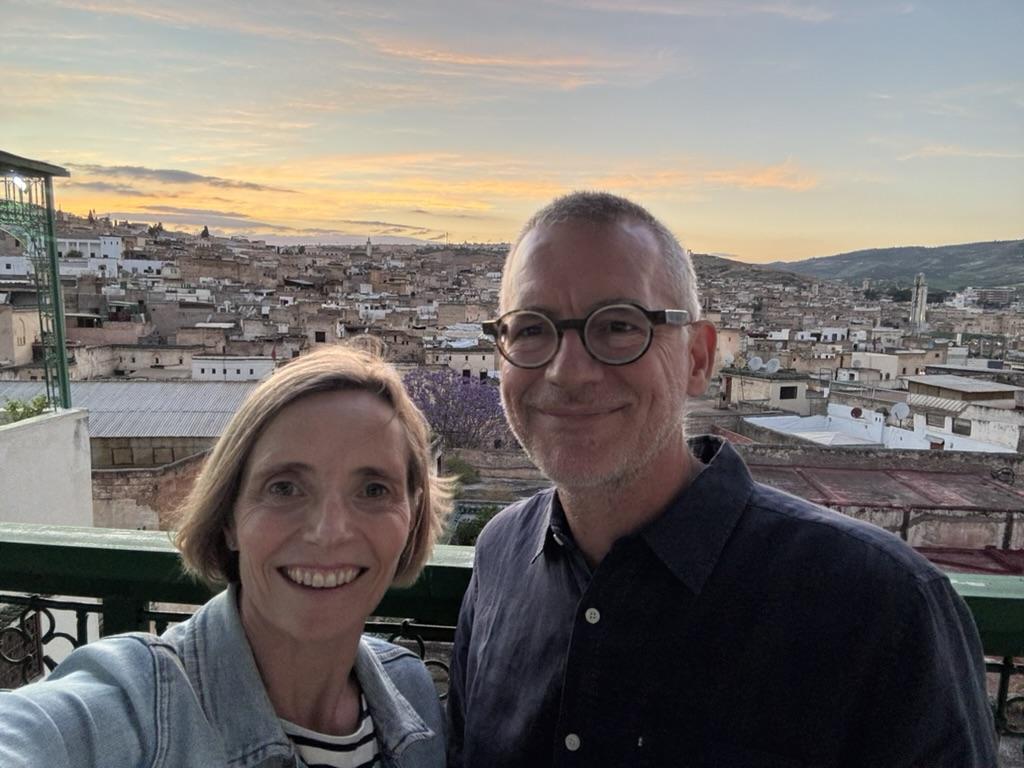
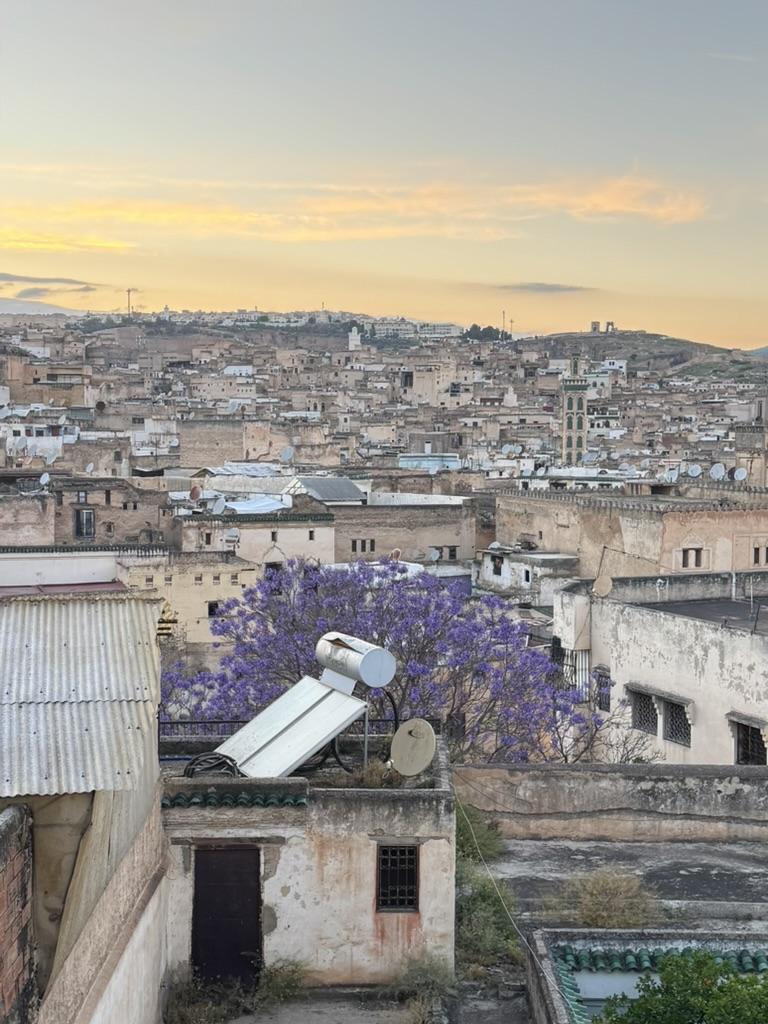
The day finished with sunset on a terrace above the Fes Medina that we’ll visit tomorrow. Of all the things I expected to spot in Fes, a jacaranda was not one of them!
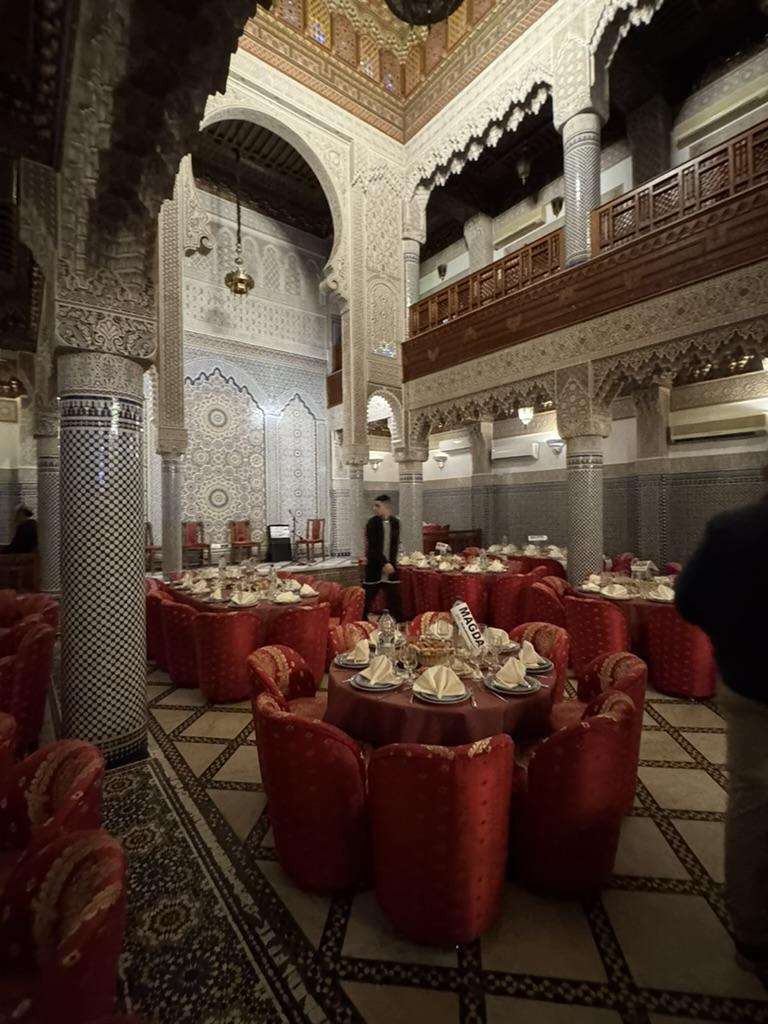
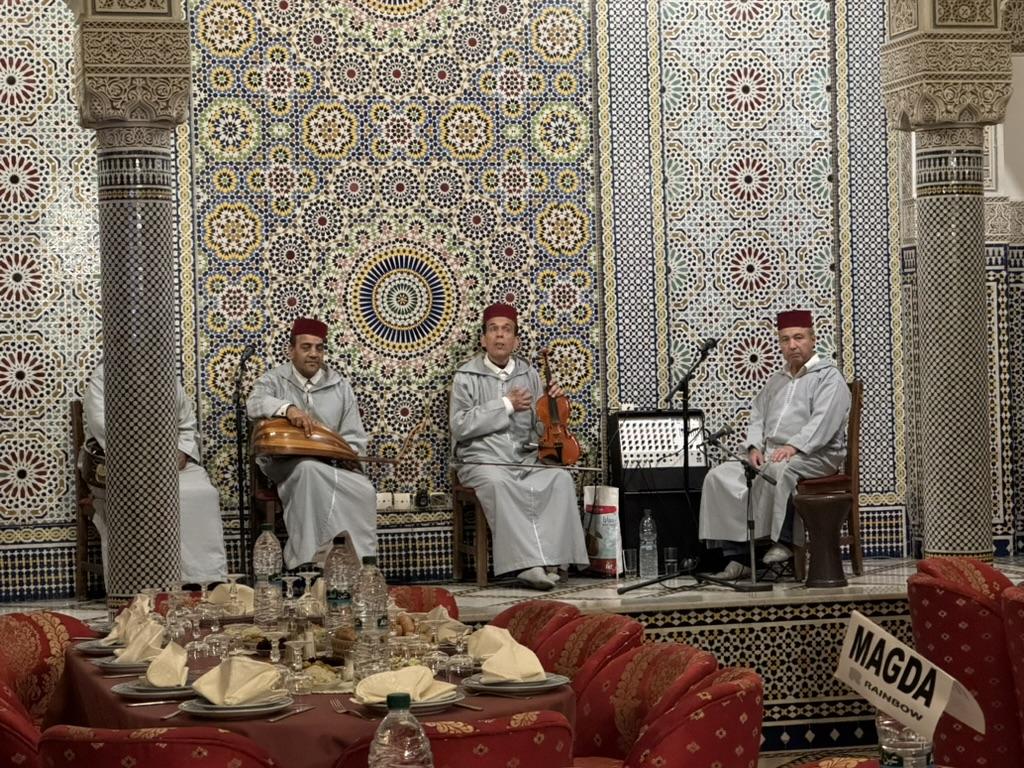
Dinner came with a side of Moroccan entertainment – musicians, belly dancing, drummers and a magician, supported by some willing (and some not so keen!) tourists.
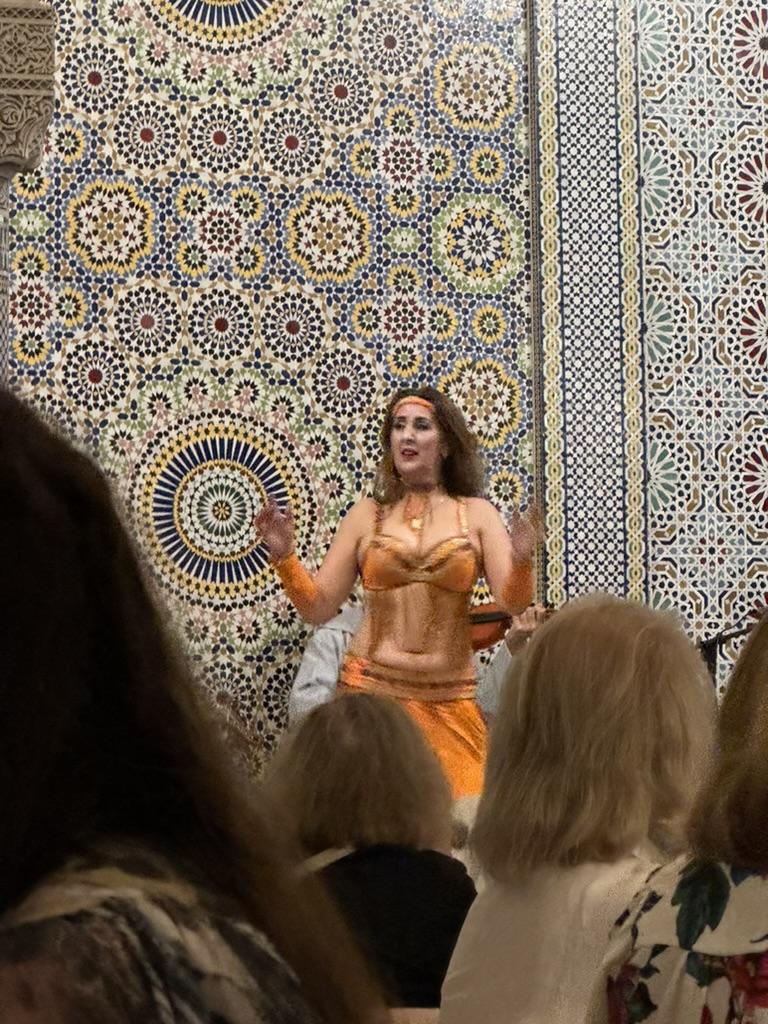
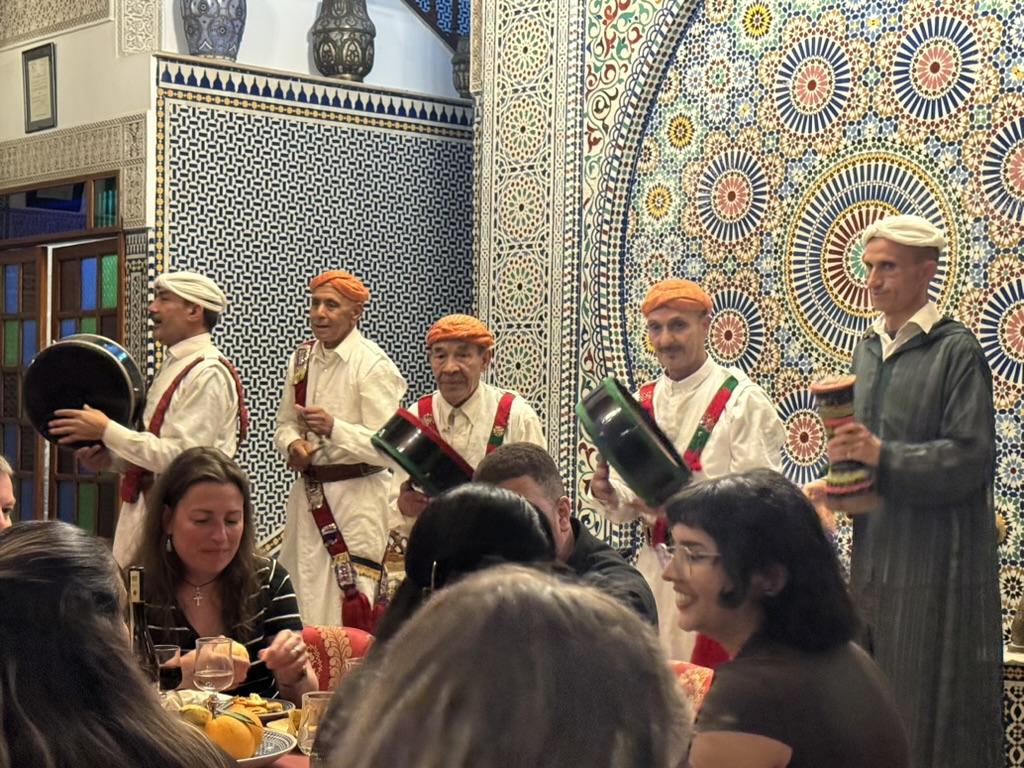
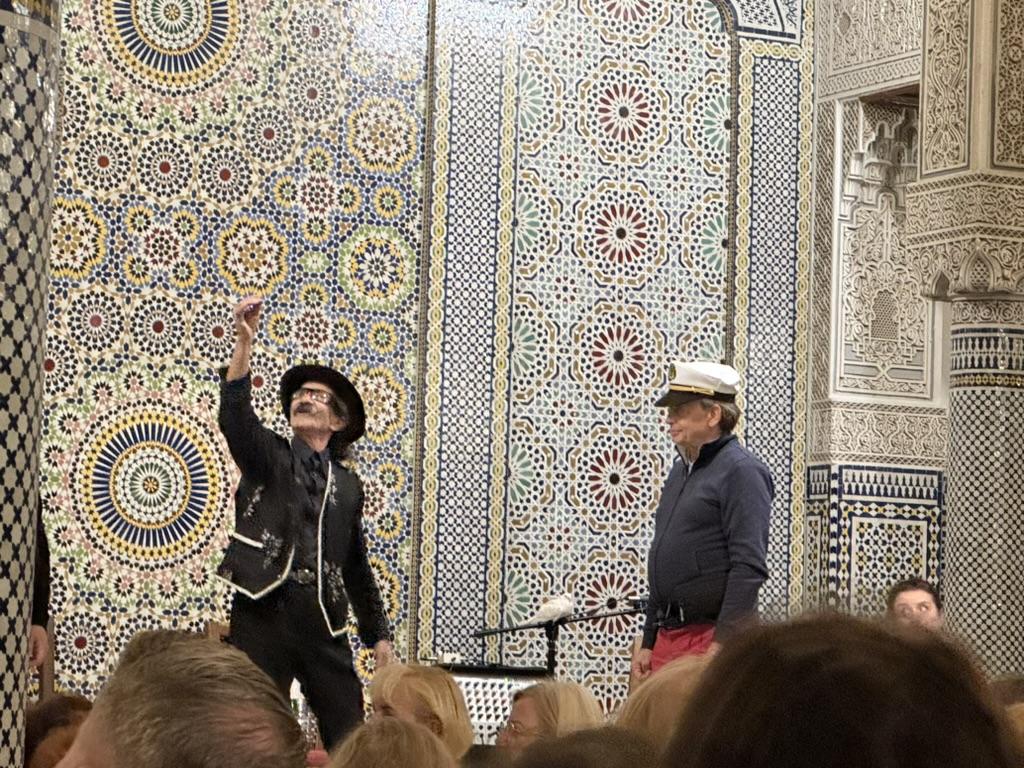
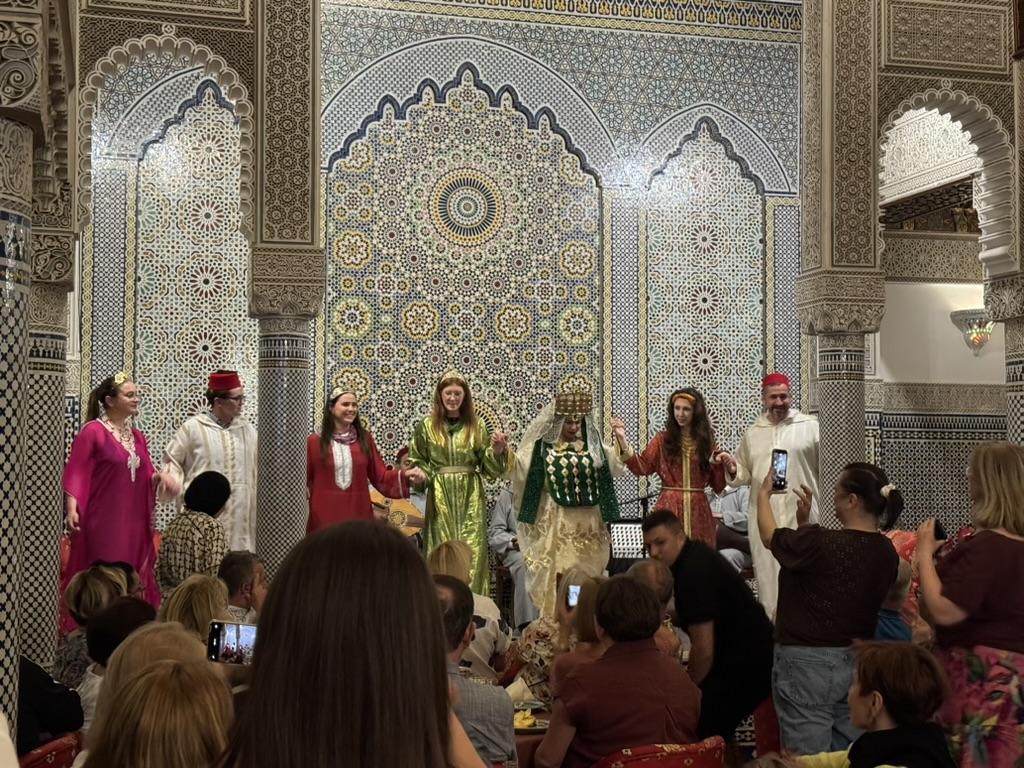
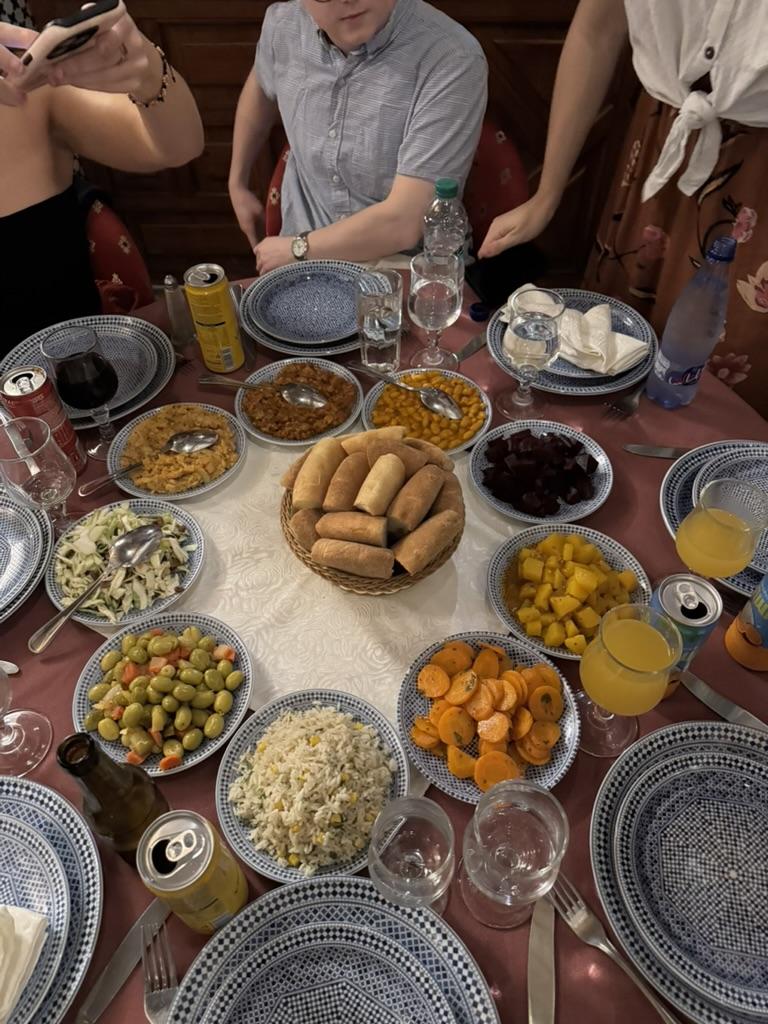
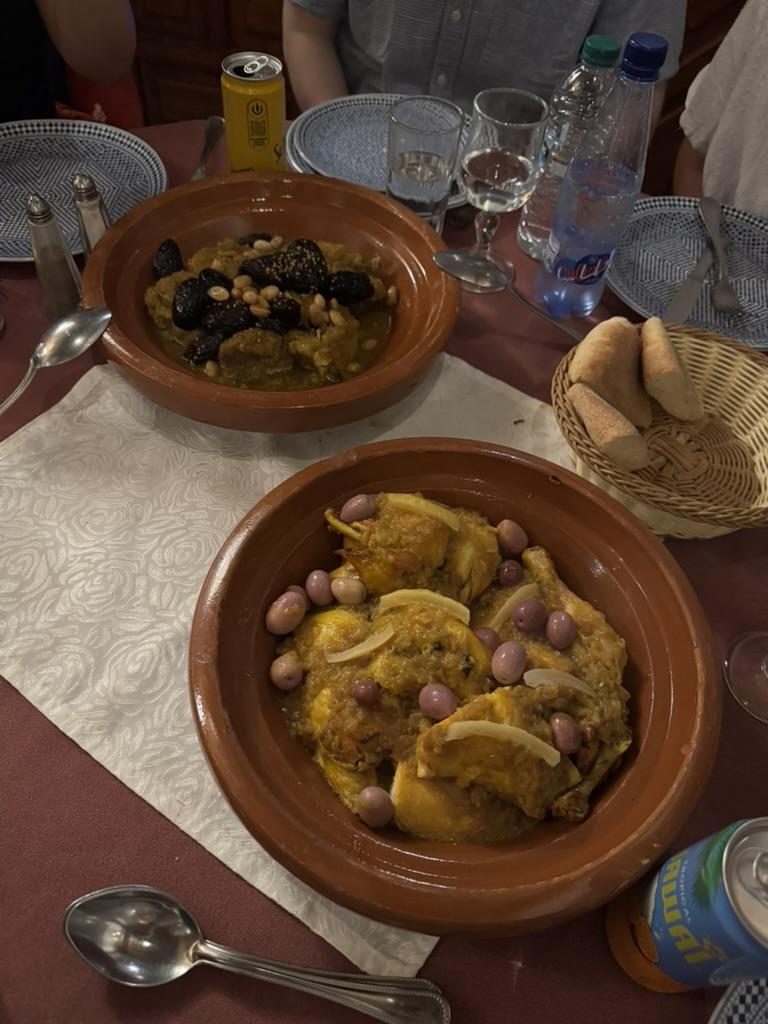
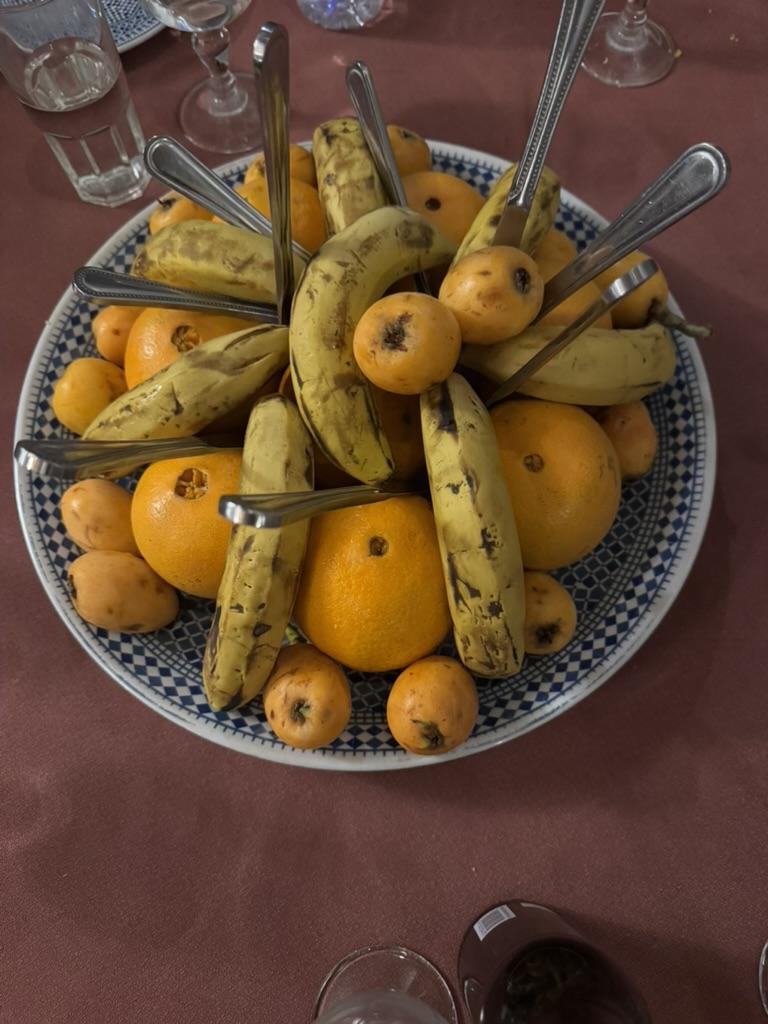
The ‘salads with bread and tagine have become a staple very quickly. Fresh oranges, bananas and loquats add a good dose of ‘fresh’ to the menu – love the presentation, and I’m slowly working out how to wrangle an orange with a butter knife 🙂
Our hotel in Fes is in the modern part of the city, with a building site next door. The average Queensland health and safety inspector would be having conniptions!!!
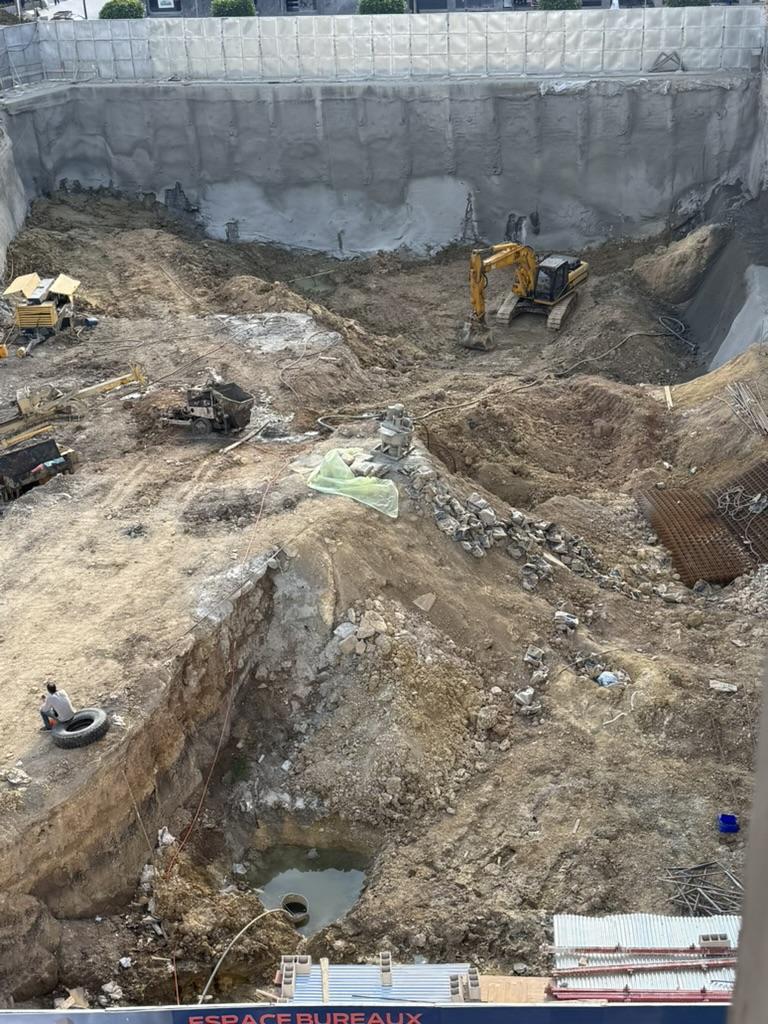
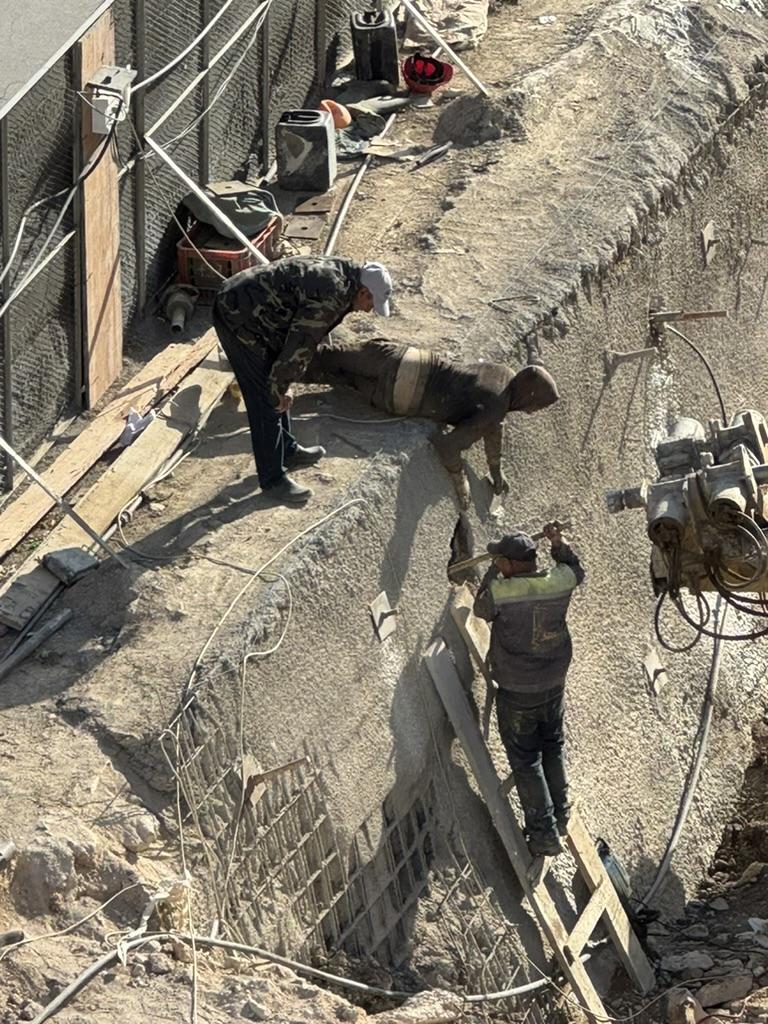
Now is not the time to think about the construction of the building we’re in… and this is why we love to travel 🥰
Love M & A x
Comments are closed