Fes… short name, a massive amount packed in a day! Fes is a city with three major parts – the modern town, the ‘New Fes’ around the 13th century King’s palace, and the Medina. Today we spent time in all three.
First stop, the King’s Palace… well the front doors at least! Established in the 13th century, and enlarged many times in the 17th to 20th centuries, it’s the biggest of the King’s Palaces in Morocco. It was the start of the ‘New Fes’ and served as the centre of government, heavily fortified and separated from the rest of the town at the time.
The King of Morocco has many palaces and still uses this palace regularly, so it isn’t open to the public. Morocco is a constitutional monarchy and the current King (Mohammed VI) is part of the 7th dynasty. There is no Queen – his wife, daughters and sisters are all princesses. Apparently the while the King is visible, his family retains privacy so the locals wouldn’t know whether any of the family were in the town.
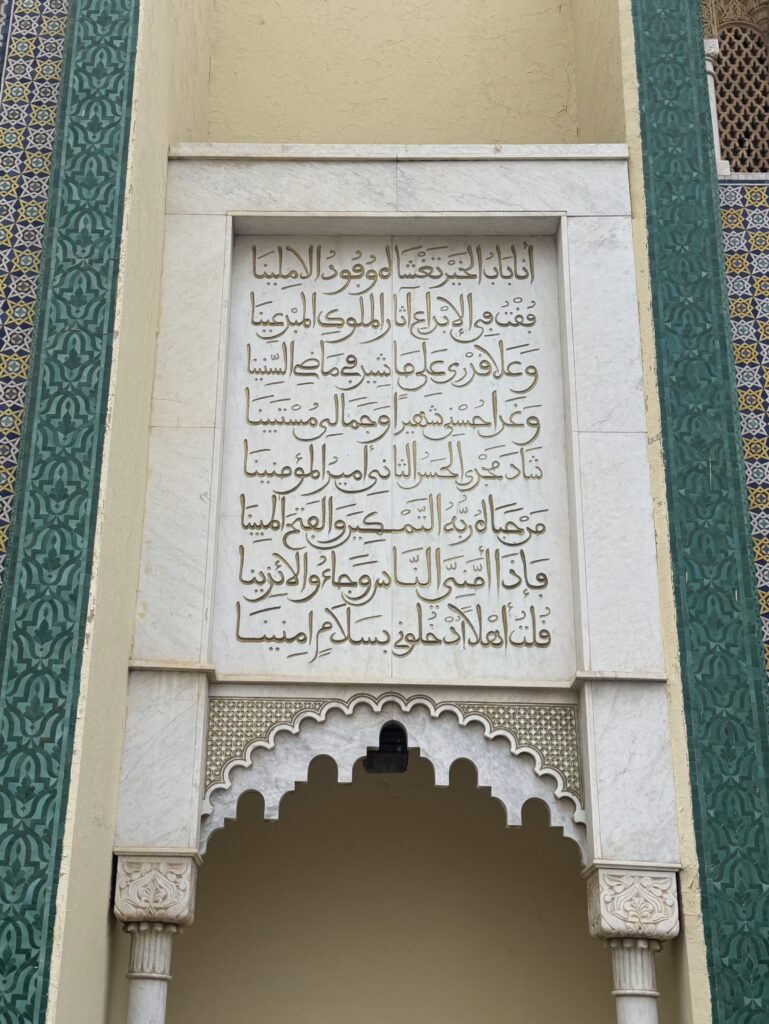
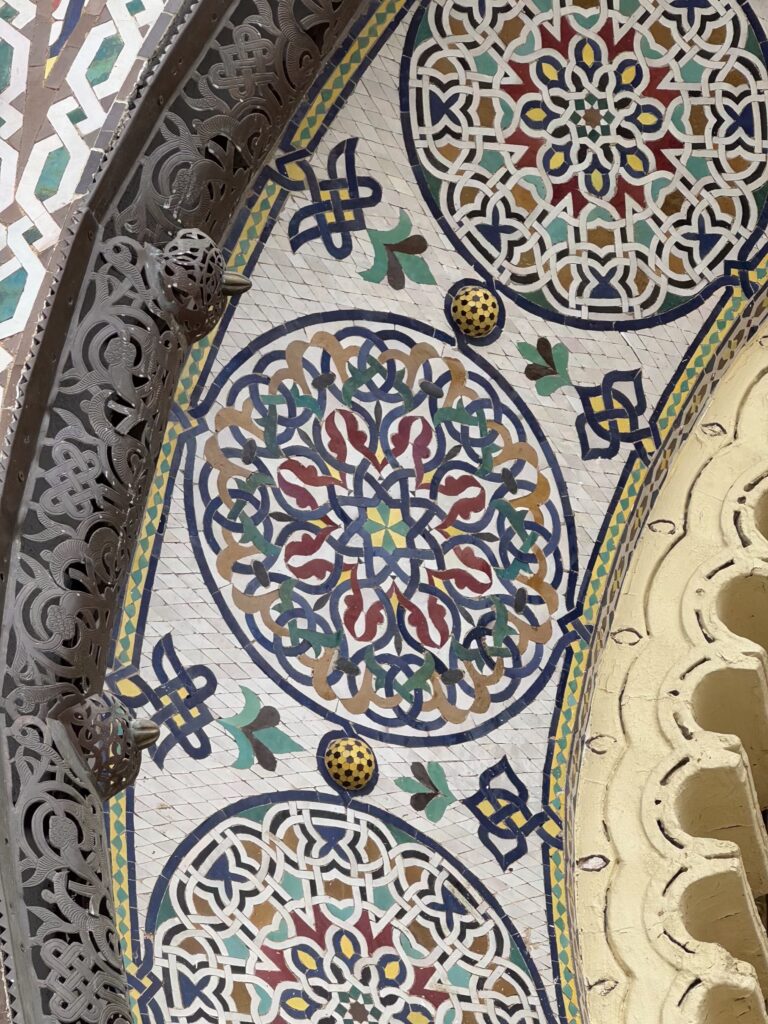
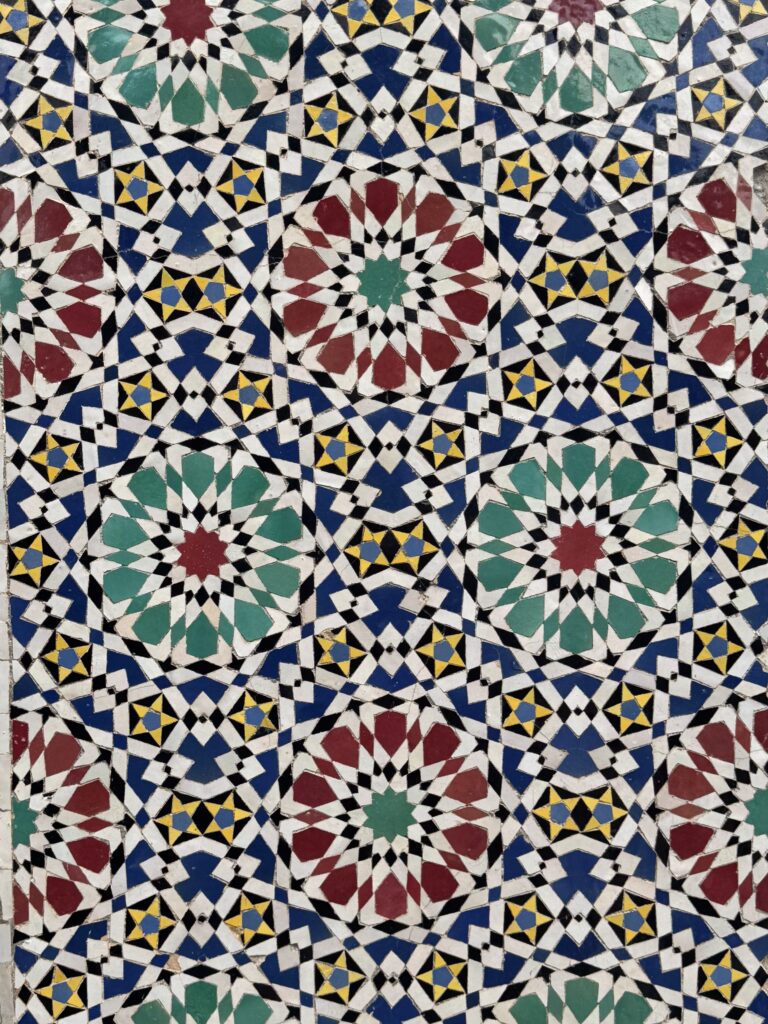
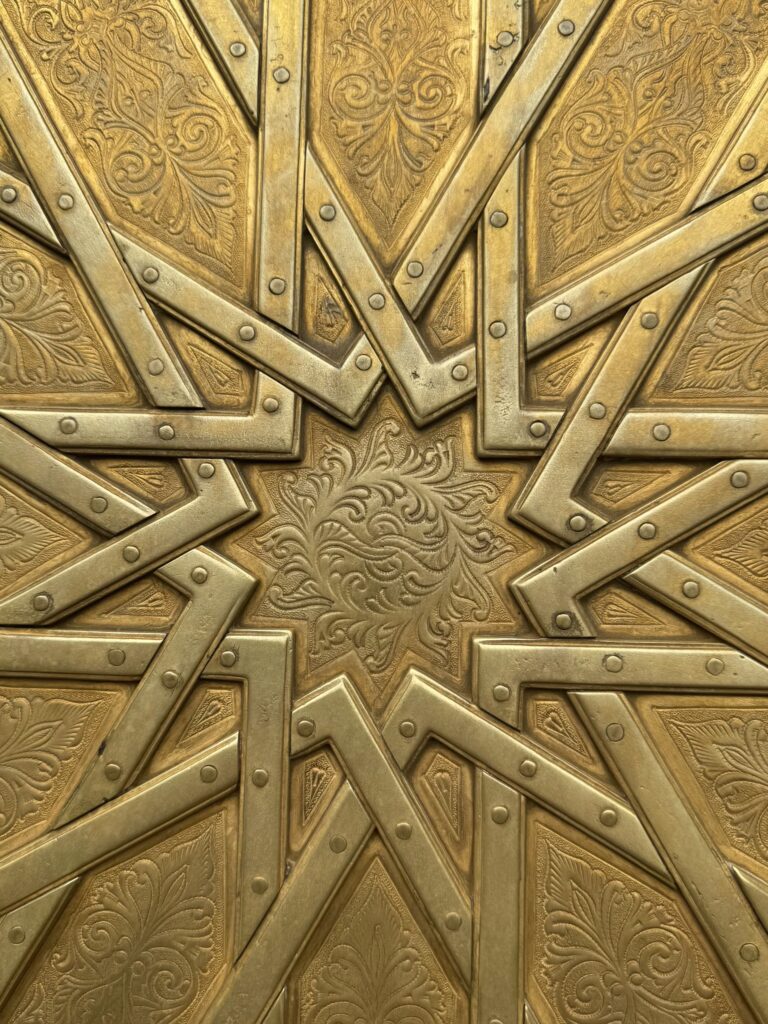
The 7 gates at Alawi square built in 1969-71 attract locals and tourists for their striking intricate artistry.
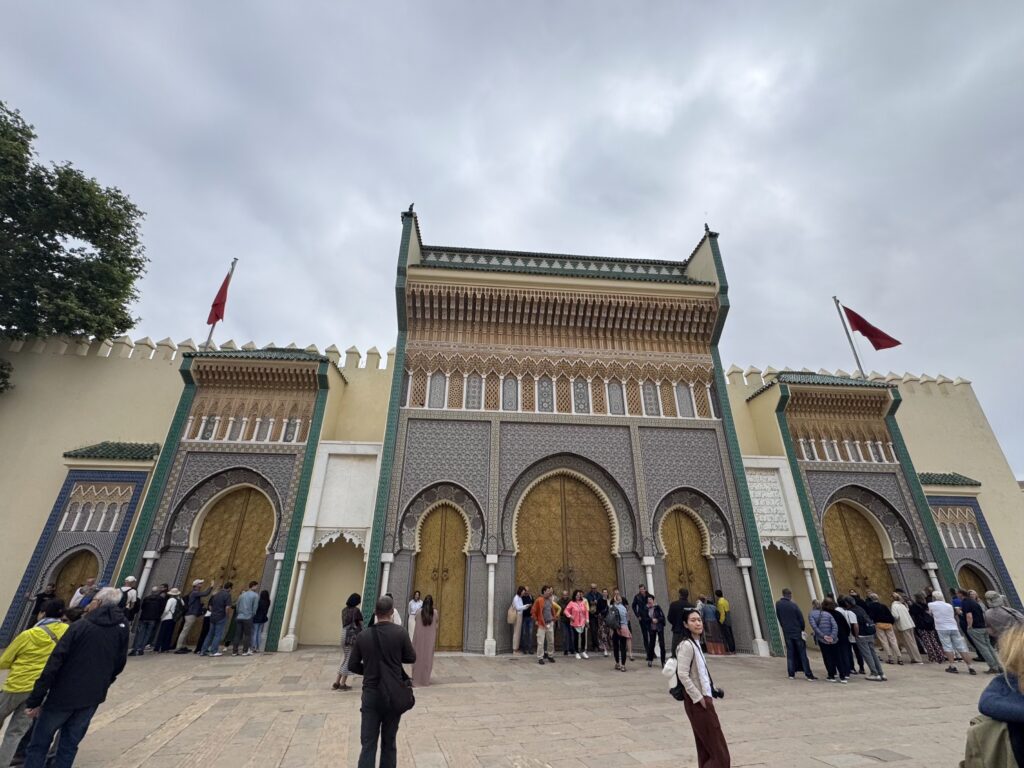
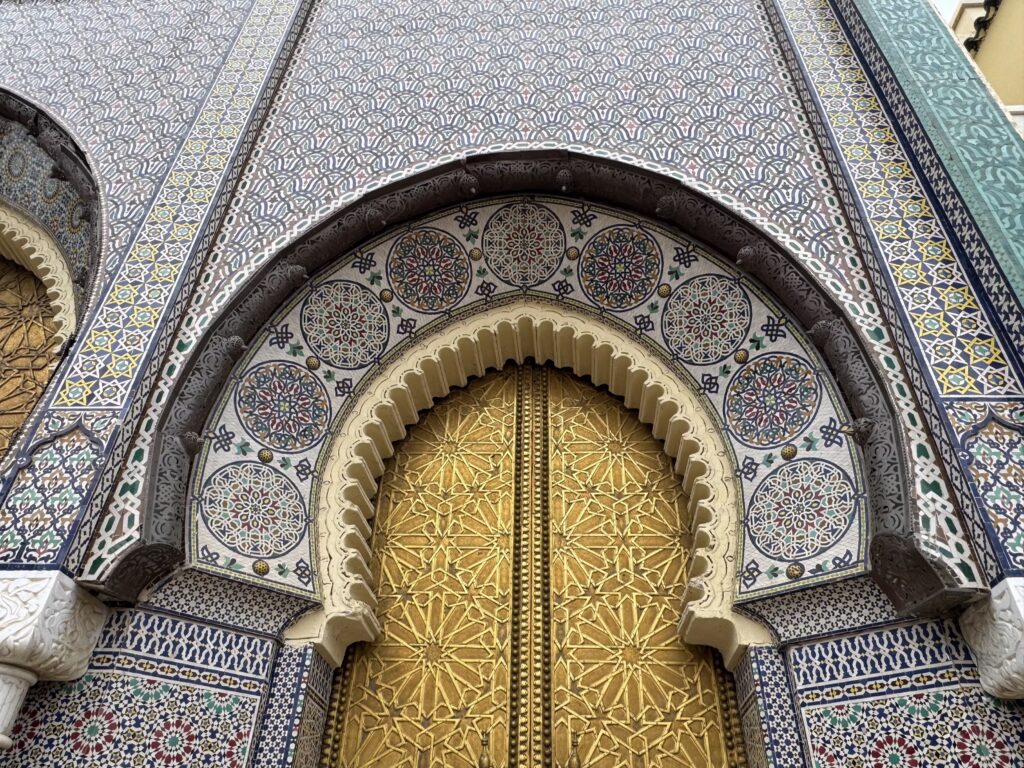
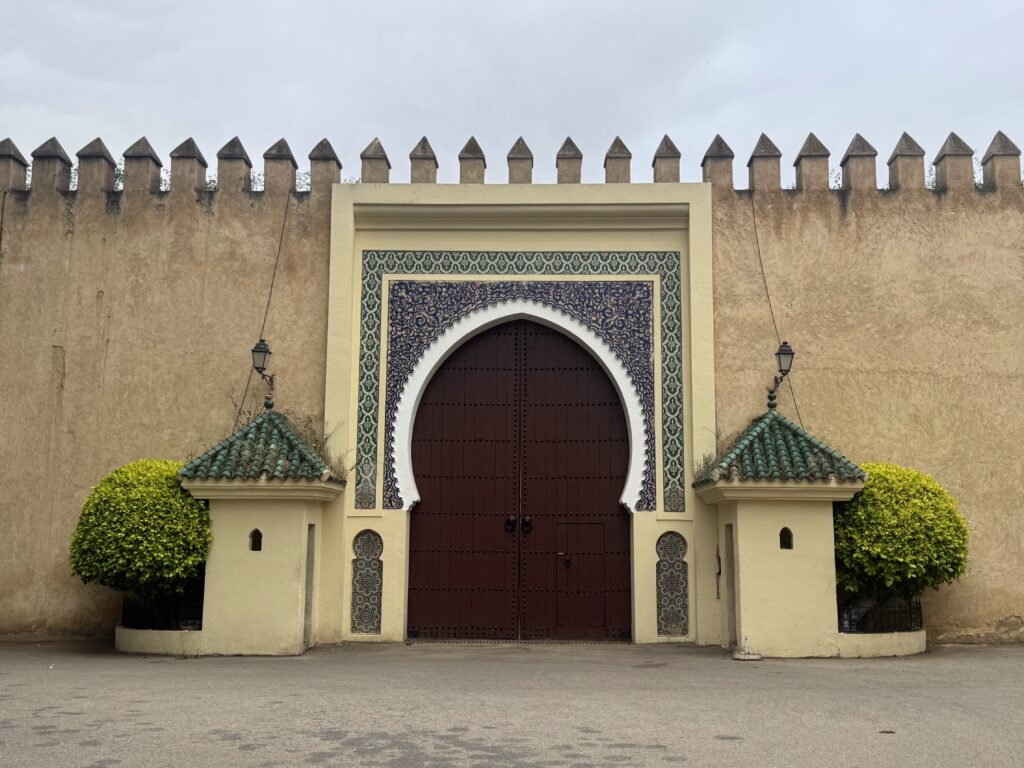
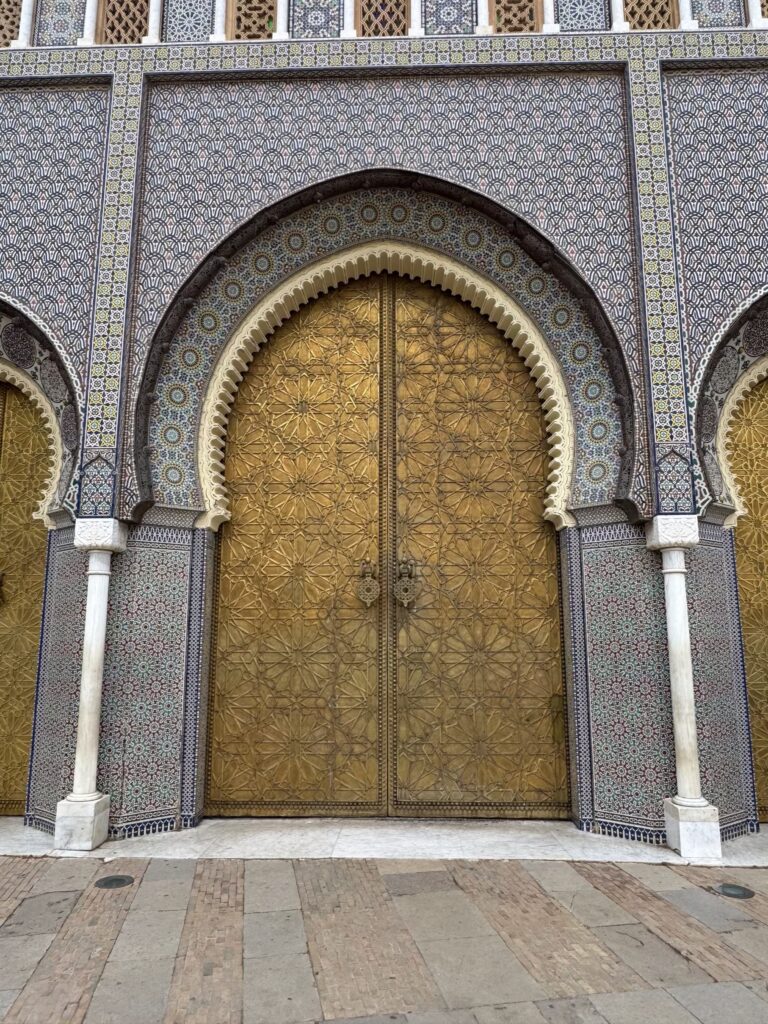
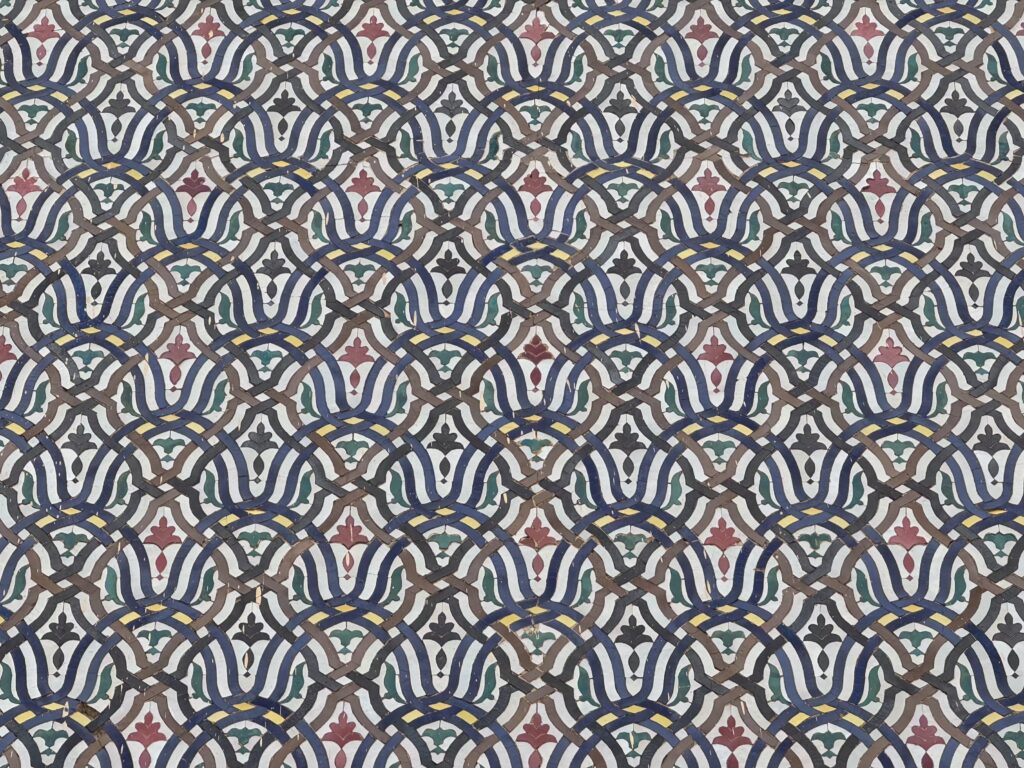
Once again, it’s the detail that stands out. The doors are bronze and regularly cleaned with lemon to keep them clean, white the mosaics and poem carved into marble represent hours of labour for local artisans.
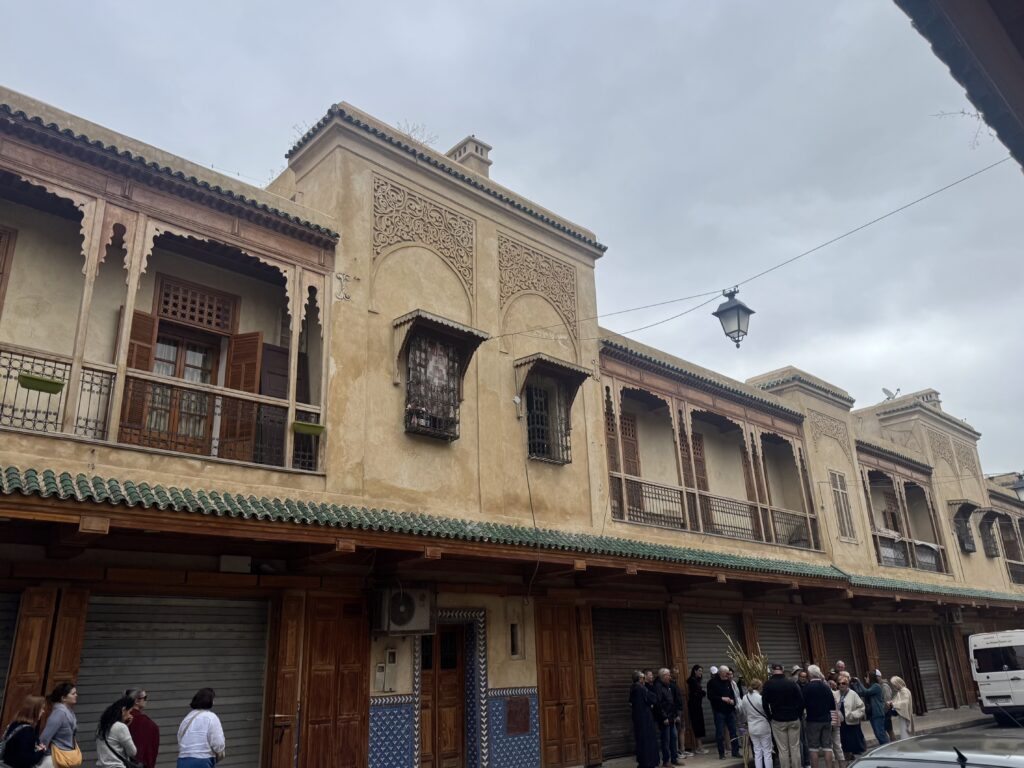
Alongside the Palace is the Jewish Quarter, established and active from the 14th century until the 20th century when the remaining Jews moved to the modern town for buisines. At the end of the 15th centrury the Spanish drove the majority of Jews out of Morocco, resulting in a large Moroccan population in Israel. The architecture is heavily influenced by southern Spain.
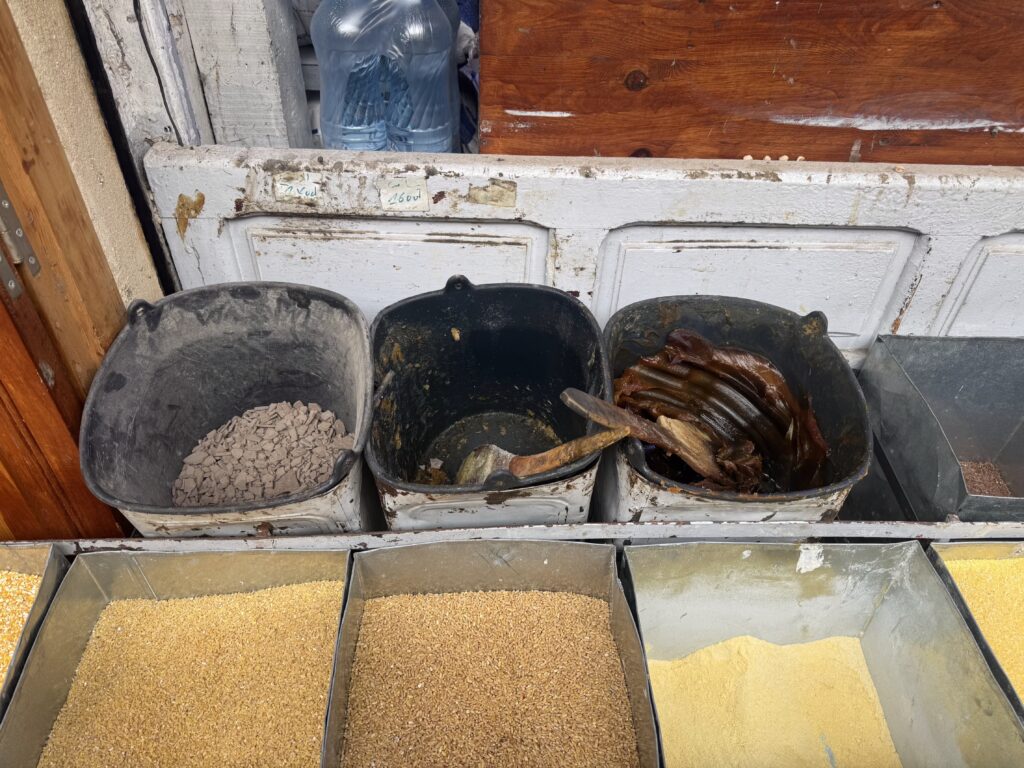
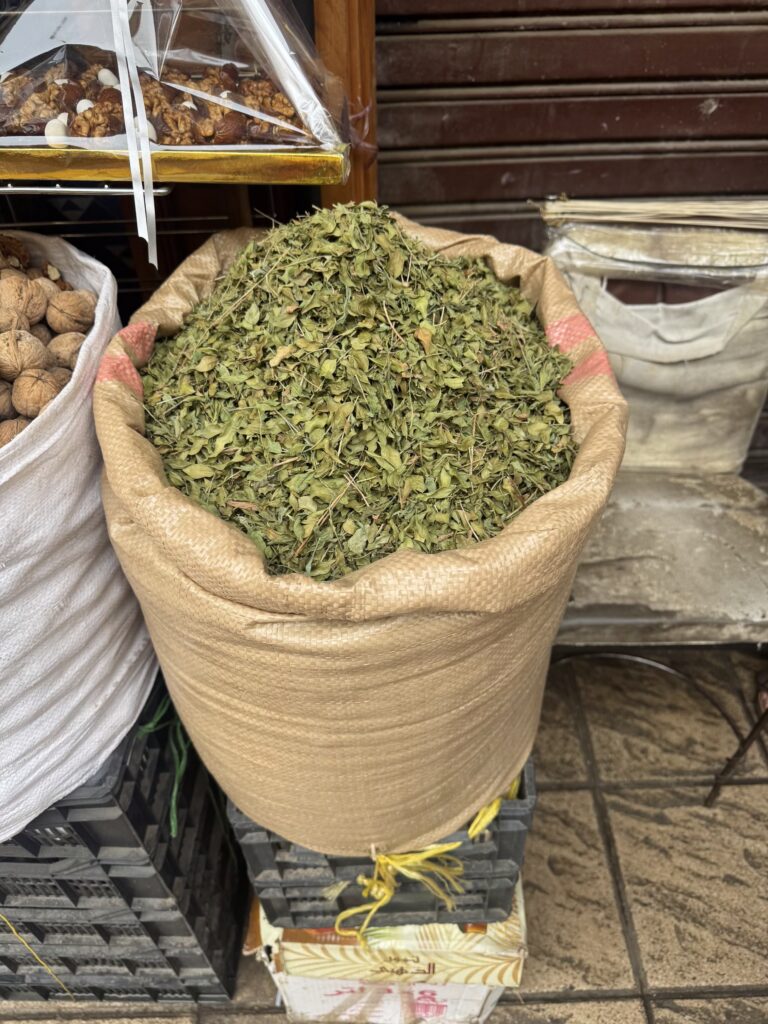
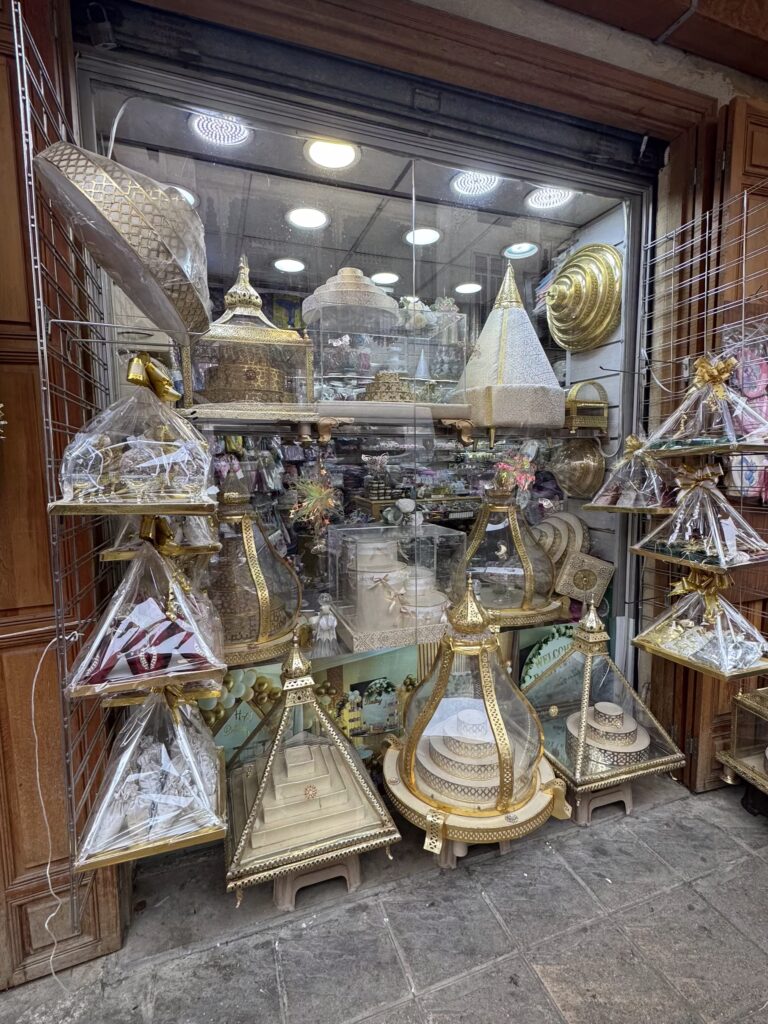
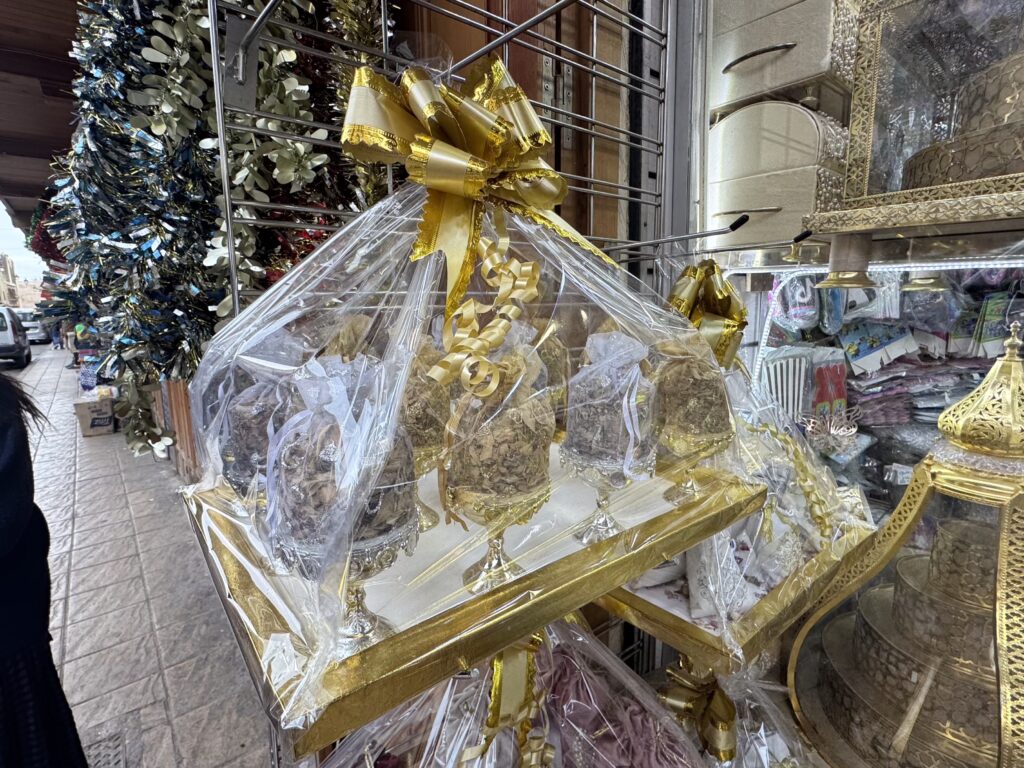
The street featured some traditional retailers and products – black soap and clay shampoo, henna (the green leaves), and a whole shop devoted to wedding favours/ bonbonierie.
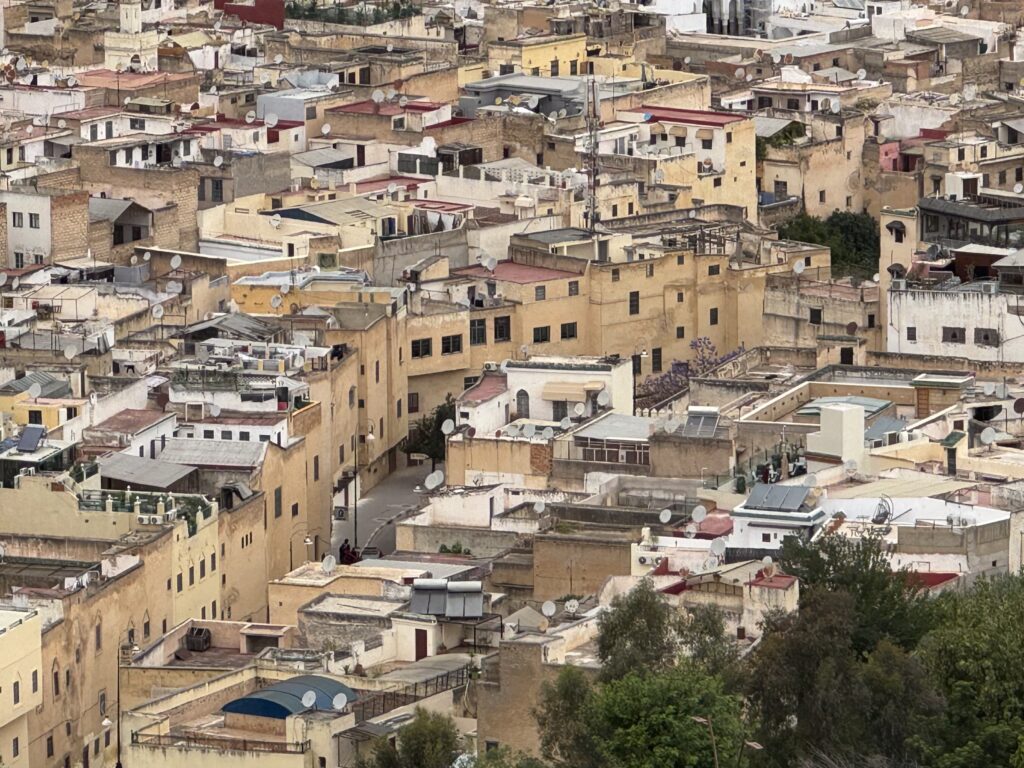
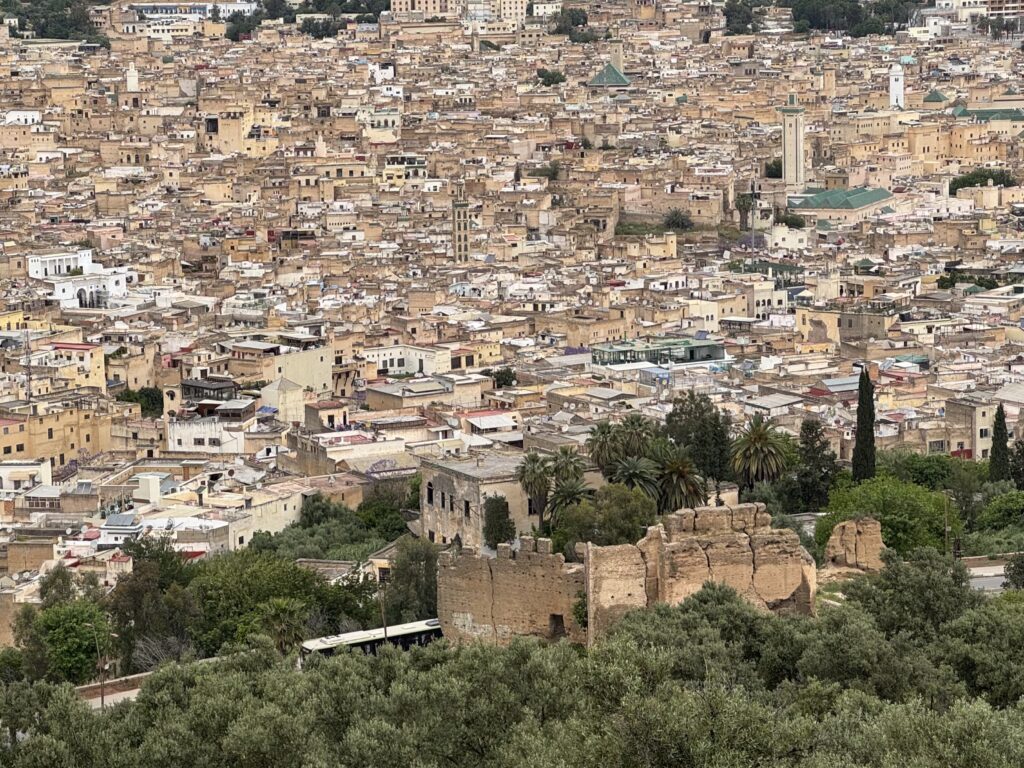
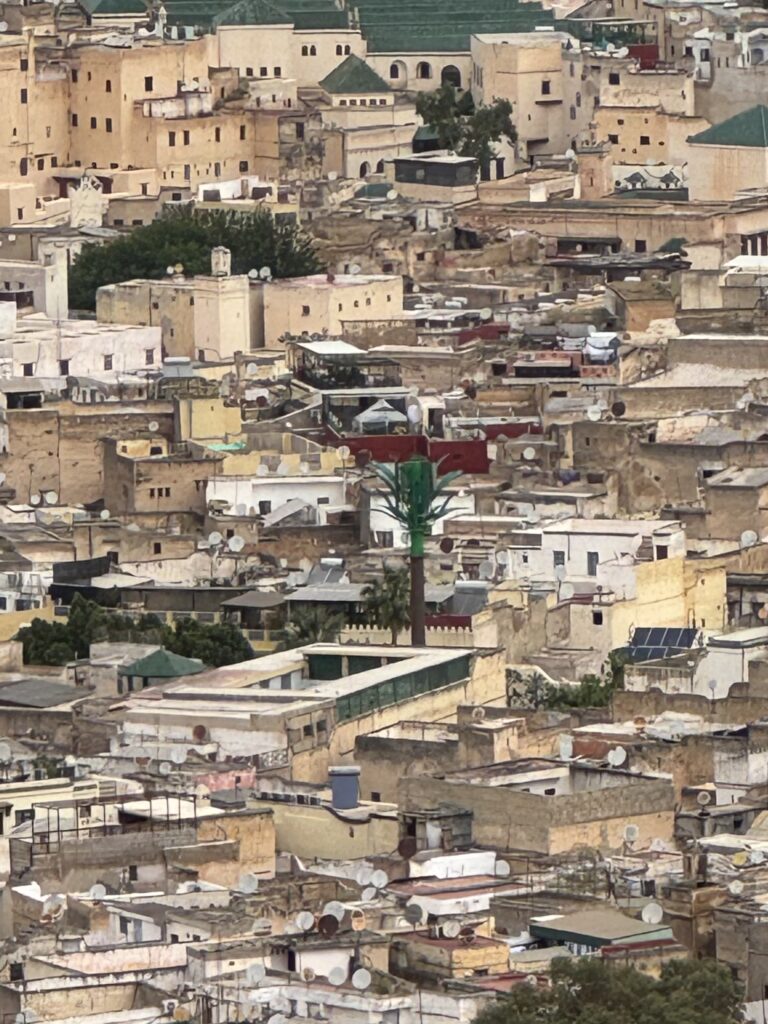
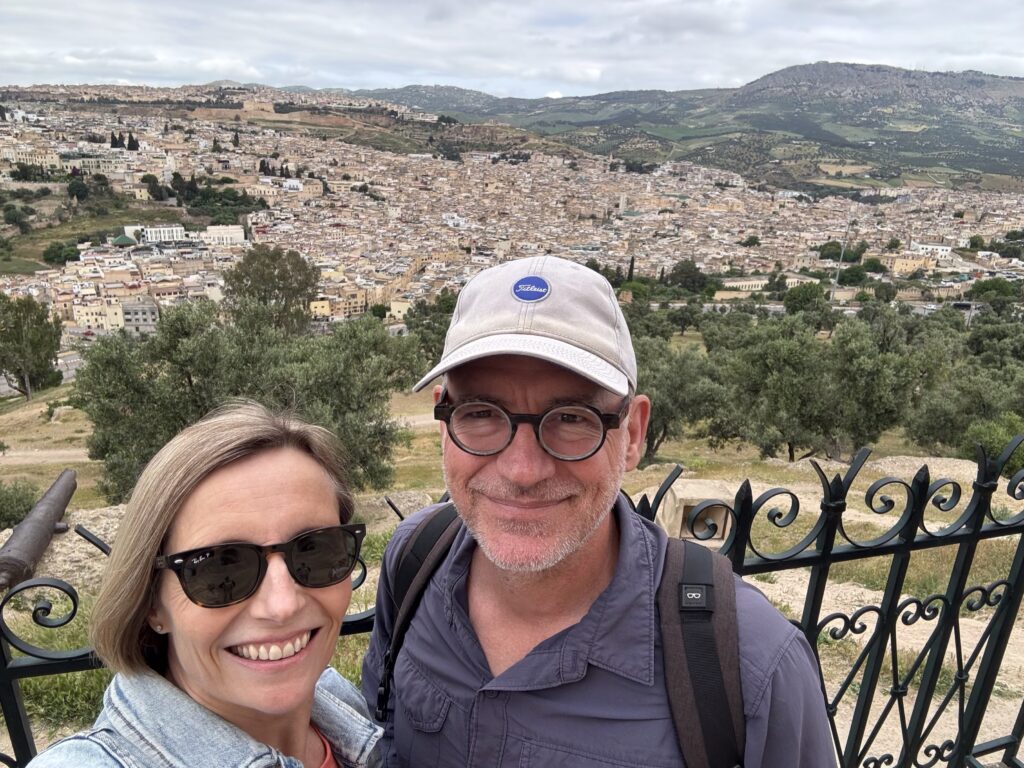
From the fort above the Fes Medina the buildings look jam packed. About 9,400 people still live in the Medina today, and it’s home to the oldest University in the world that is still active today. It was established in 859 by a woman and was originally a centre for politics and history. Today it primarily focuses on Theology.
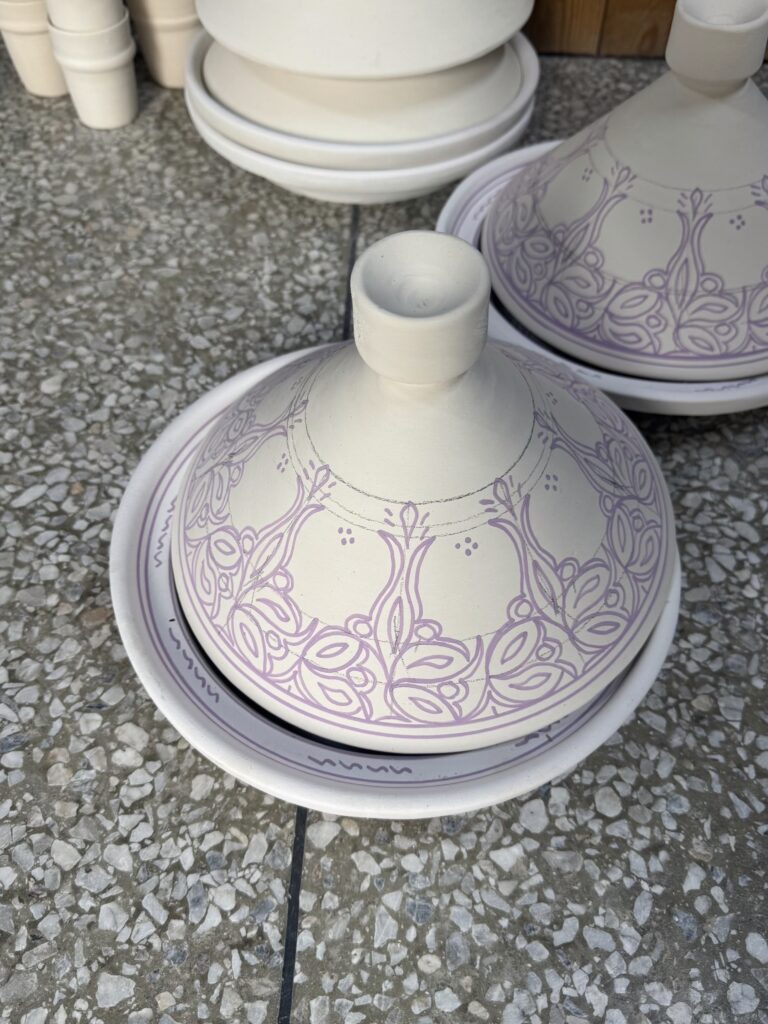
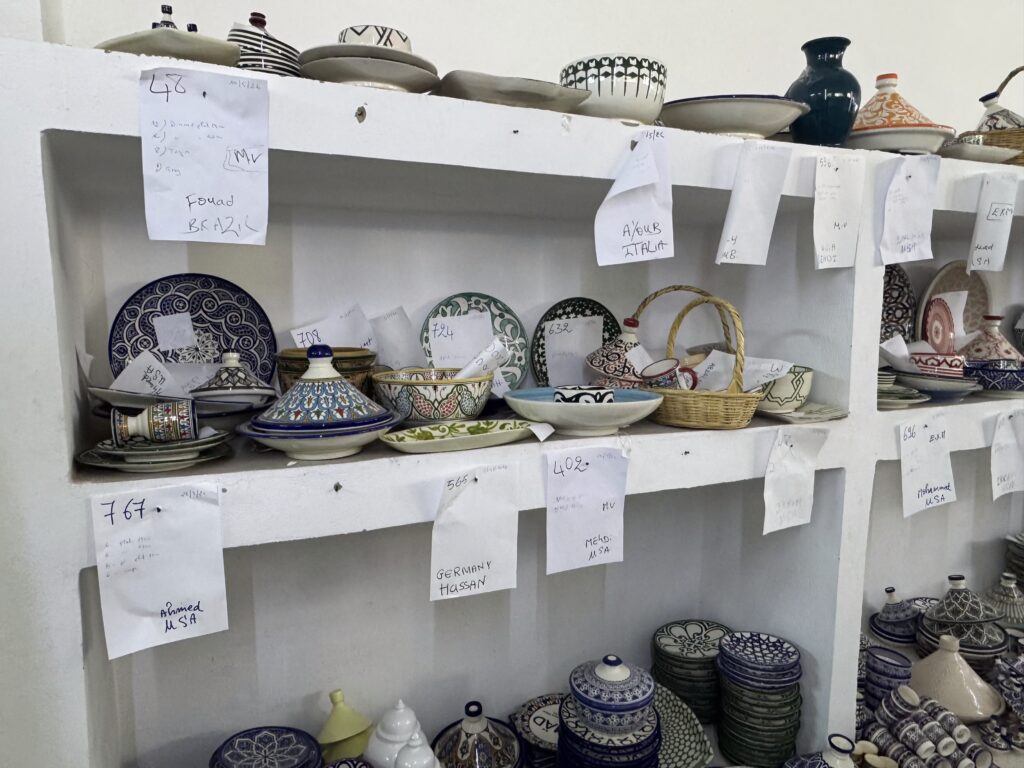
Morocco is known for a range of handcrafts, including pottery. The artistic detail that appears on buildings is also applied to homewares and other decorations, and is a skill that is still being shared and passed on today. A lot of it is very manual… the potter turns the wheel with his foot, and pots are handpainted.
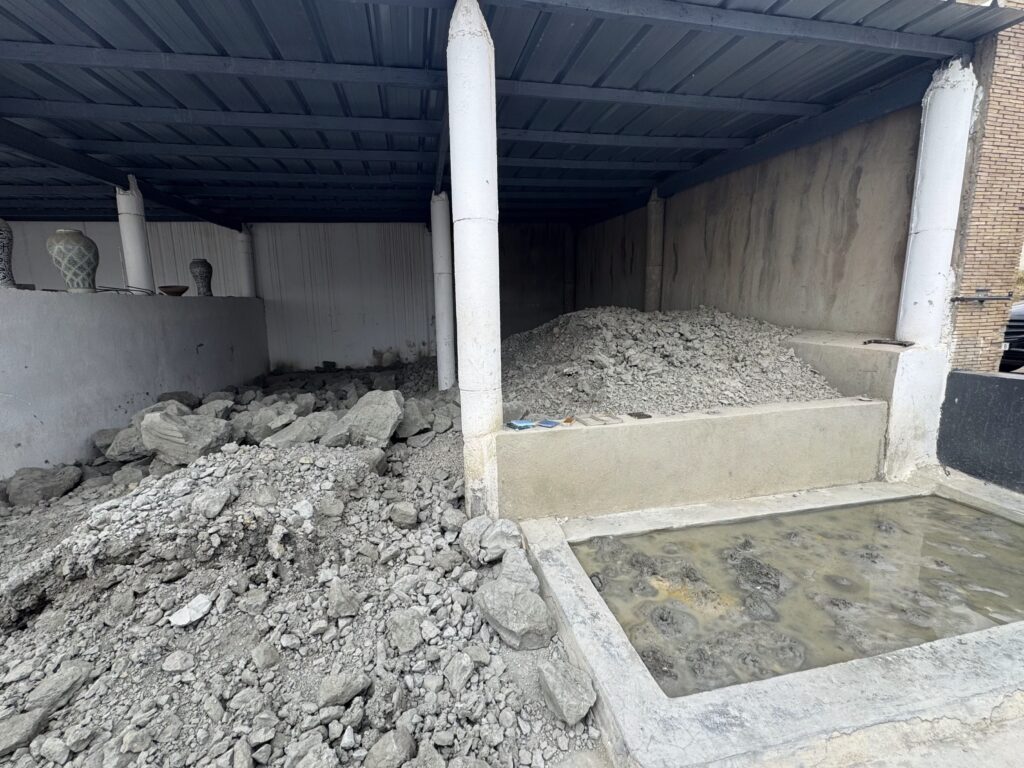
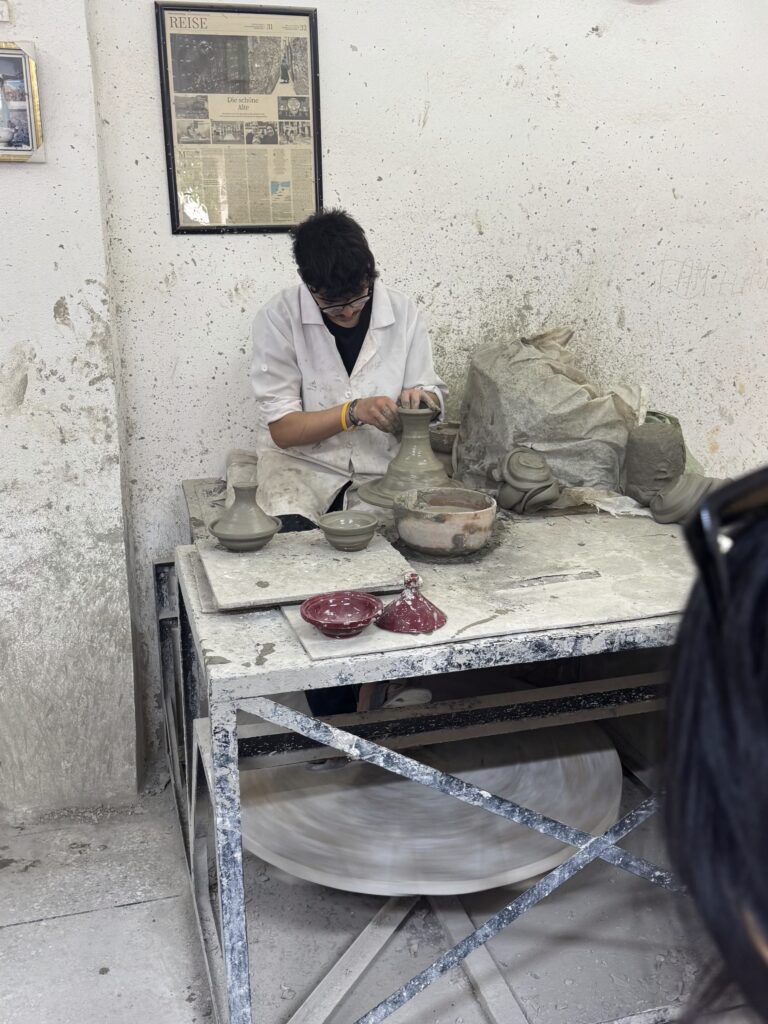
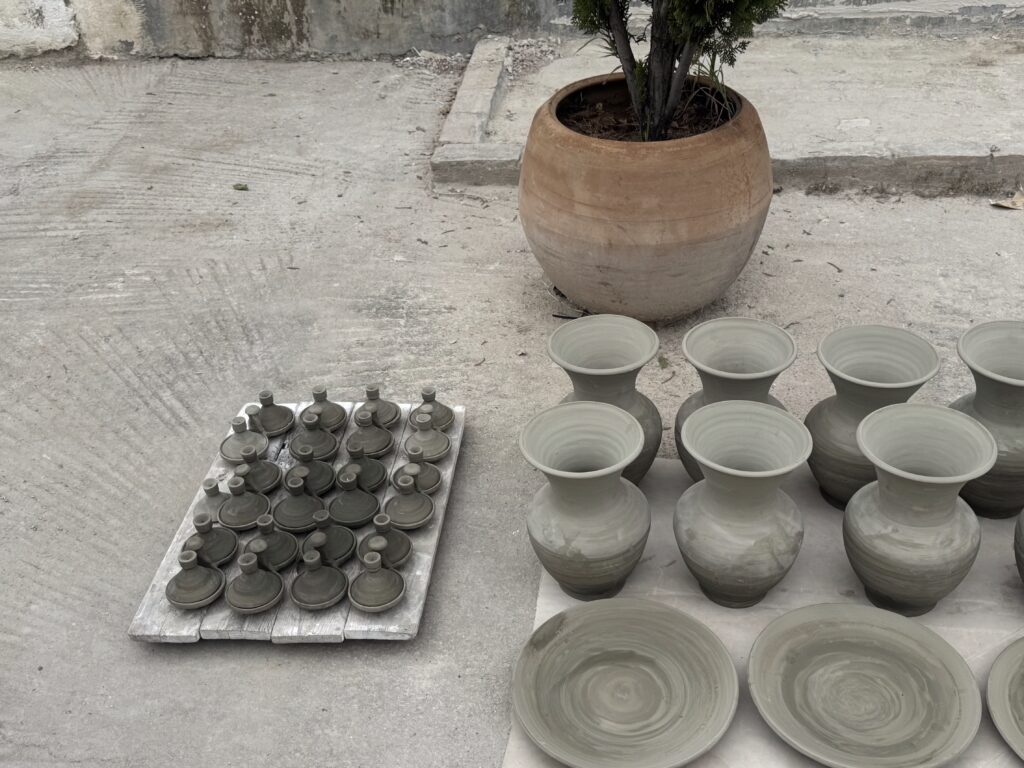
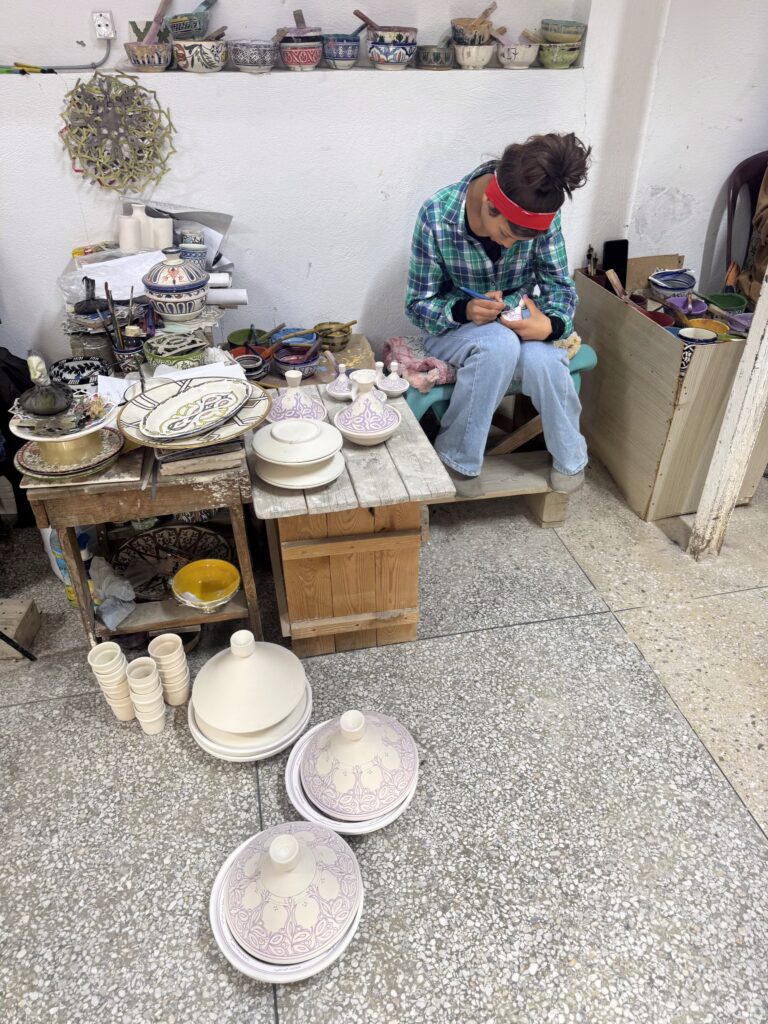
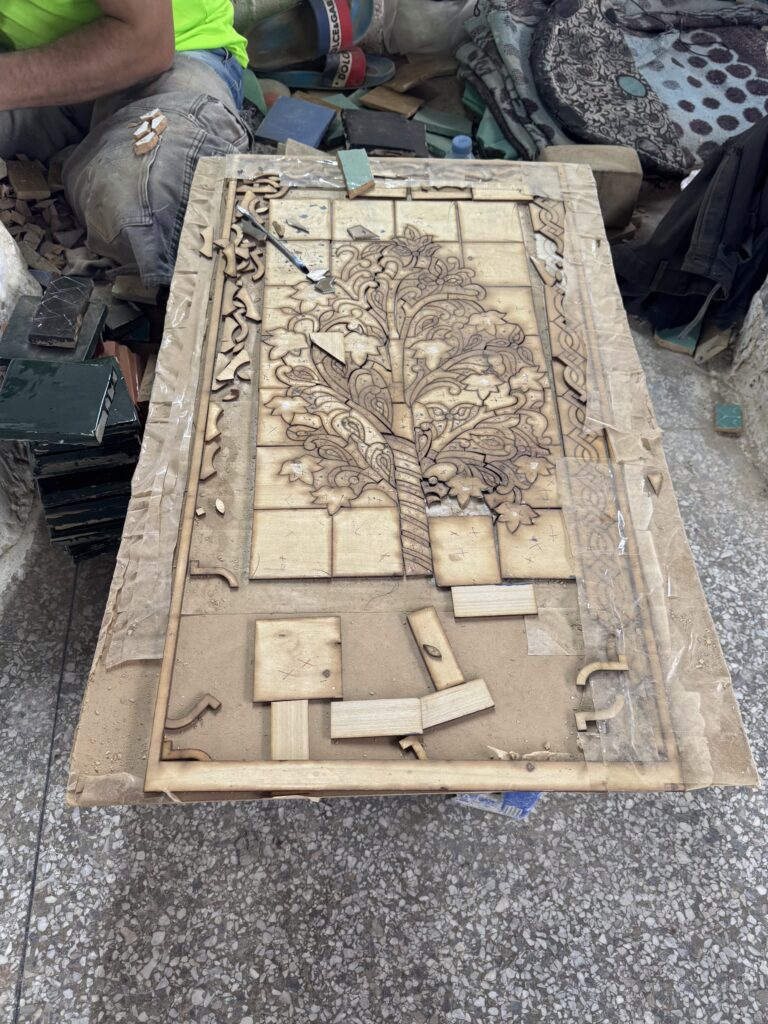
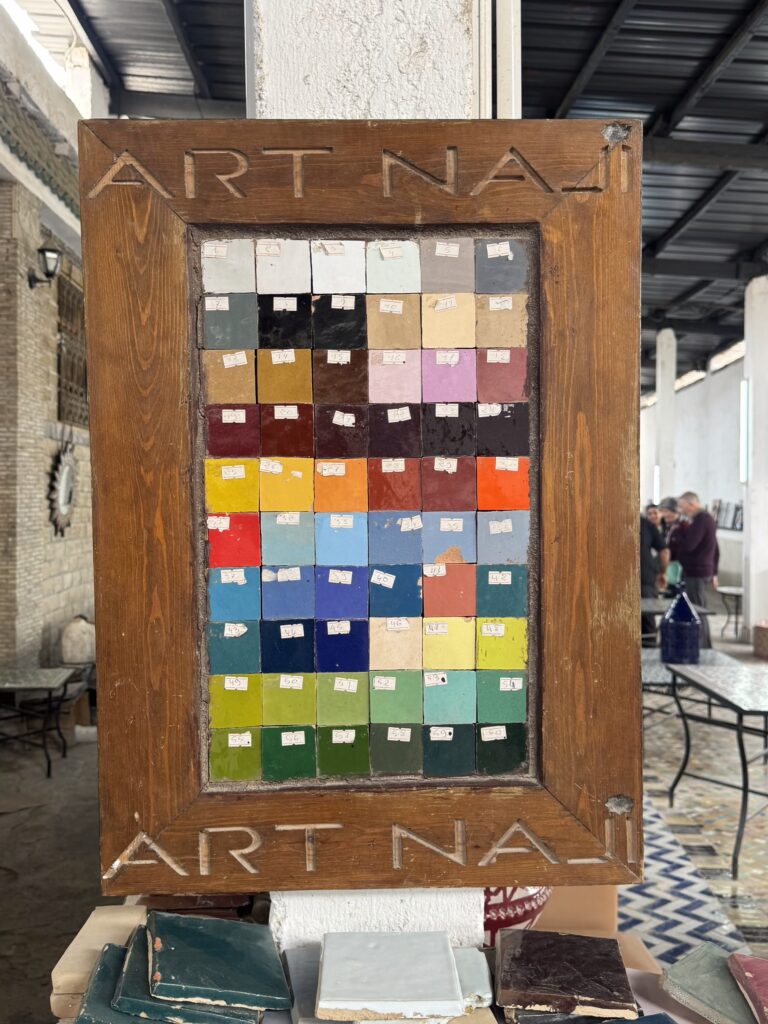
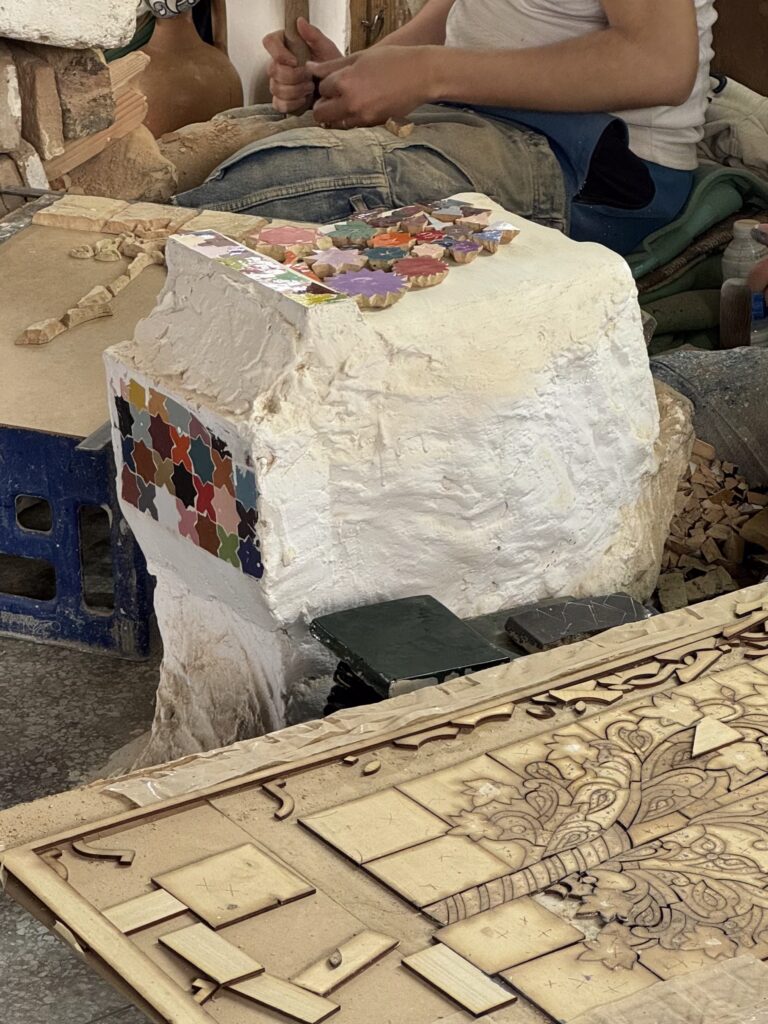
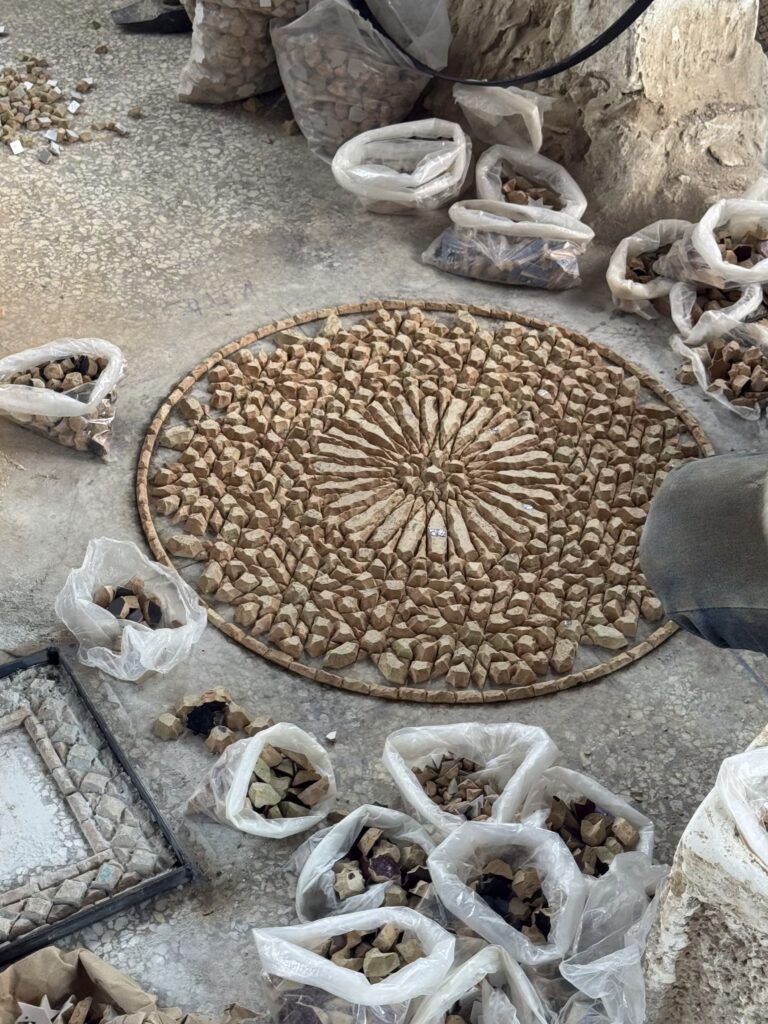
Mosaic pieces are a painstaking multi-step process. Tiles are marked by hand, chipped and chiseled, and carefully placed into patterns before being cemented into place. This is hard, detailed work for many people. As we’ve moved around the country we’ve also been introduced to the idea that each city has a colour… Fes is dark blue, Casablanca is white.
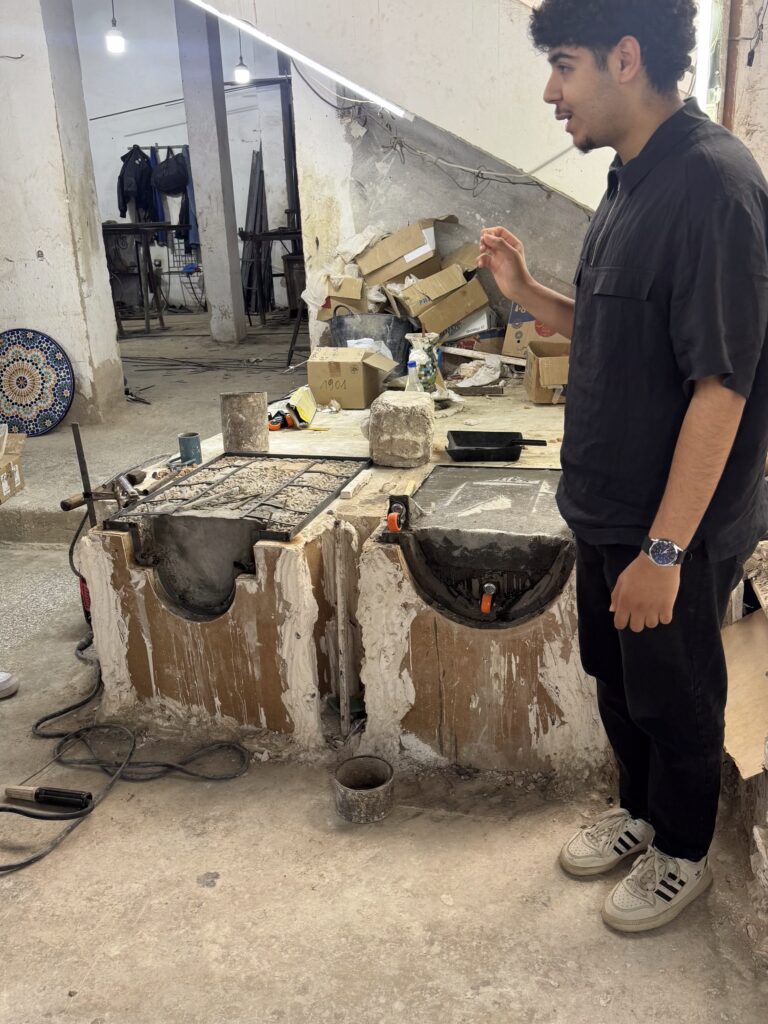
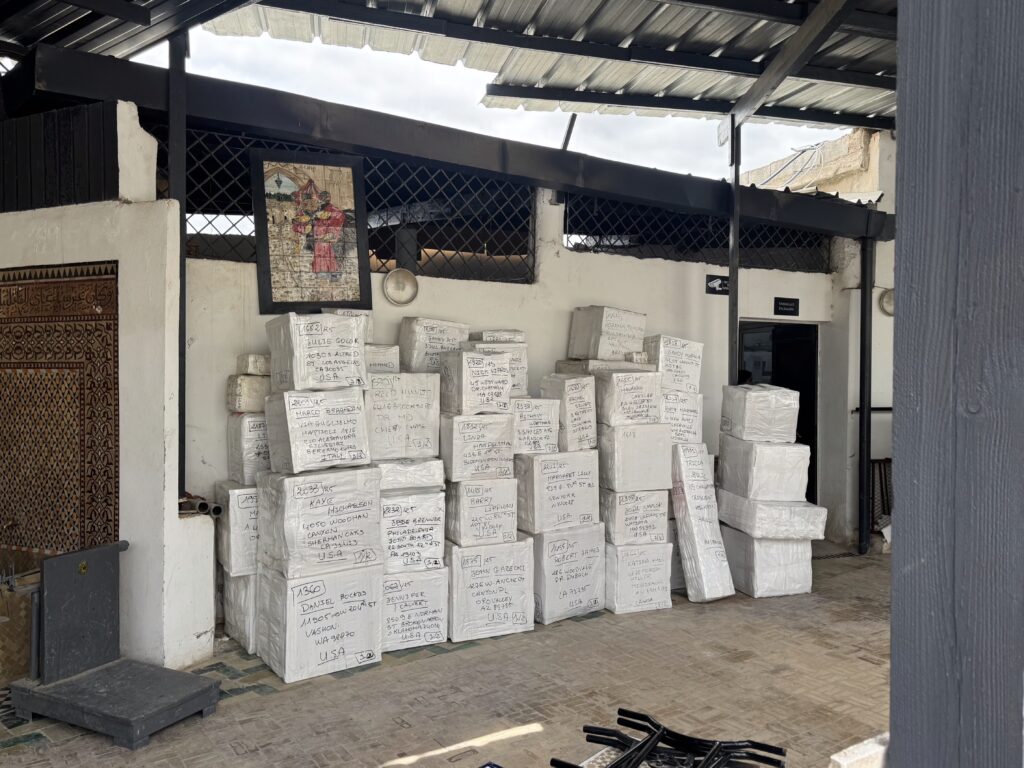
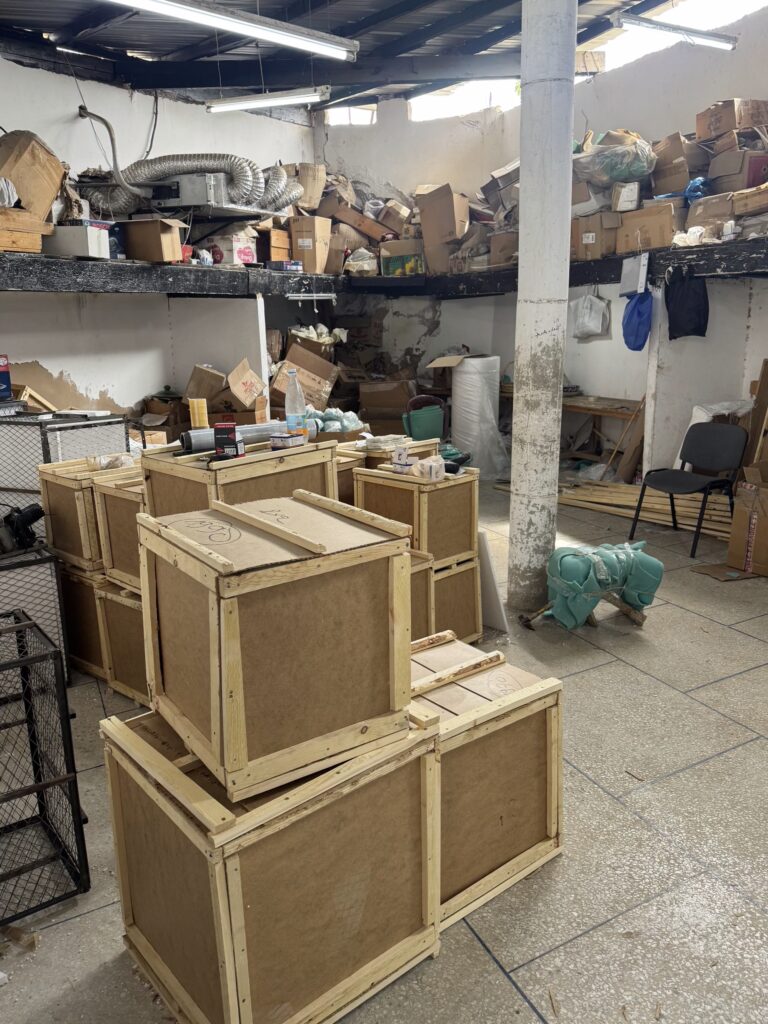
The tour was a well-curated sales process, including a tour of the wrapping, packing and distribution space at the end. Hundreds of foreign tourists are waiting 2-3 months for their selected or custom-made items to be shipped to them. We overheard the team remind each other ‘no wooden boxes to Australia’ – the flow on effects of our biosecurity regulations!
The core of our day was a visit to the 9000 streets of the Medina. Our guide for the day, Mustafa, grew up in the area so was confident he’d be able to navigate his way through the tight streets. The instructions to stay close, stand still if we disconnected from the group, and positioning of an extra guide as a tail walker made it very clear that he was less confident with our navigational ability. How hard can it be???
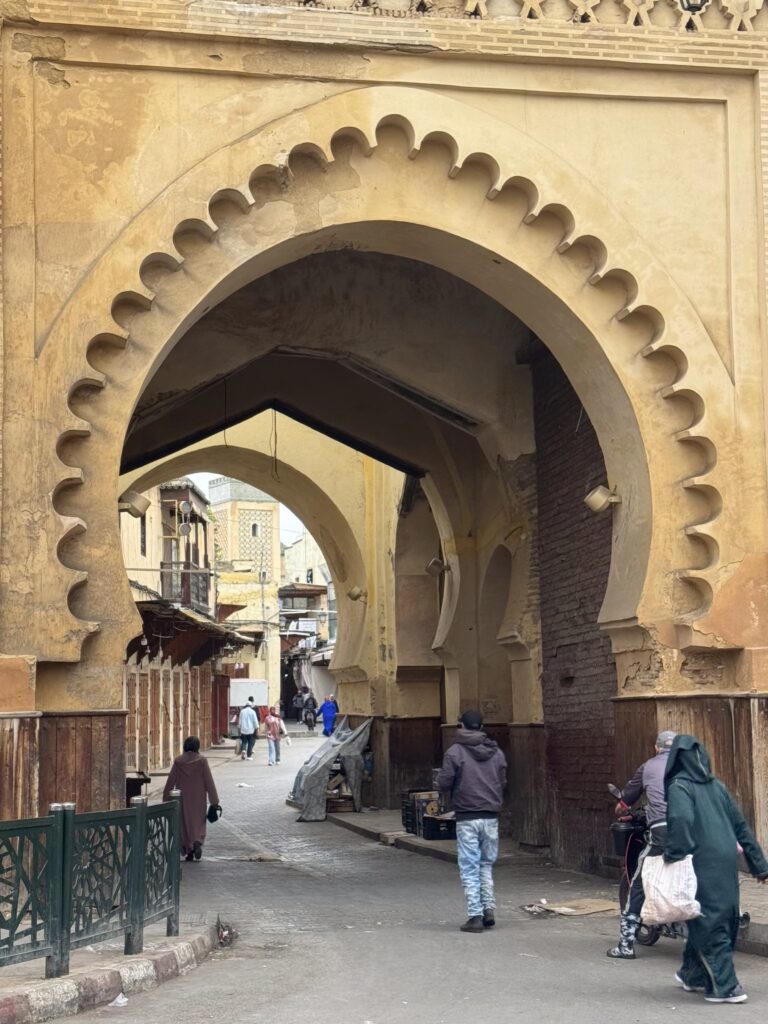
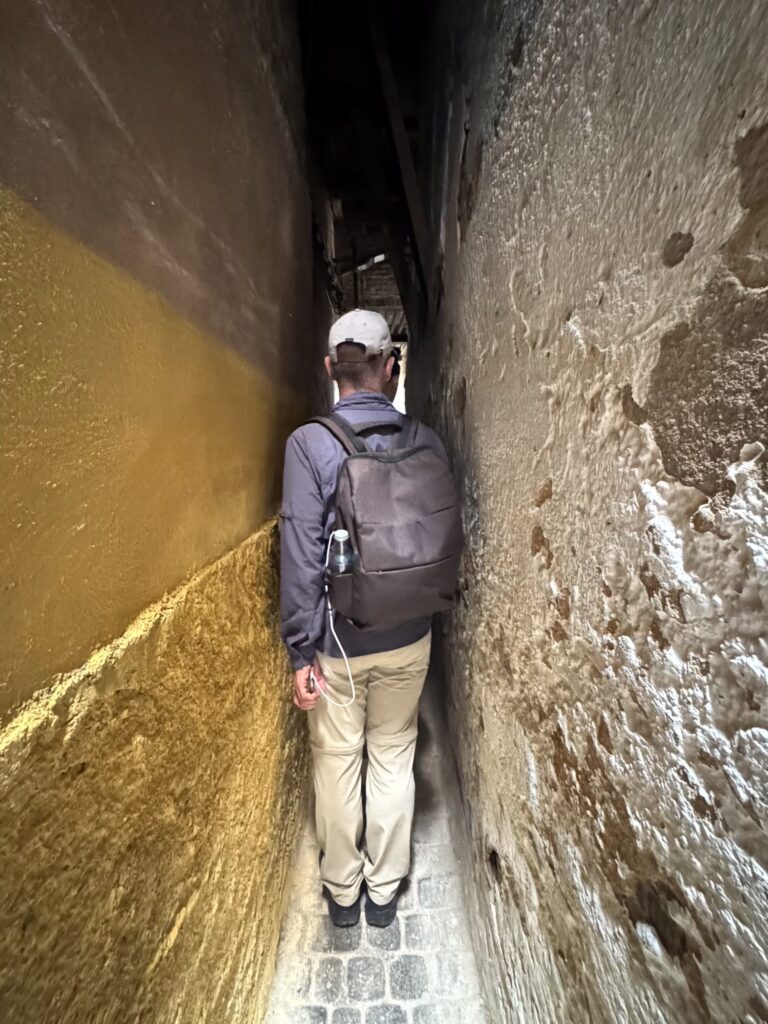
Hard. Insanely narrow streets, dead ends and bustling markets make this the type of place you may never escape from! We also heard stories of the challenges of getting in… imagine trying to get a fridge down these streets – turns out you have to be nice to your neighbours to get large items passed up and over.
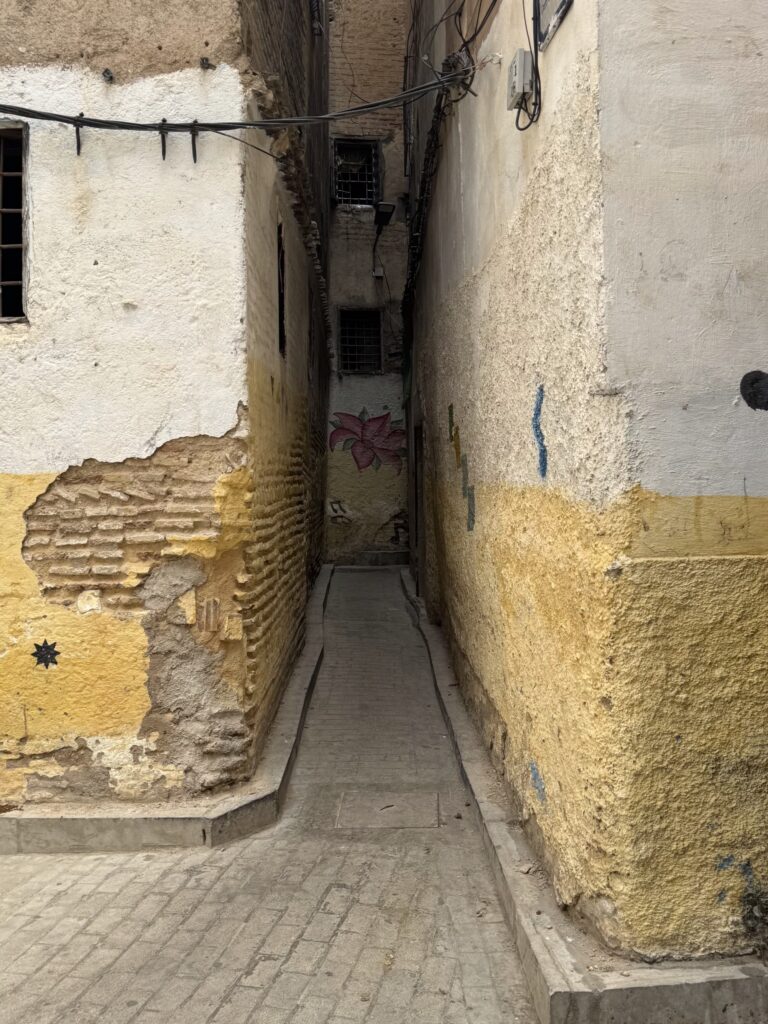
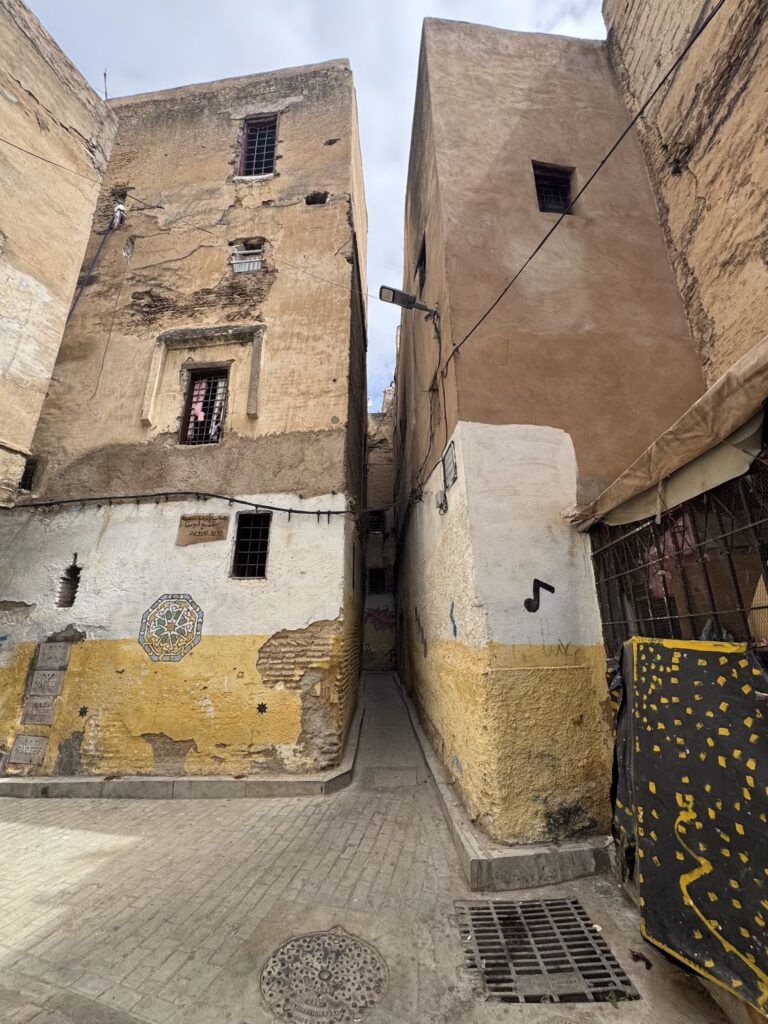
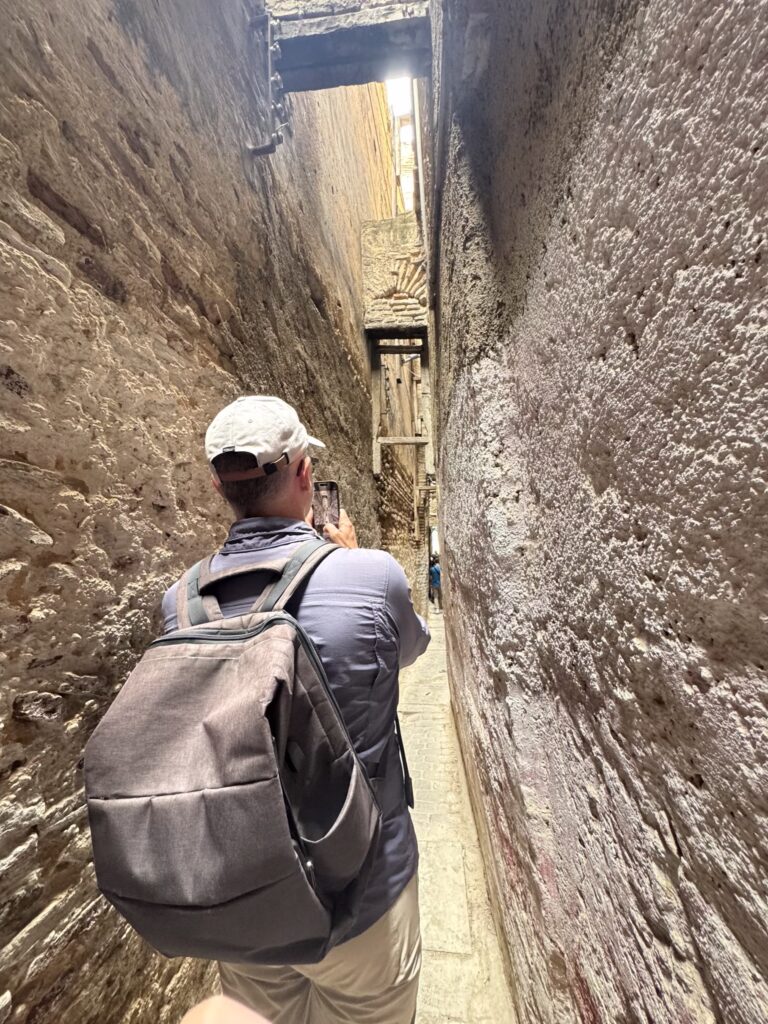
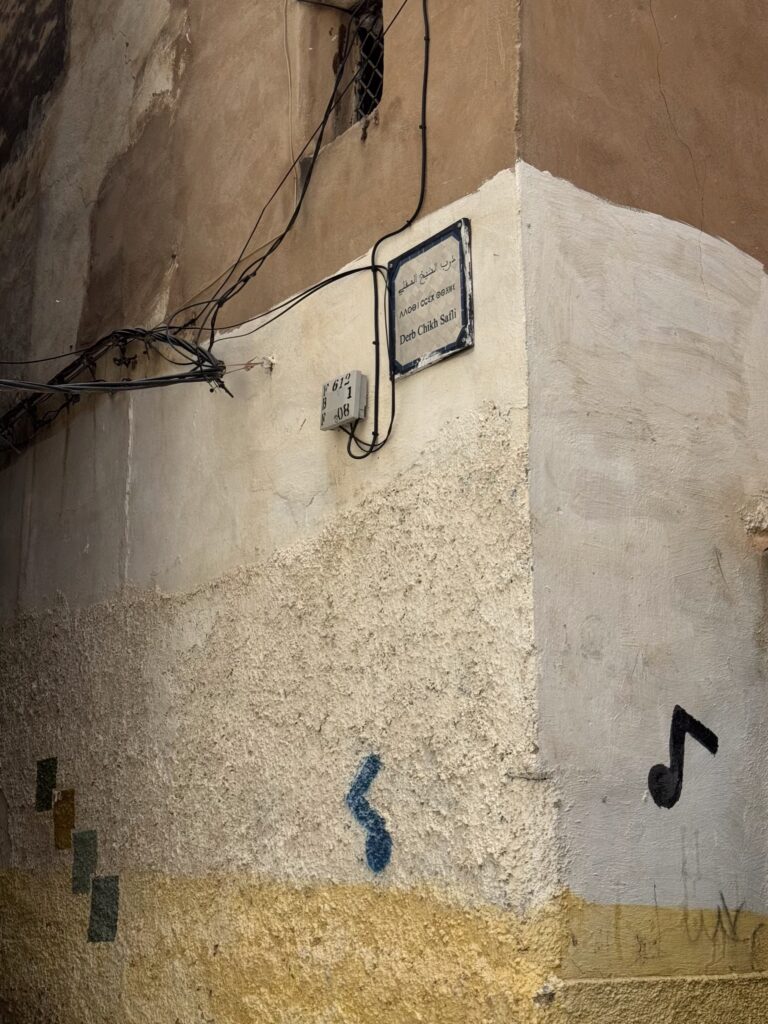
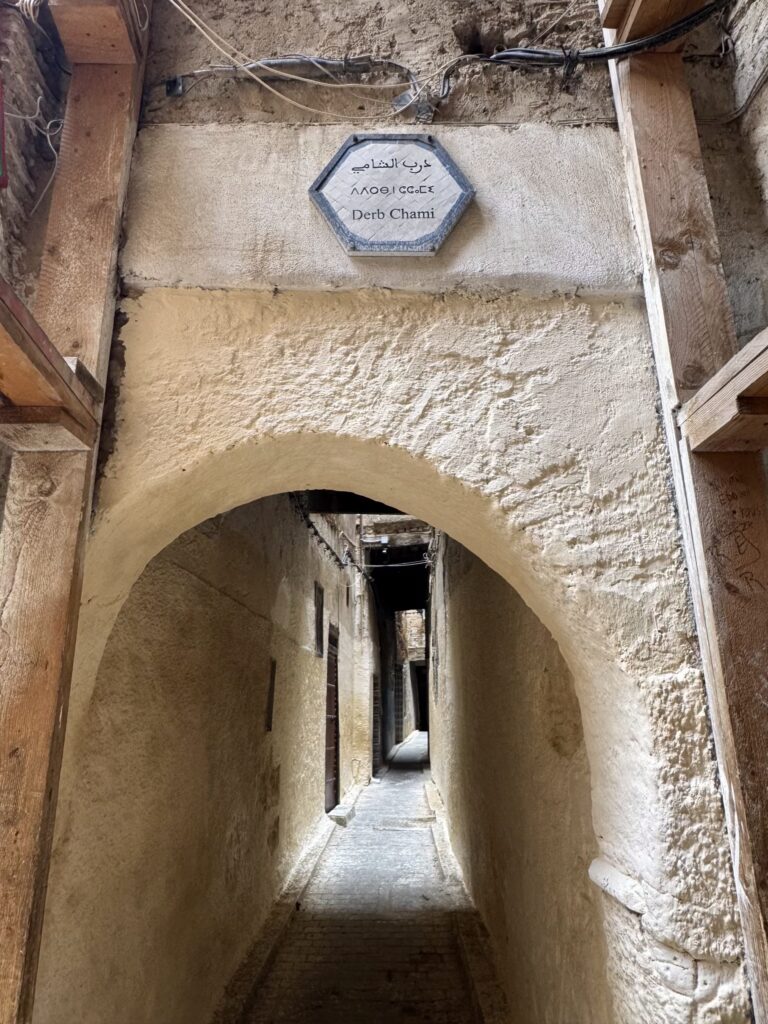
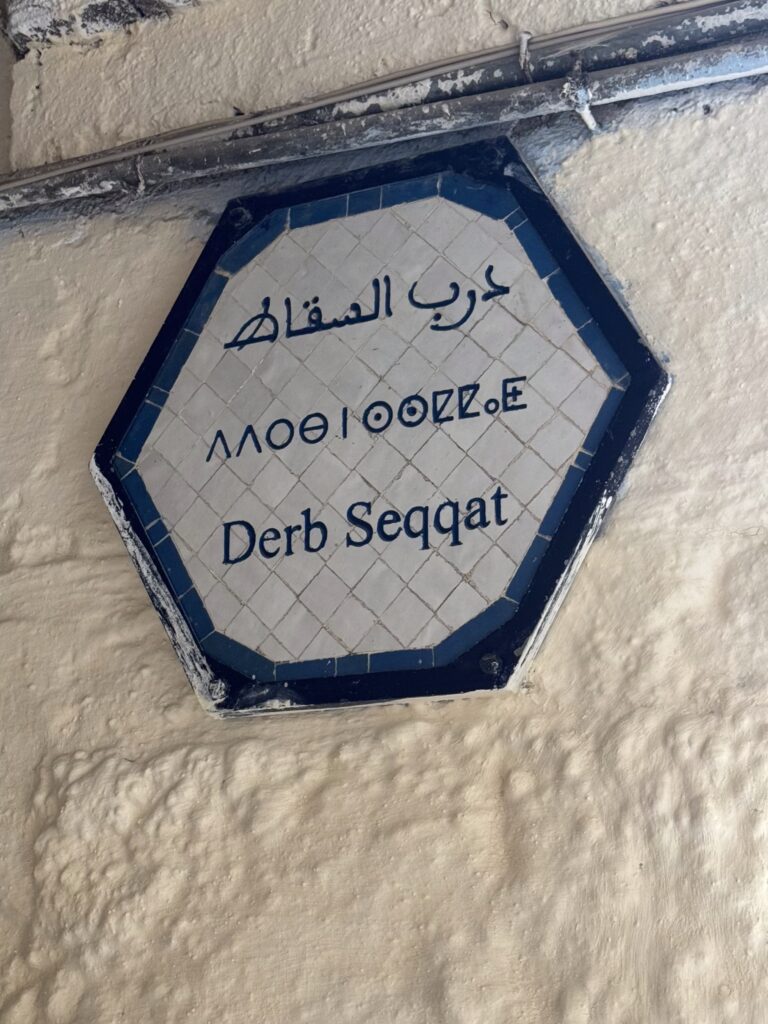
In a lovely piece of design, it turns out that square street signs depict a through road, and hexagons are a dead end. So elegantly simple!
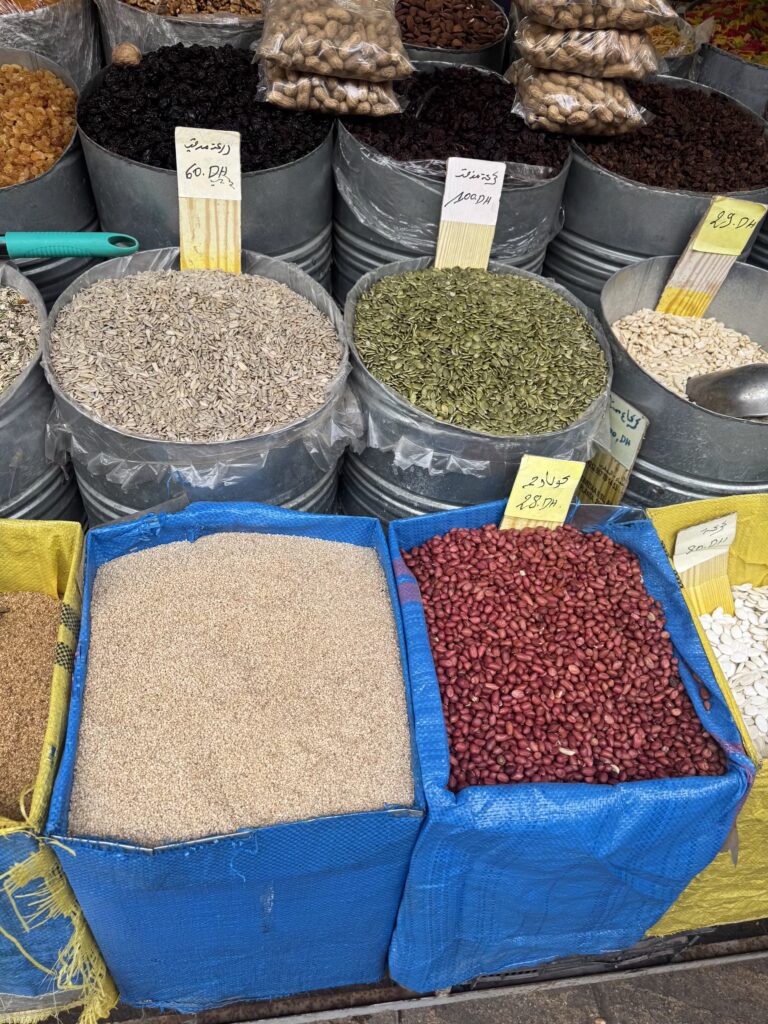
The markets are incredible. Hundreds of tiny stalls, each with a narrow offering. We started in the food section, and as usual, our Australian standards and expectations were challenged. There wasn’t much that customs would tolerate! The rose petals were a beautiful interlude between some interesting offerings.
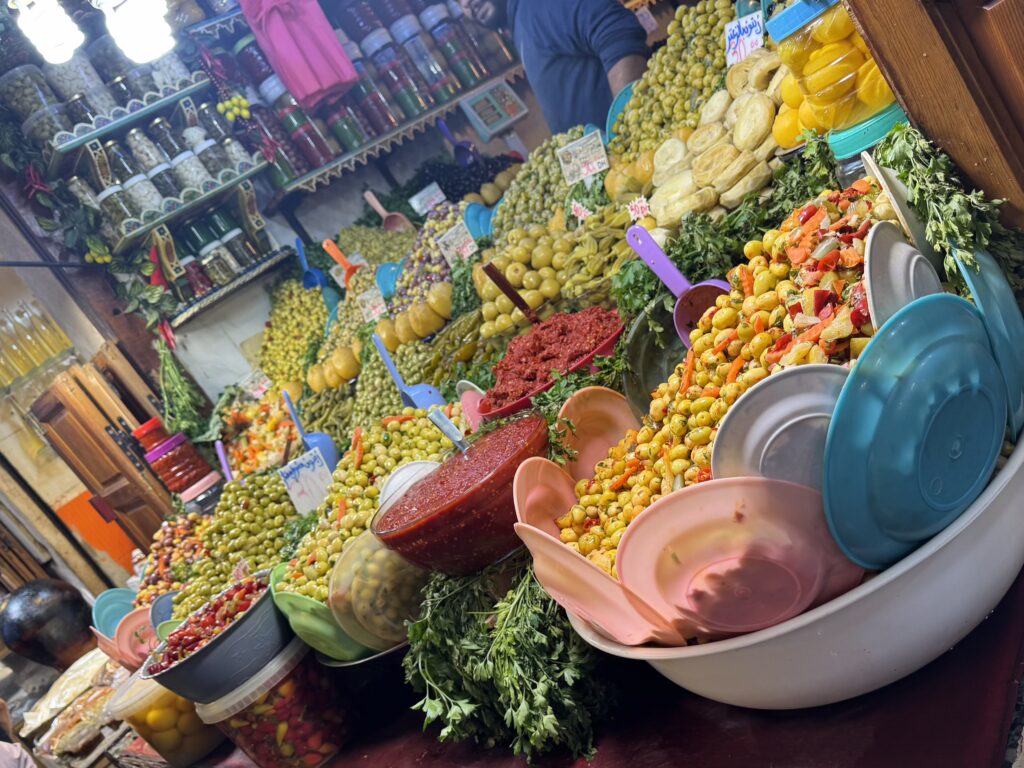
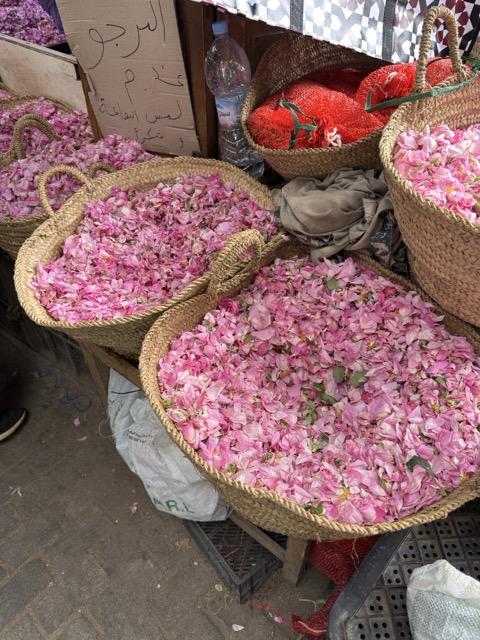
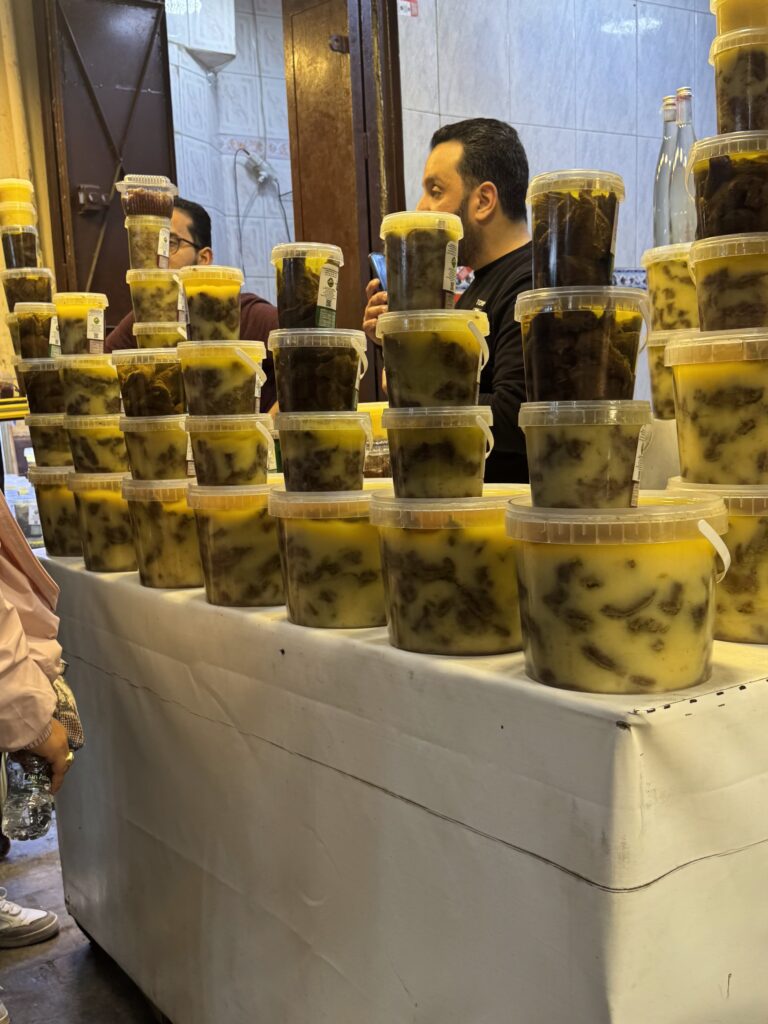
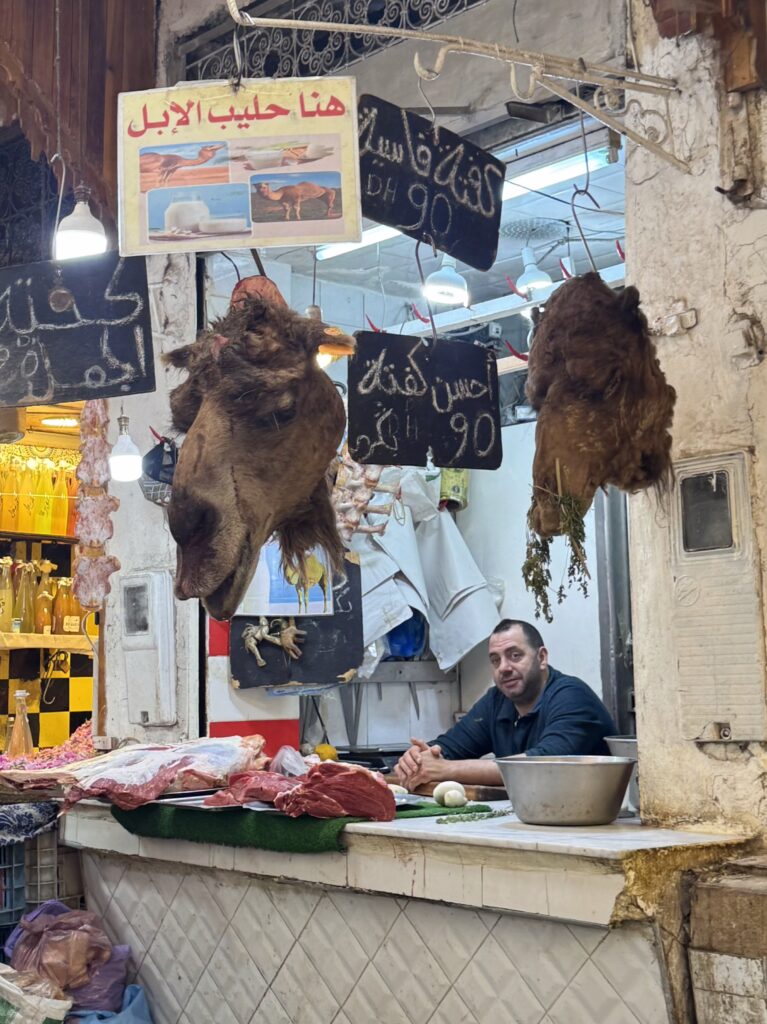
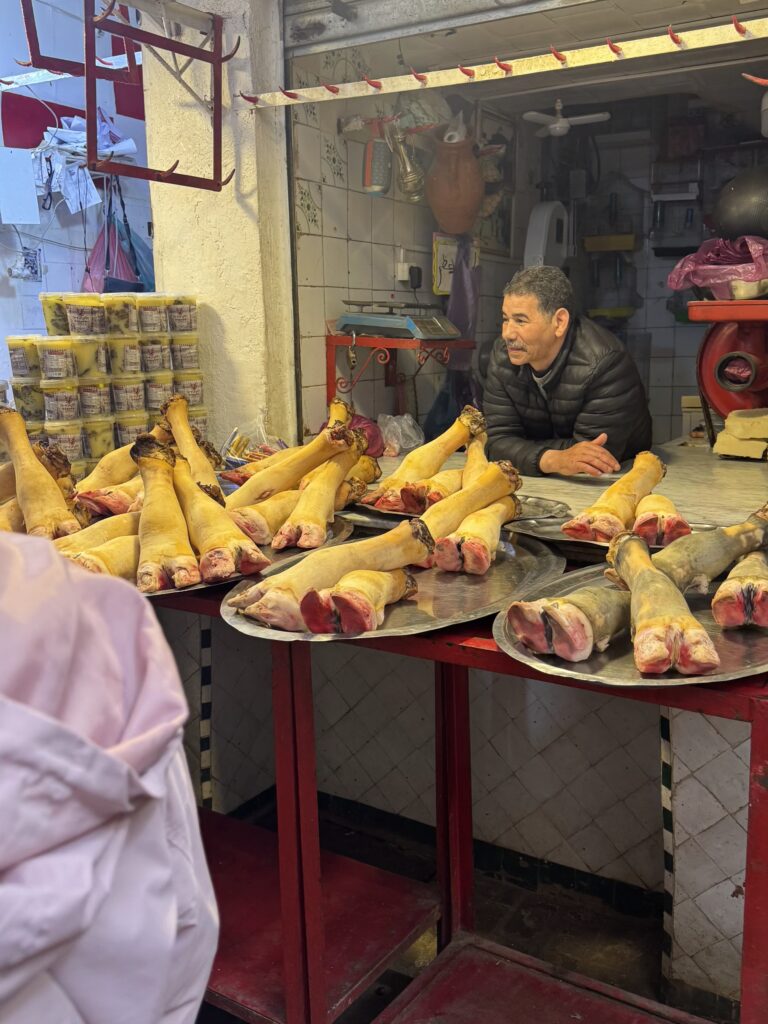
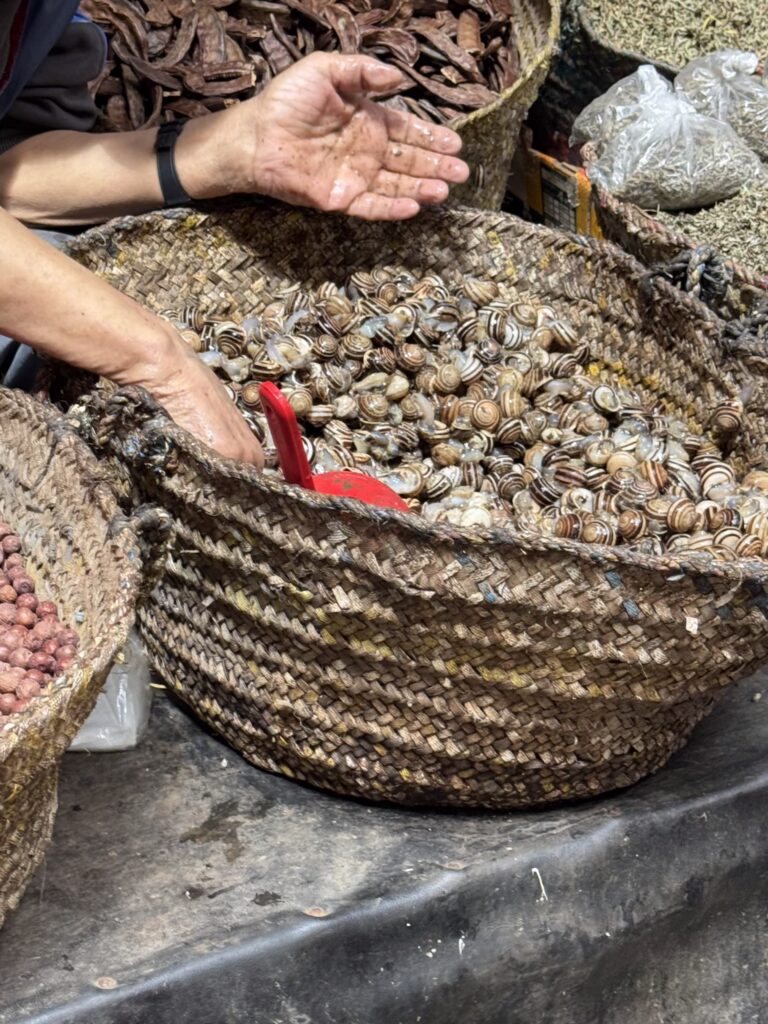
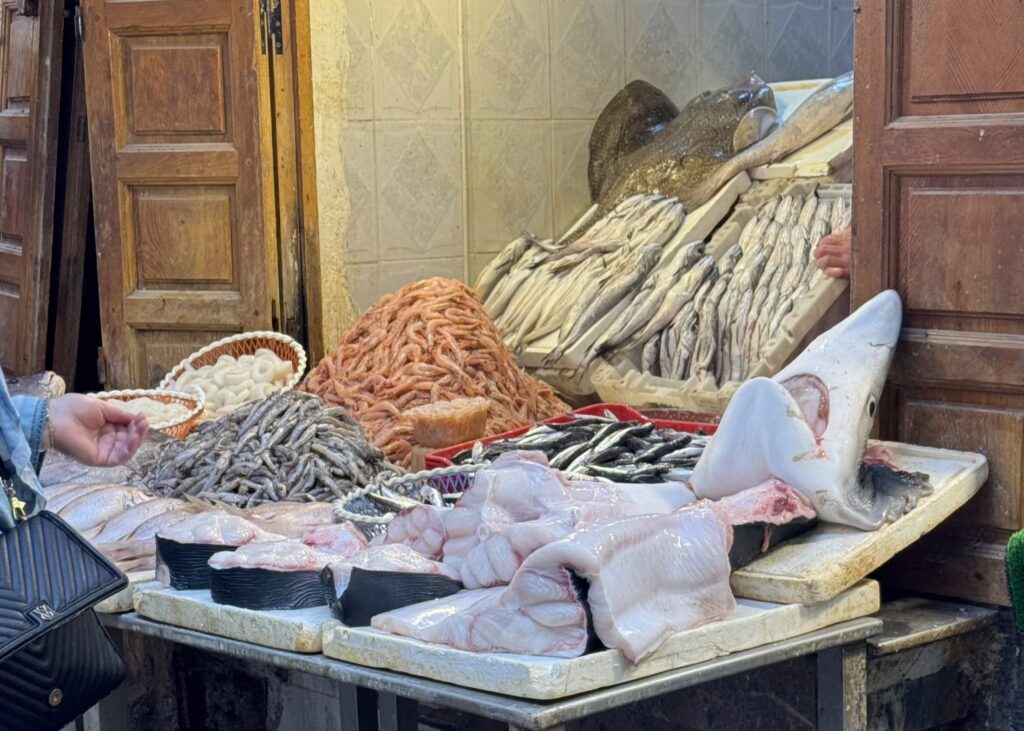
Aside from the food, the markets are also a place for clothing and homewares. There were traditional tea and wedding vessels, sewing machines (possibly old technology!), garmet dying services, fabric/ clothing manufacturers, wooden products, fast food stalls… the list goes on. The photos are limited out of respect, and the need to stay focused and keep your wits about you!
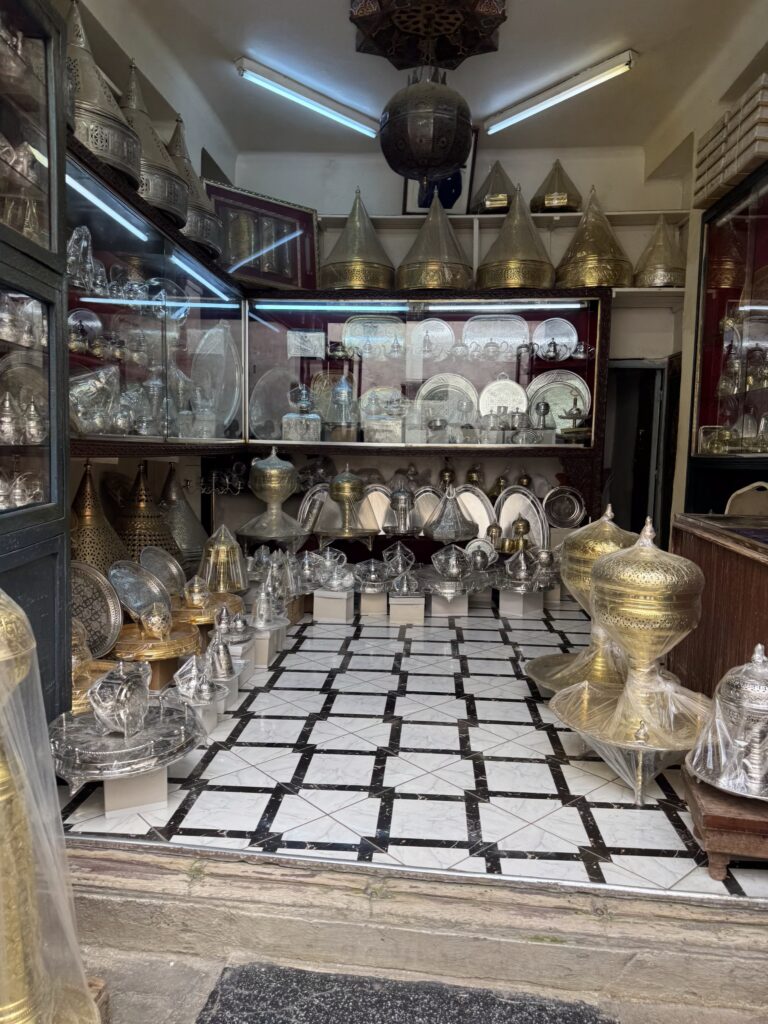
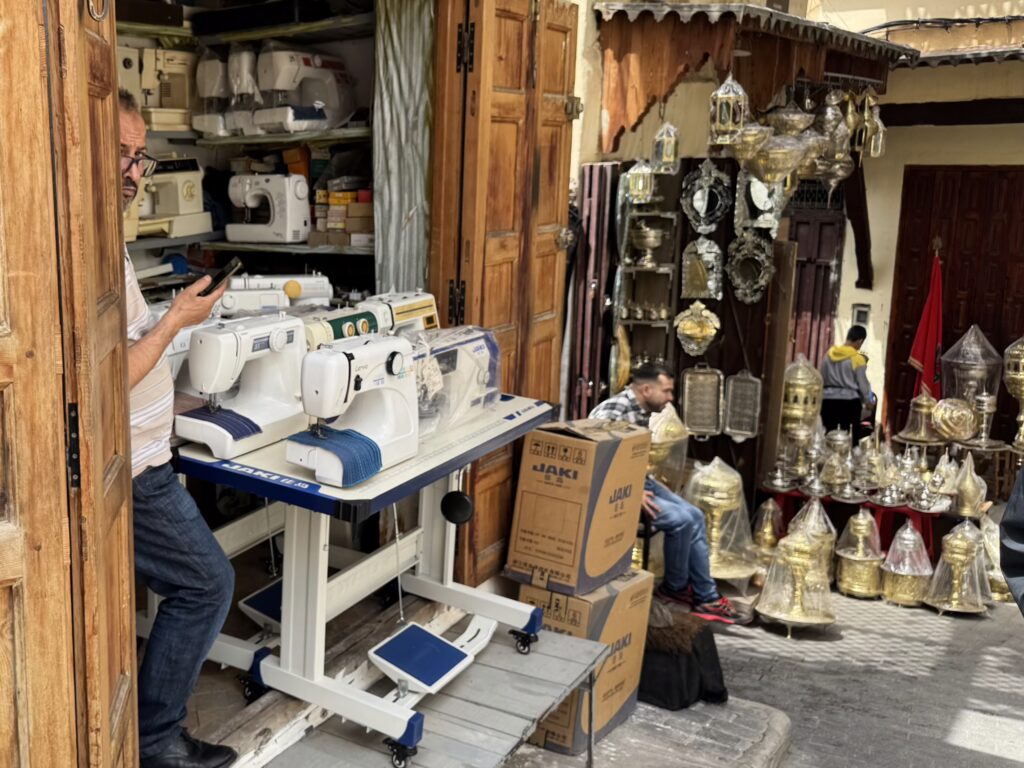
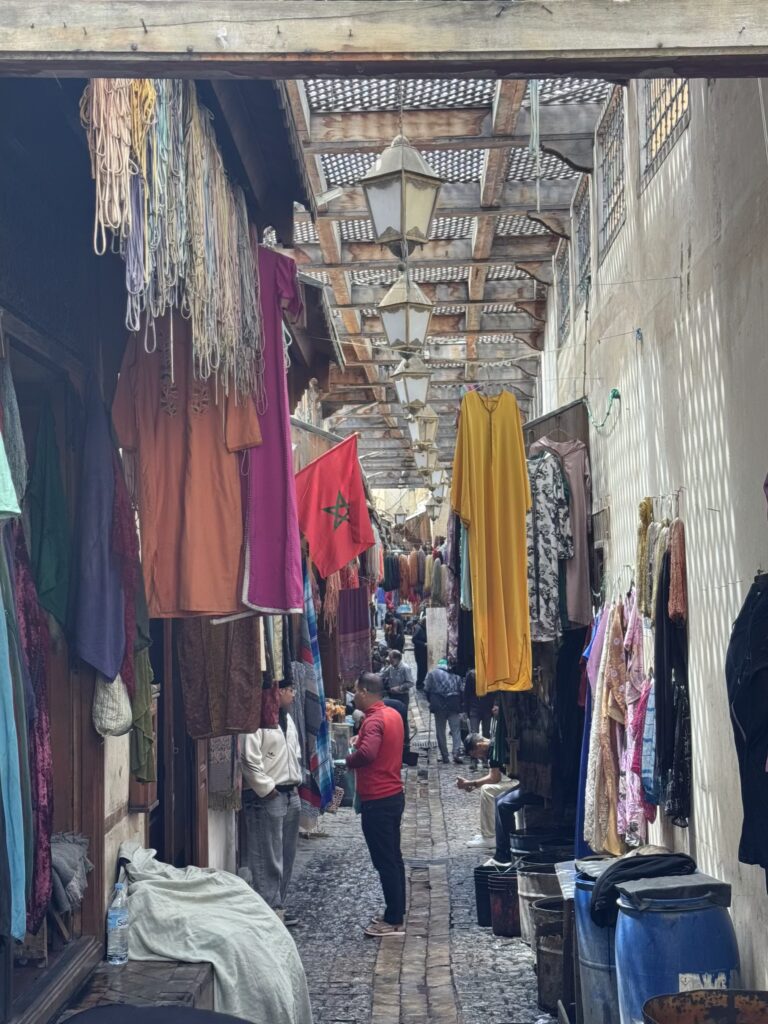
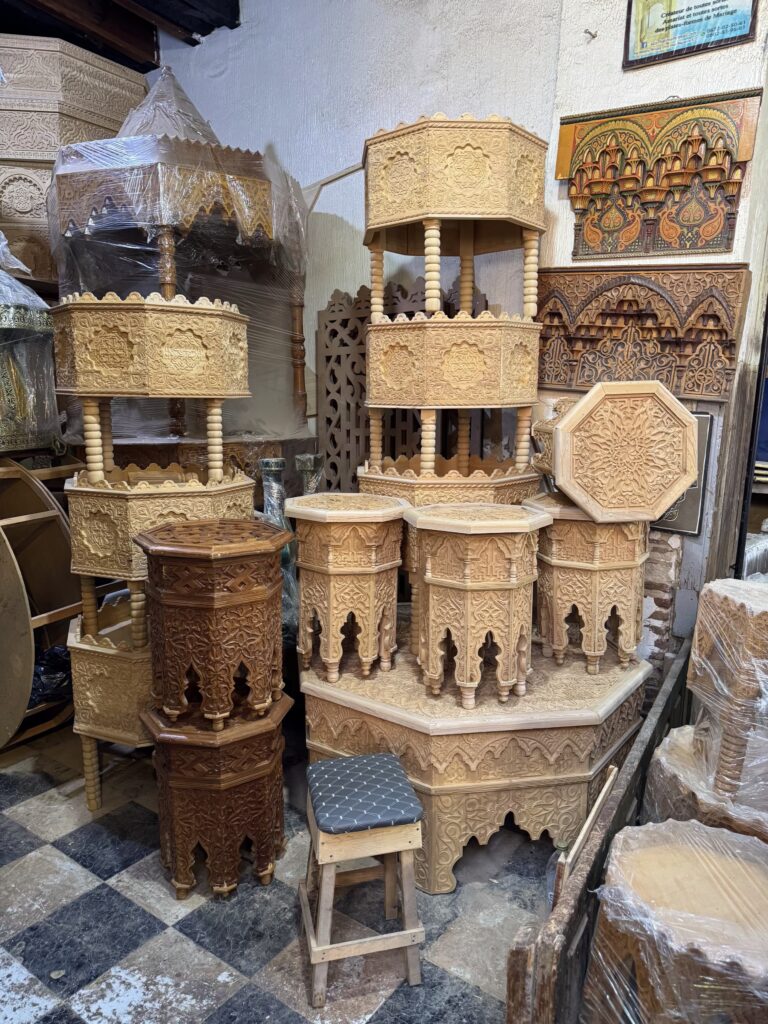
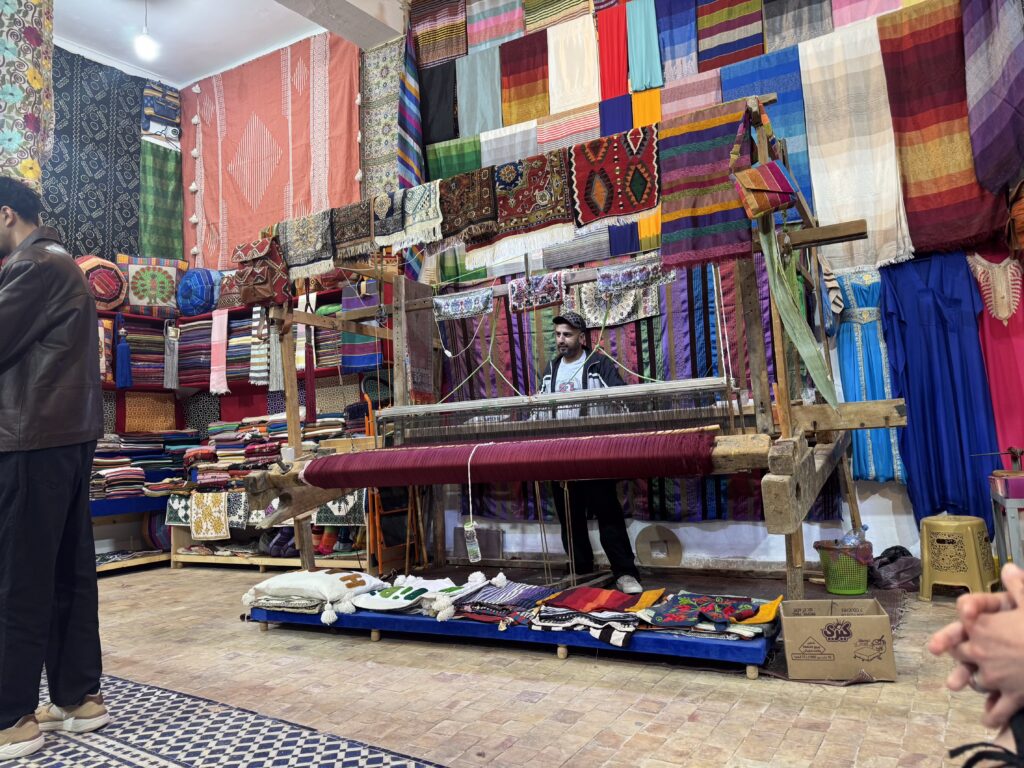
Parts of the markets are open air, and others have forms of roofing. They’ve been heritage listed since 1981 and also in need of significant repairs in some areas. It’s a challenge to find the balance the world over.
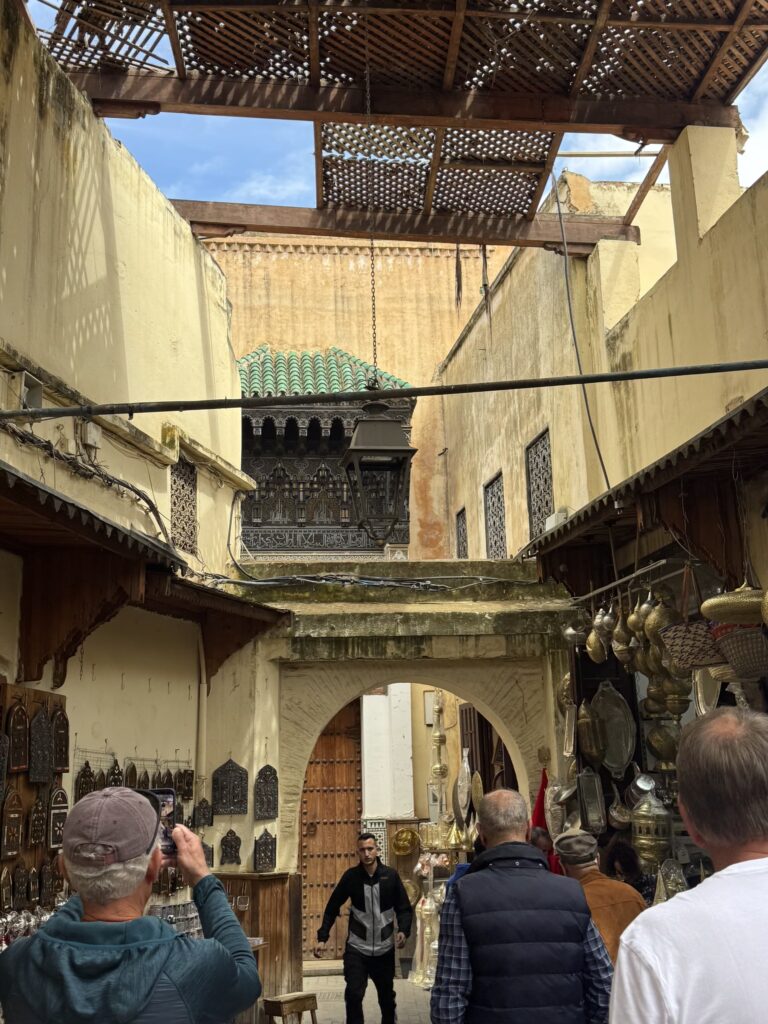
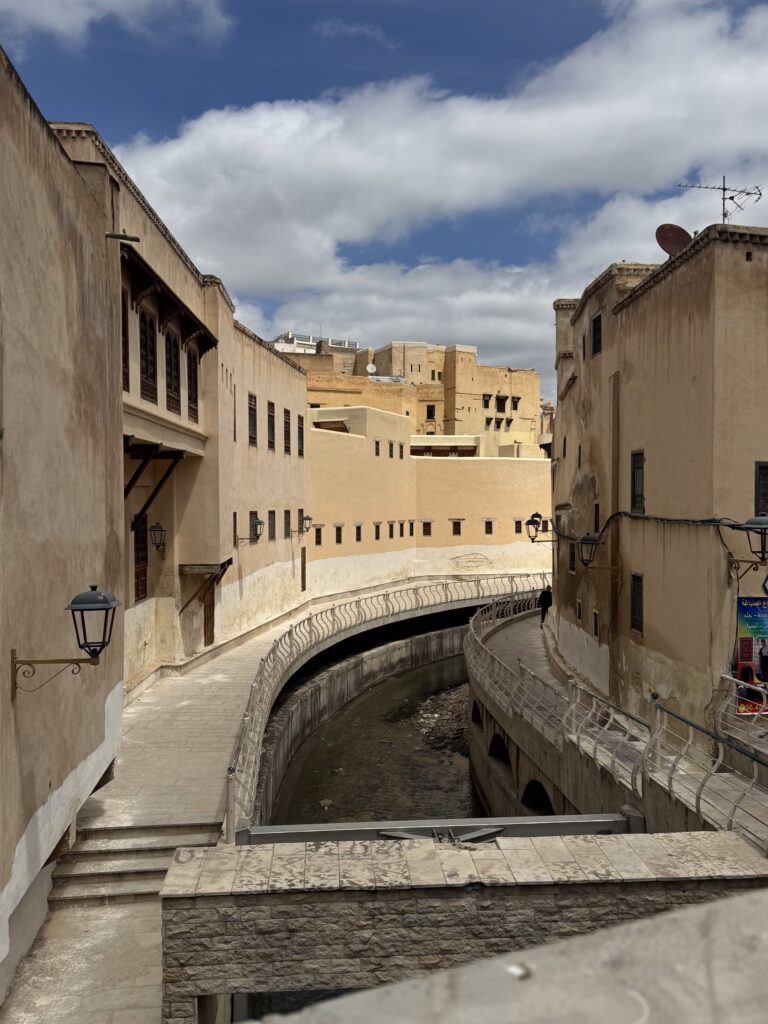
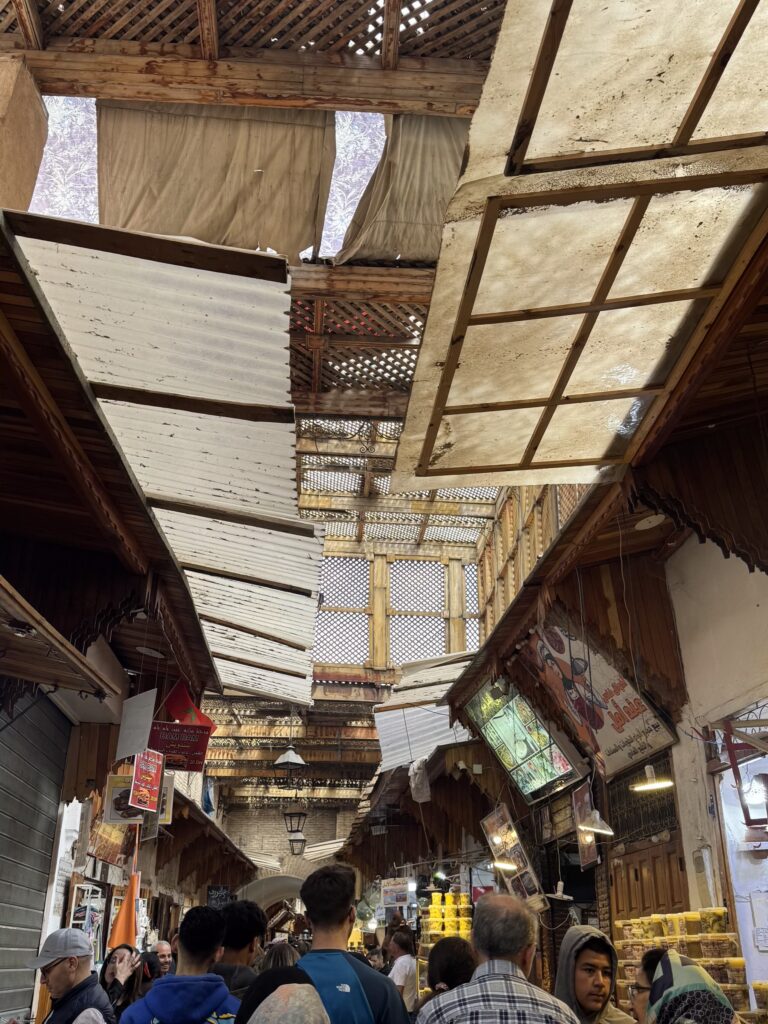
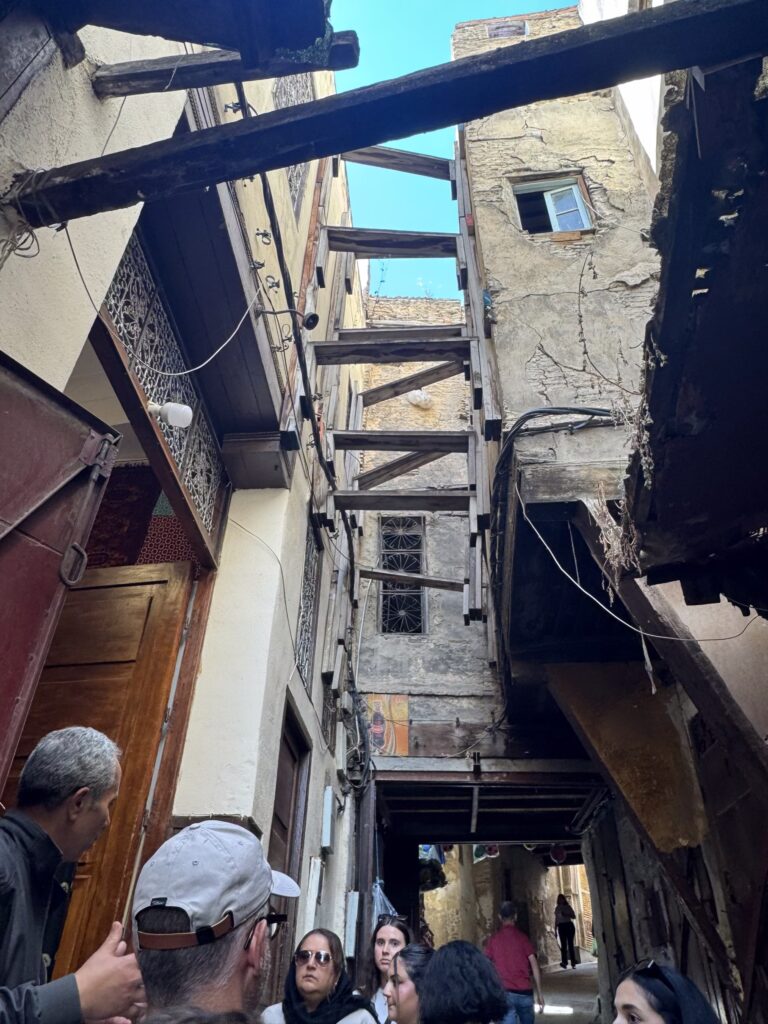
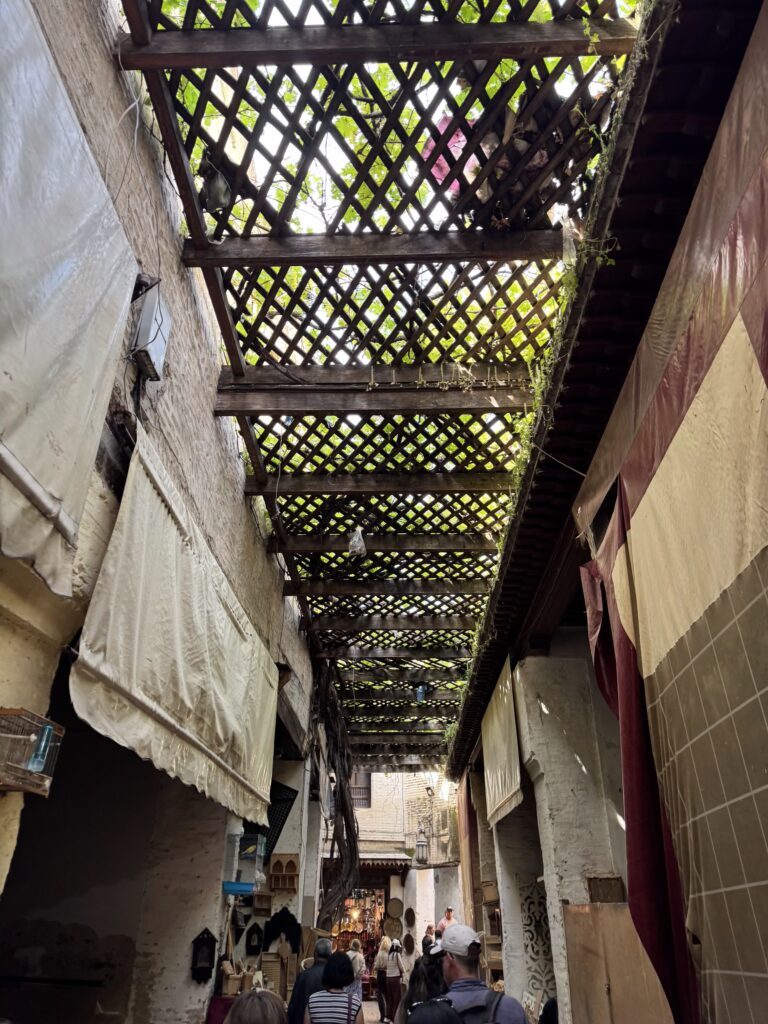
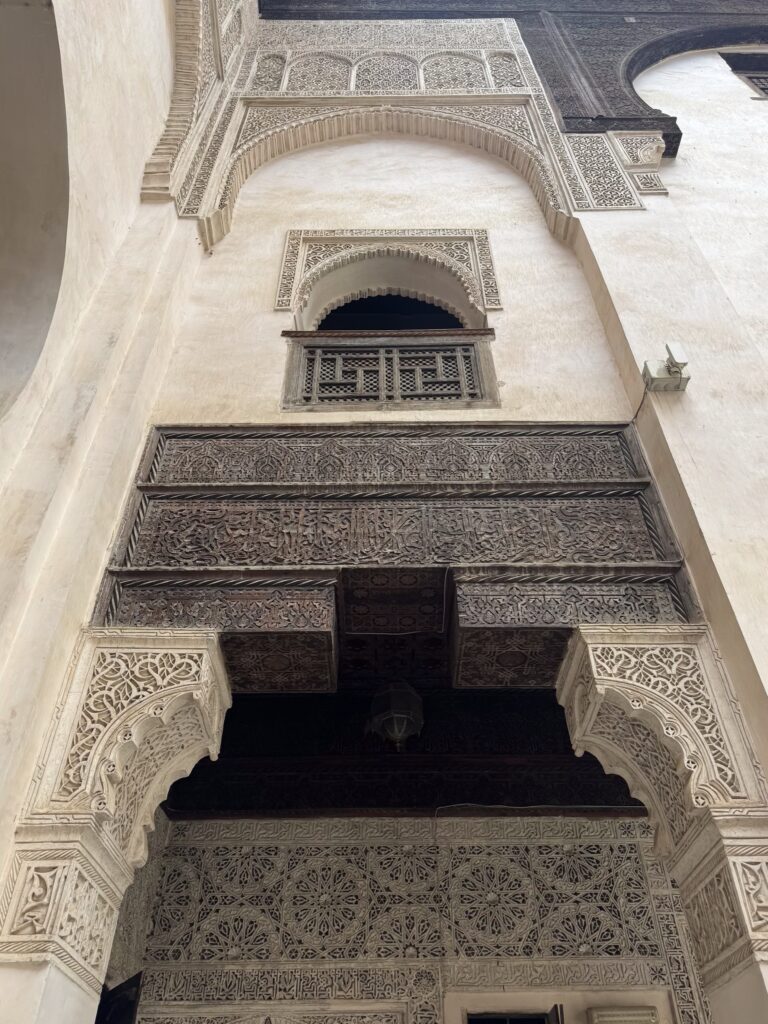
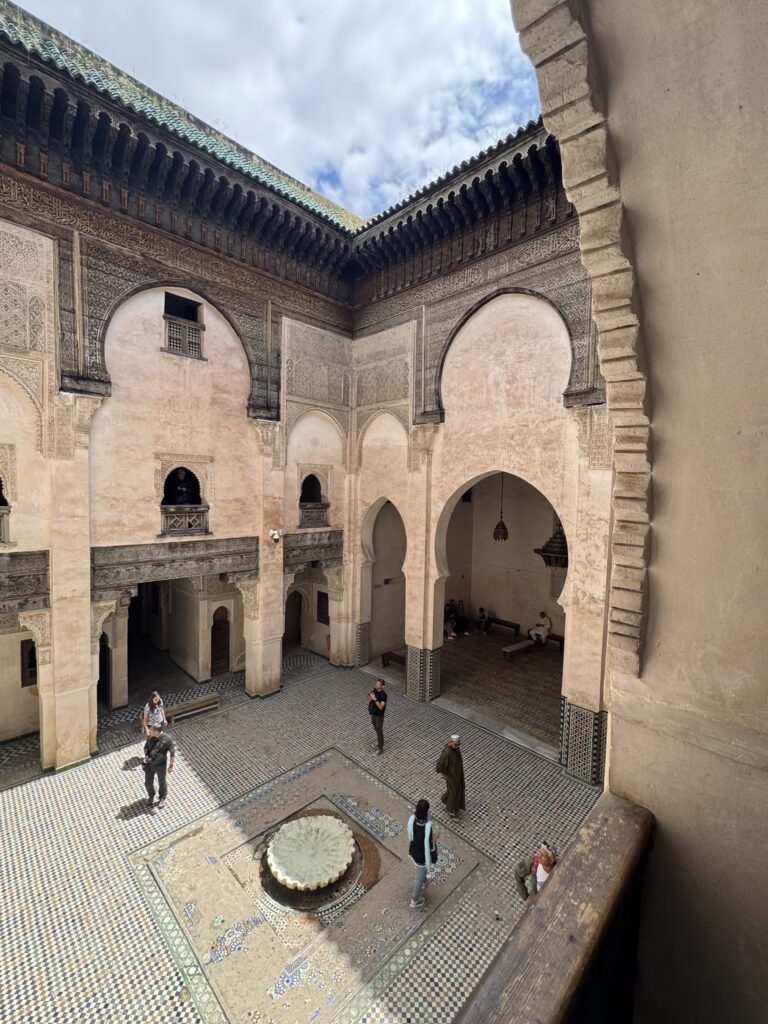
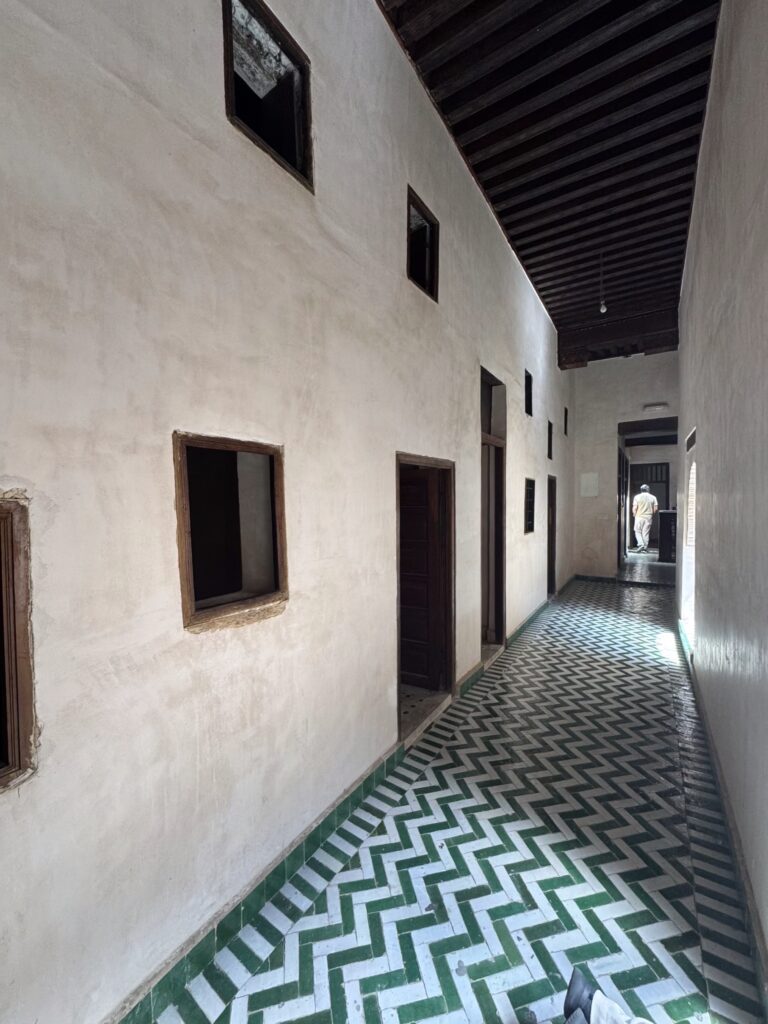
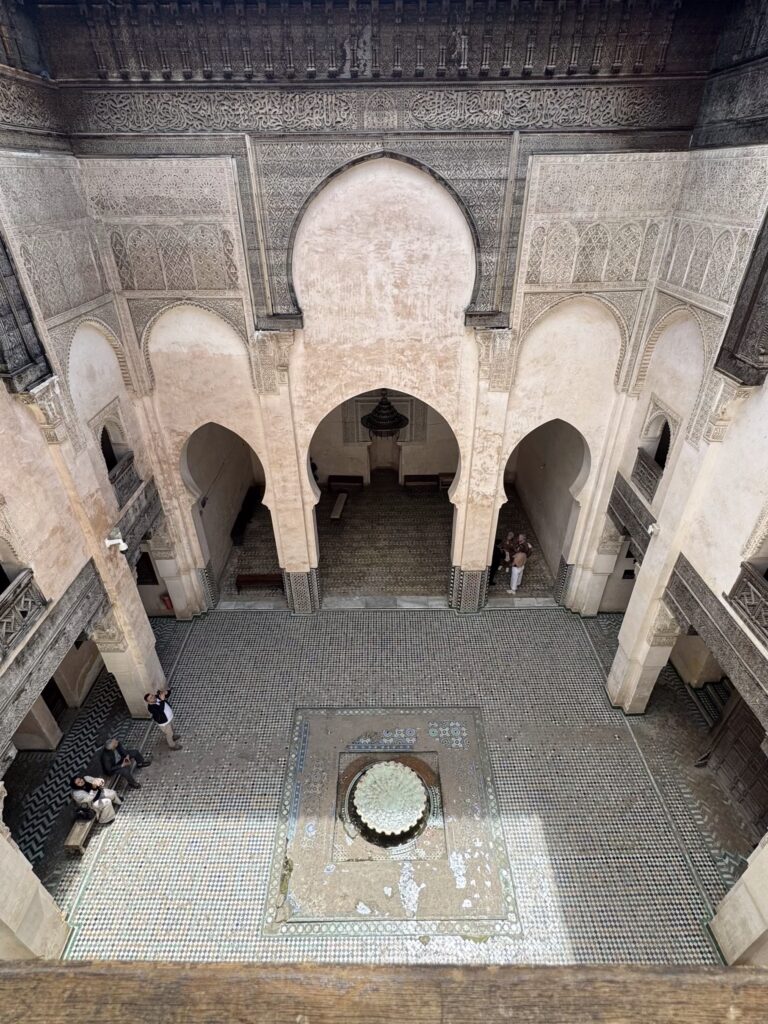
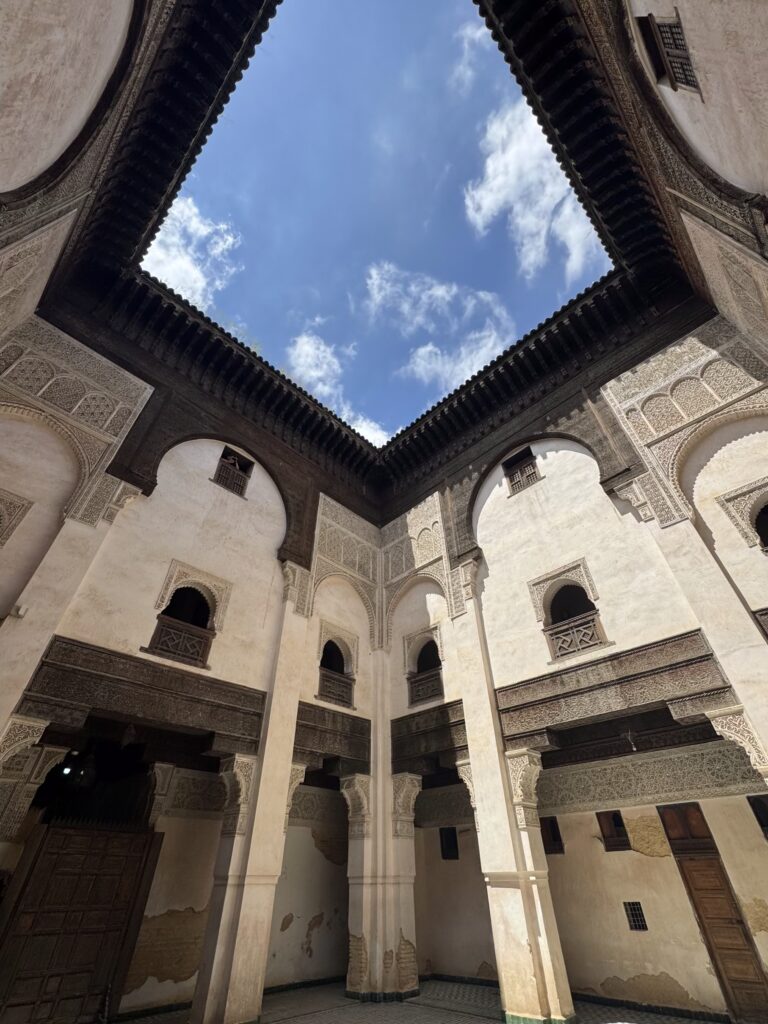
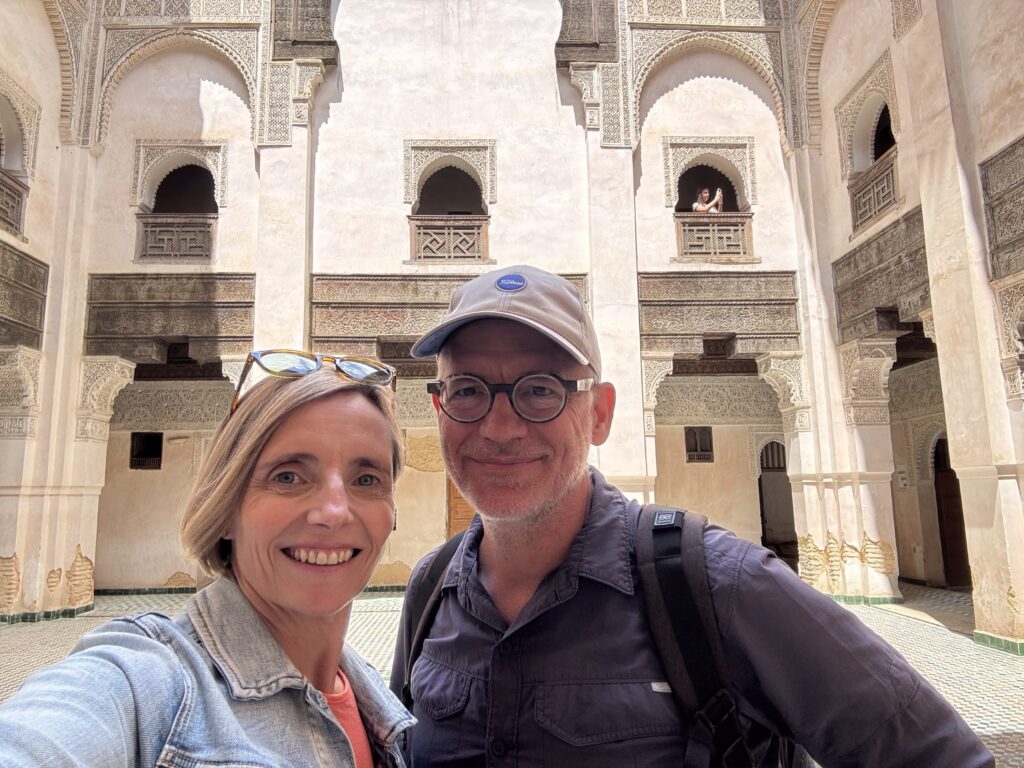
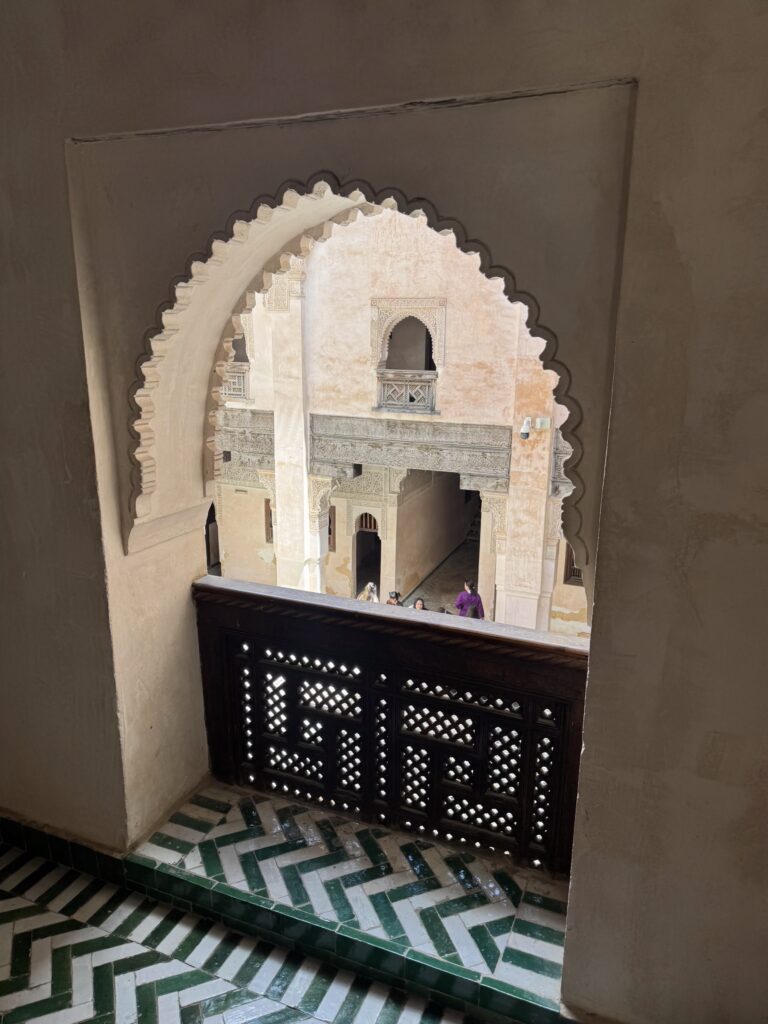
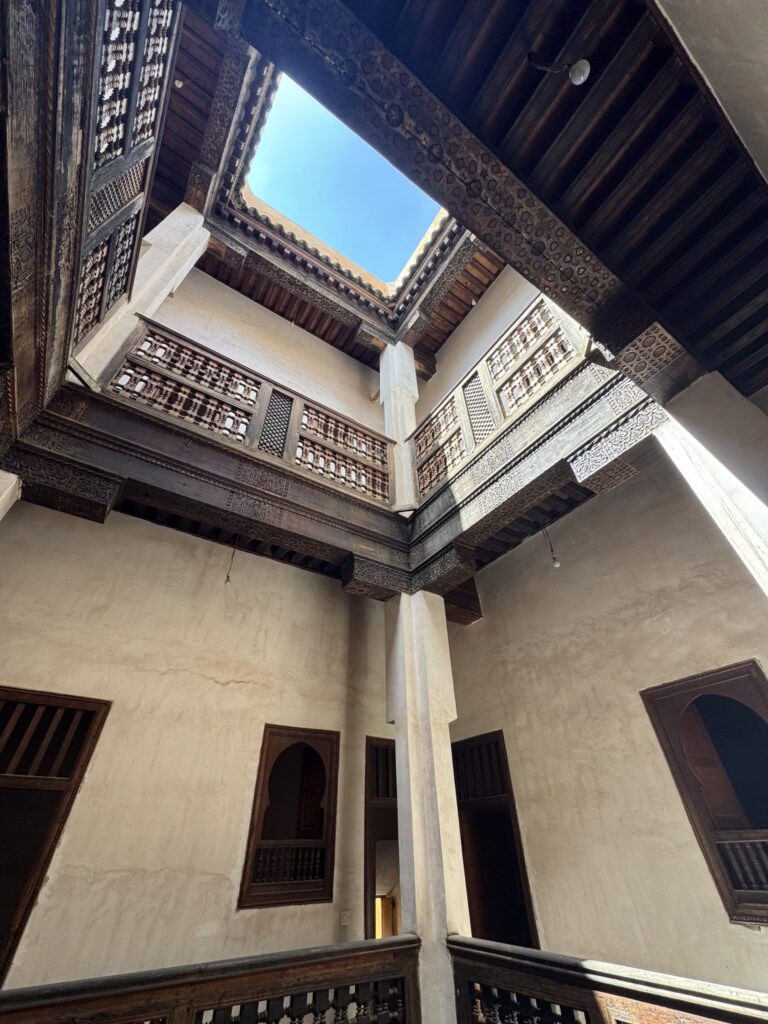
Somewhere in the middle (or to the side… who would know!) are the old university dormitories ‘madrasas’. These were still used by about 150 students until the mid 20th century, and today they are a lovely respite from the bustle of the Medina.
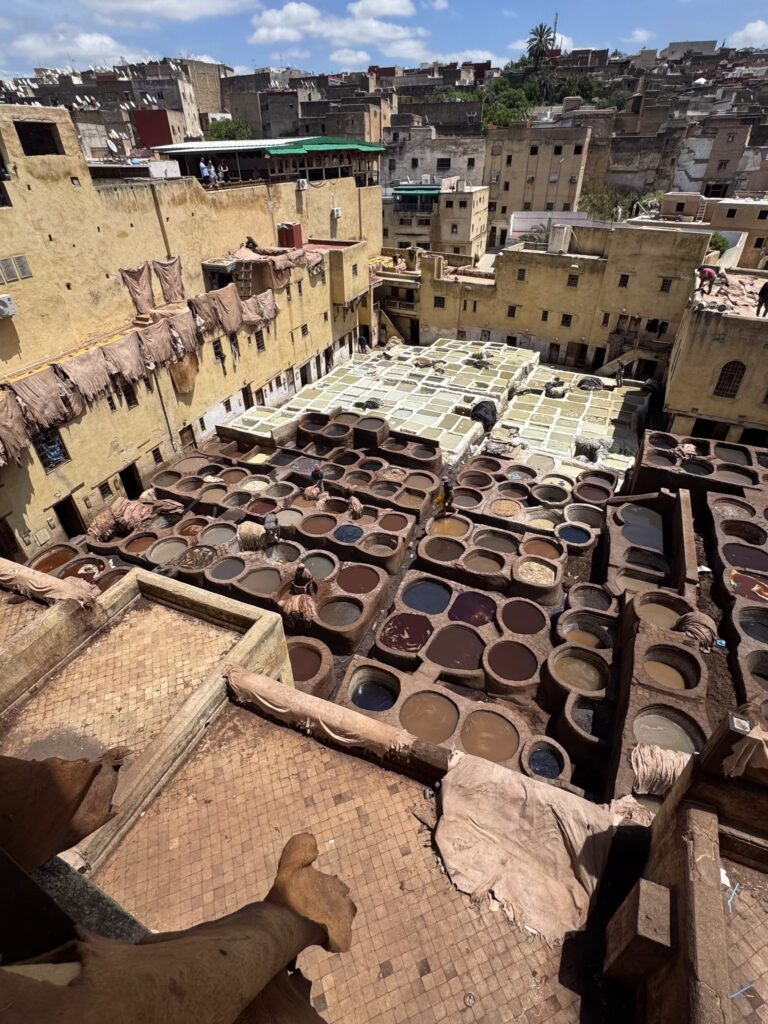
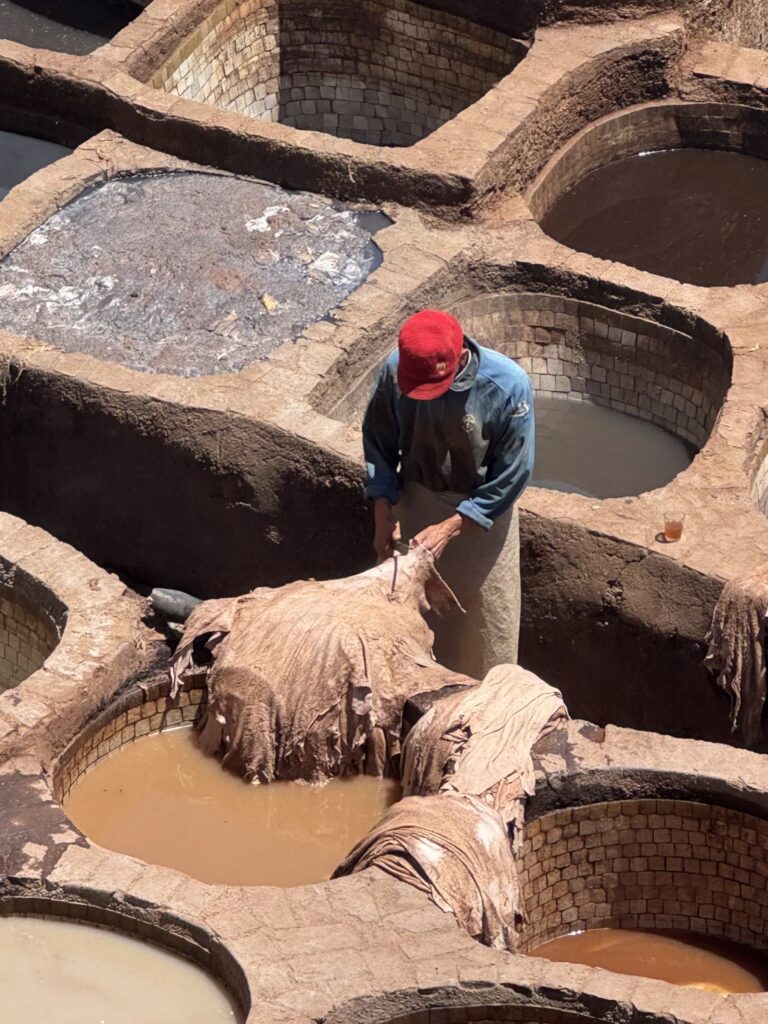
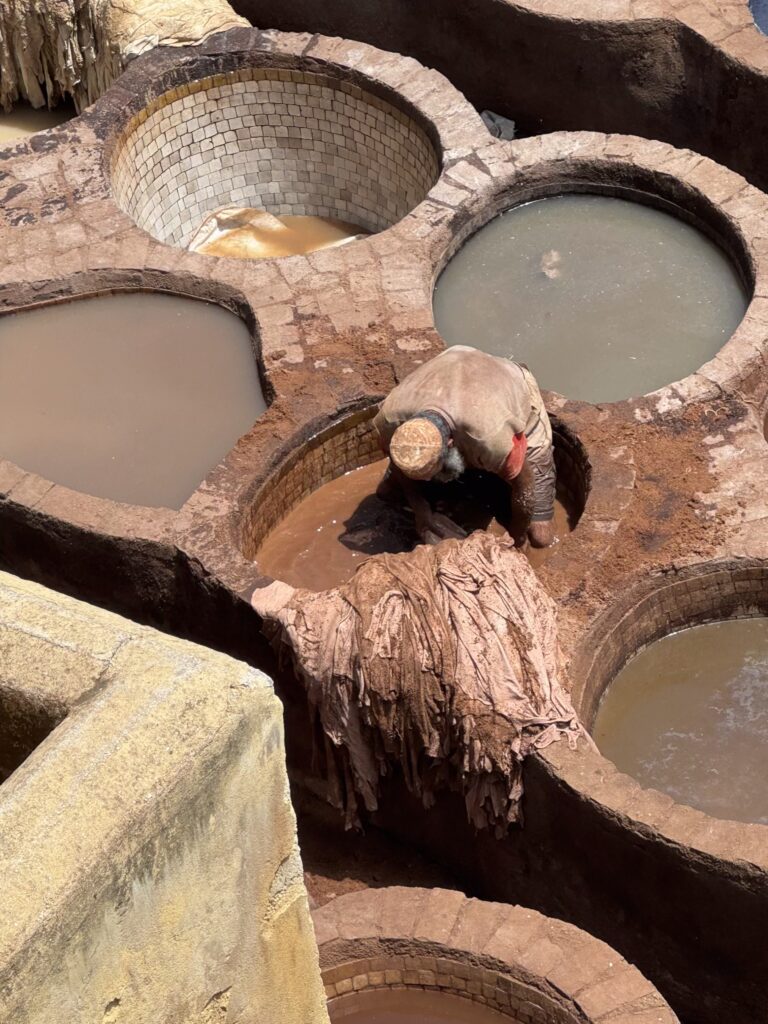
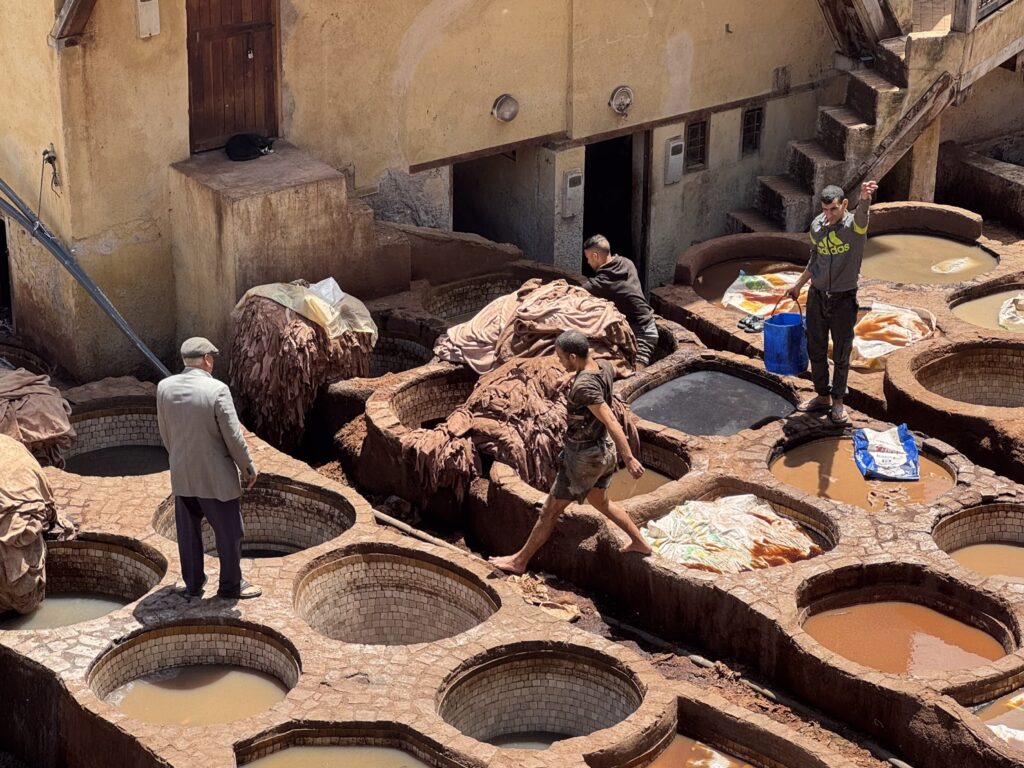
The Tannery is the oldest in Morocco and one of the oldest in the world at 600 years. Shops that sell leather goods are throughout this area of the Medina, and offer views over the tannery process. Leather is soaked in lime and salt for days, before being washed and scraped multiple times, then coloured and dried. All up it takes 18 days to make the leather, and an enormous about of smelly, hard manual labour. Workers are knee deep in water while managers are wandering around in their clean clothing and shoes.
It’s a culture where haggling and sales are an every day part of life. It took some significant effort and ‘Australian’ justification to get out of buying a leather jacket.
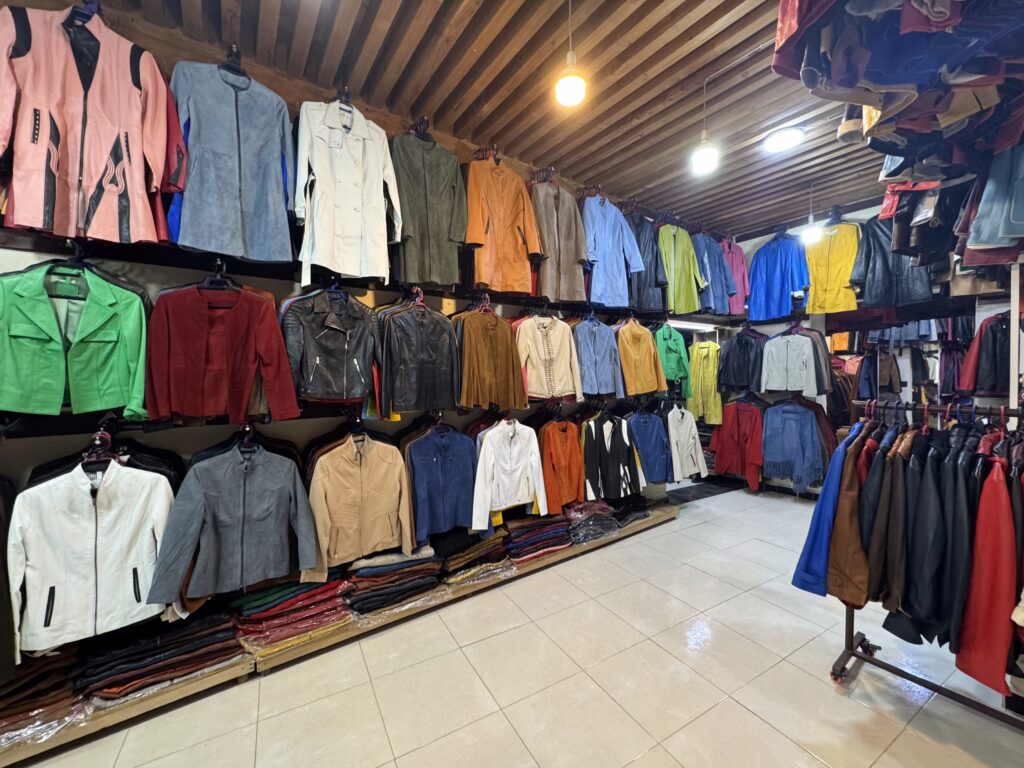
A few more streets, a few near misses, and we exited – a 4.5km walk filled with sights, sounds, smells and shopping opportunities.
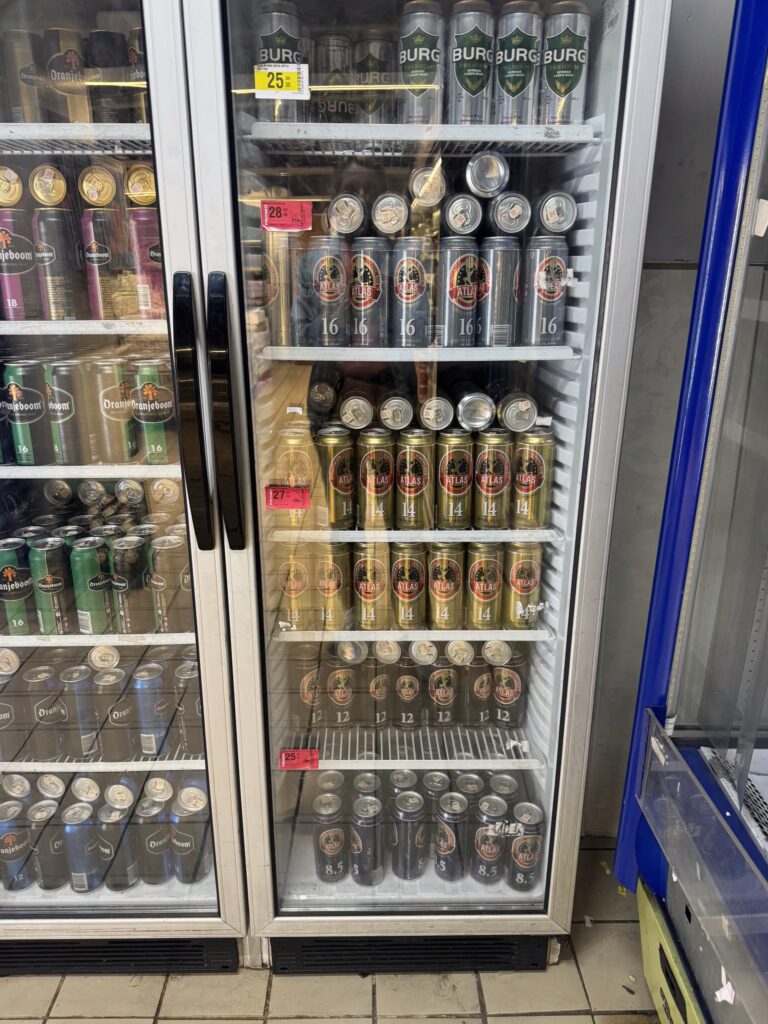
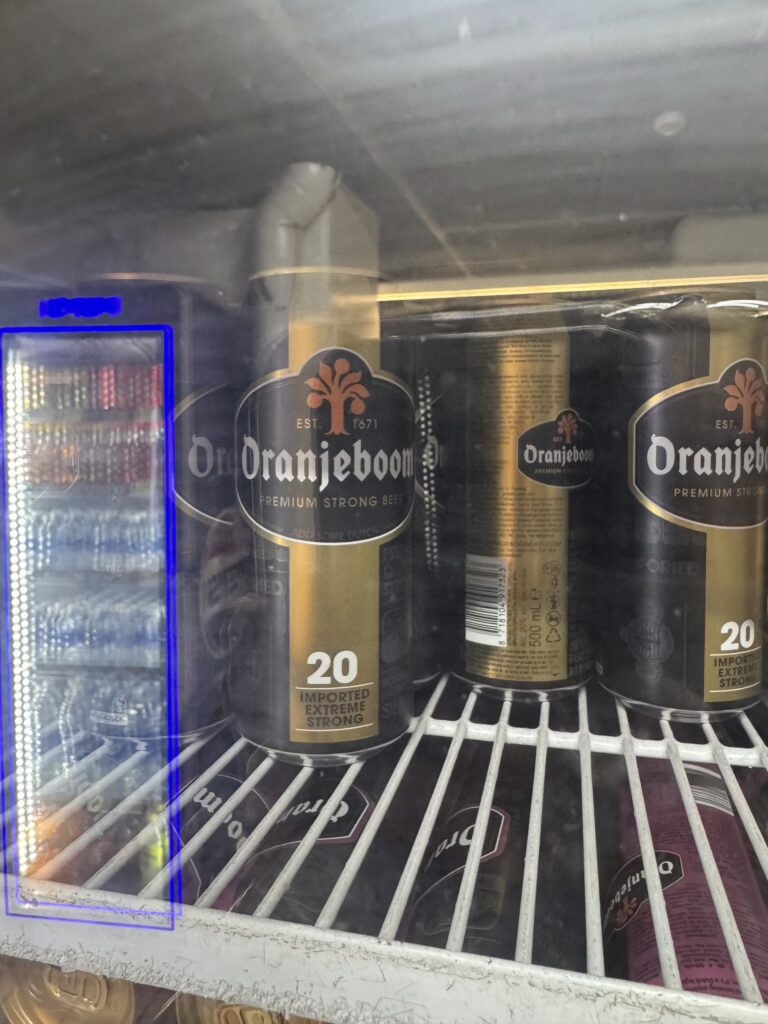
Where would a guide take you next? A shopping centre. 45 minutes to stock up on ‘supplies’ before heading to the desert tomorrow. The 20% alcohol content beer had a definite Aussie ‘go hard or go home’ vibe!!!
A big day and an early start tomorrow meant we happily skipped dinner in favour of a quiet night in!
Love M & A x
Comments are closed