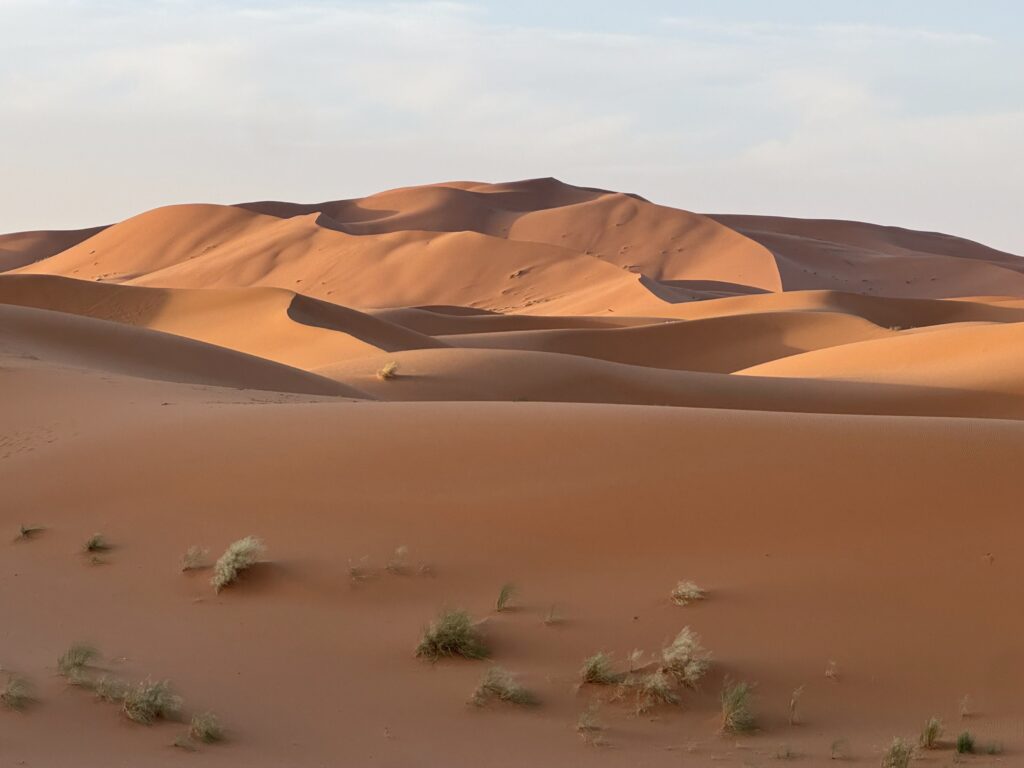
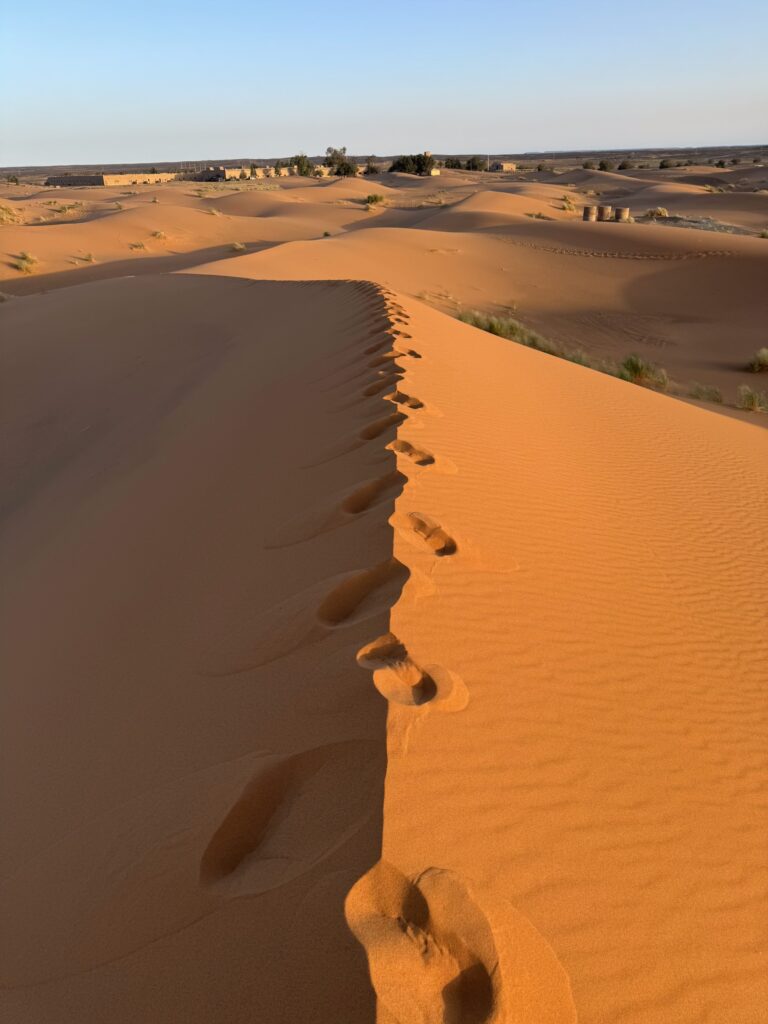
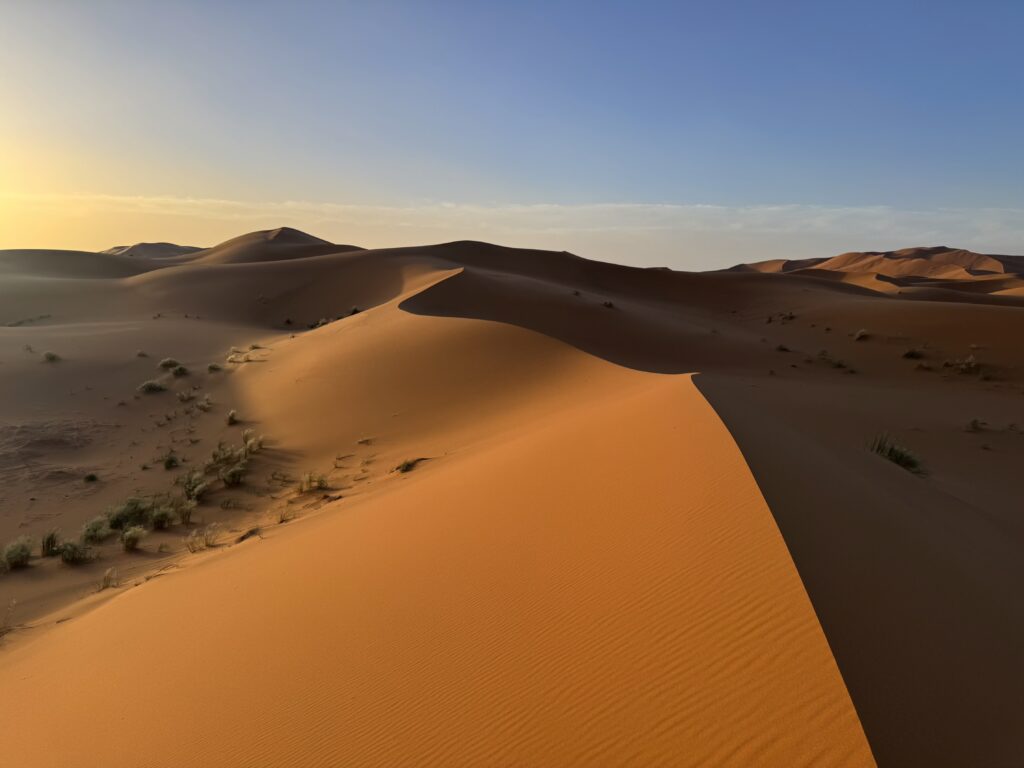
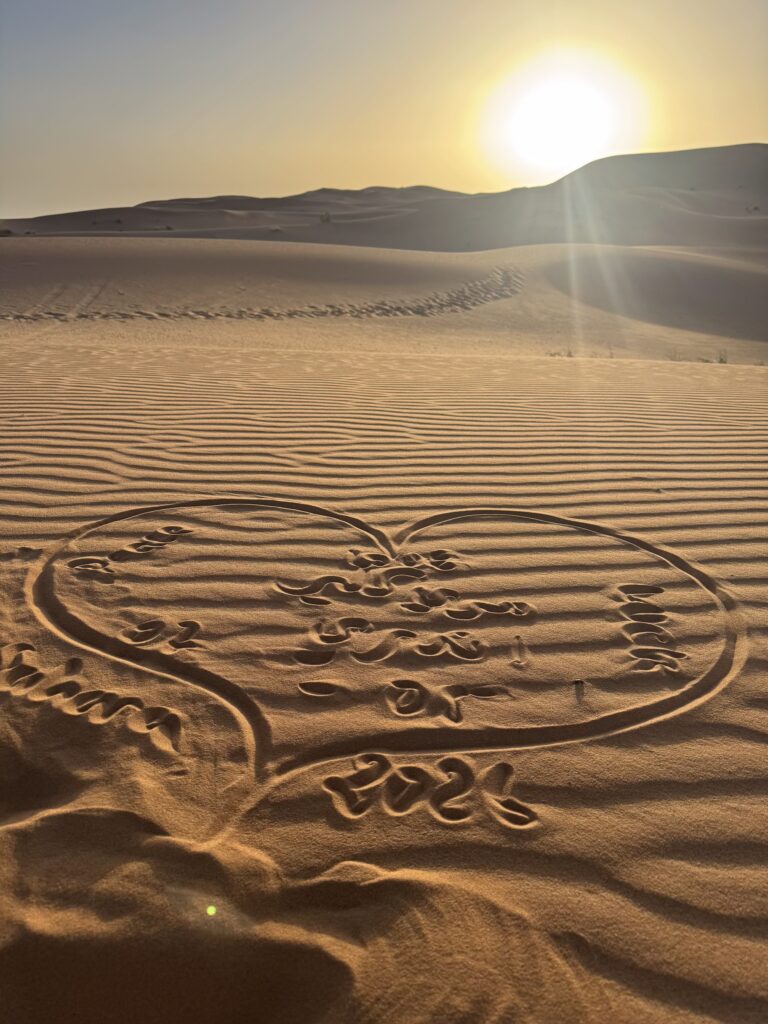
Sunset was good… sunrise was amazing. It was so peaceful to walk out our back door and stand on top of a little nearby dune. It’s a worthwhile challenge to get up there.
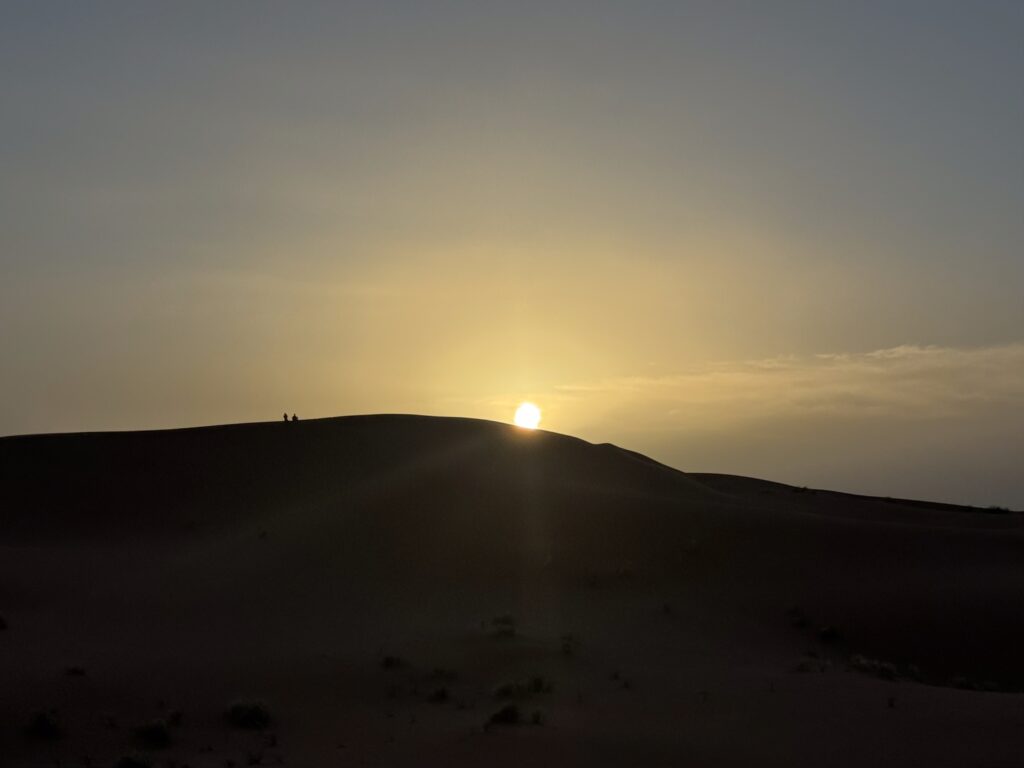
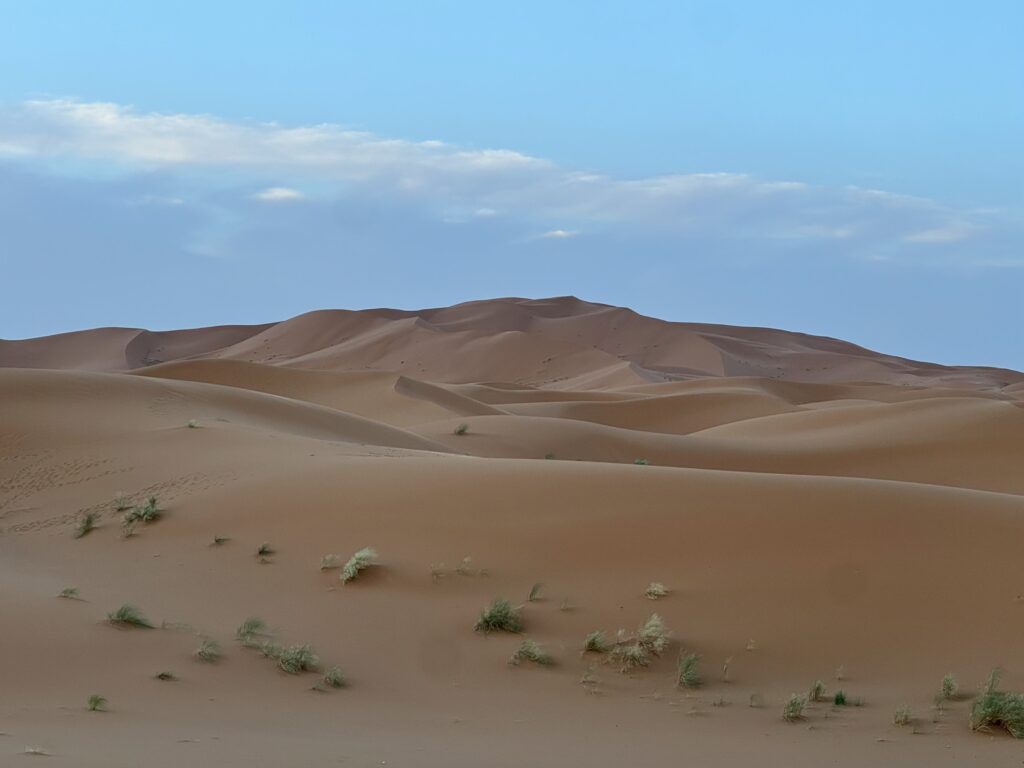
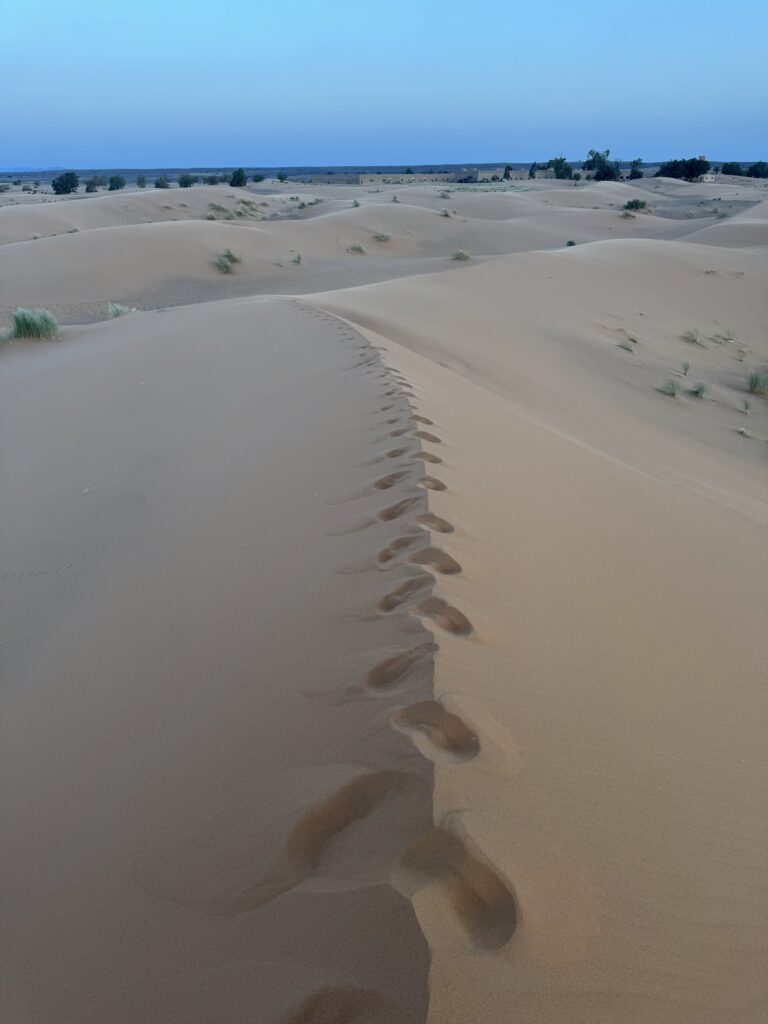
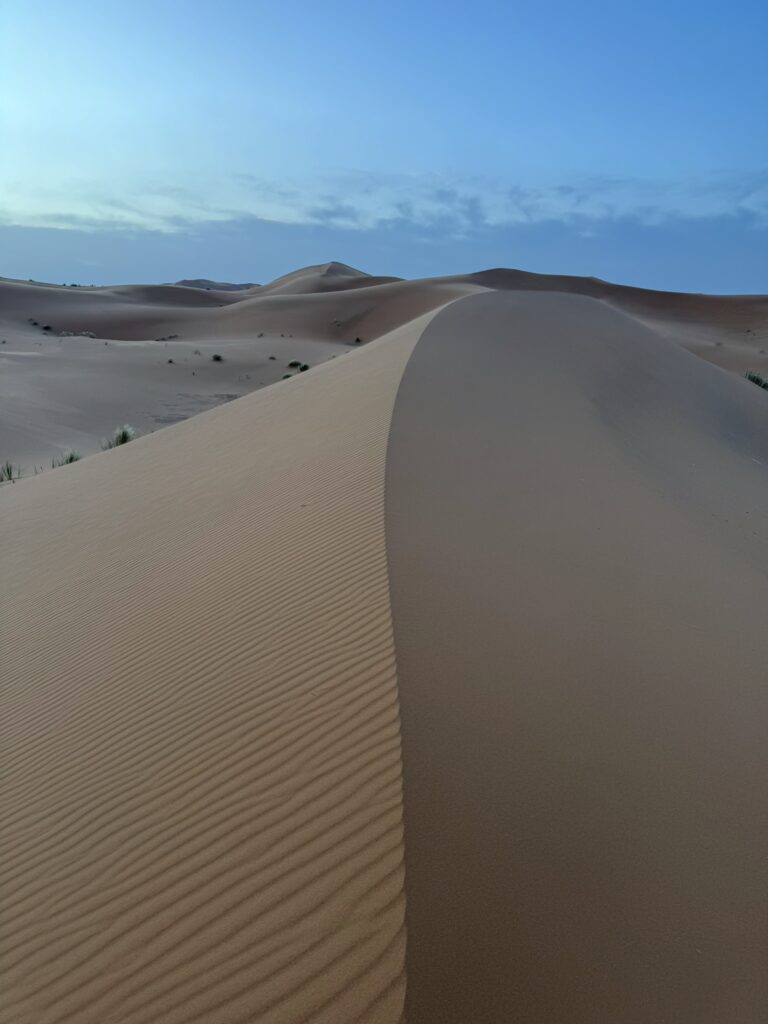
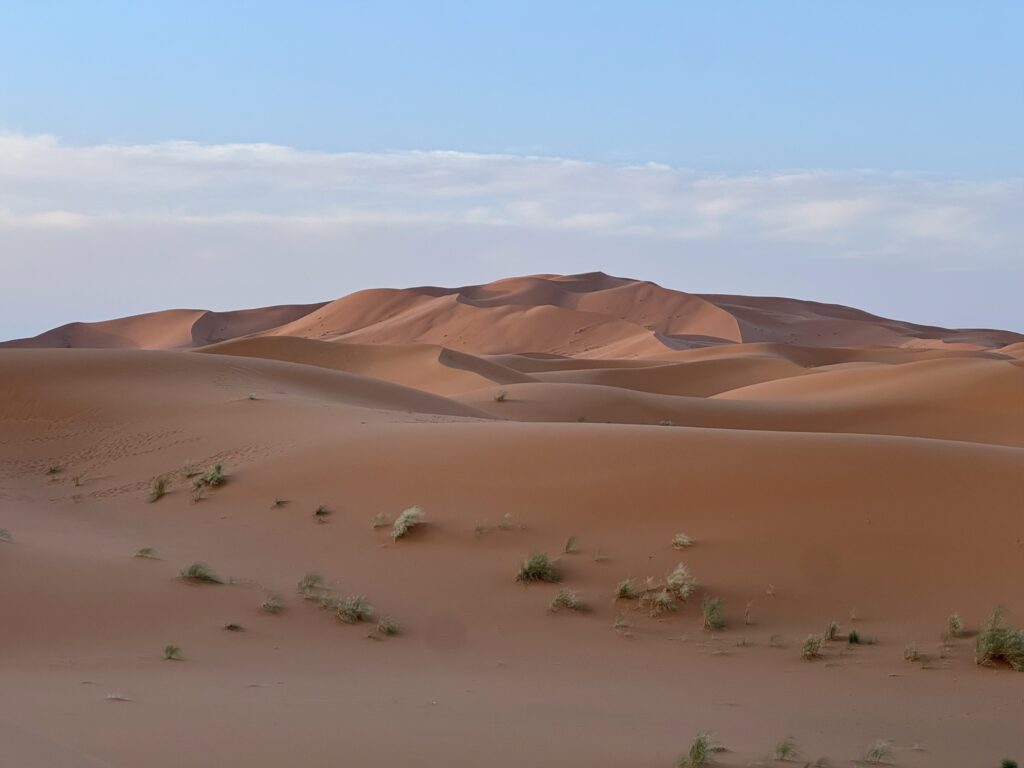
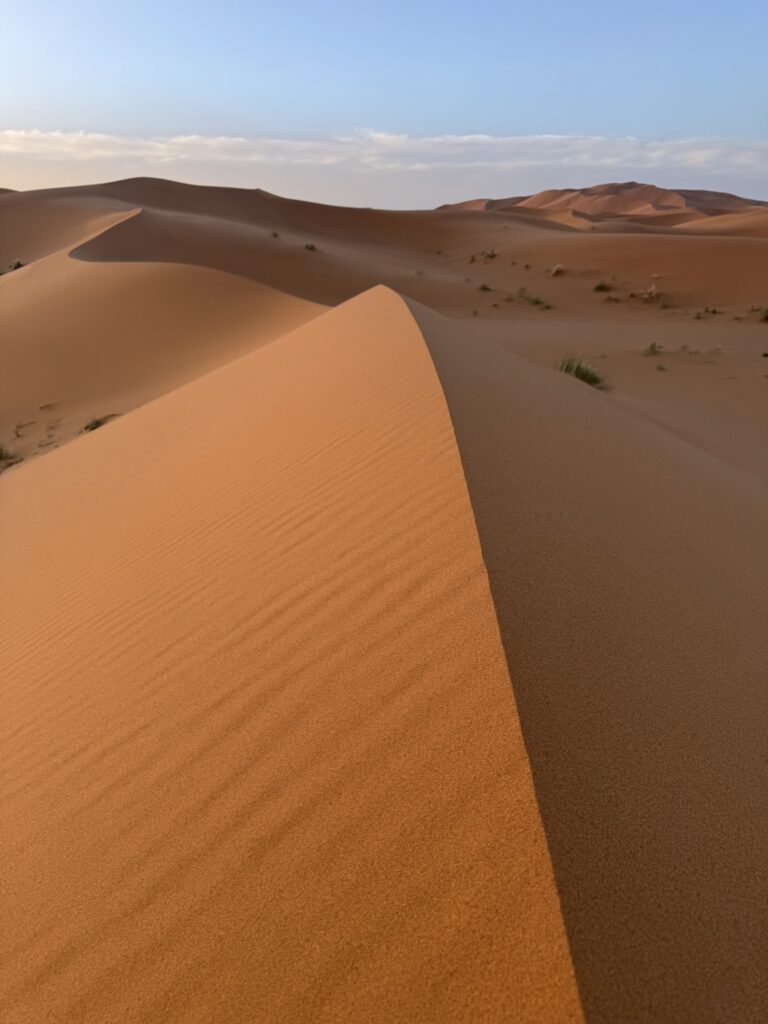
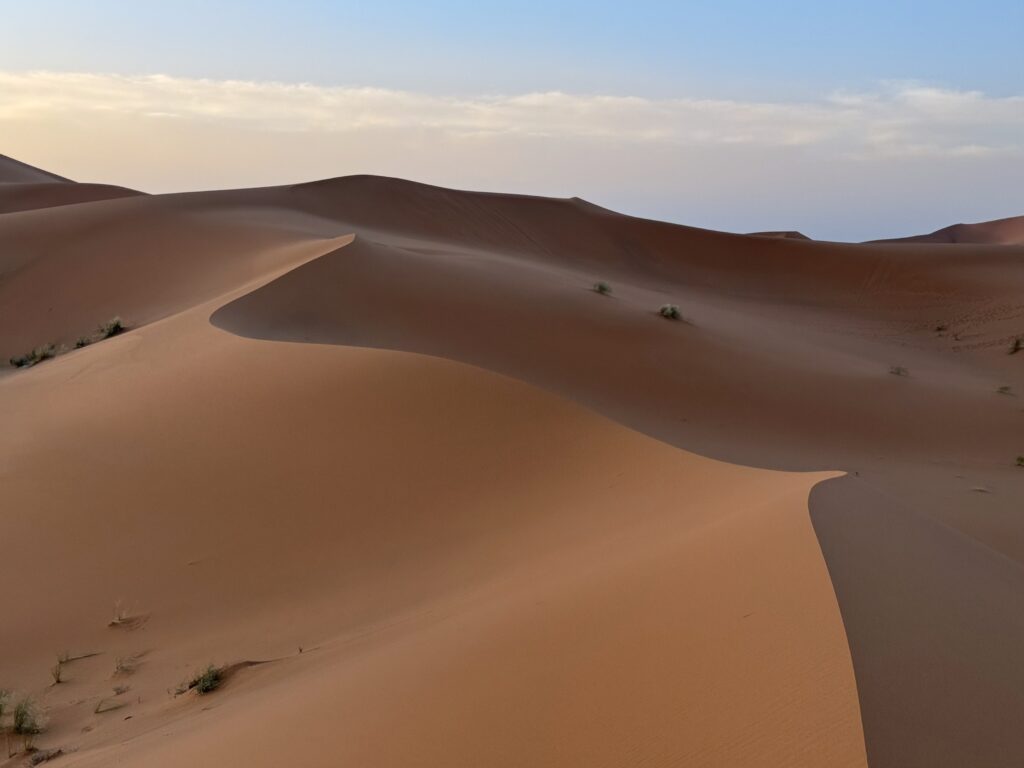
The colours start black before shifted to almost grey, before the sun creates the warm oranges and reds of the dunes. The contrast of the peak of each dune is so precise, and also so curved and fluid. I could have spent hours up there trying to capture a new day.
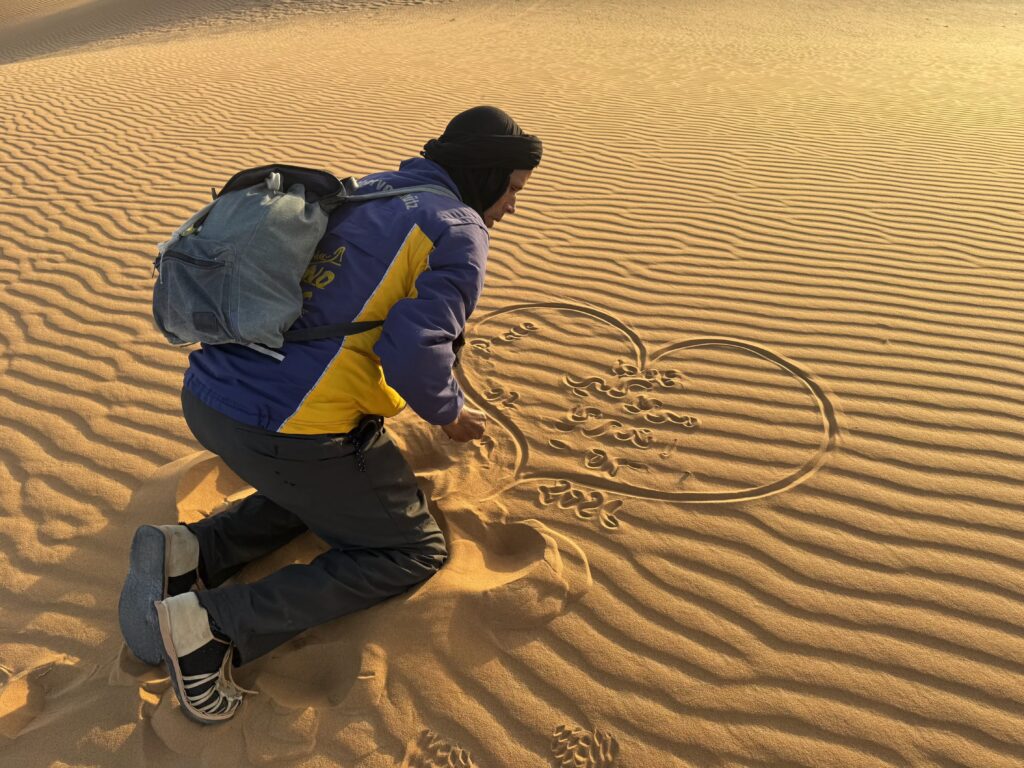
I even managed to make a friend along the way who captured our names in a loveheart before desperately trying to sell me a camel. 3 cheers for our biosecurity regulations again!
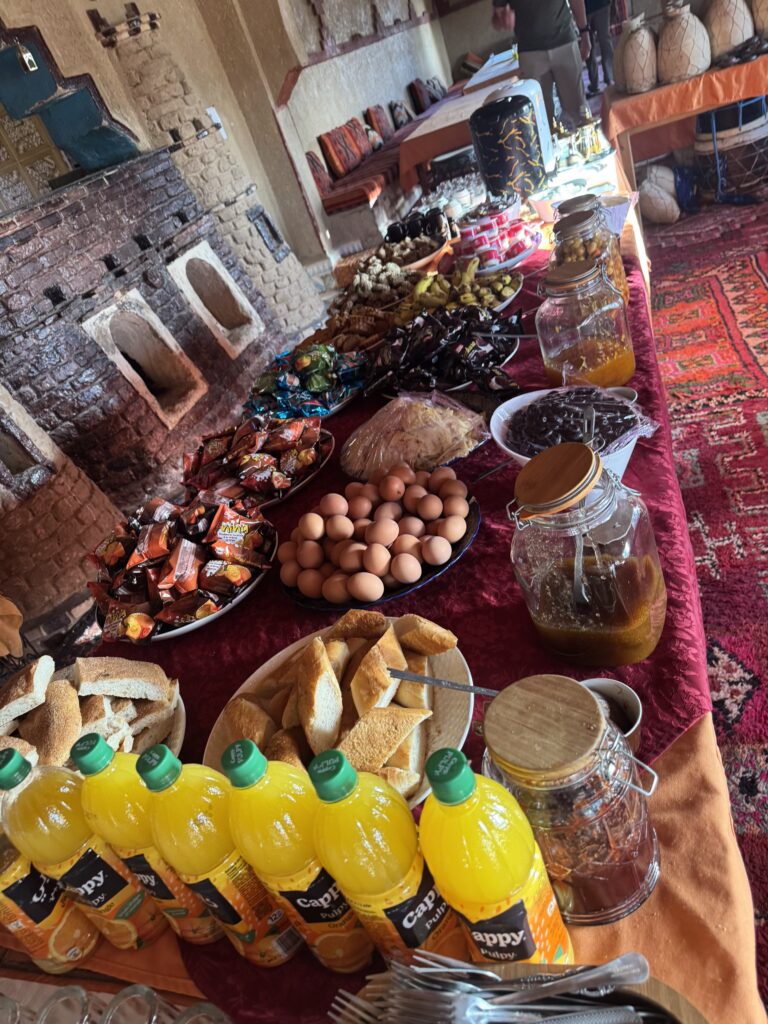
Instead, breakfast called. This hotel definitely takes the cake (and bread, pancakes, salads, jams, olives, juices… the list goes on!) for the biggest spread in a remote location I’ve ever seen. We’re continuing to favour the local options over the Western for every meal, it’s one of our favourite parts of travel.
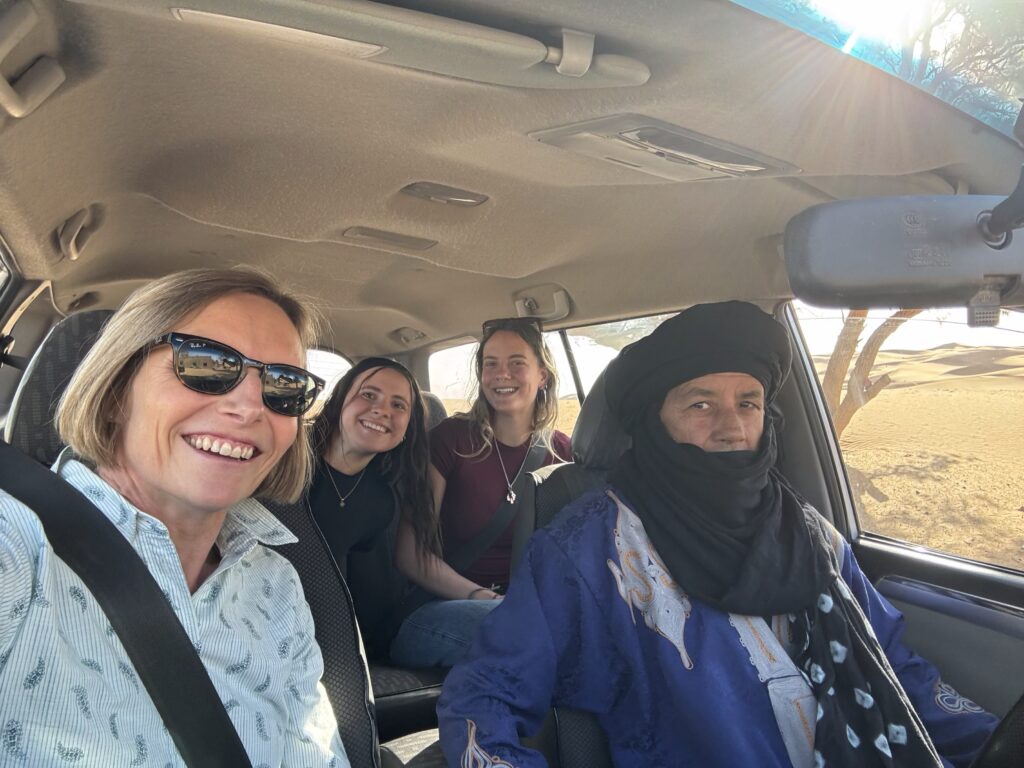
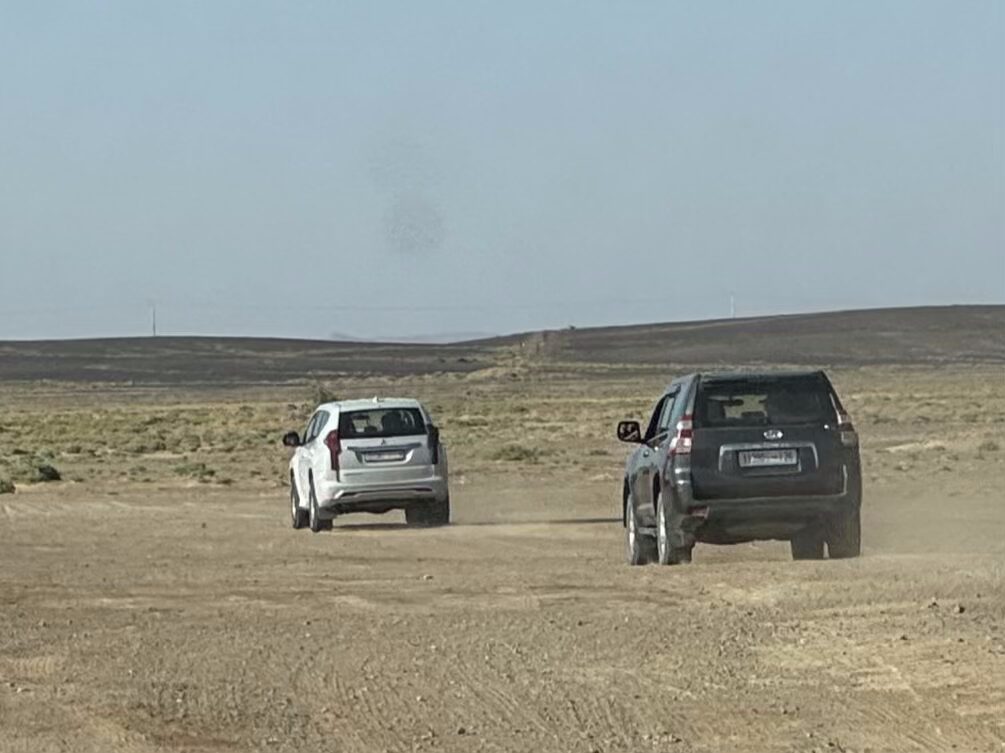
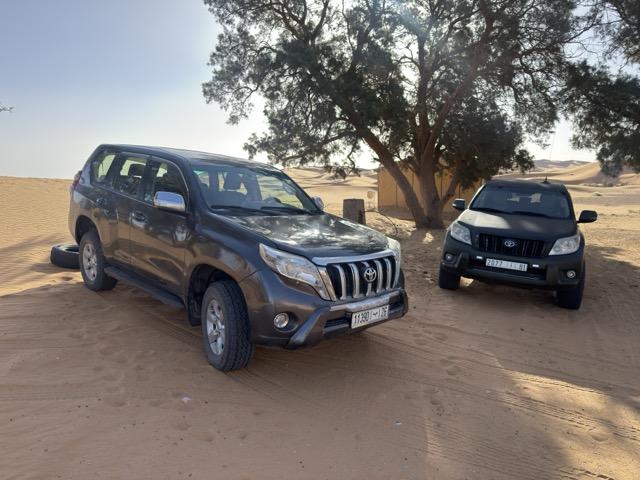
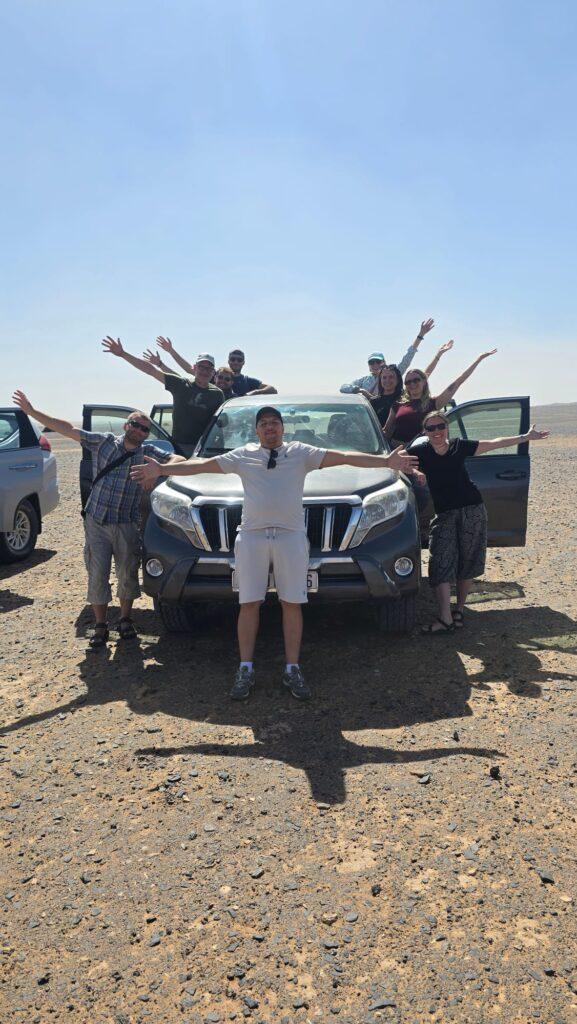
A Landcruiser Safari was highly recommended and took some careful consideration of the environmental impact. In the end, we established that the dunes don’t erode like our beaches and there is a significant positive impact for the region and its people. Andrew joined George & Daniel from Scotland to see how the Toyota performed while I ended up sharing the car with a couple of girls from Brisbane who are on our tour, Allie and Katelyn. Both are making the most of the opportunity to live and work in London and travel as much as possible. Our driver added the tunes and we were off!
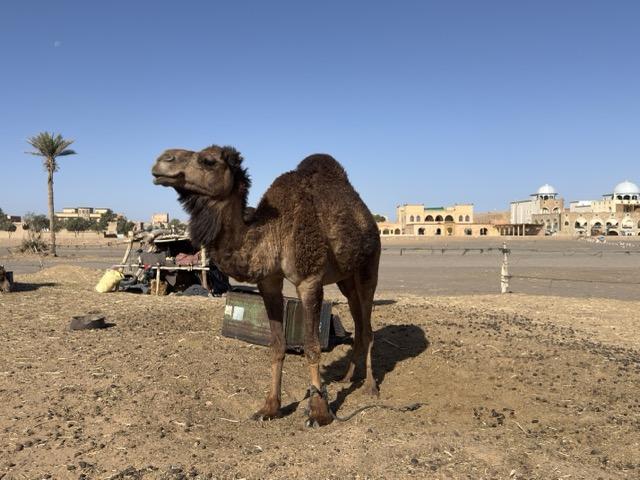
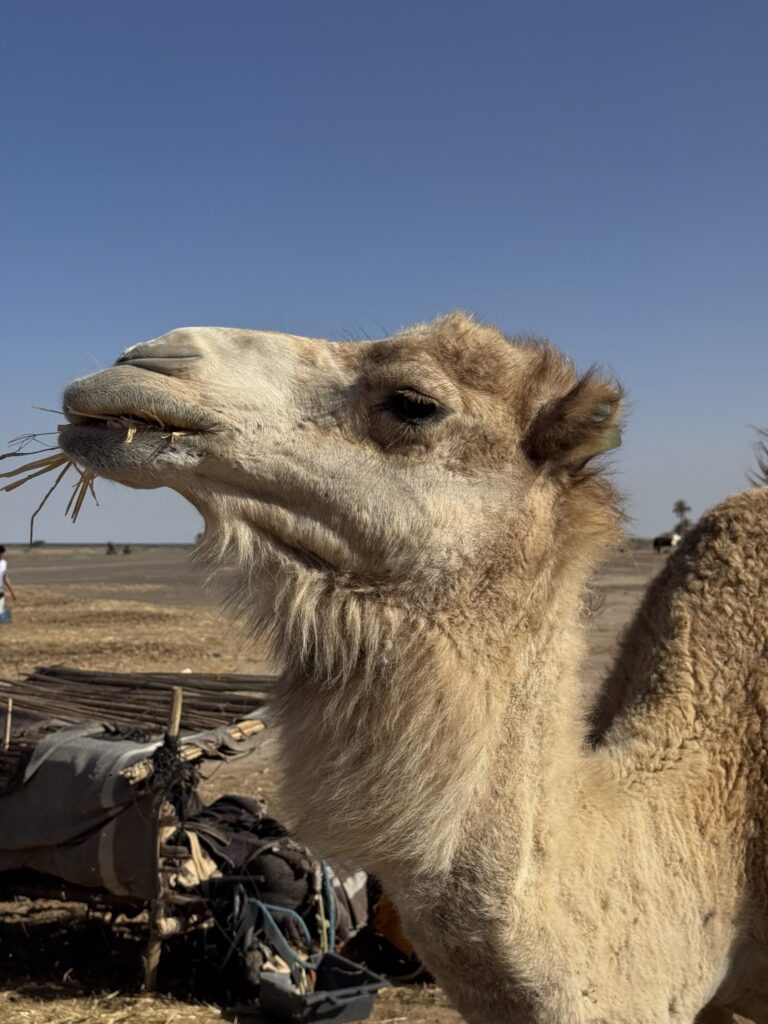
First stop, a small community where each family has a pen for their camels and a plot in a small oasis. All the camels are male, as the females don’t work and would create conflict between the males if they were in the group. The camels drink about 65 litres of water A DAY, have a max speed of 35km/hour, and the community doesn’t race them. They still look suspicious… maybe it’s the double-eyelid thing.
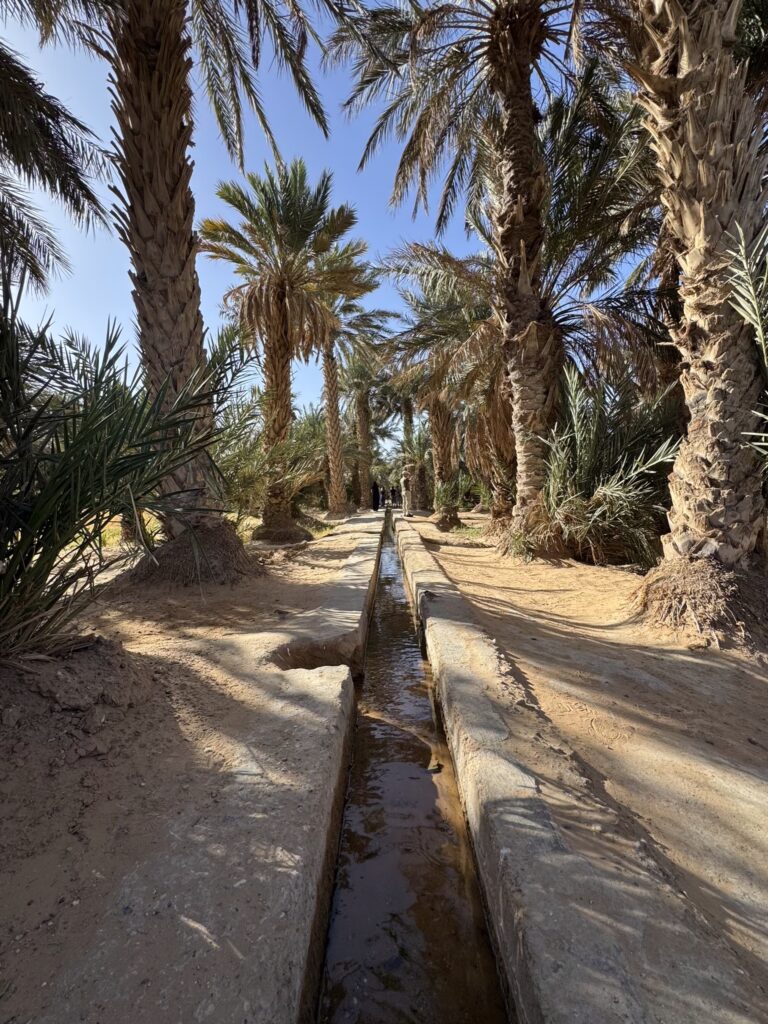
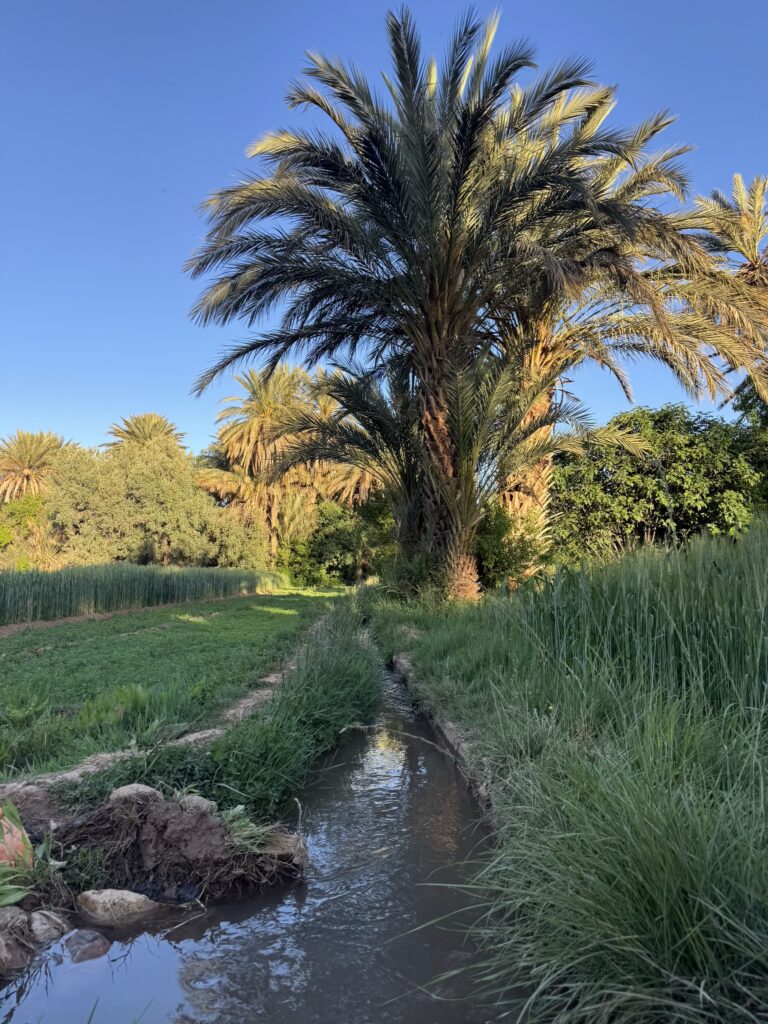
Water is sourced through hundreds of wells dotted along the landscape at about 5 metre intervals, and we watched locals fill bottles from the ground for drinking. Nearby, the stream continued to the oasis farming area, where each family had a plot growing crops such as alfalfa, onion and almond. A network of little dams are opened and closed to supply water to all corners, controlled by a (very!) trusted person.
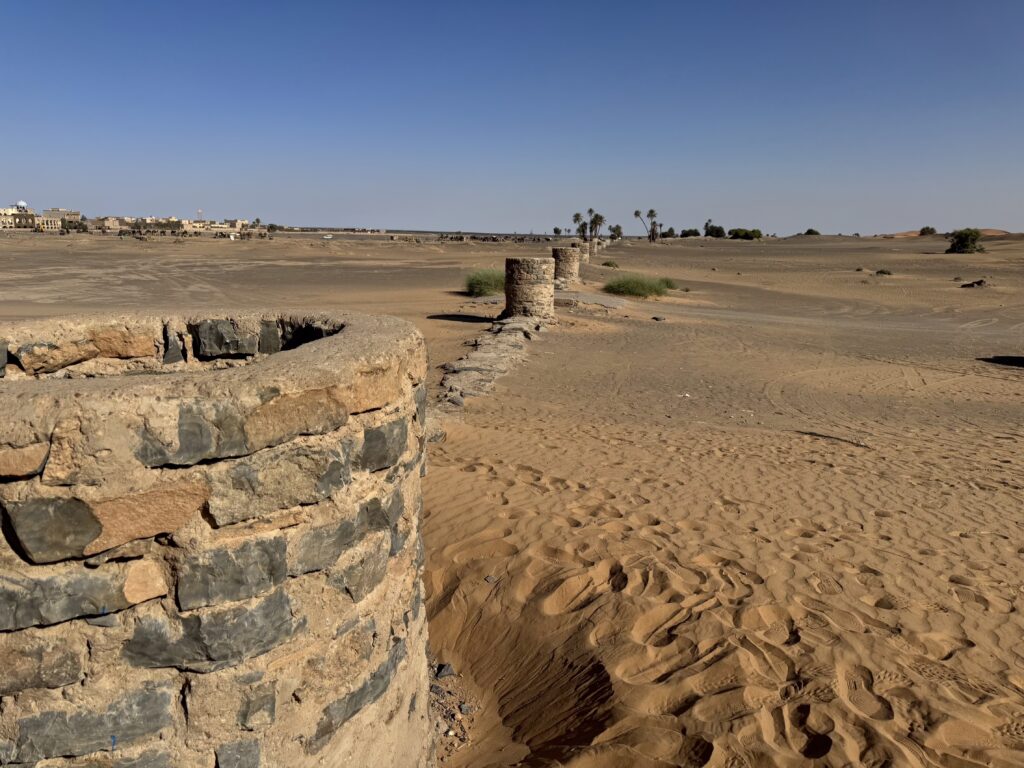
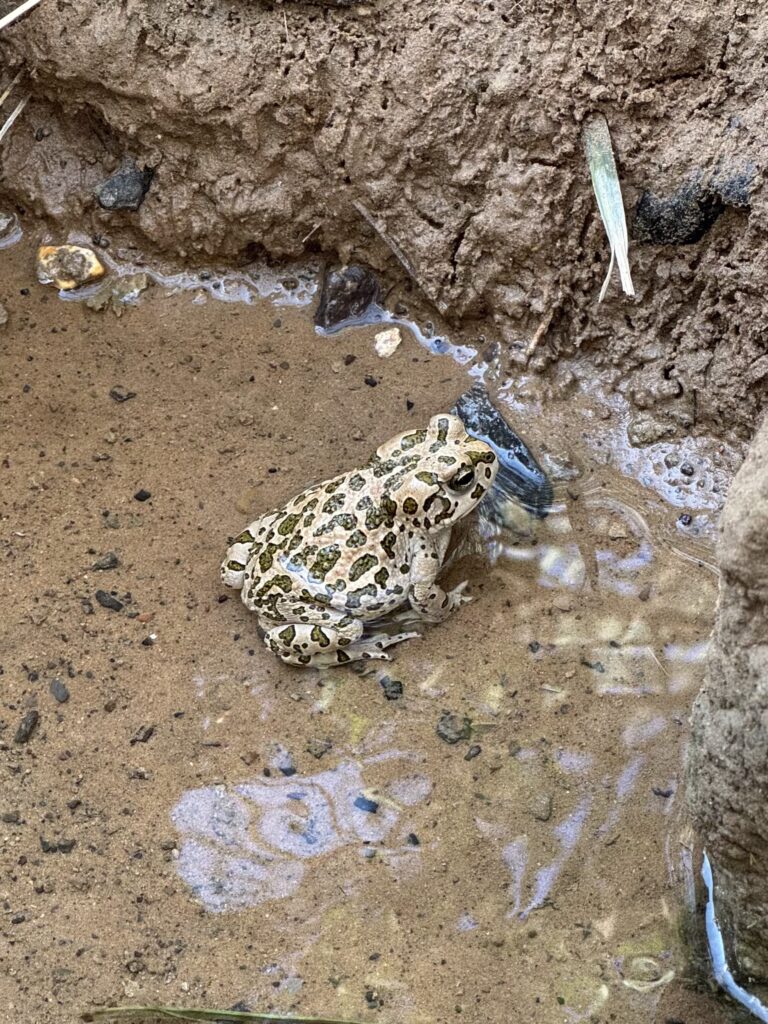
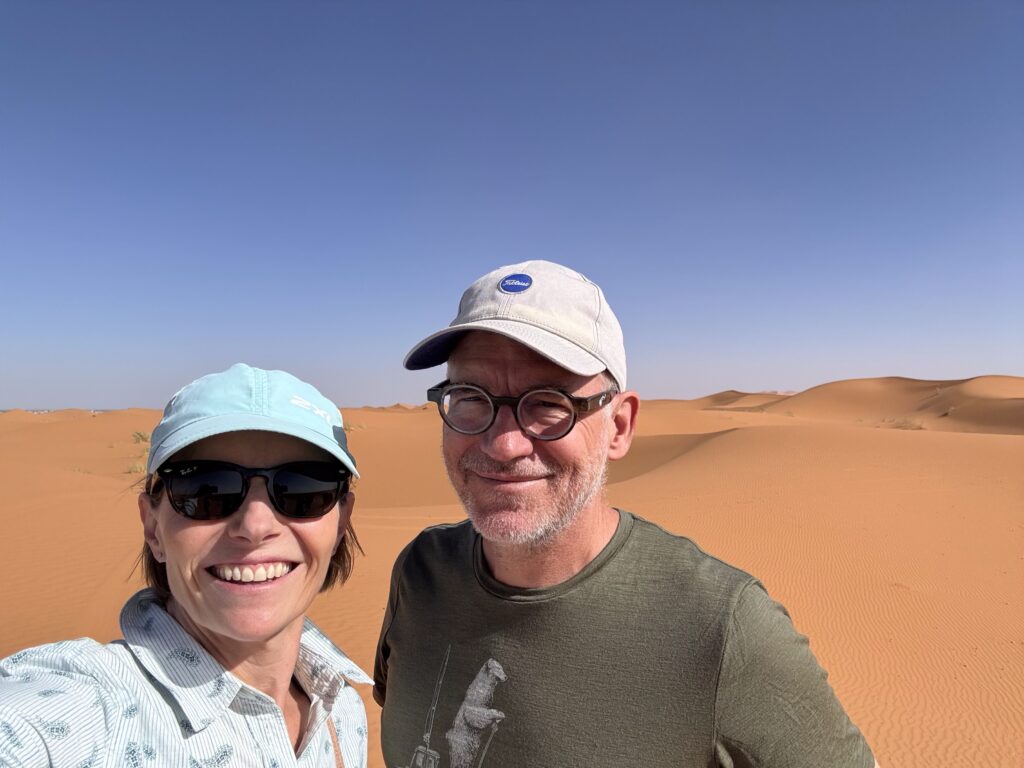
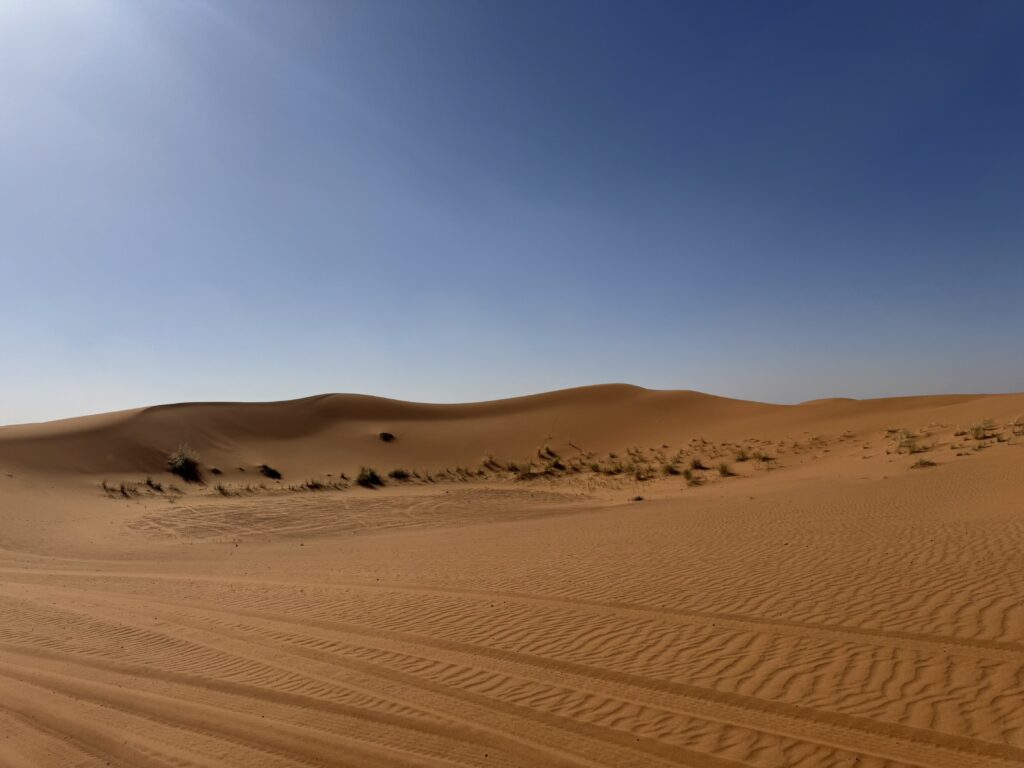
It’s surreal to be in the middle of the Erg Chebbi dunes. You could be forgived for thinking you’re in the middle of a movie set that’s been painted around us.
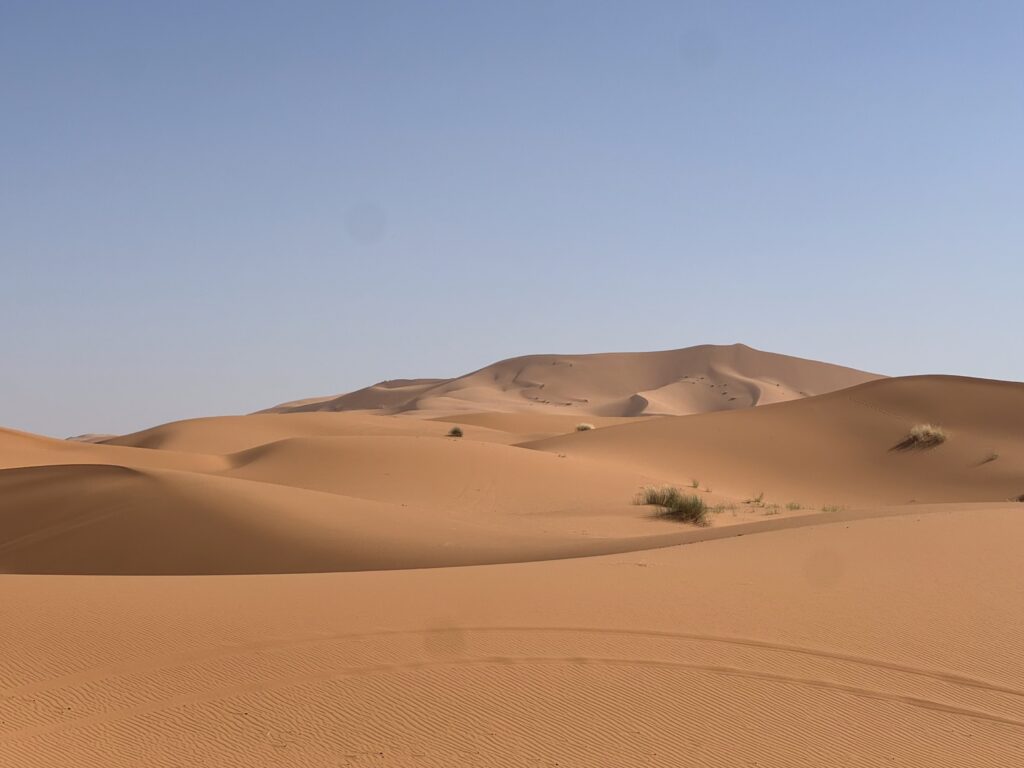
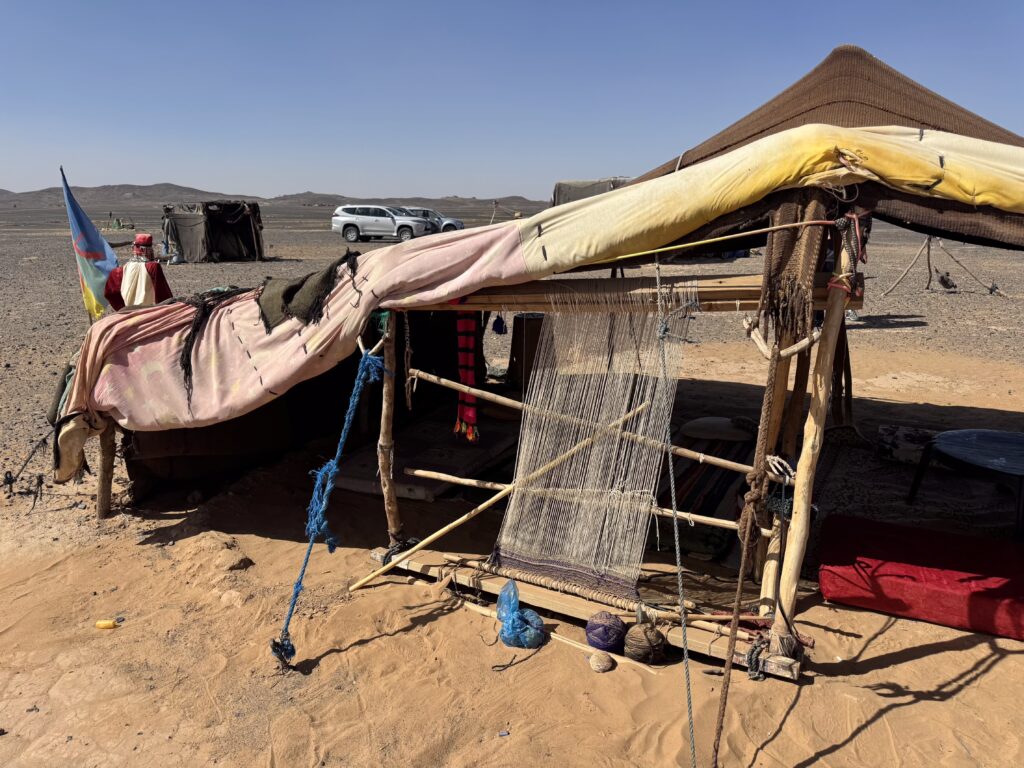
We headed out to see one of the nearby Berber Bedouin camps that had housed 18 families for about 3 years. The area is rocky and desolate however the site is always selected due to proximity to a well. All movement depends on water.
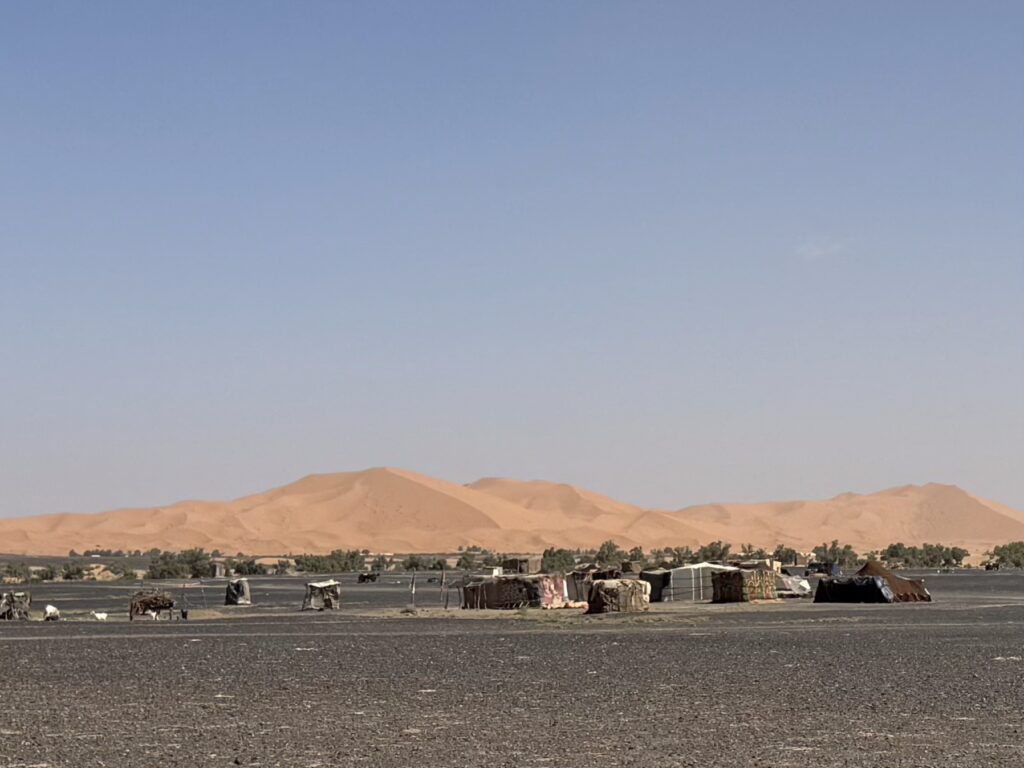
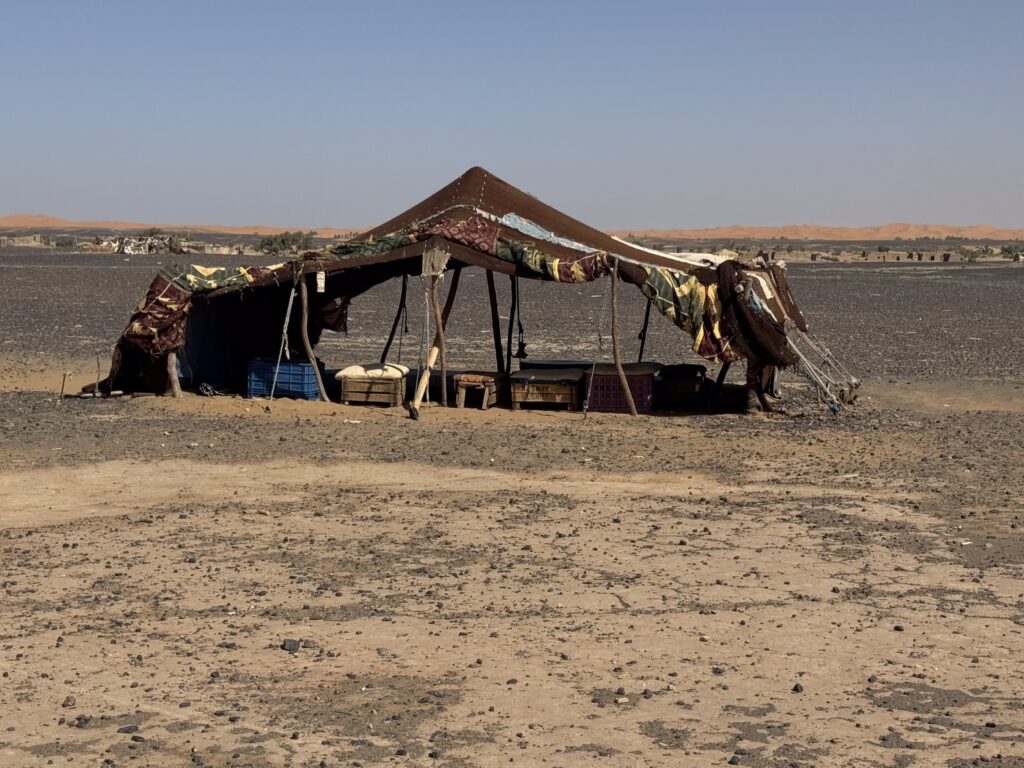
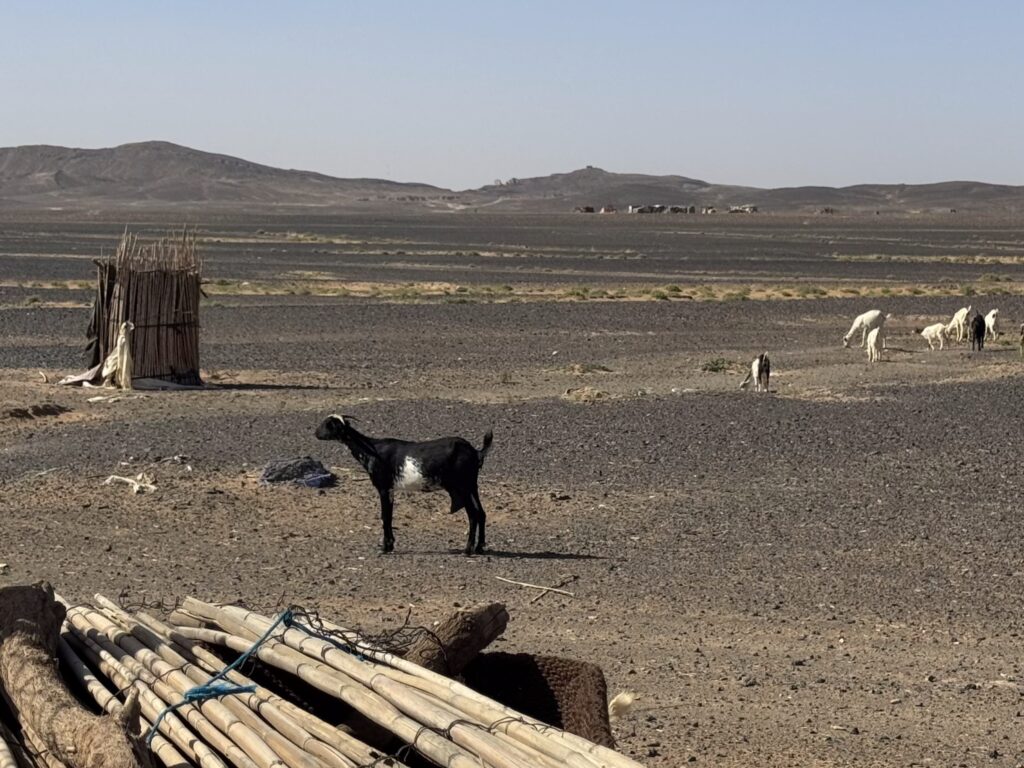
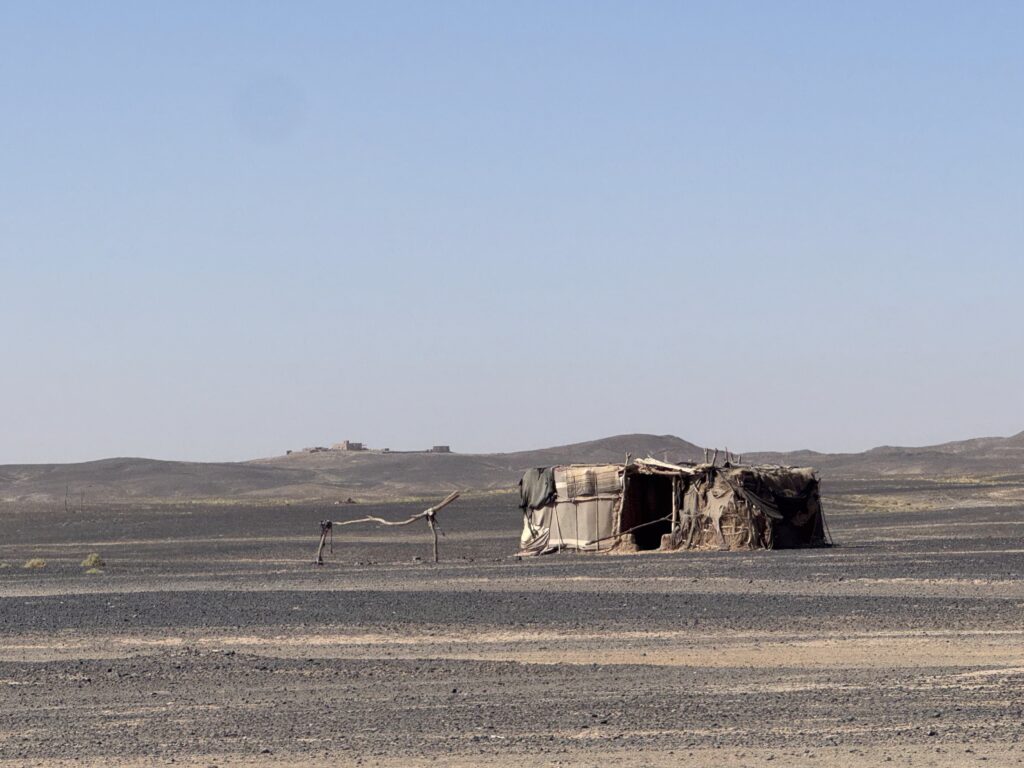
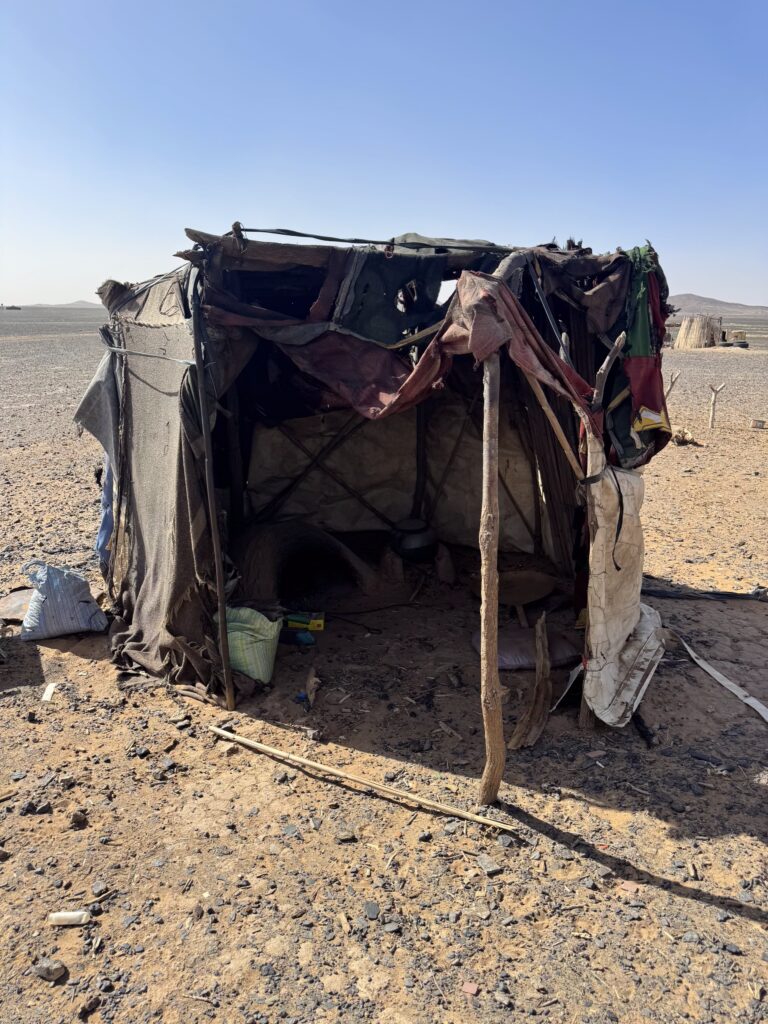
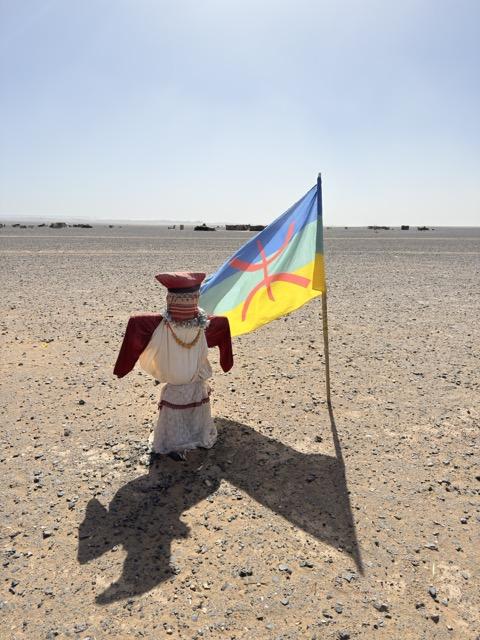
The Berbers are an ethnic group, while Bedouin relates to the nomadic lifestyle they lead. The Berber flag is flown outside all of the family camps, with the stripes representing the sky, oasis, and the desert, and the red symbol representing the blood of free man.
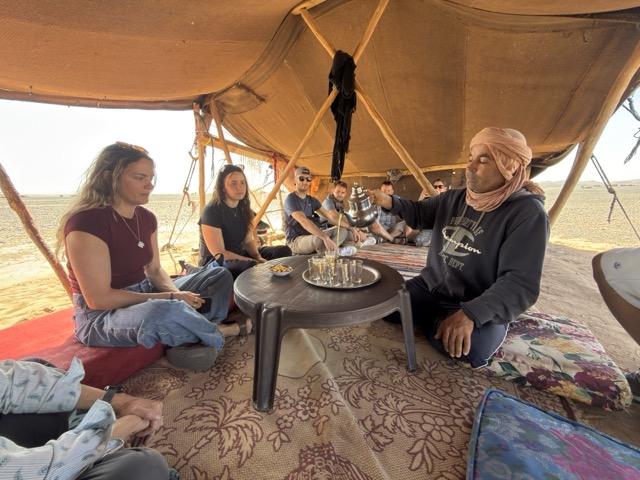
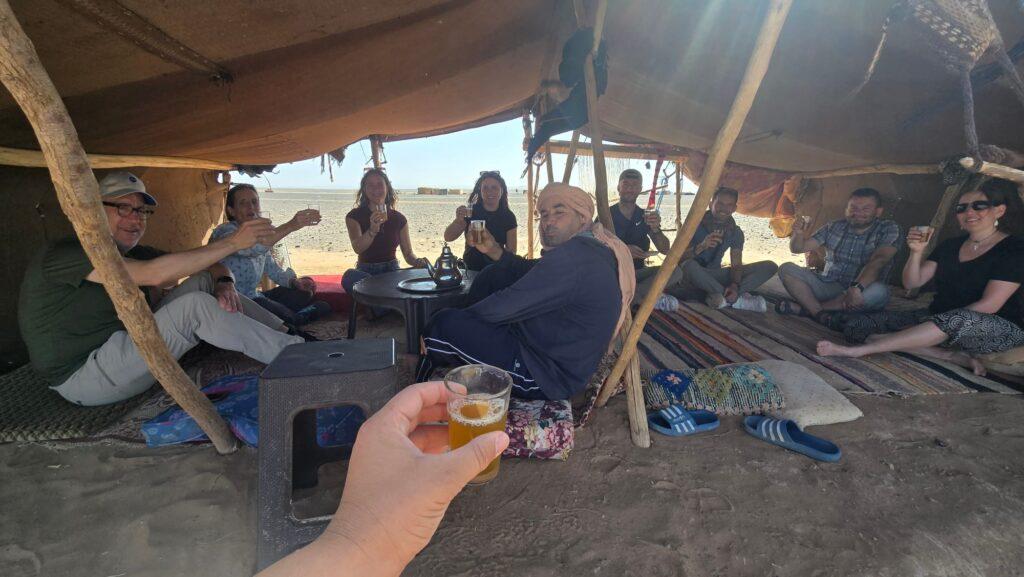
We sat and had tea with the head of one of the families. He shared information about his family structure – 2 wives, one in town with the children at school, and one in the camp with younger children. The women spend their days cleaning and making handcrafts such as carpet. It’s an 8km walk to town and a 16km drive and I can’t quite get my head around how they know which direction to head – even 1 degree out could land you somewhere completely different.
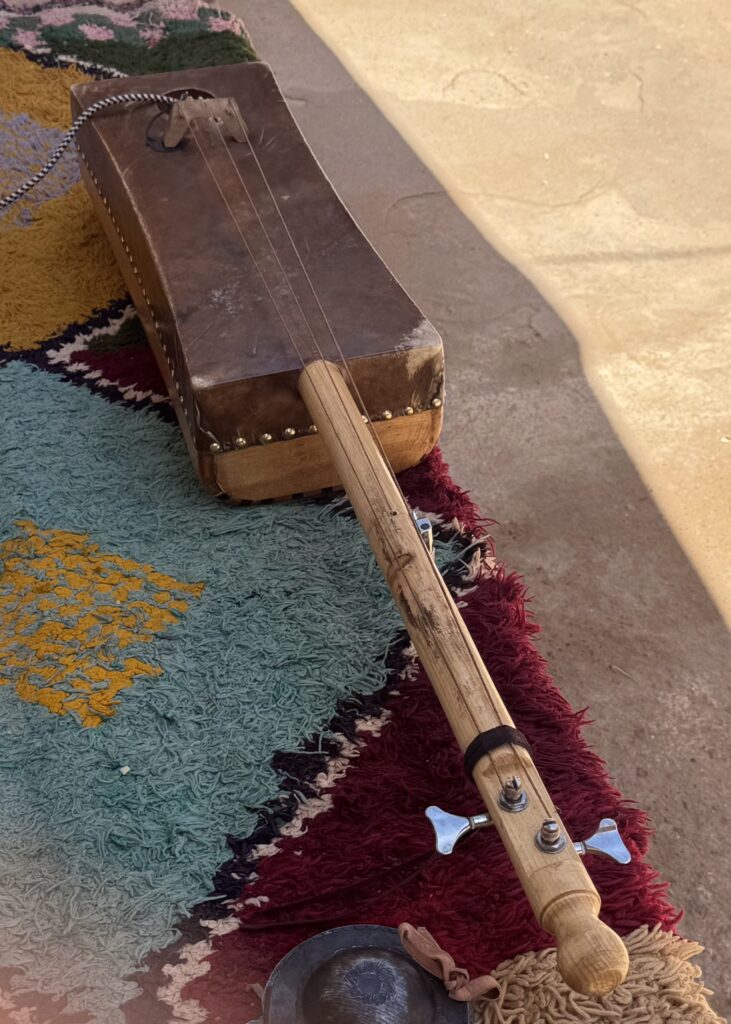
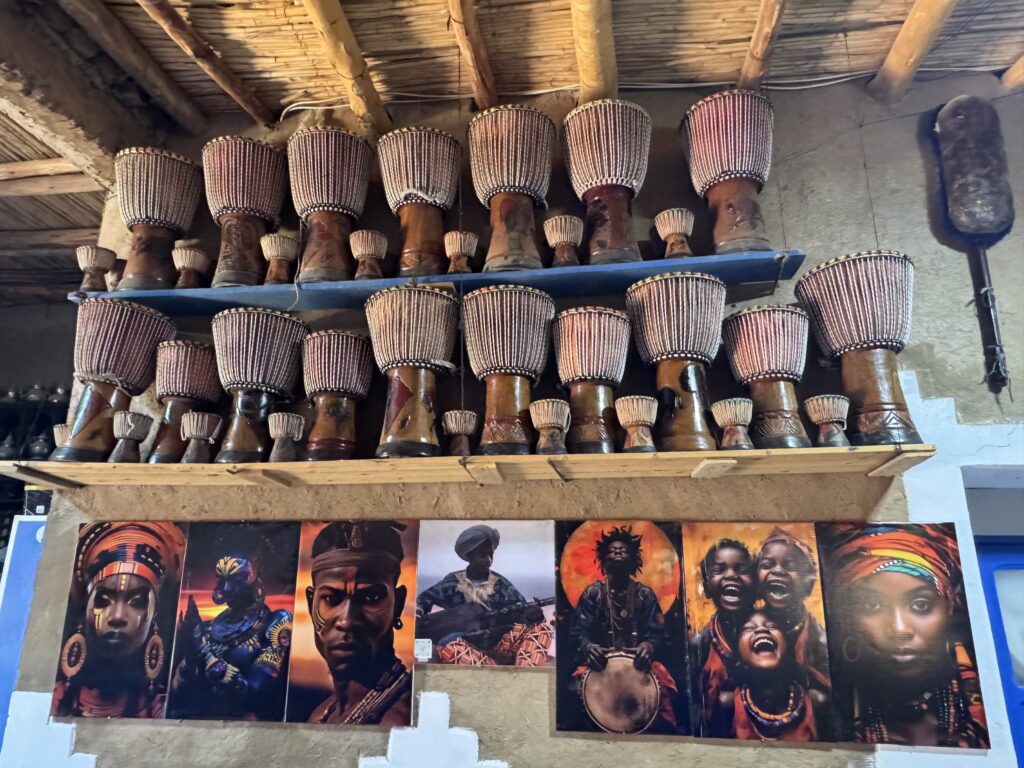
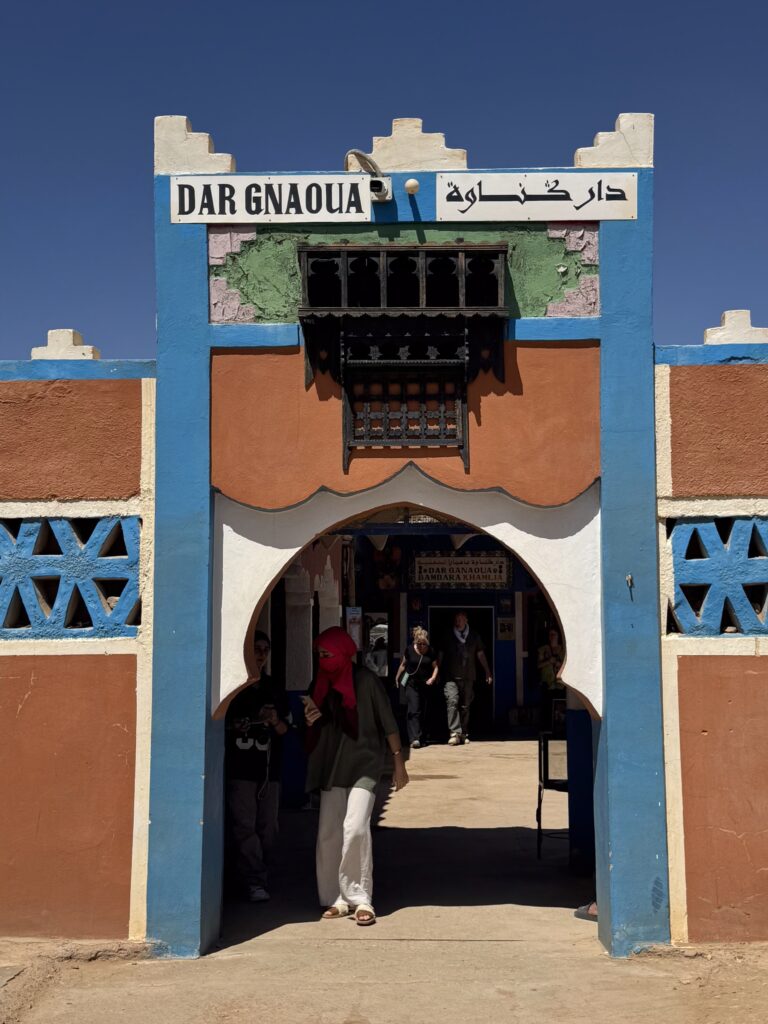
Final stop for the Land Cruiser tour was the House of Gnaoua for a musical performance. This group of people came to Morocco about 60-70 years ago from Senegal and Mali and brought their unique musical style. The lead ‘guitarist’ was an incredible 12 year old who played a 3 stringed lute known as a hajhouj or guembri, complete with amp. He was accompanied by the drums (ganga) and large metal castanets (qraqeb). Their ability to keep the rhythm for such a long time is incredible.
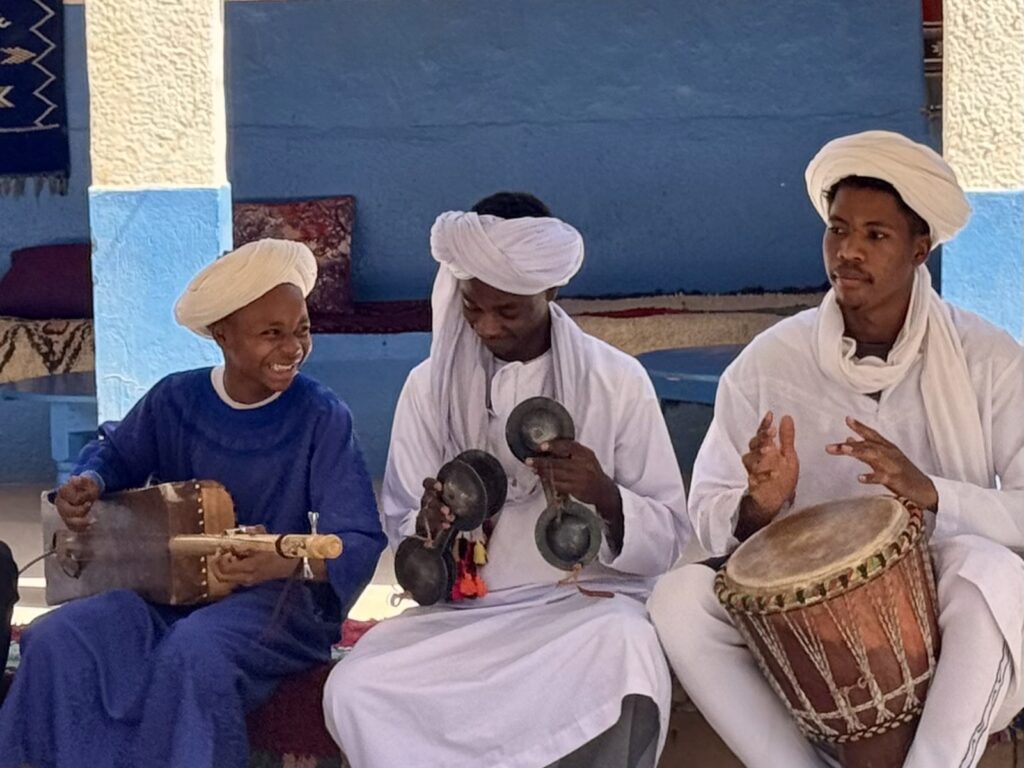
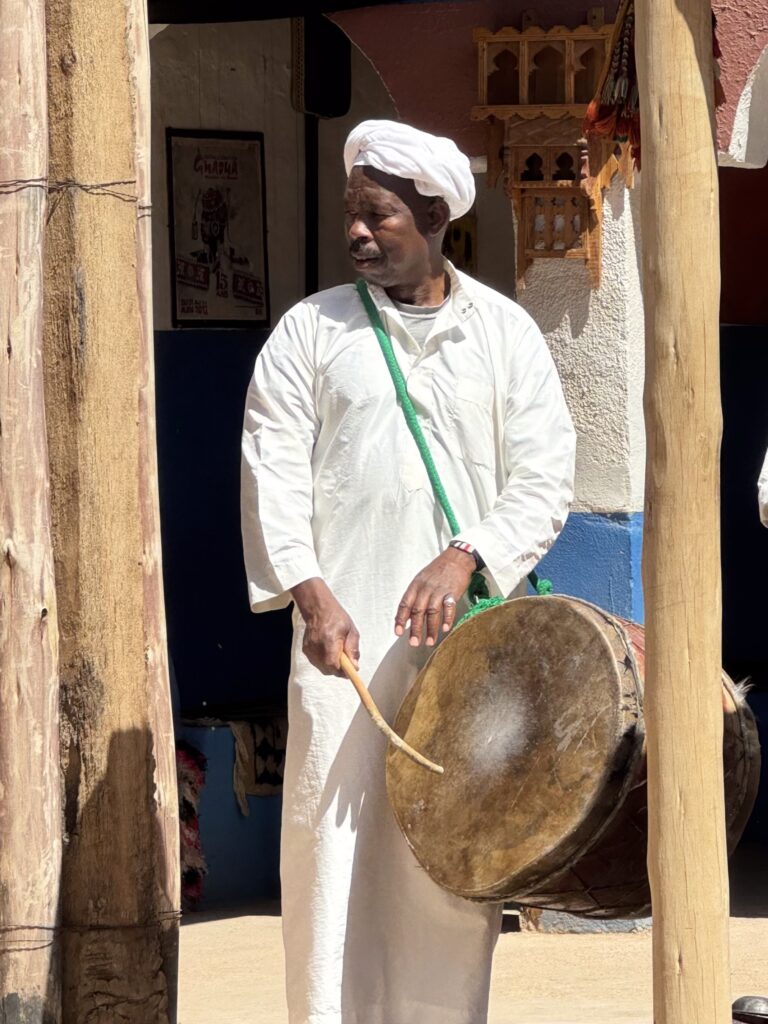
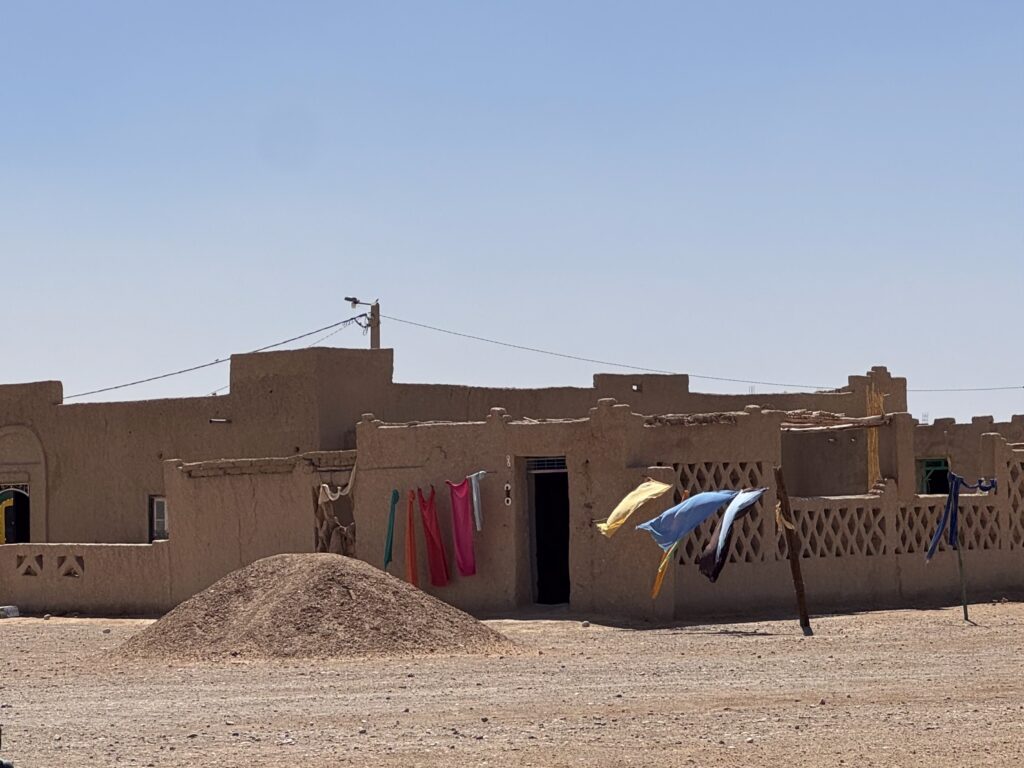
I’m equally intrigued by their ability to keep white clothing and linen, white. There was a washing line out the back of the hotel and we saw this one along the road with colours. The performers were pristine, and it makes no sense in this place where a red sand storm can whip up at any moment. How???
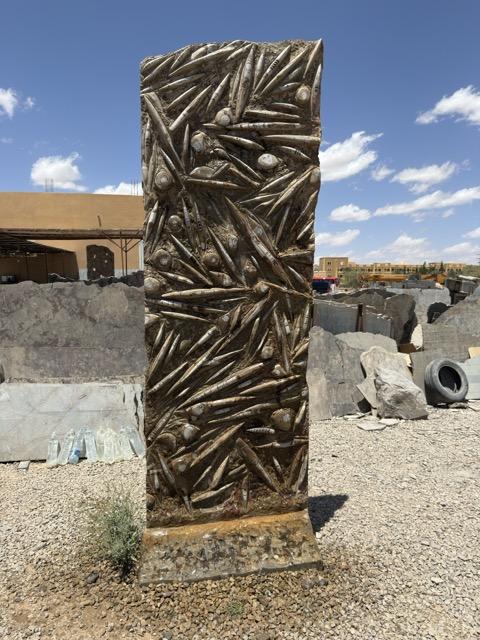
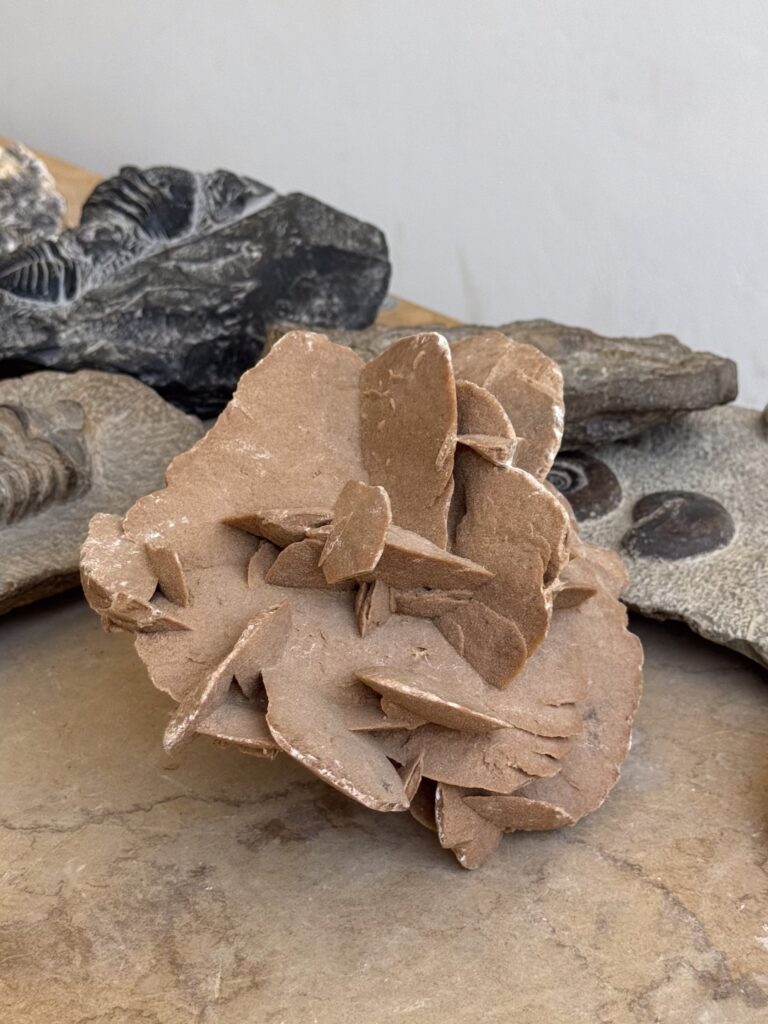
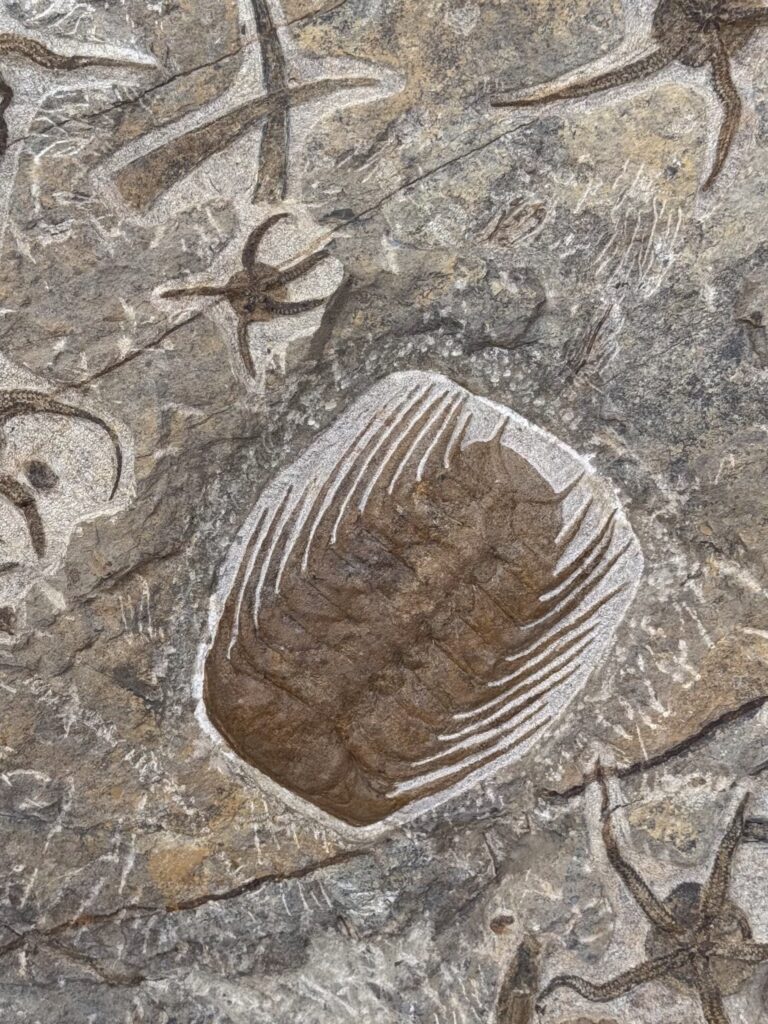
This land was once underwater, and apparently the area where the oldest aquatic dinosaur in the world was found. It’s an archaeologists dream with so much 360,000,000 year old fossilised aquatic life lying on or near the surface – squid and amonite with copper and lead in the rock around it. It’s a money making opportunity for the locals who take the time to carve and polish the fossils they find for sale. Considering the issues we’ve had protecting our indigenous heritage in Australia, I wonder whether there will come a time when this practice is restricted, or taken over by a large commercial operator.
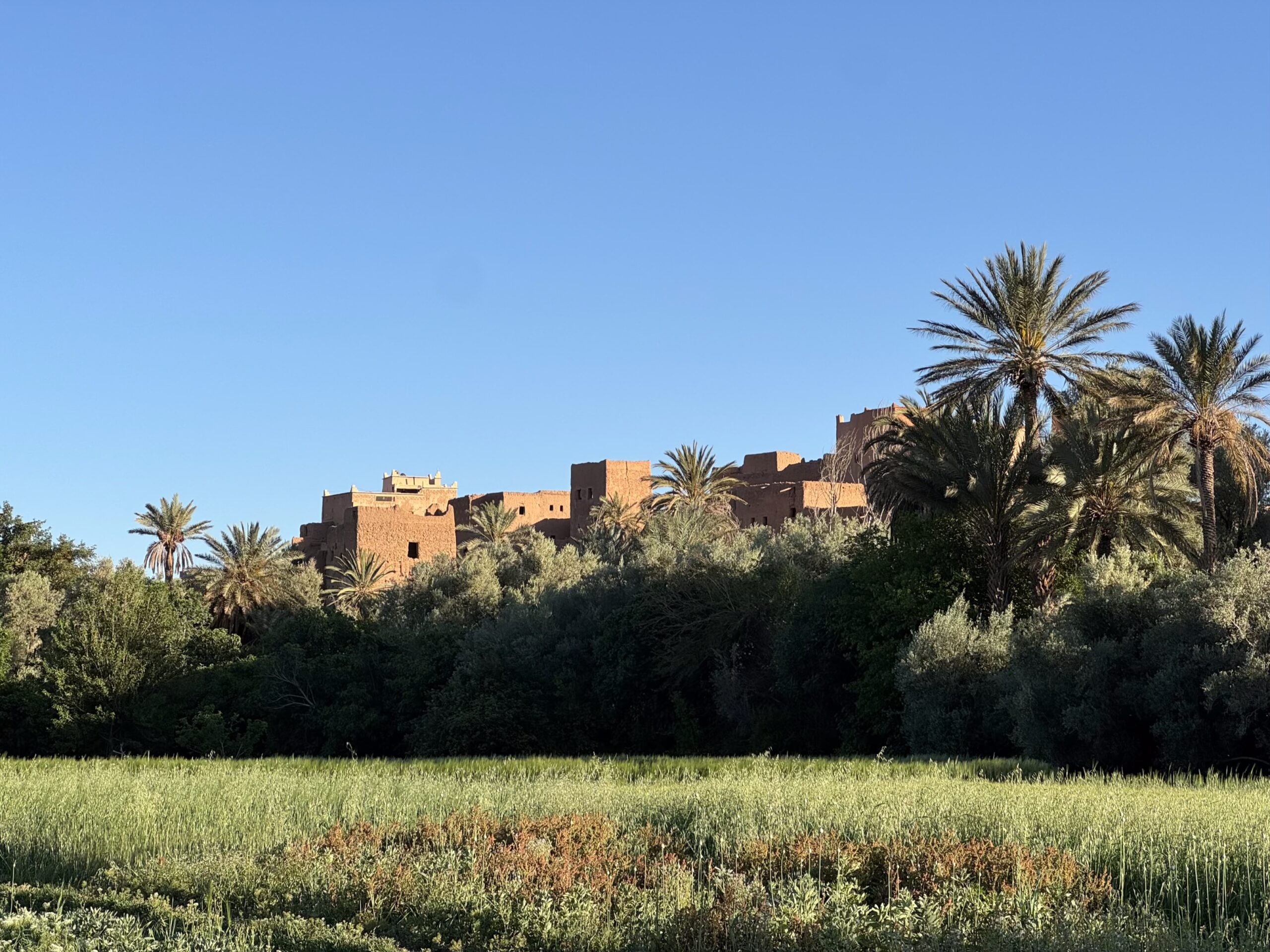
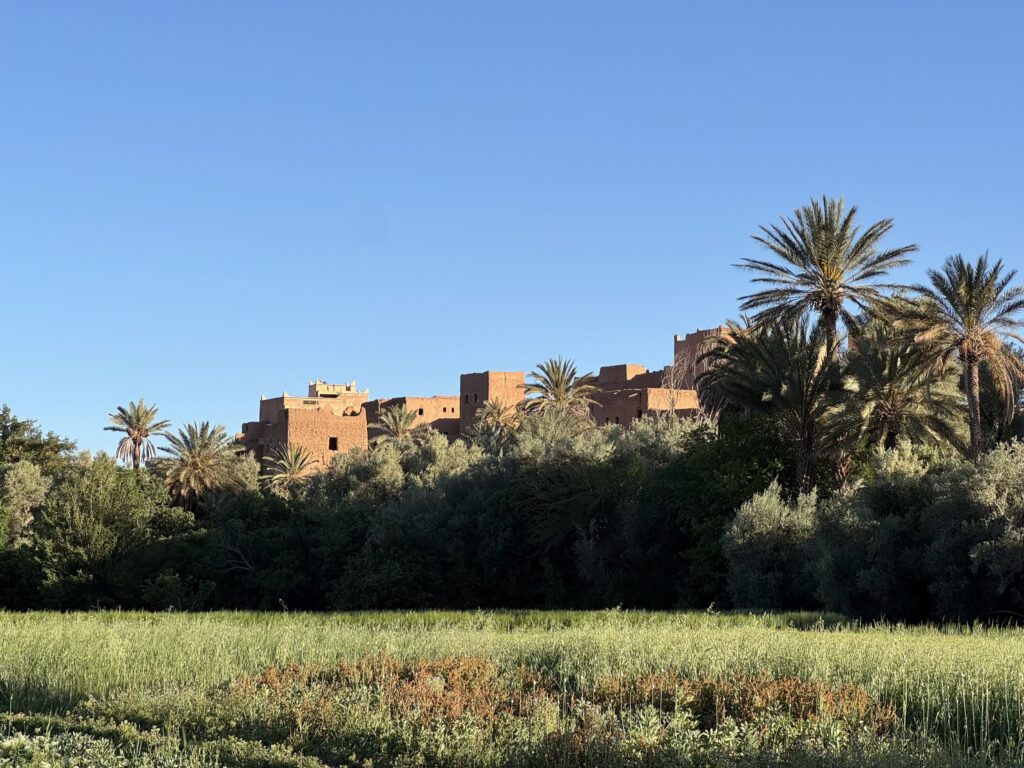
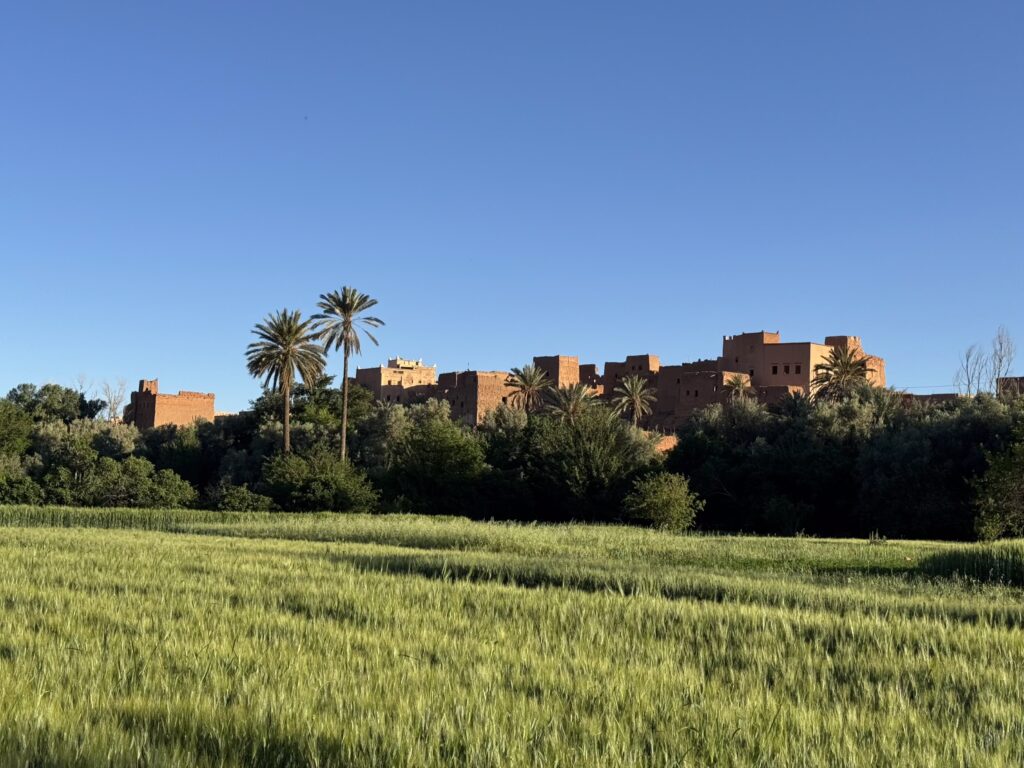
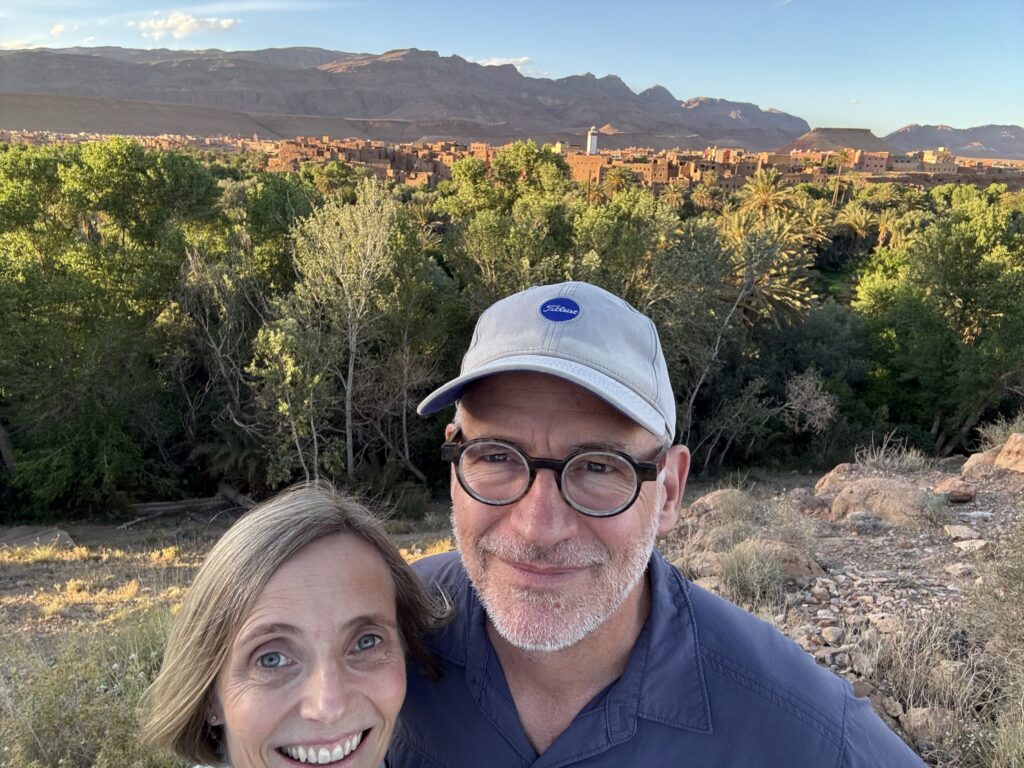
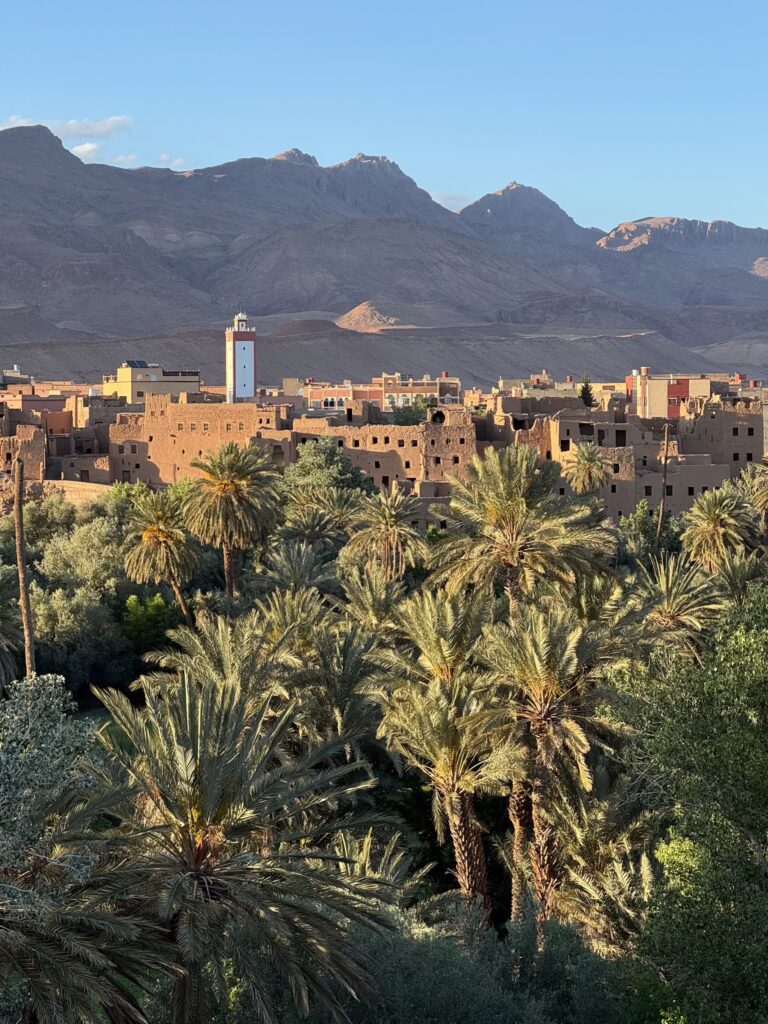
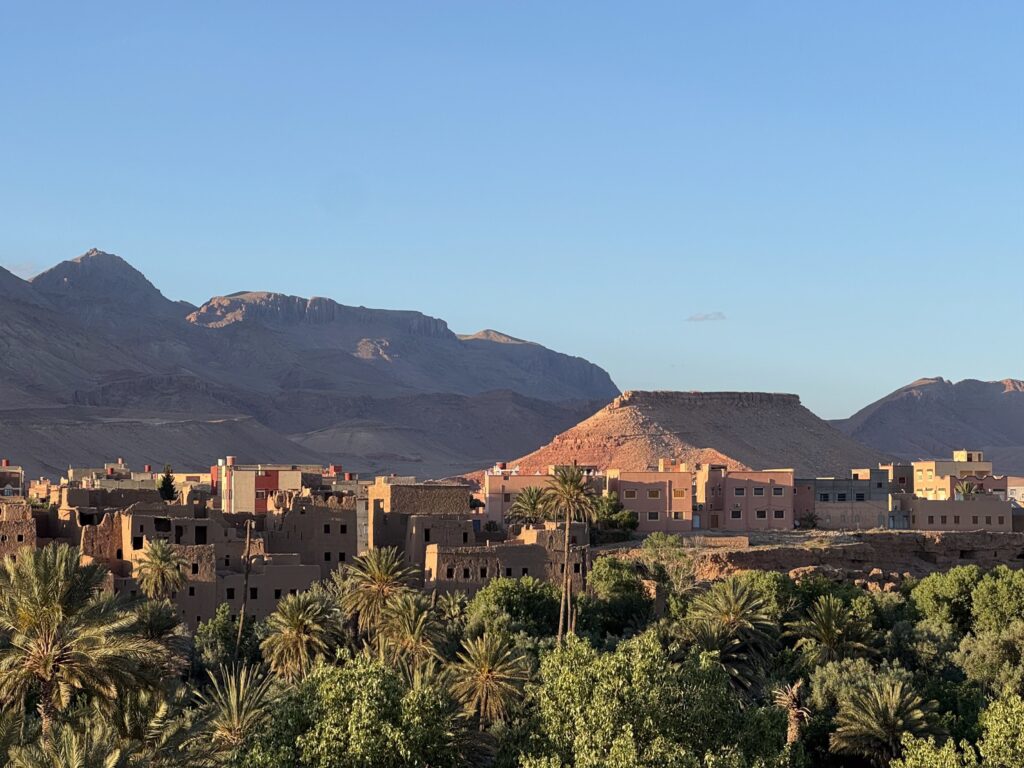
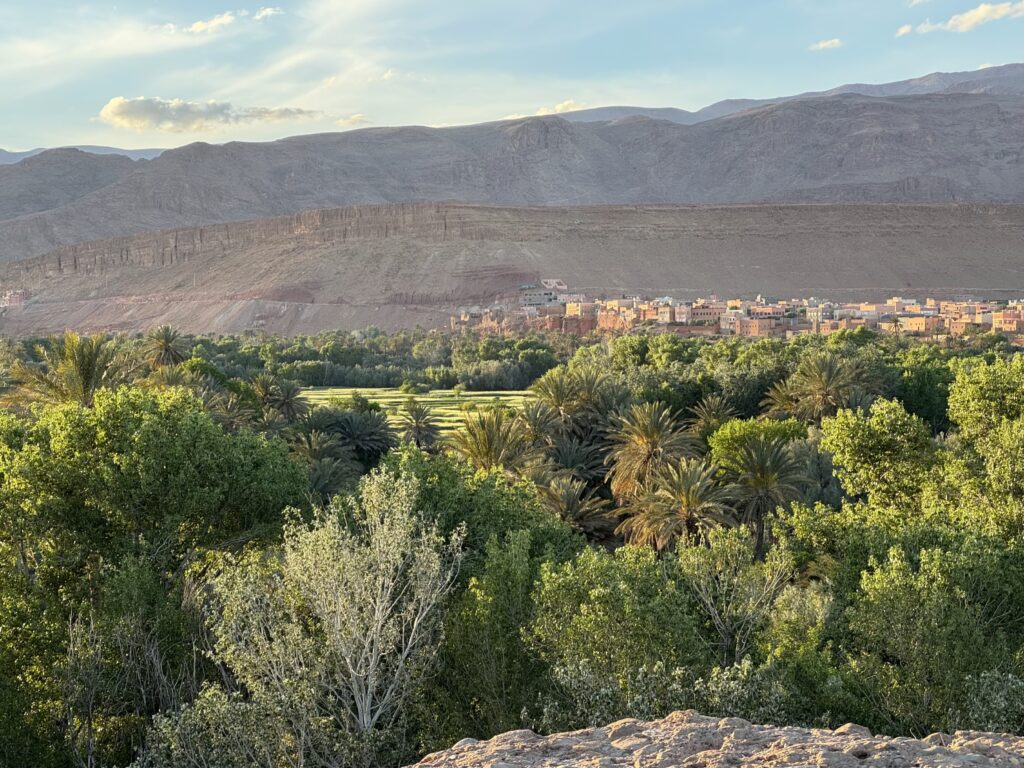
We walked through the oasis in the Toudgha El Oulia region in the late afternoon light. The oasis is so serene with flat plots with the water channelled through them that grow food for people and livestock. Palm, olive, pomegranate and almond trees rise up to the local houses. This particular oasis was a couple of kilometres long, and we’ve seen others that are about 150km long.
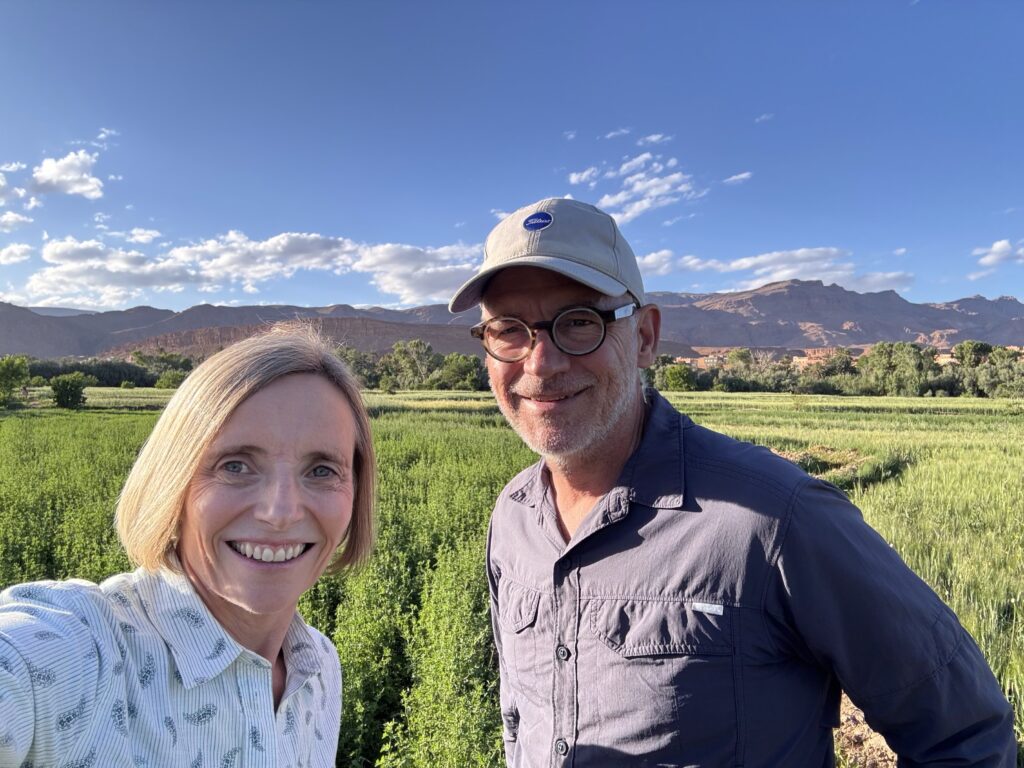
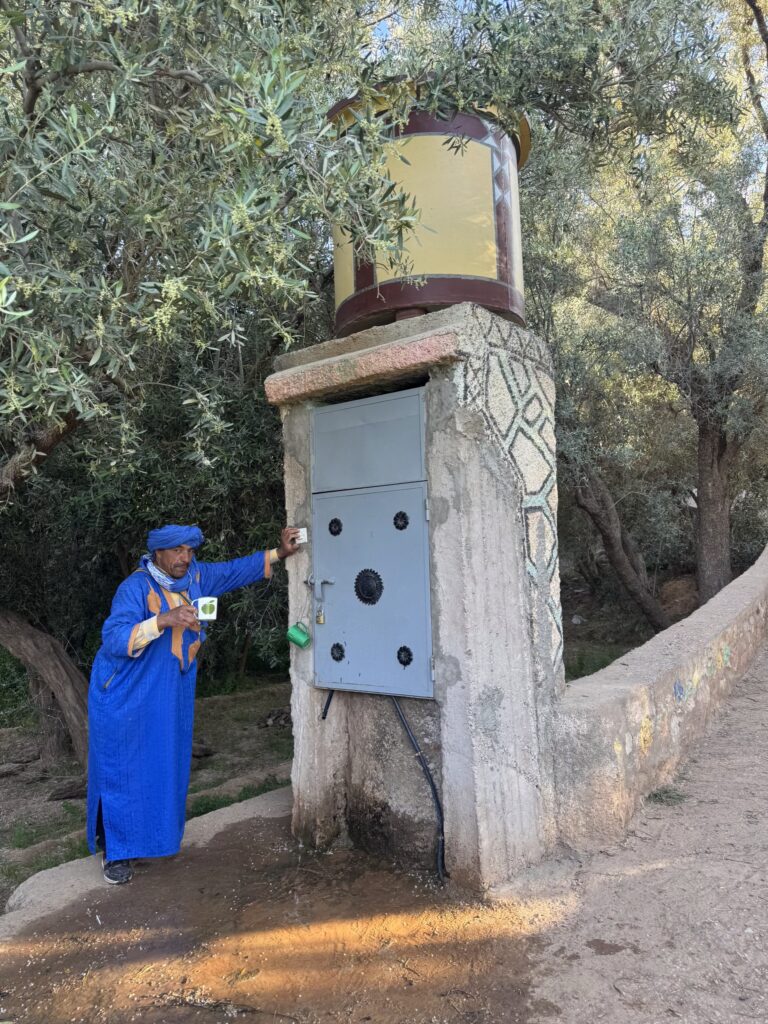
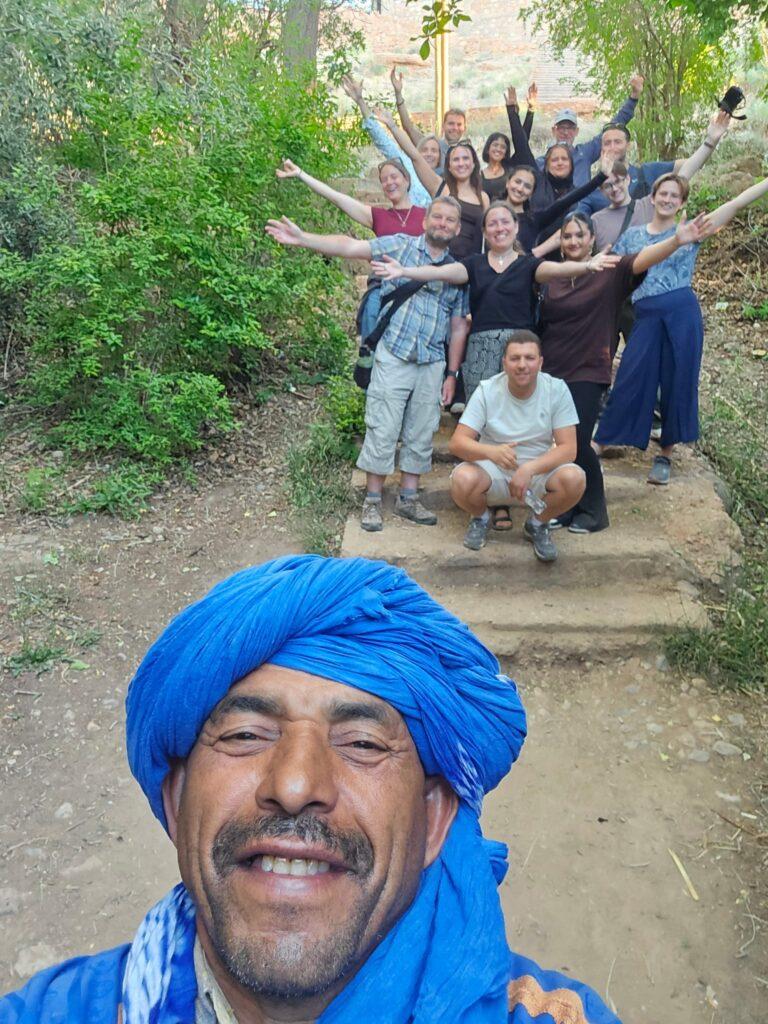
A local guide proudly showed off the pump for fresh drinking water and grabbed a selfie with us. He’s previously, very proudly, hosted the King for a similar tour.
It’s beautiful from above as well – green framed by the oranges of the buildings and the mountains. A truly special place that makes you appreciate our planet and the power of water to shape communities and lives.
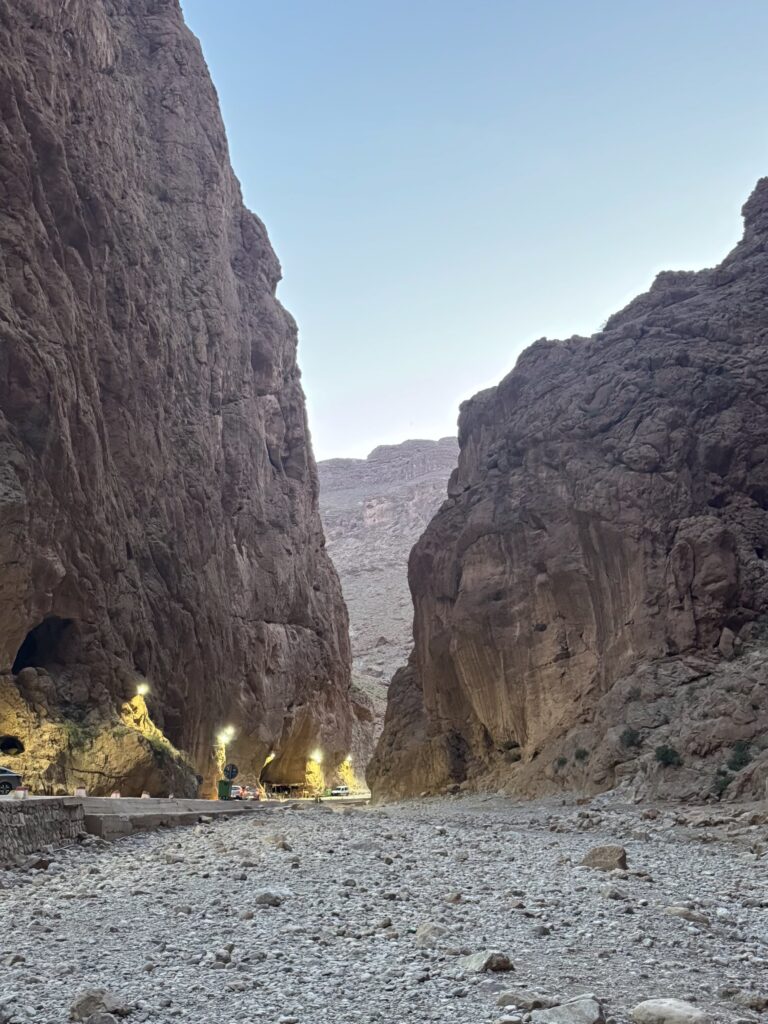
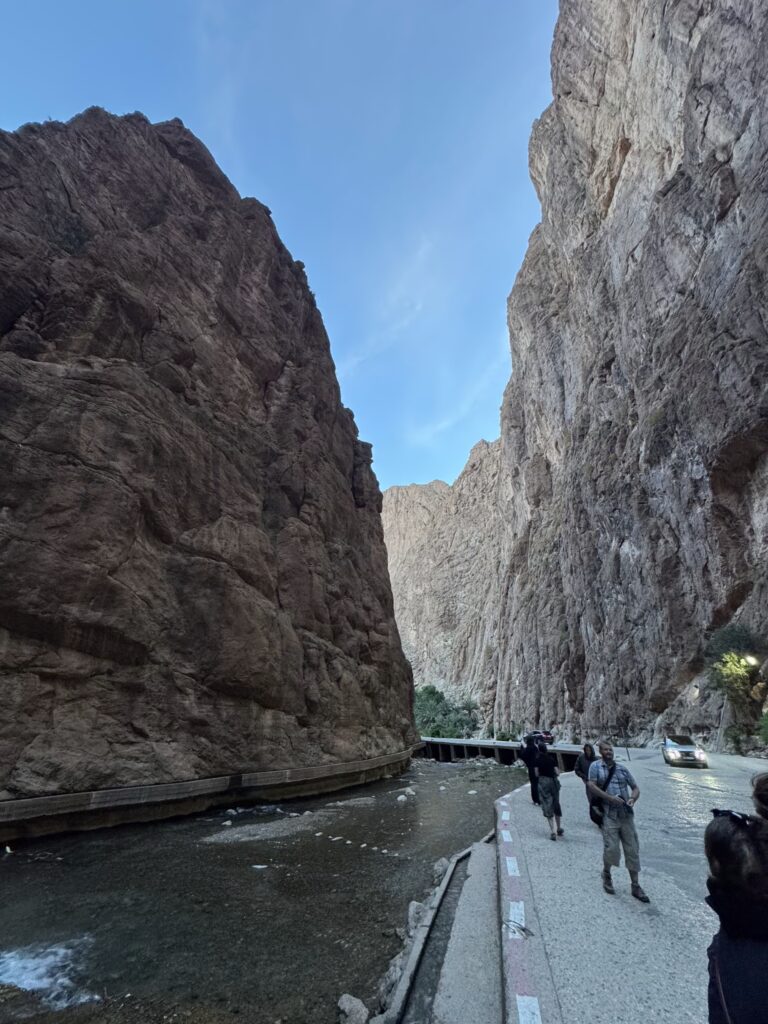
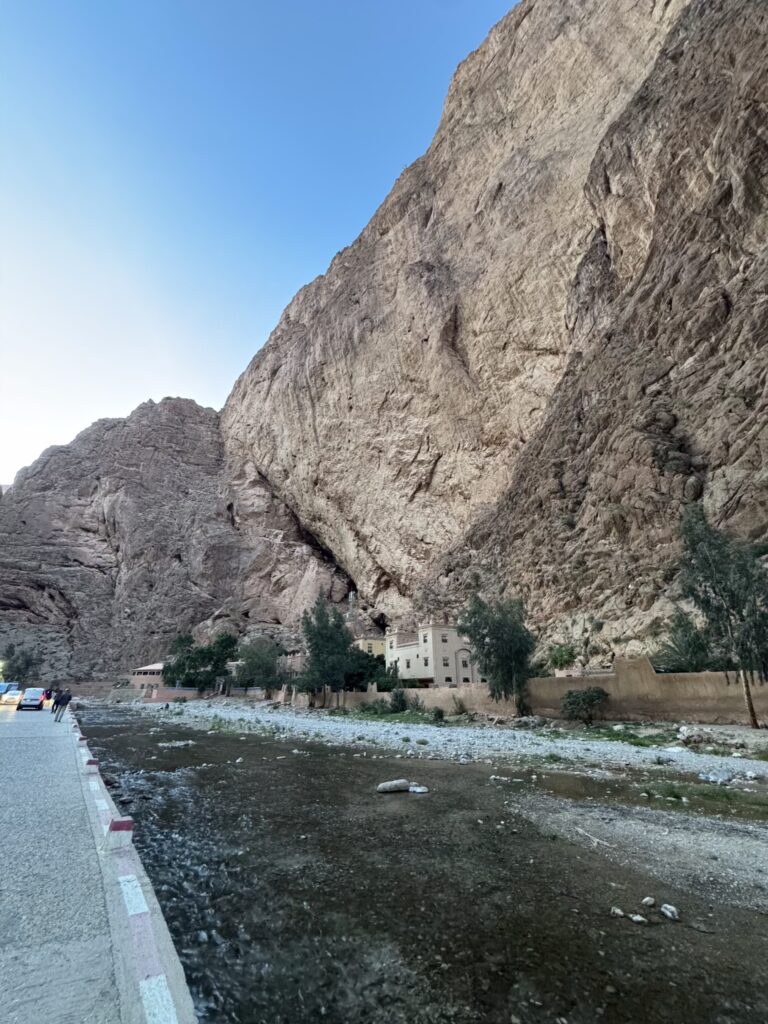
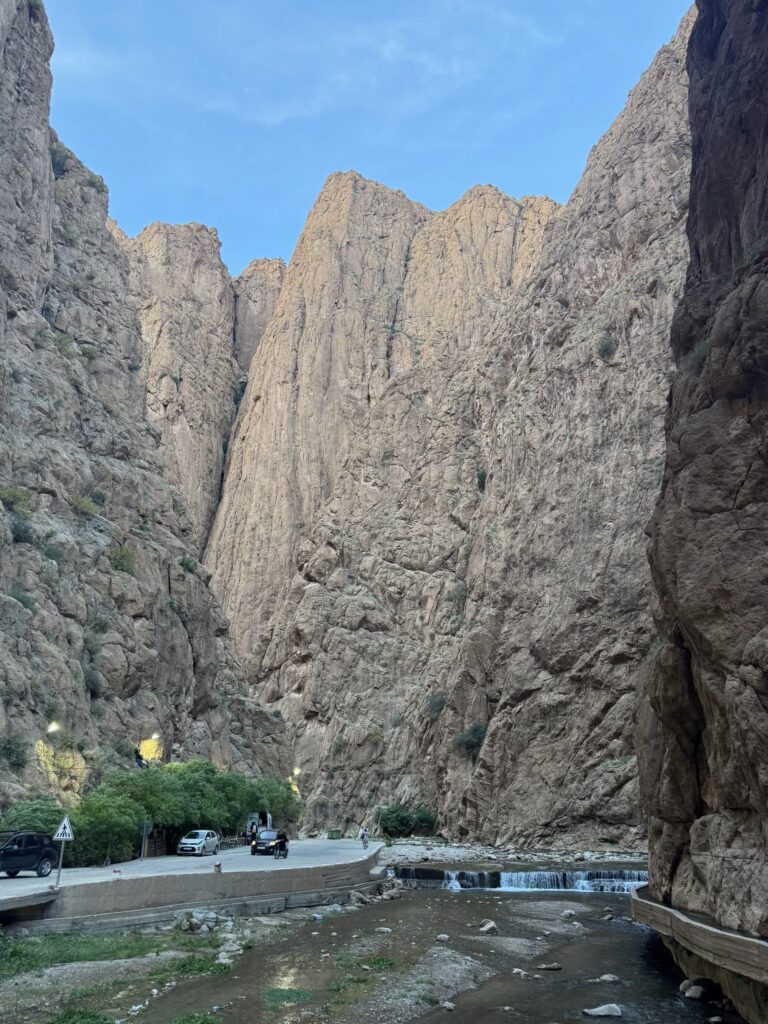
Last stop for the day… the Todra Gorge. This is a place where locals come to swim and picnic throughout the day. The gorges is about 300m, making it the highest in Morocco. Like all the gorges we’ve seen on this trip it’s impossible to comprehend the scale.
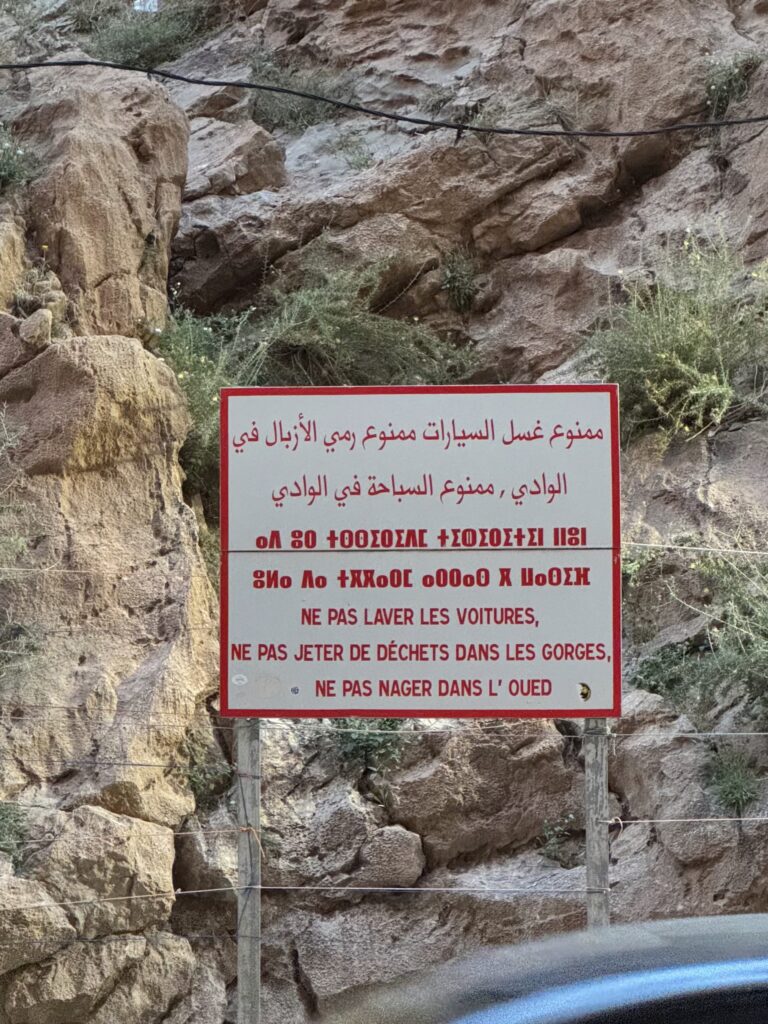
Many people know that the signs fascinate me, particularly in the way that provide insights to culture. Of course, this one near the gorge is in Arabic, Berber and French. I figured it would have important messages about climbing, so didn’t expect it to say ‘Do not wash cars, do not tgrow trash in the gorges, do not swim in the river’. Insightful!!!
Another huge day with so much packed in… including many moments and experiences that don’t make it to the blog. So worth it!!!
Love M & A x
Comments are closed