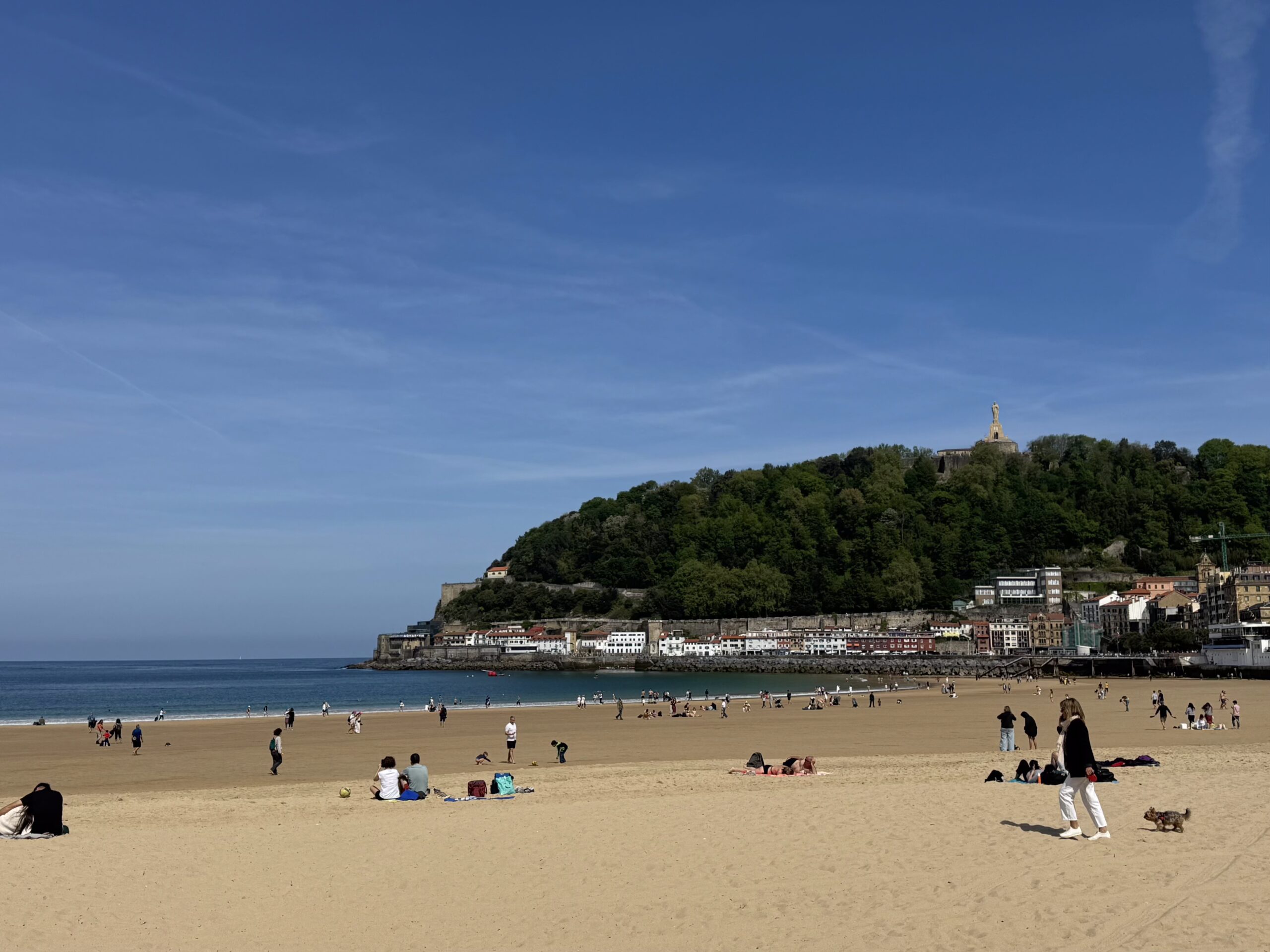
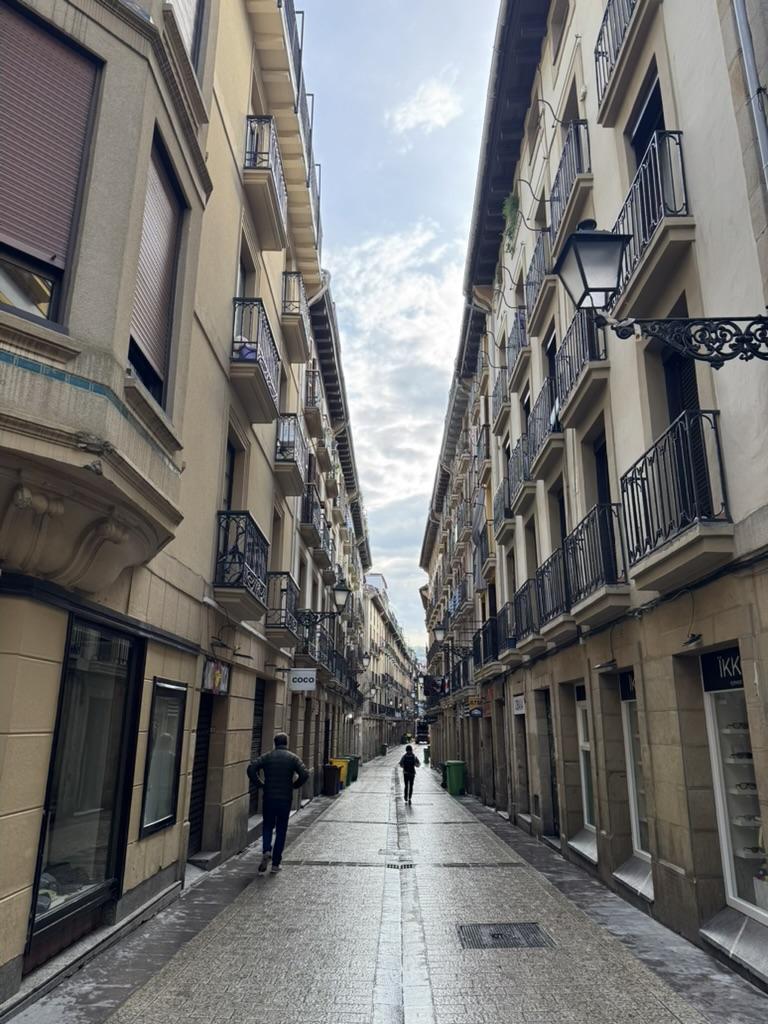
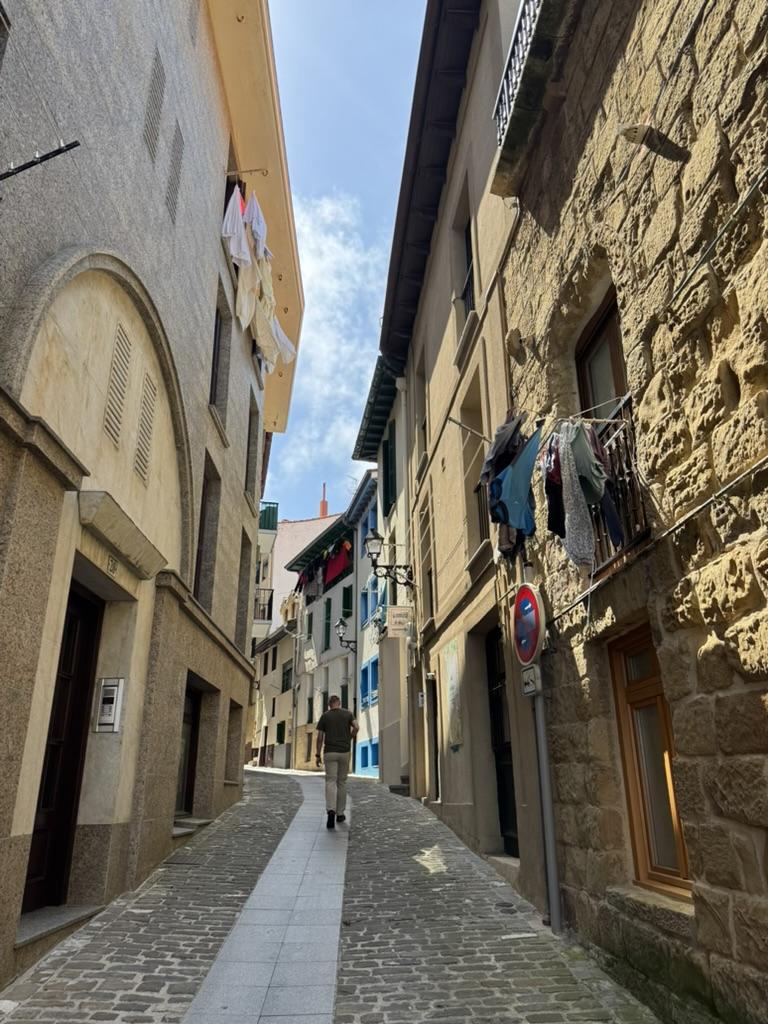
San Sebastián is a resort town on the Bay of Biscay, about an hour east of Bilbao, close to the French border. It’s officially known as Donostia / San Sebastián – everything here recognises the Basque language first. Like many of the towns in the region, the old town features narrow streets and 3-4 storeys of apartments above shops and restaurants. It has a reputation for food, and has the highest concentration of Michelin starred restaurants in the world.
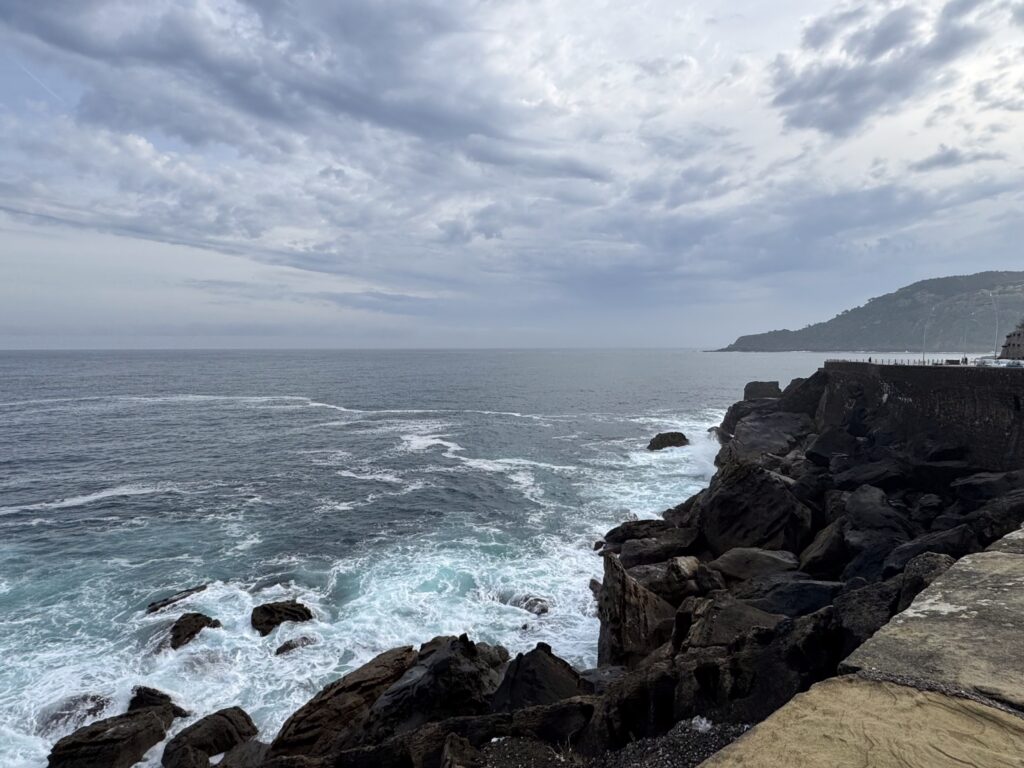
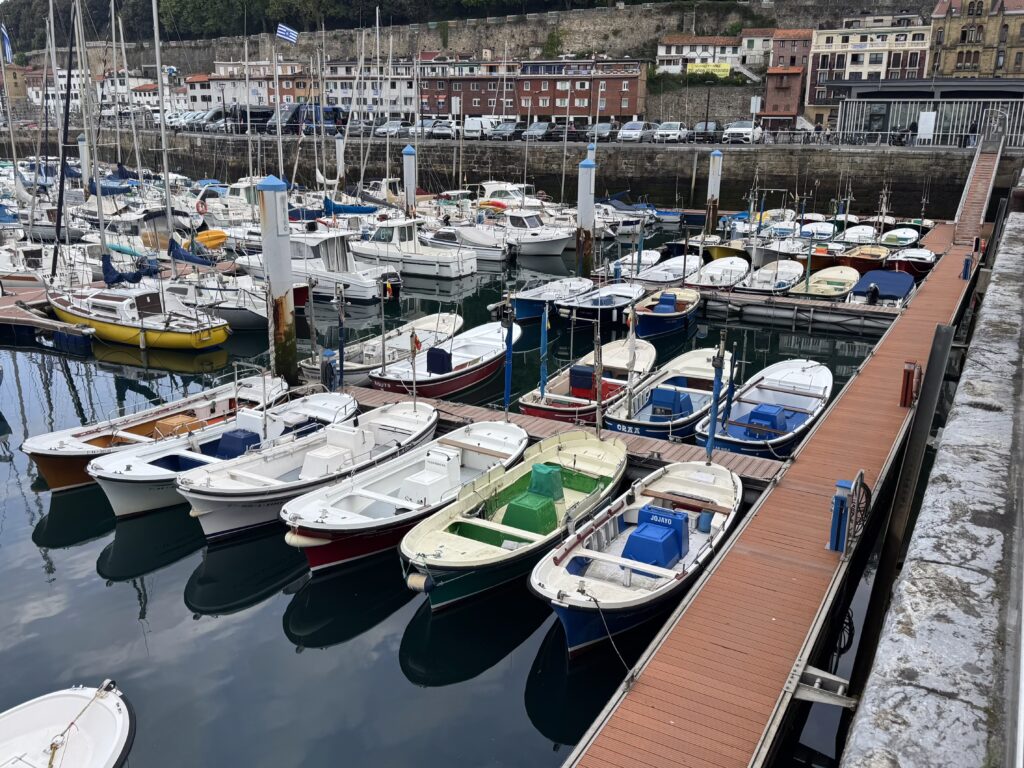
We arrived early to find the streets were quiet so headed for a walk around the headland to the Pasealeku Berriko Balkoia observation deck to see the rugged water, before passing through the sailing club, and marina filled with little fishing boats.
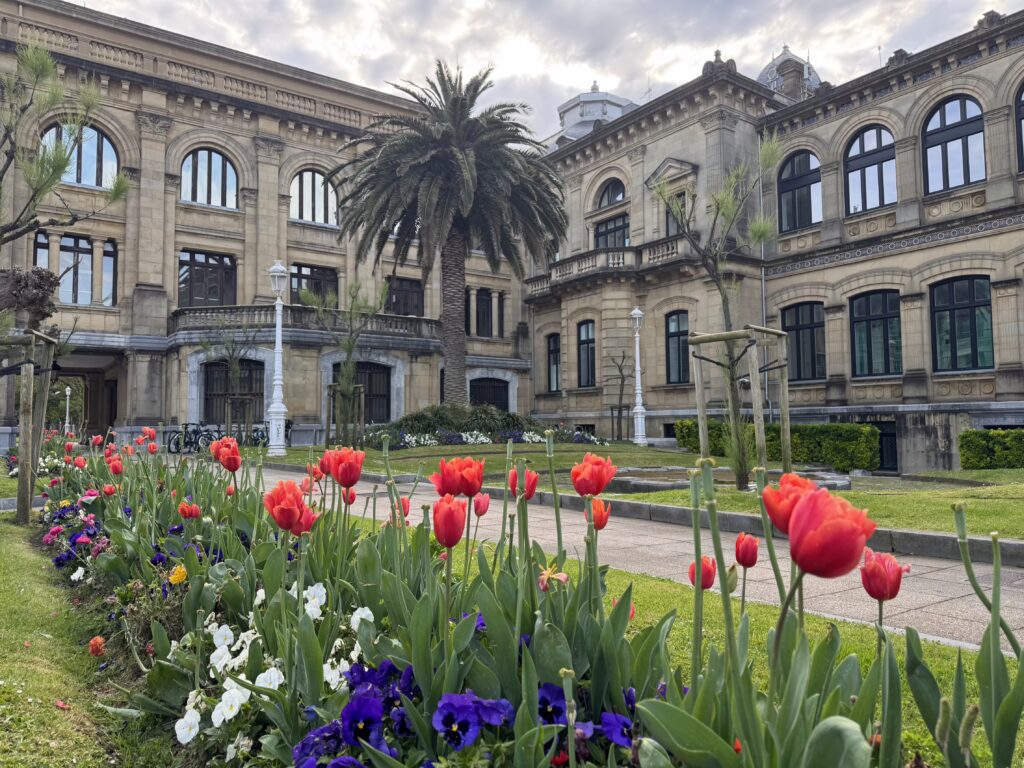
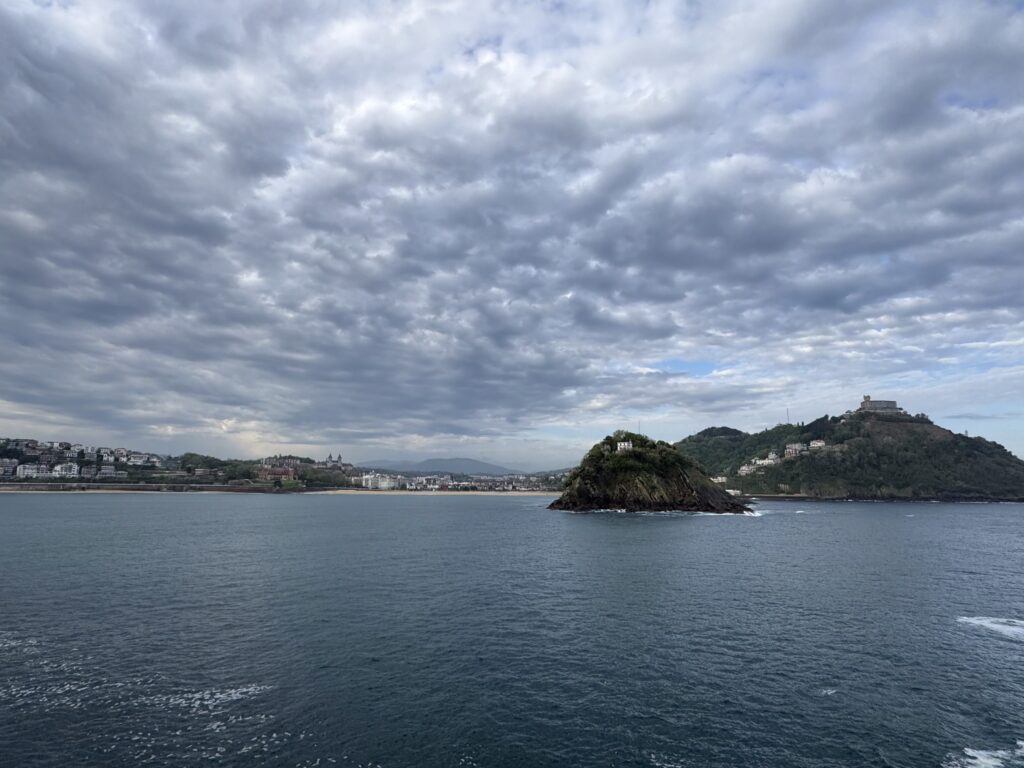
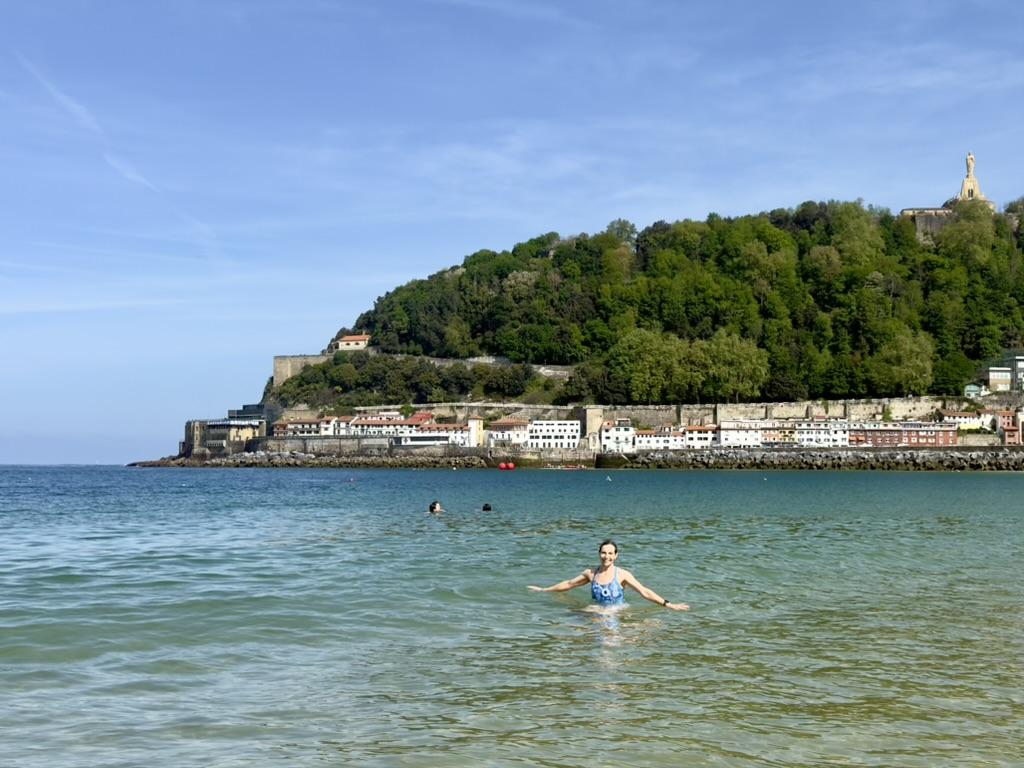
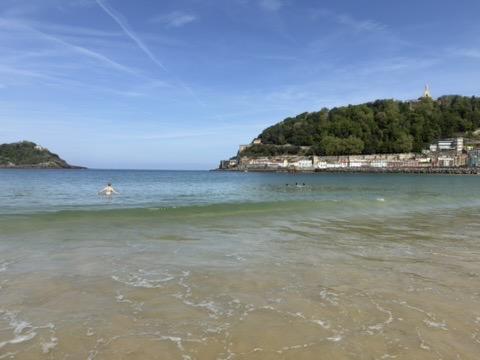
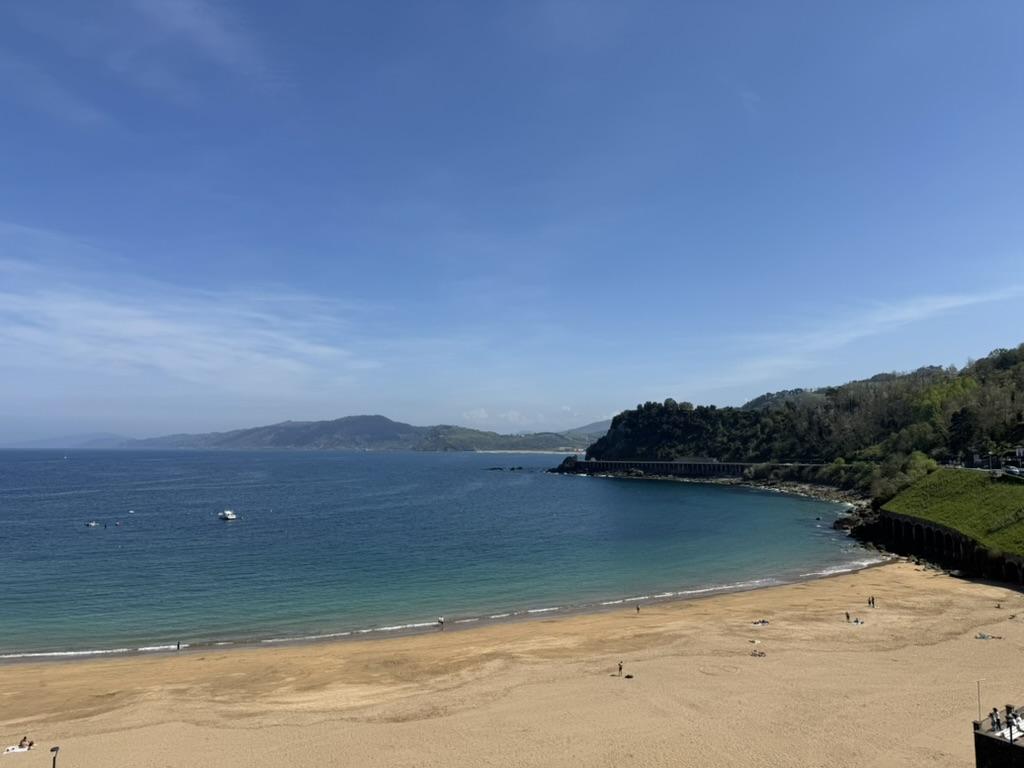
The other side is a protected bay, Bahia de La Concha, with the Isla de Santa Clara in the middle. Kontxa Hondartza / Beach of La Concha is large and flat, with tiny waves, and surrounded by large hotels with a traditional seaside walkway. I can imagine it being completely overwhelmed with families and small children in high summer.
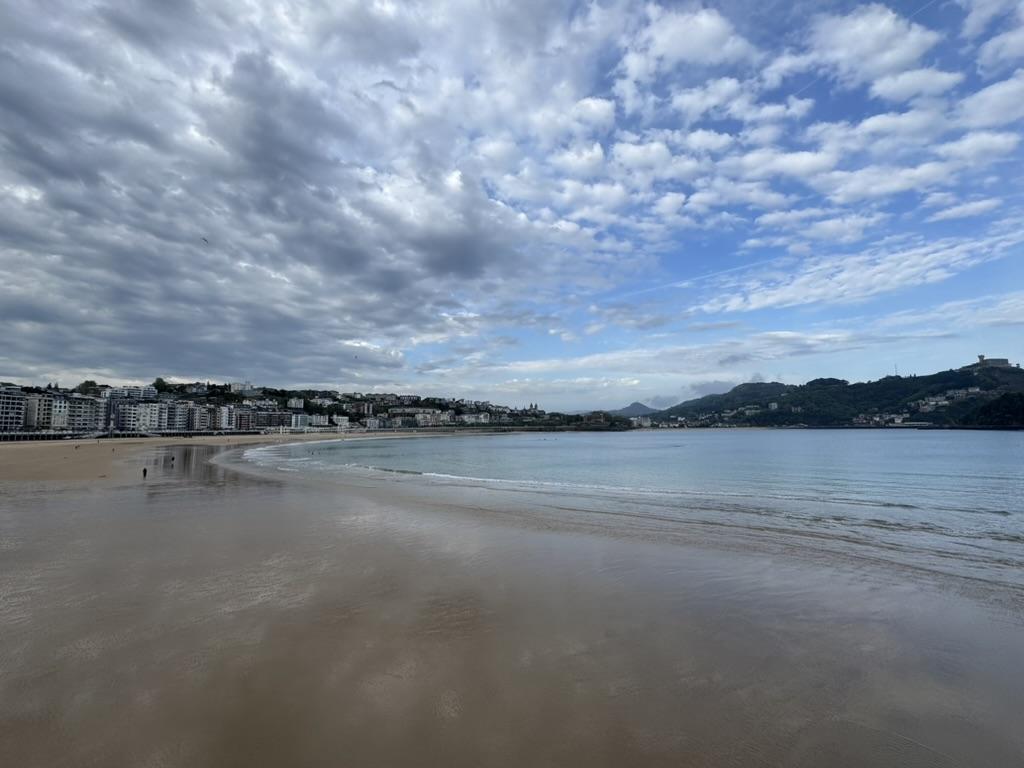
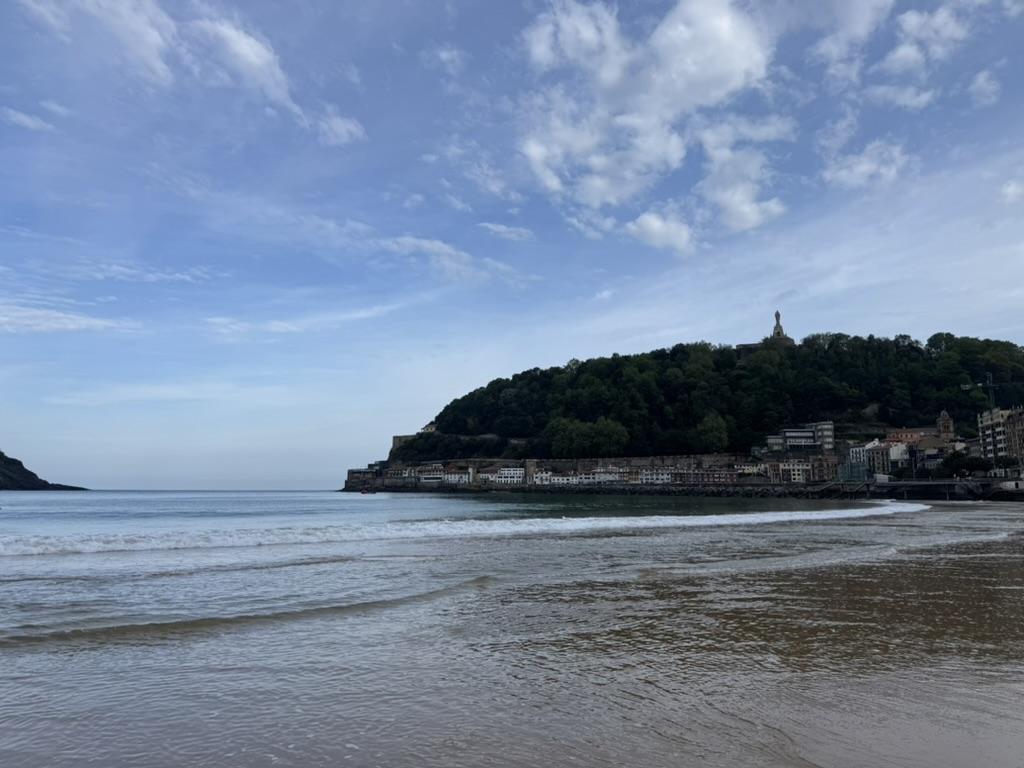
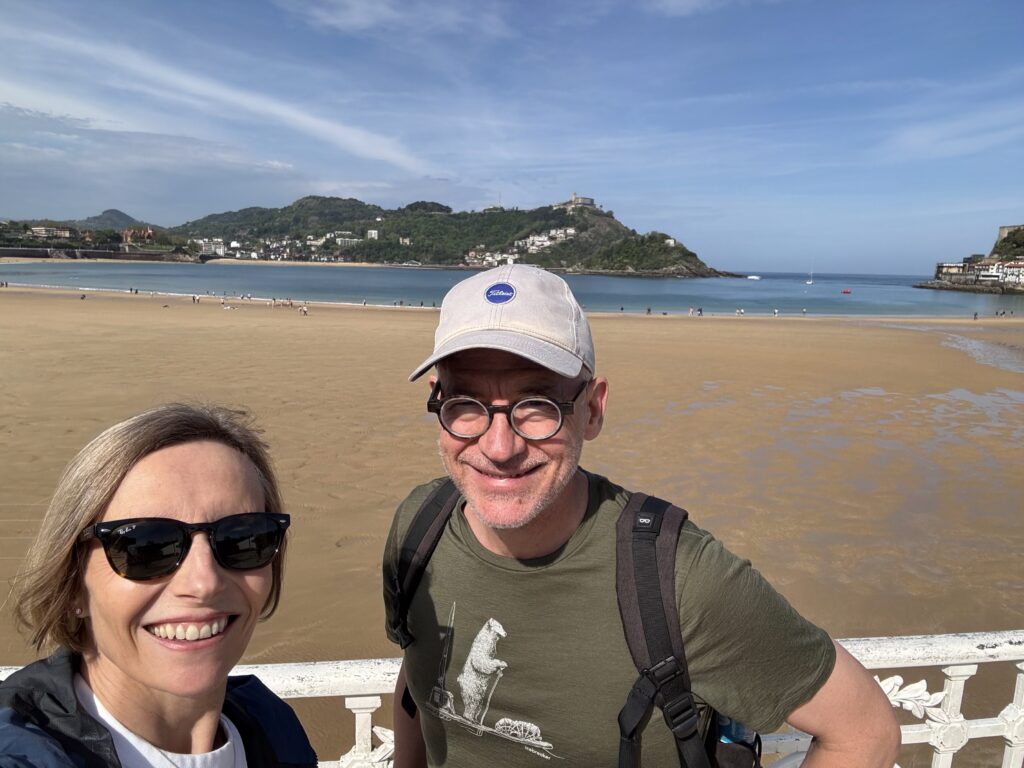
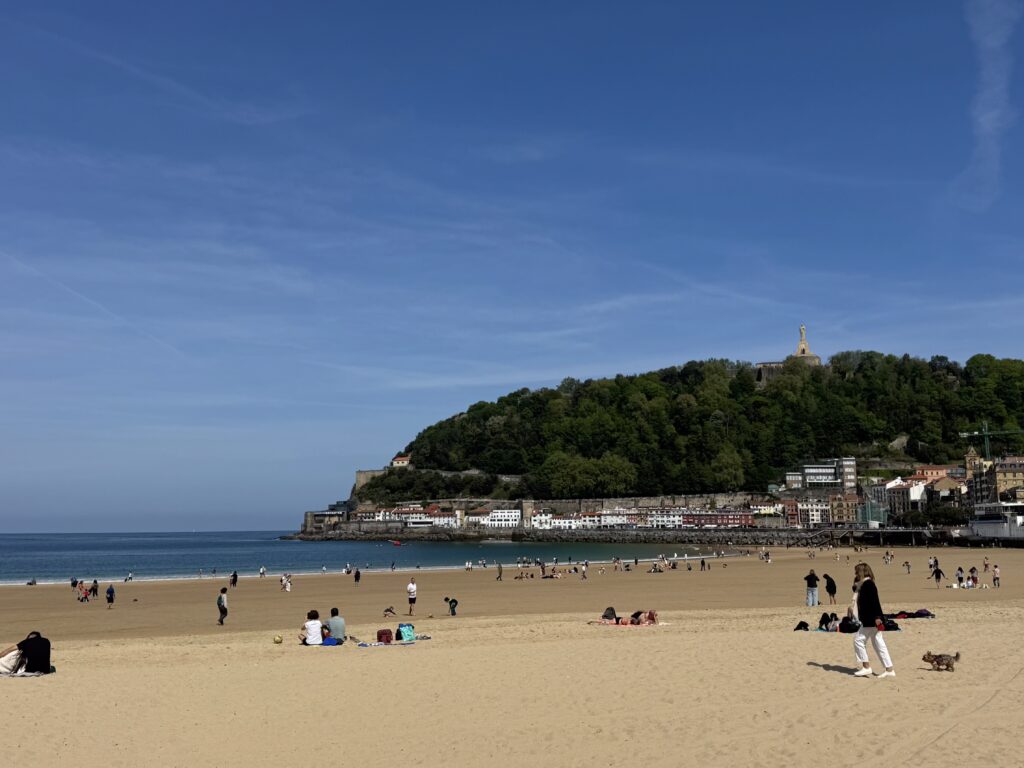
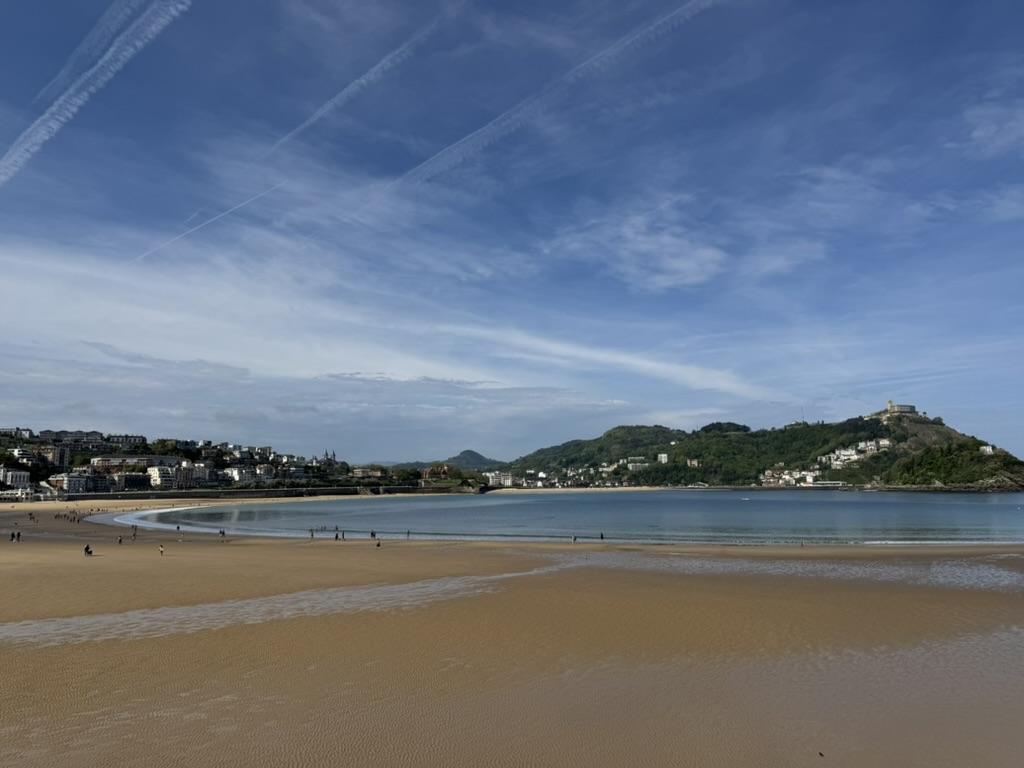
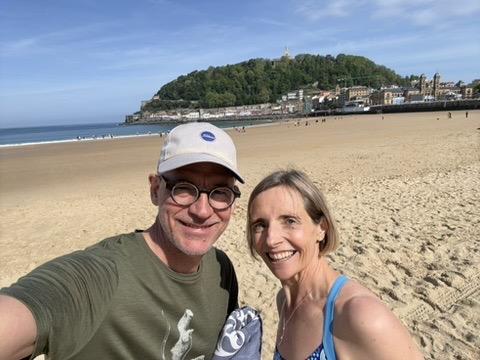
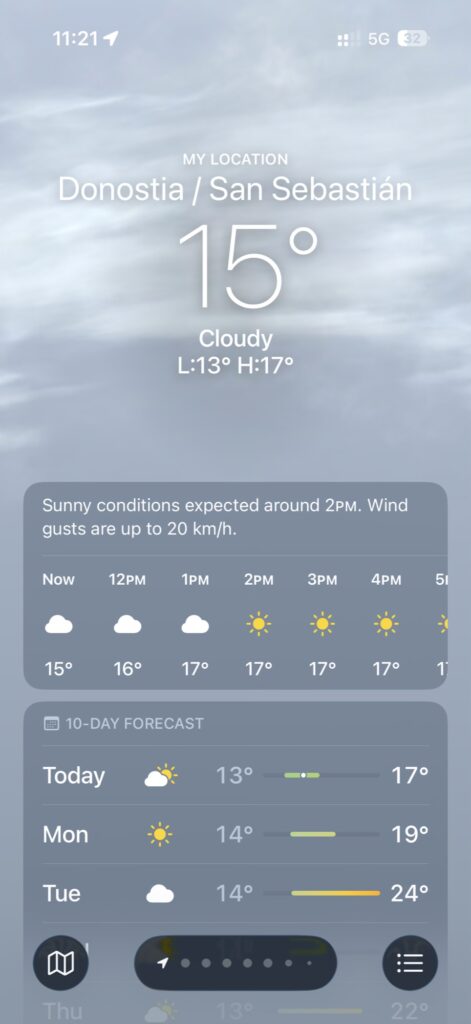
The day had started cloudy and had since started to clear. We’d put our hands in the water and it didn’t seem that cold, so it felt like this could be our opportunity to go for a swim. We found the public change room and figured 9 euros each ($15) for a warm shower and a locker was a bargain. One of us was much more committed to the swim than the other… 15 degree water isn’t quite Brisbane! The calm cold water was a great way to relax.
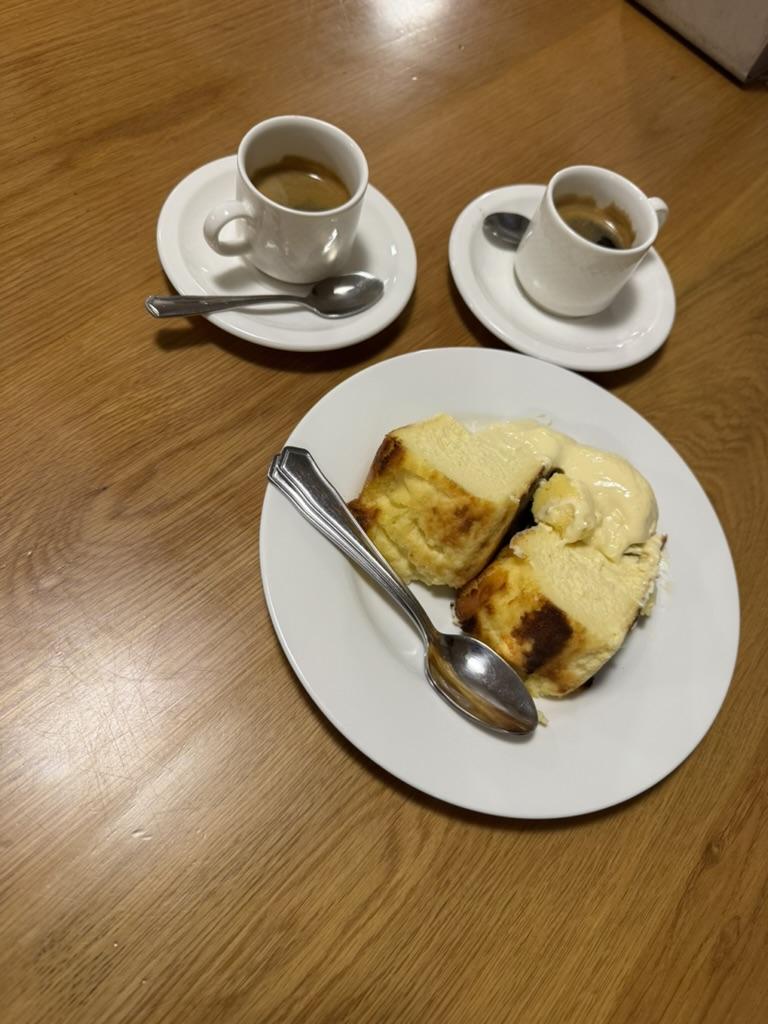
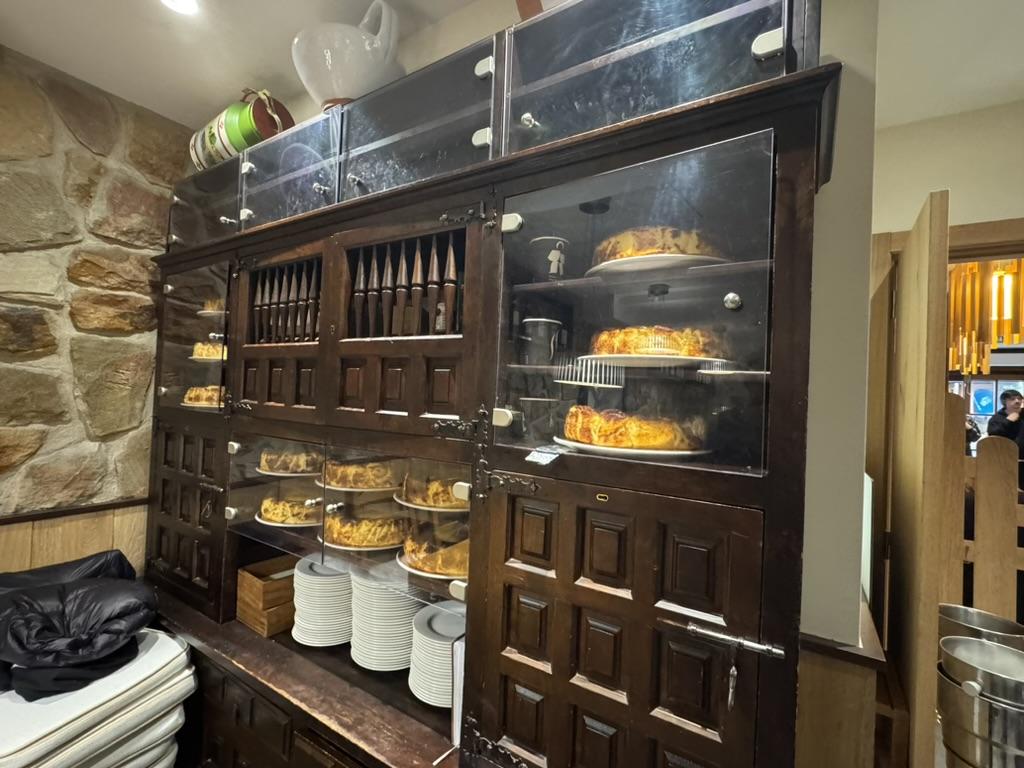
San Sebastián is also known for their Basque Burnt Cheesecake, which proved to be the perfect post-swim protein hit. La Vina Restaurante came highly recommended so we were on the doorstep as it opened. The cheesecake is very good, albeit rich!
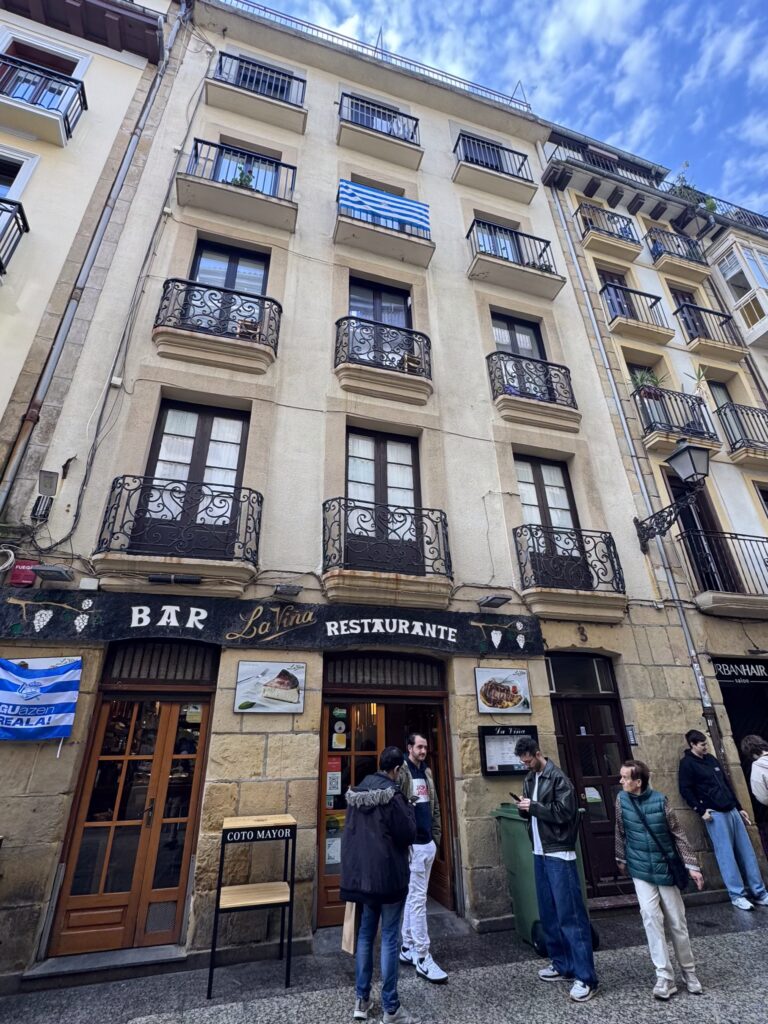
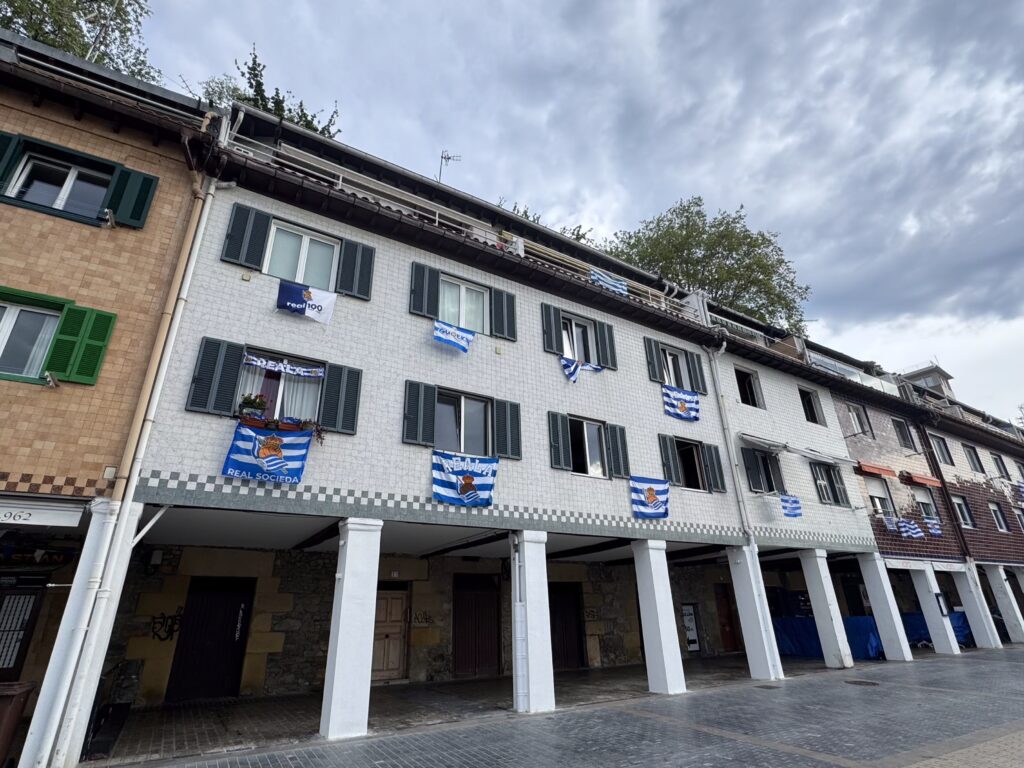
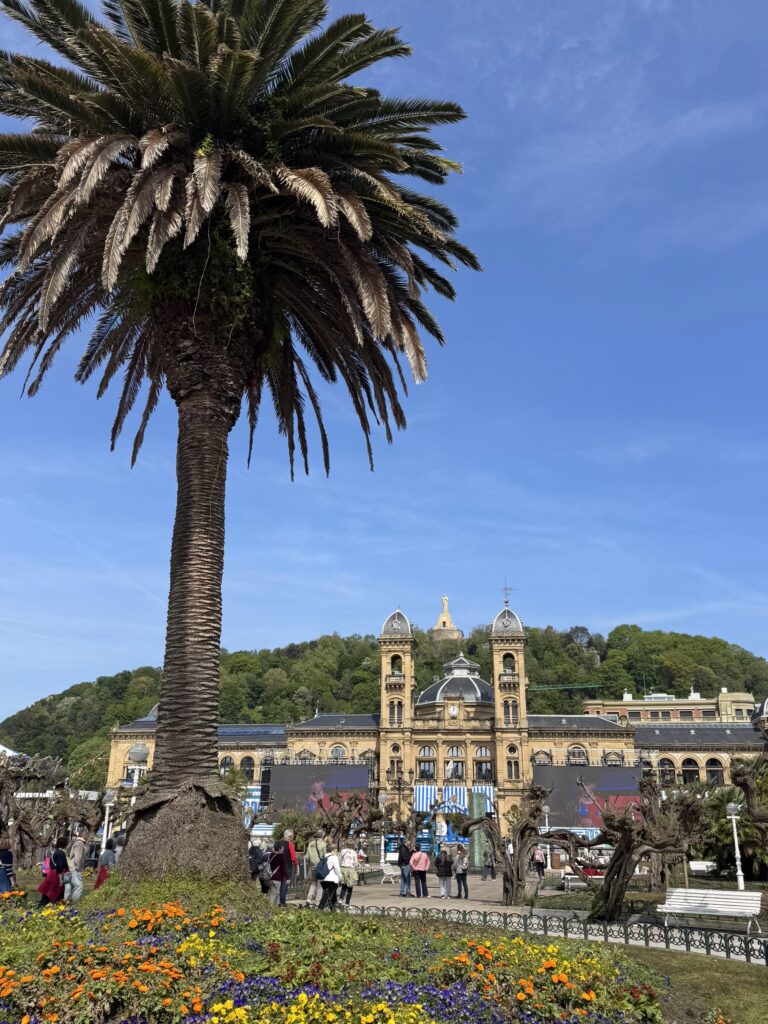
One of the things that struck us throughout the town was the prevalence of blue and white striped flags hanging from windows. We’ve seen towns that are fiercely proud, and this was another level. Turns out, the local football team Real Sociedad beat Atlético Madrid in a penalty shoot out in the final of the Copa del Rey, the Spanish football competition. There had clearly been a BIG party in the space outside the City Hall, which may have also explained the quiet start to the day.
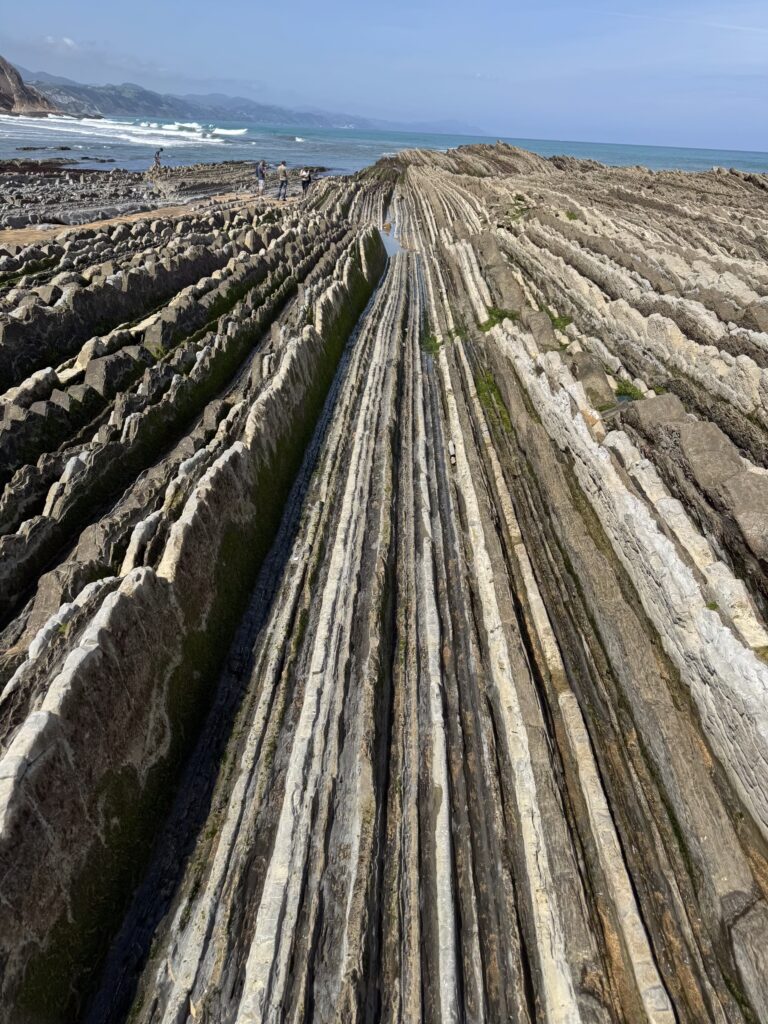
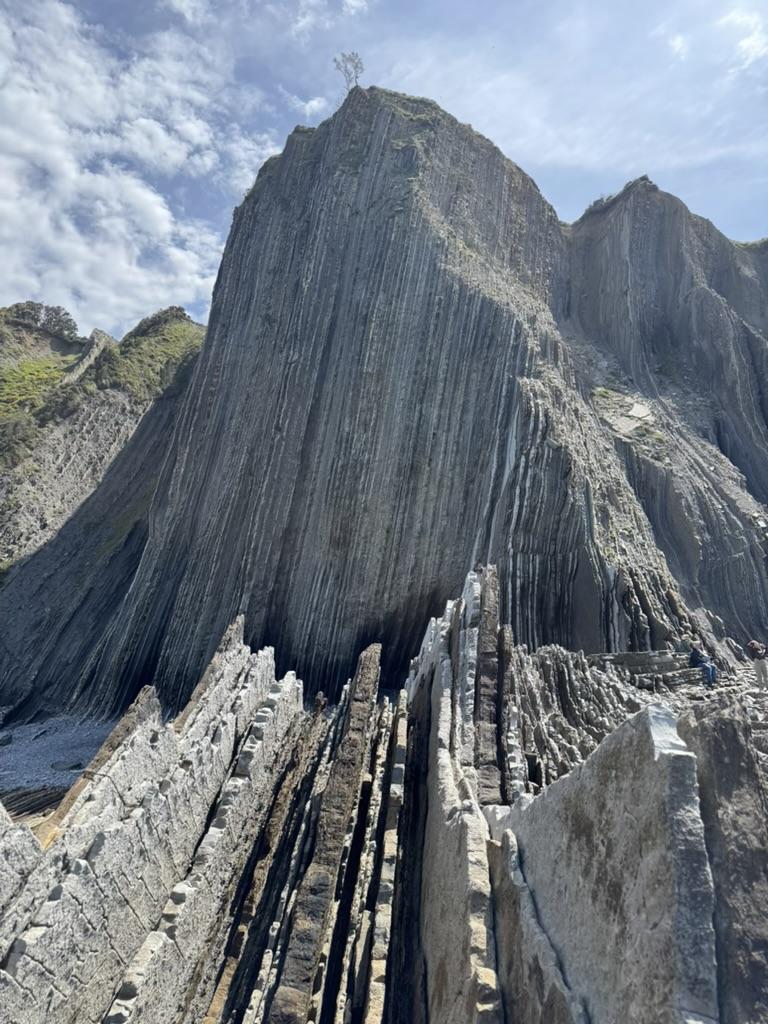
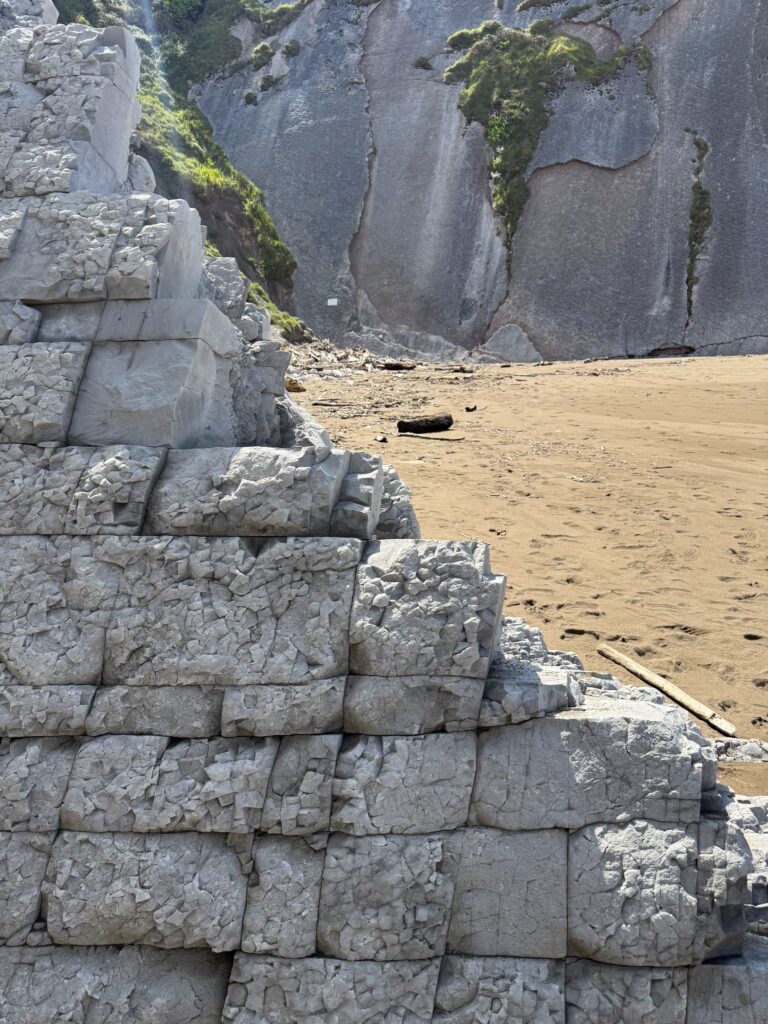
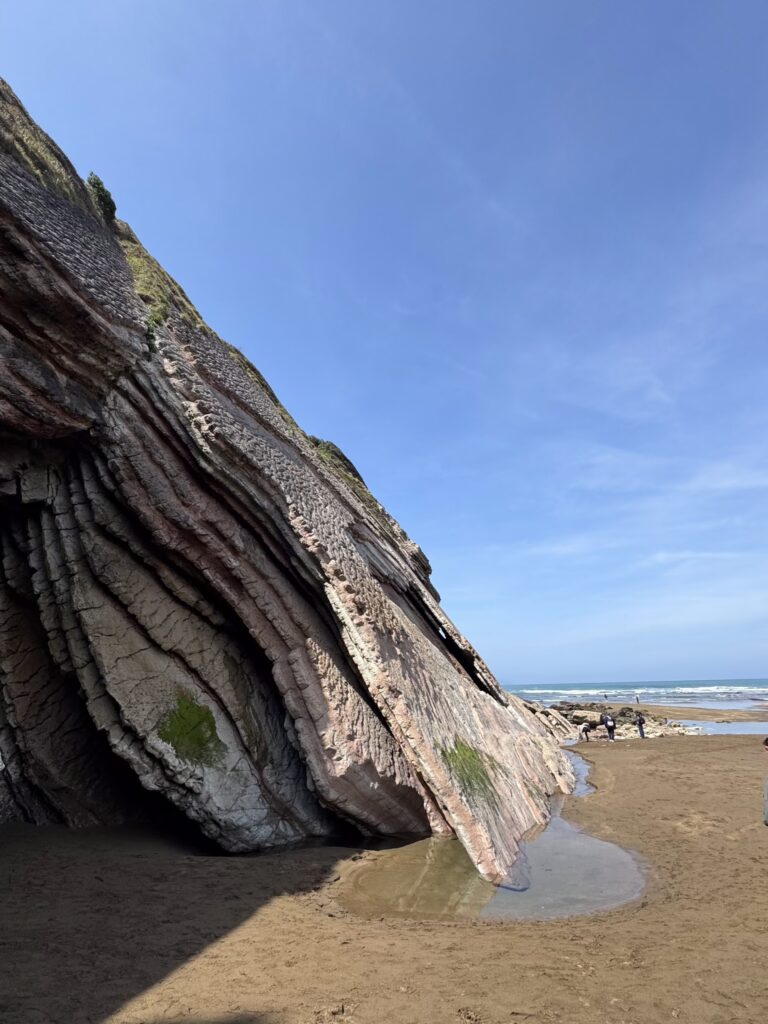
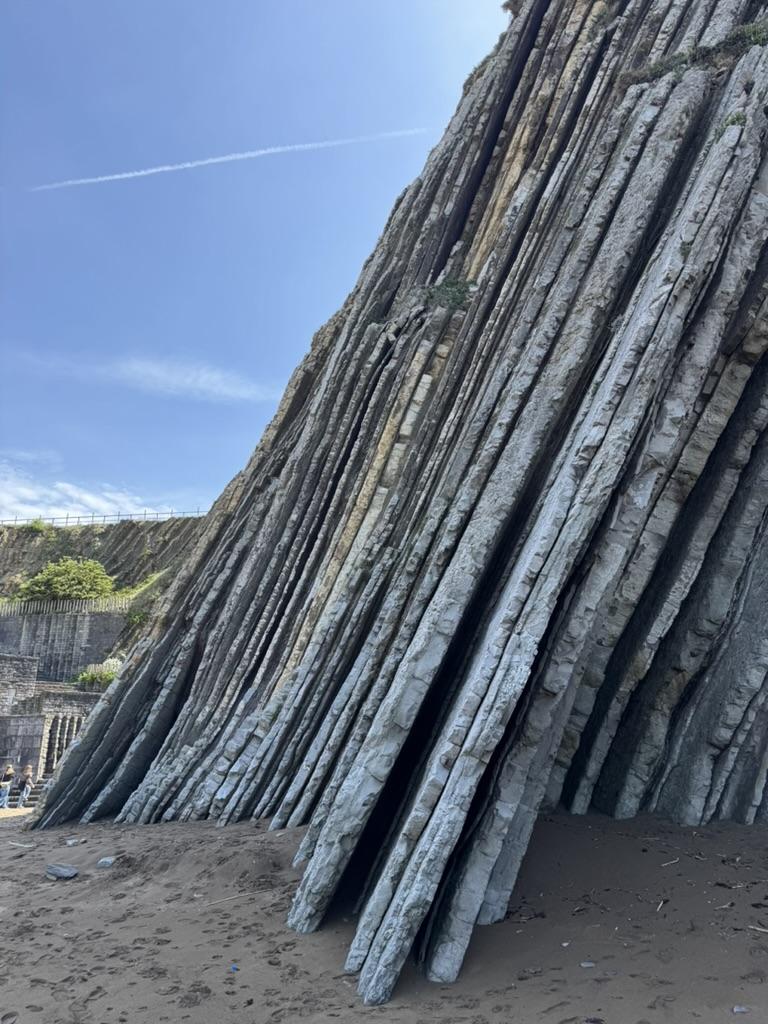
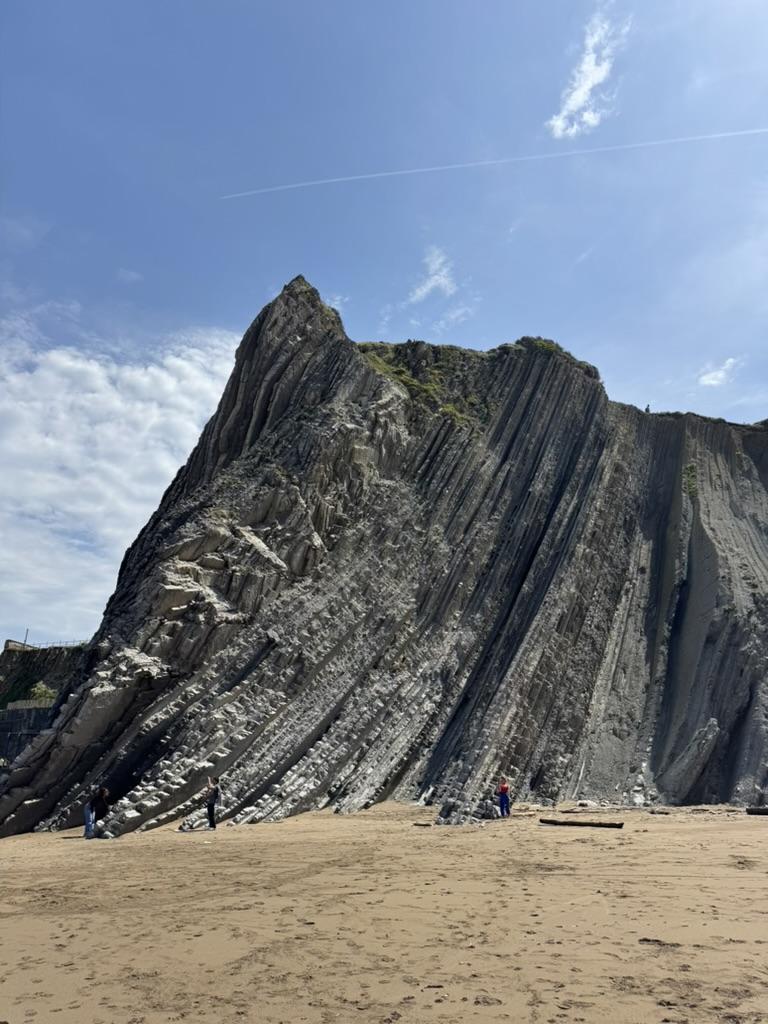
Our next stop was the town of Zumaia, which is home to one of the world’s longest sets of continuous rock strata, formations known as ‘flysch’. These are a sequence of enormous sedimentary layers of shale and sandstone. Low tide meant we could get down to the beach to see them close up.
They’re just tucked away behind the town, and while there were tourists around, it felt like we were off the beaten track. It’s one of the most striking formations I’ve ever seen, and its hard to fathom what had to happen to the earth for these to form. Our planet is amazing.
Last stop on our Bay of Biscay tour was the little town of Getaria, again, a beachside town famous for its food. We wandered the streets, grabbed some pintxos and an icecream and enjoyed half an hour in the sun overlooking the bay.
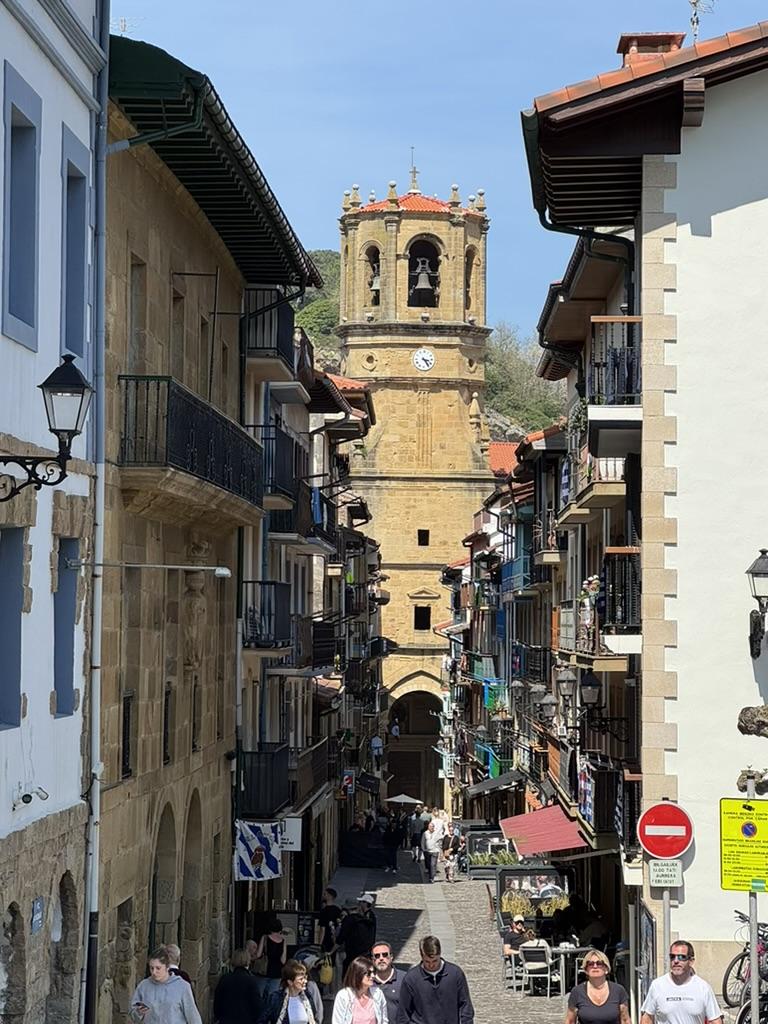
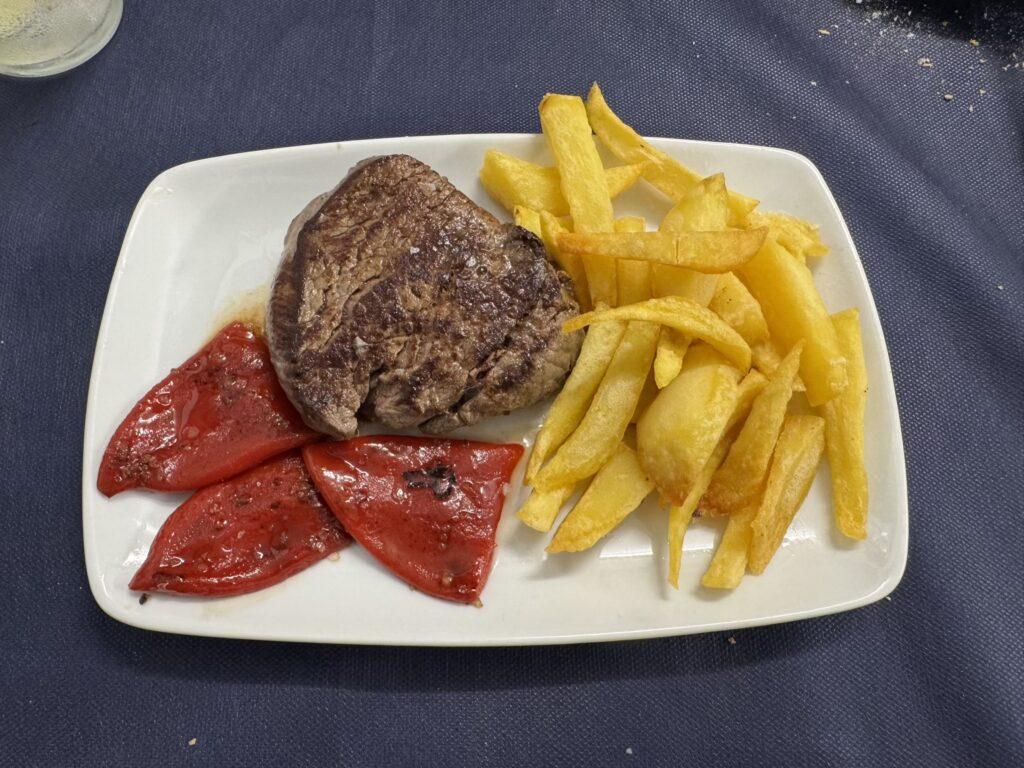
Dinner tonight took advantage of another of Matteo’s recommendations – Rio-Oja in the old town for sirloin steak, complemented by enormous white asparagus, anchovies and peppers. The quality of the food really has been great.
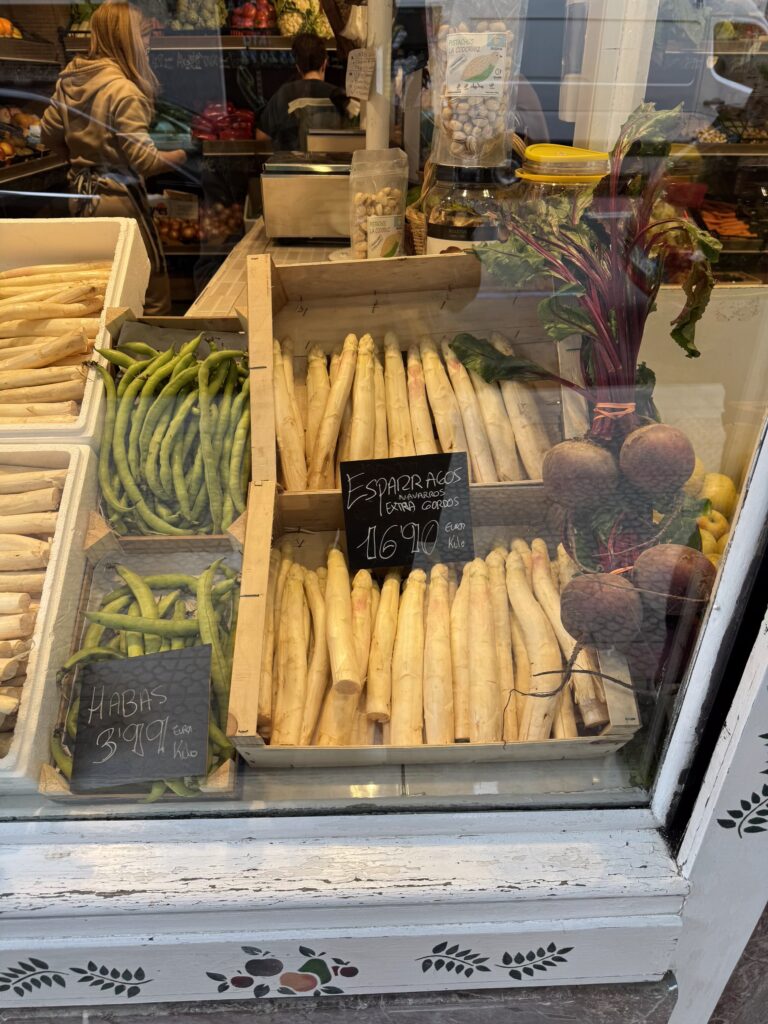
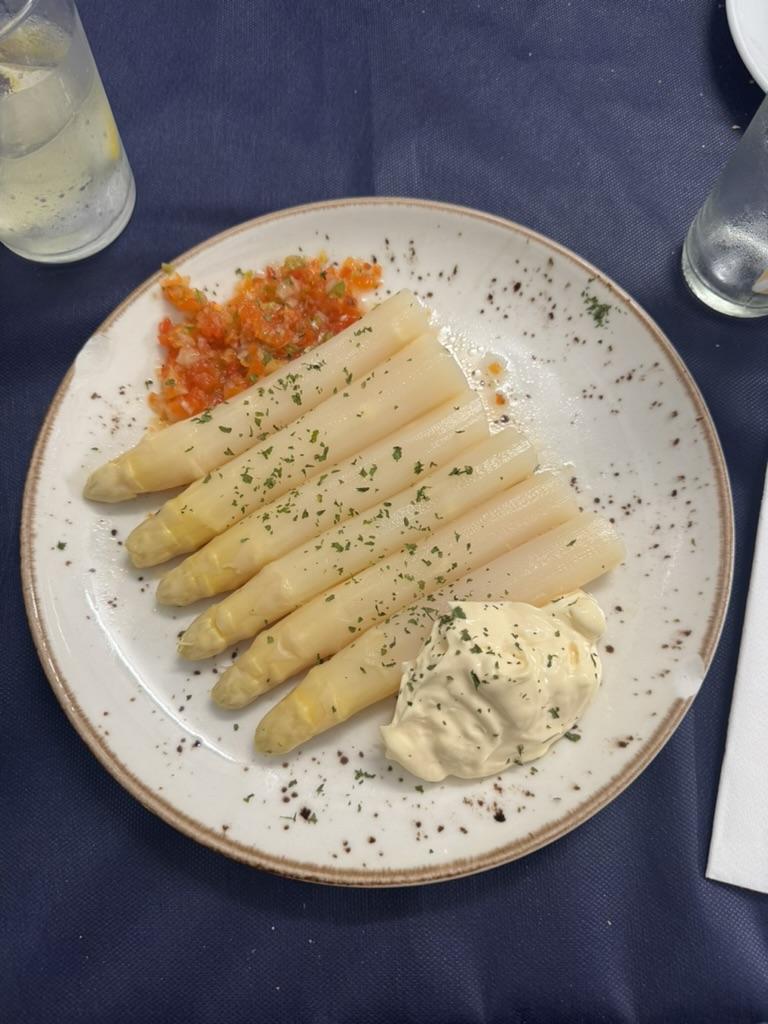
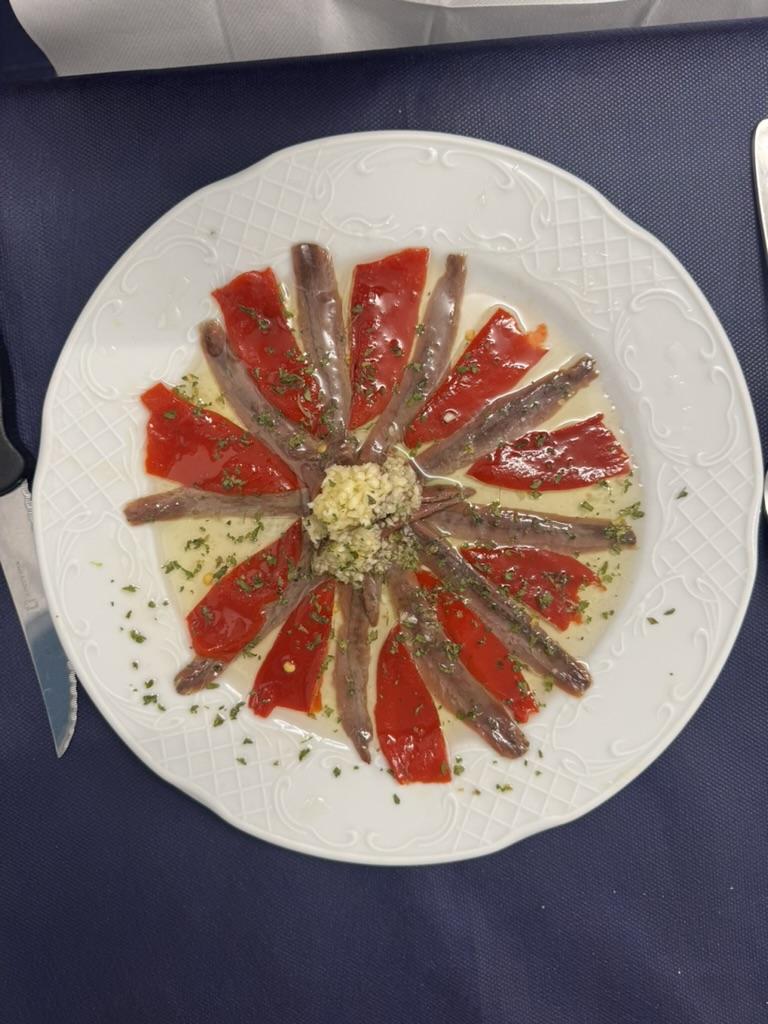
The end of a beautiful day on the Bay of Biscay… highly recommended!
Love M & A x
Comments are closed